We needed mulch for our HOA common areas. Local providers were all holding high prices even for 40 yards of mulch. Mulch mound was easy to wowith & has great price for natural mulch + delivery schedule options. They called before delivery to ensure Delivery was exactly wher...
Tell us what you're looking for
Thanks! We received your request.
Something went wrong. Please try again.
How Much Material Do I Need?
Three inches is the sweet spot for Durant beds, deep enough to shade out weeds through a long zone 8a season but not so deep that clay loam underneath stays waterlogged. Around trees and shrubs, keep it to two inches at the trunk and taper outward.
Use our free mulch calculator
What is a yard?
A yard is approximately 27 cubic feet. As a general guideline, one yard of material can cover an area of about 100-160 square feet at a 2-3 inch depth.
We needed mulch for our HOA common areas. Local providers were all holding high prices even for 40 yards of mulch. Mulch mound was easy to wowith & has great price for natural mulch + delivery schedule options. They called before delivery to ensure Delivery was exactly wher...
How Much Material Do I Need?
Three inches is the sweet spot for Durant beds, deep enough to shade out weeds through a long zone 8a season but not so deep that clay loam underneath stays waterlogged. Around trees and shrubs, keep it to two inches at the trunk and taper outward.
Use our free mulch calculator
What is a yard?
A yard is approximately 27 cubic feet. As a general guideline, one yard of material can cover an area of about 100-160 square feet at a 2-3 inch depth.
We needed mulch for our HOA common areas. Local providers were all holding high prices even for 40 yards of mulch. Mulch mound was easy to wowith...
Read full review
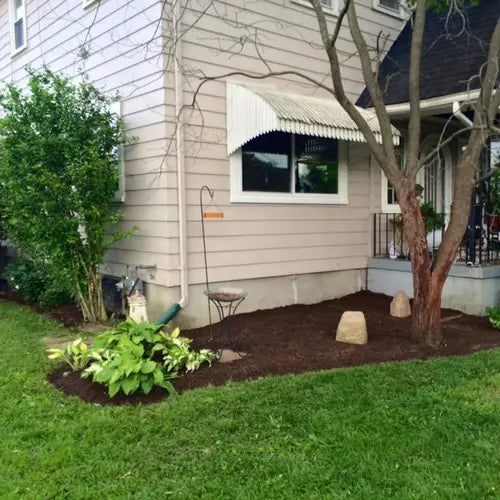
We needed mulch for our HOA common areas. Local providers were all holding high prices even for 40 yards of mulch. Mulch mound was easy to wowith & has great price for natural mulch + delivery schedule options. They called before delivery to ensure Delivery was exactly where we wanted it.
Delivery was on time and great quality Mulch. Got it done in a reasonable time and yard looks great. Couldn’t be happier!!! Thank you and will us...
Read full review
Delivery was on time and great quality Mulch. Got it done in a reasonable time and yard looks great. Couldn’t be happier!!! Thank you and will use again!!
Mulch Mound delivered a yard of pea gravel to us. Delivery was on time, driver was friendly and hit a bullseye on the “tarp target”. We used the ...
Read full review
Mulch Mound delivered a yard of pea gravel to us. Delivery was on time, driver was friendly and hit a bullseye on the “tarp target”. We used the pea gravel (which was diameter as specified) to fill several muskrat holes around our pond. I would definitely recommend Mulch Mound to a friend!
Measure each bed separately rather than guessing at your whole yard, since Durant homes often mix narrow foundation strips with wide island beds. Multiply length by width for square footage, add the beds together, then let the calculator convert to yards at your chosen depth. Curved beds are easiest to estimate by breaking them into rectangles and half circles.
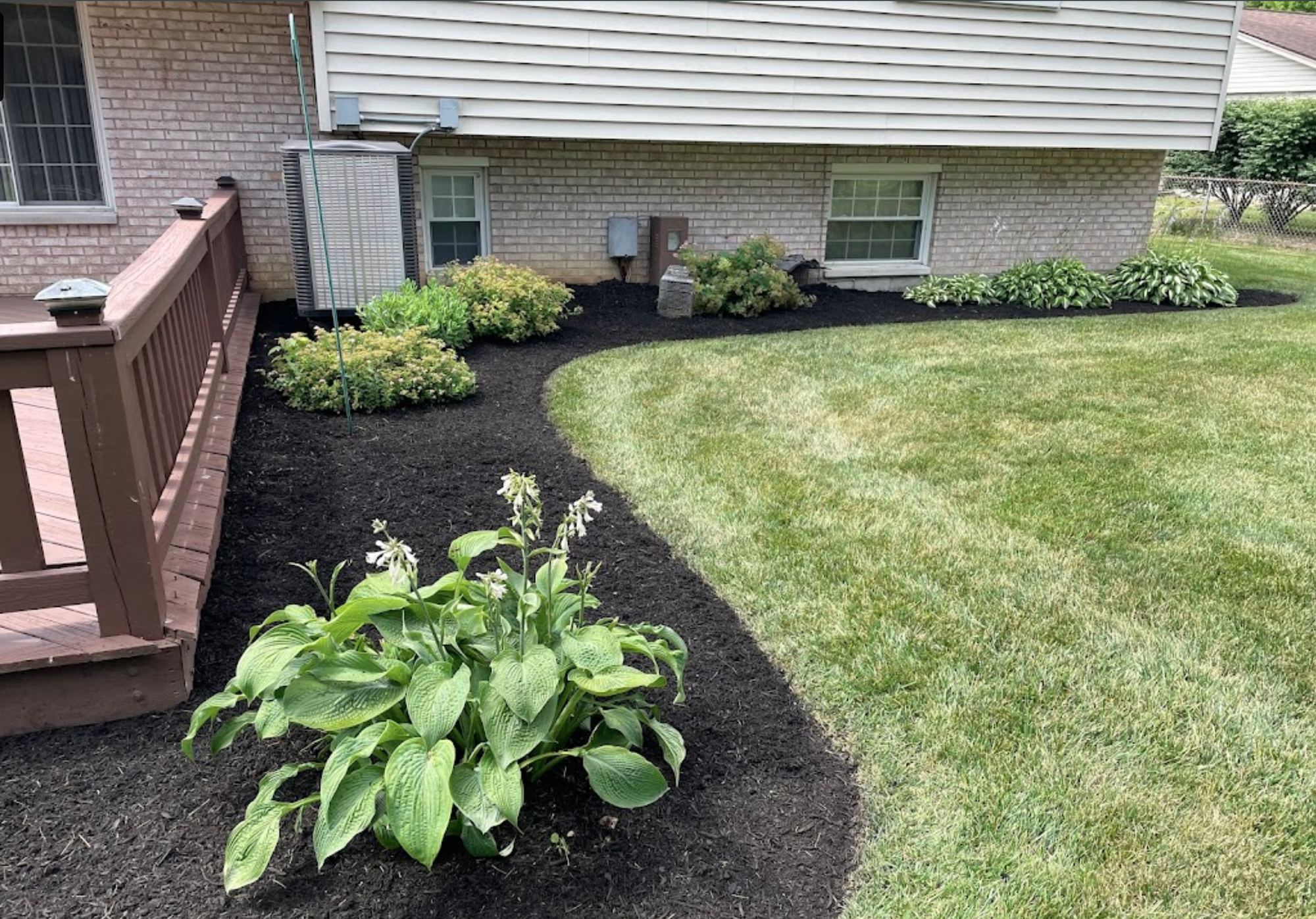
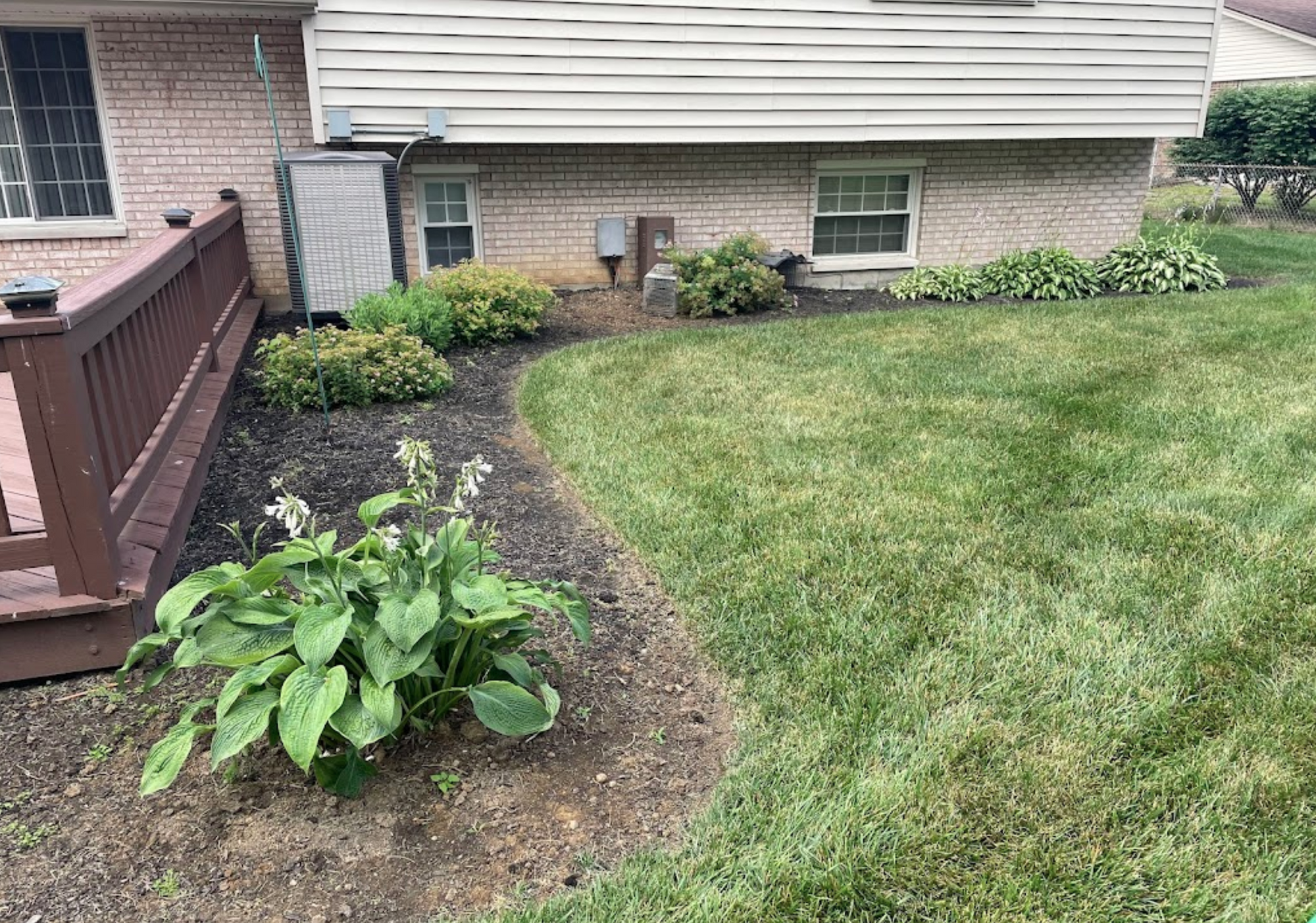
Mulch vs. No Mulch: The Difference
Durant's combination of 45 inches of annual rain and long humid summers in zone 8a means organic mulch breaks down faster here than it would in a drier climate. Natural hardwood typically loses noticeable volume within a single season, while dyed products hold their color longer but still decompose underneath. Understanding that trade off helps you decide how often you want to be out there with a wheelbarrow.
Before
After
Best Mulch Choice for Durant Lawns
Most yards in the Durant area sit on type of soil. Durant's clay loam holds nutrients well but compacts easily, and after a hard rain it can seal over and leave plant roots sitting in standing water. That combination of poor infiltration and slow drying is the main reason foundation beds here struggle.
Hardwood Mulch
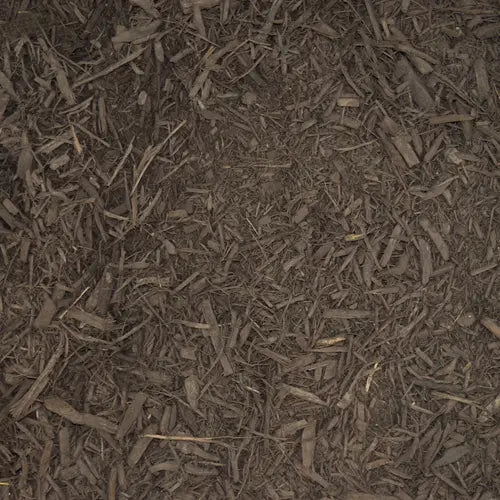
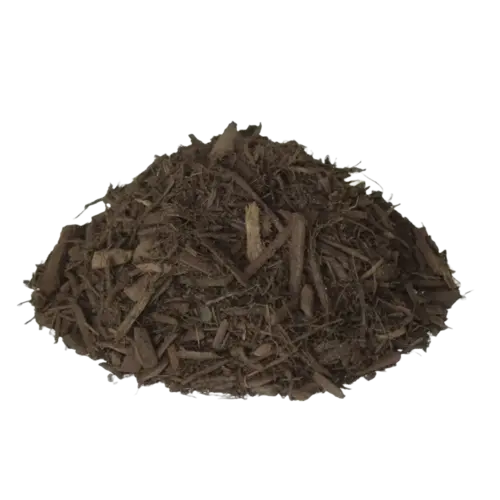
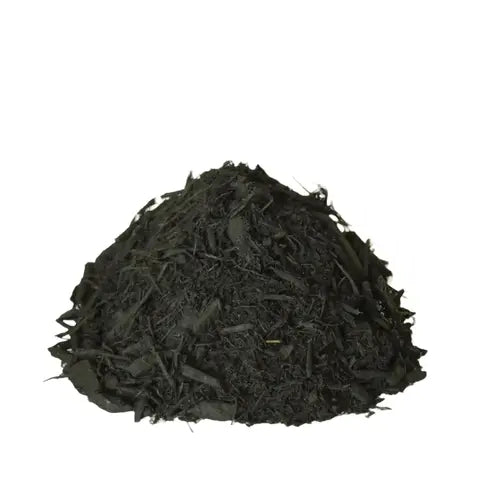
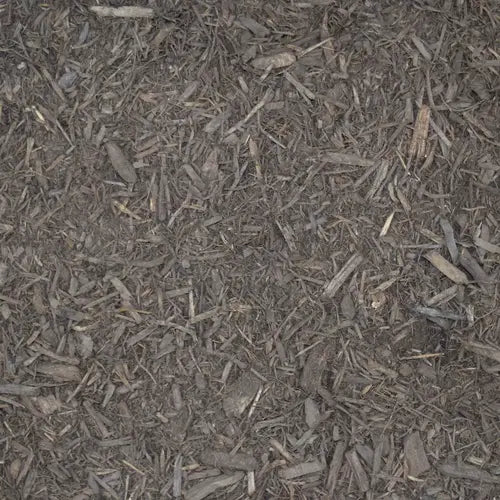
Shredded hardwood mulch is the practical fix because it decomposes into fine organic matter that earthworms carry down into Durant clay loam, opening pore space and improving drainage season after season. It also shields the surface so rain soaks in gradually instead of sealing the bed shut.
Complete Your Outdoor Mulch Project
Pair your mulch with a few yards of compost or garden soil worked into the bed first, since amended clay loam plus mulch on top is what really changes how a Durant bed performs. Steel or stone edging keeps everything in place when the spring rains arrive.
Water your beds thoroughly before you spread mulch, not after. Durant clay loam dries into a hard shell during a stretch of hot weather, and dry mulch laid over dry clay will shed the next rain right off the bed. Soak the soil until it is damp four inches down, spread your three inches, then water once more lightly to settle the material and knit the fibers together.
Mulch Mound Pro Tip
Keep mulch off the trunk flare. Volcano mulching around crepe myrtles and young red oaks is common all over Durant, and in our humid summers that piled up material holds moisture against bark until it rots. Pull mulch back two to three inches from every trunk so you can see the flare where the trunk widens into roots. The tree will thank you with better bark health and fewer borer problems.
Mulch Mound Pro Tip
Time your fall application to the calendar, not the temperature. Durant's first frost averages November 6, so laying an insulating layer in mid to late October protects perennial crowns before the first real cold snap arrives. Wait until after the ground has cooled slightly but before it freezes. That timing keeps soil temperature steady through the winter swings that southern Oklahoma is known for.
Frequently Asked Questions
Click a question to see the answer
Answer
How often will I need to replace mulch in Durant?
Most Durant yards need a refresh once a year, usually in late March after the last frost passes. Our 45 inches of rain plus long hot summers speed up decomposition, so shredded hardwood typically loses an inch or so of depth per season. If you top dress each spring with one to two inches, you rarely need a full removal.
Answer
Will mulch make my fire ant problem worse?
Fire ants are common across Bryan County and they do like the warm, moist layer under mulch. Keeping mulch at three inches instead of six, pulling it back from bed edges, and treating with a bait in spring and again in early fall keeps colonies from settling in. Mulch itself does not attract them, but a soggy overly deep layer gives them cover.
Answer
When is the best time to mulch in Durant?
Late March through mid April is ideal, right after the March 26 average last frost and before summer heat sets in. A second lighter application in October helps insulate roots ahead of the November 6 first frost. Avoid mulching in the middle of a July heat wave, since dry clay loam underneath will stay dry once it is capped.
Answer
Does mulch help with our clay loam soil, or does it just sit on top?
It does far more than sit there. As hardwood mulch breaks down in Durant's humid warmth, earthworms and microbes drag that organic matter into the top few inches of clay loam, which loosens the structure and improves drainage. After two or three seasons of consistent mulching, most homeowners notice beds that absorb rain instead of ponding.
Answer
How much mulch do I need for a typical Durant flower bed?
One cubic yard covers about 108 square feet at three inches deep. A common Durant foundation bed running 30 feet long by 4 feet wide is 120 square feet, so roughly one and one tenth yards. We recommend rounding up, since settling and edge feathering always use a little more than the math suggests.
Answer
Will heavy spring rain wash my mulch away?
On flat beds, no. On the sloped lots common around Durant's older neighborhoods and near the Blue River drainage, shredded hardwood is the safer choice because the fibers knit together and resist floating. Nuggets and large bark chips are the ones that travel during a two inch overnight rain.
Answer
Can I just put new mulch on top of last year's layer?
Yes, as long as the total depth stays near three inches. Rake the old layer to break up any crust first, since Durant sun can bake dyed mulch into a shell that repels water. If you already have four inches or more, pull some out before adding new material.
The Unique Landscape of Durant
Durant sits in growing zone 8a with roughly 45 inches of rain a year, and most of that arrives in heavy spring and fall bursts that pound bare clay loam beds into a crust. Mulch is the buffer that keeps those Bryan County downpours from splashing soil onto your siding and washing beds toward the driveway. It also matters in July and August, when Durant afternoons climb past 95 degrees and unprotected clay loam bakes hard enough to crack away from plant crowns. A three inch blanket keeps root zone temperatures moderate through the long southern Oklahoma summer and holds moisture between the dry spells that follow those heavy rains. With a last frost around March 26 and a first frost near November 6, Durant gardeners get a long growing season, which also means a long weed season that mulch helps shut down. Bermuda and crabgrass in particular have less chance to establish when beds stay covered.