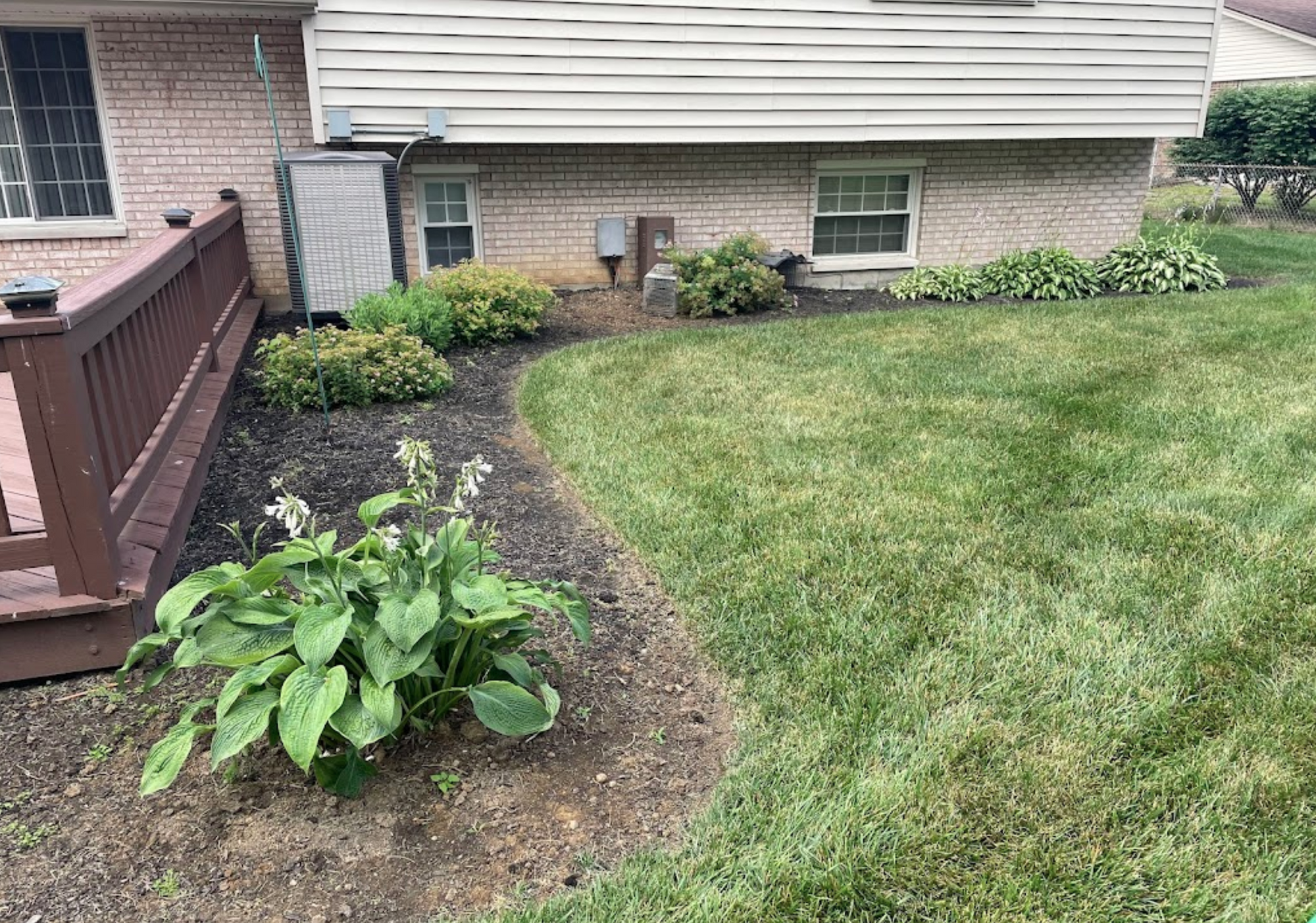
About this mulch

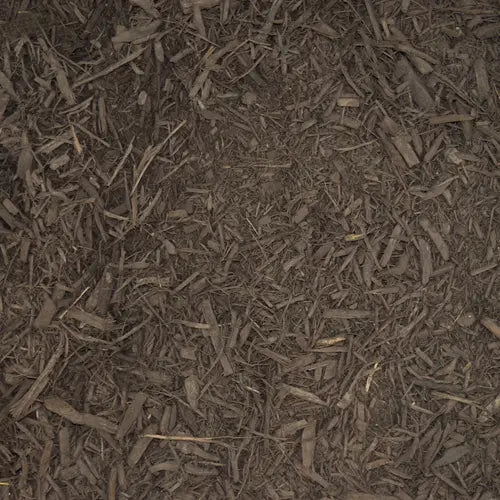
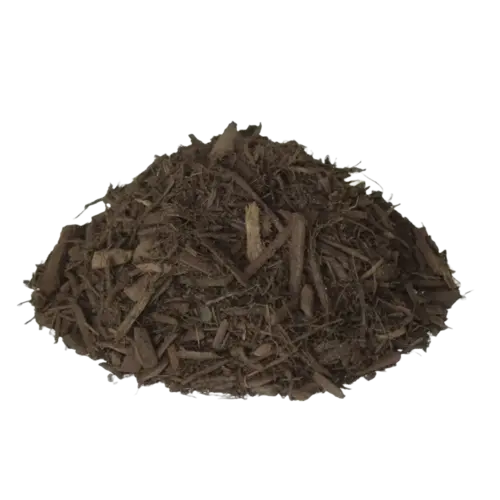
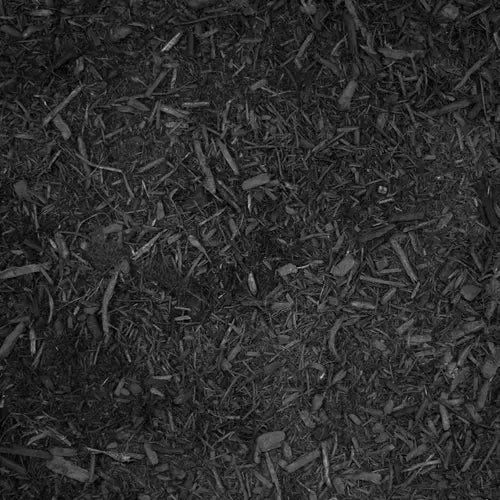
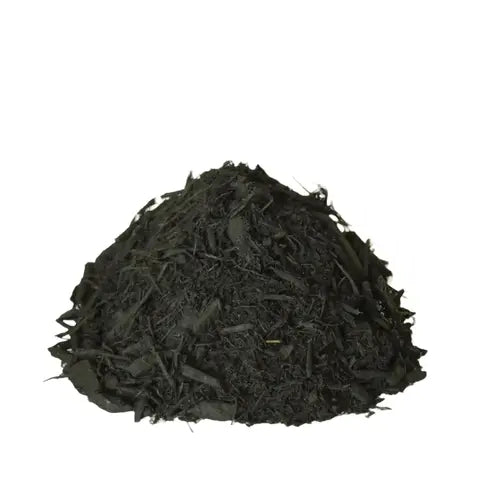
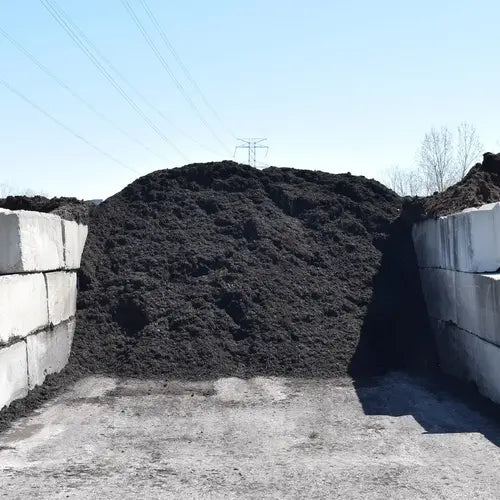
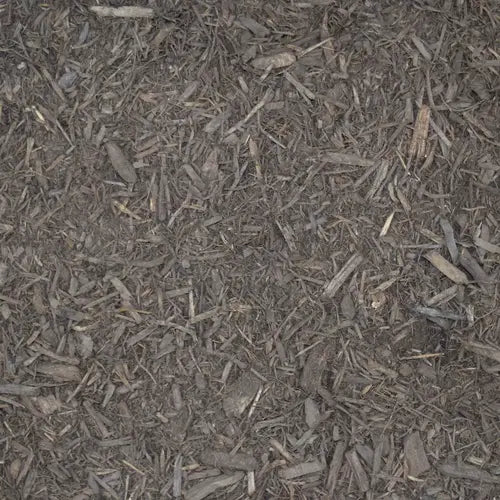
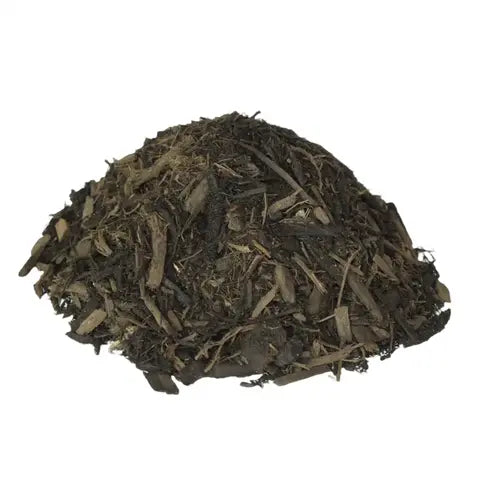
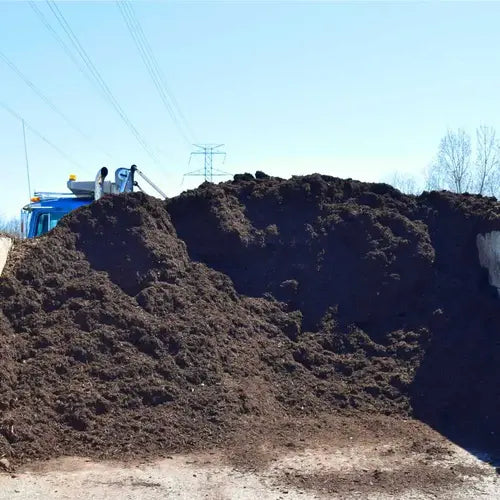
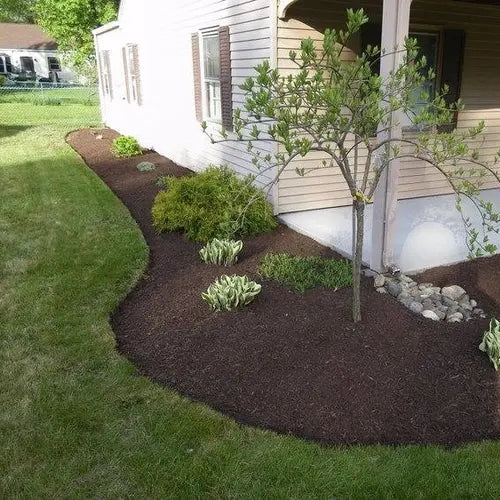
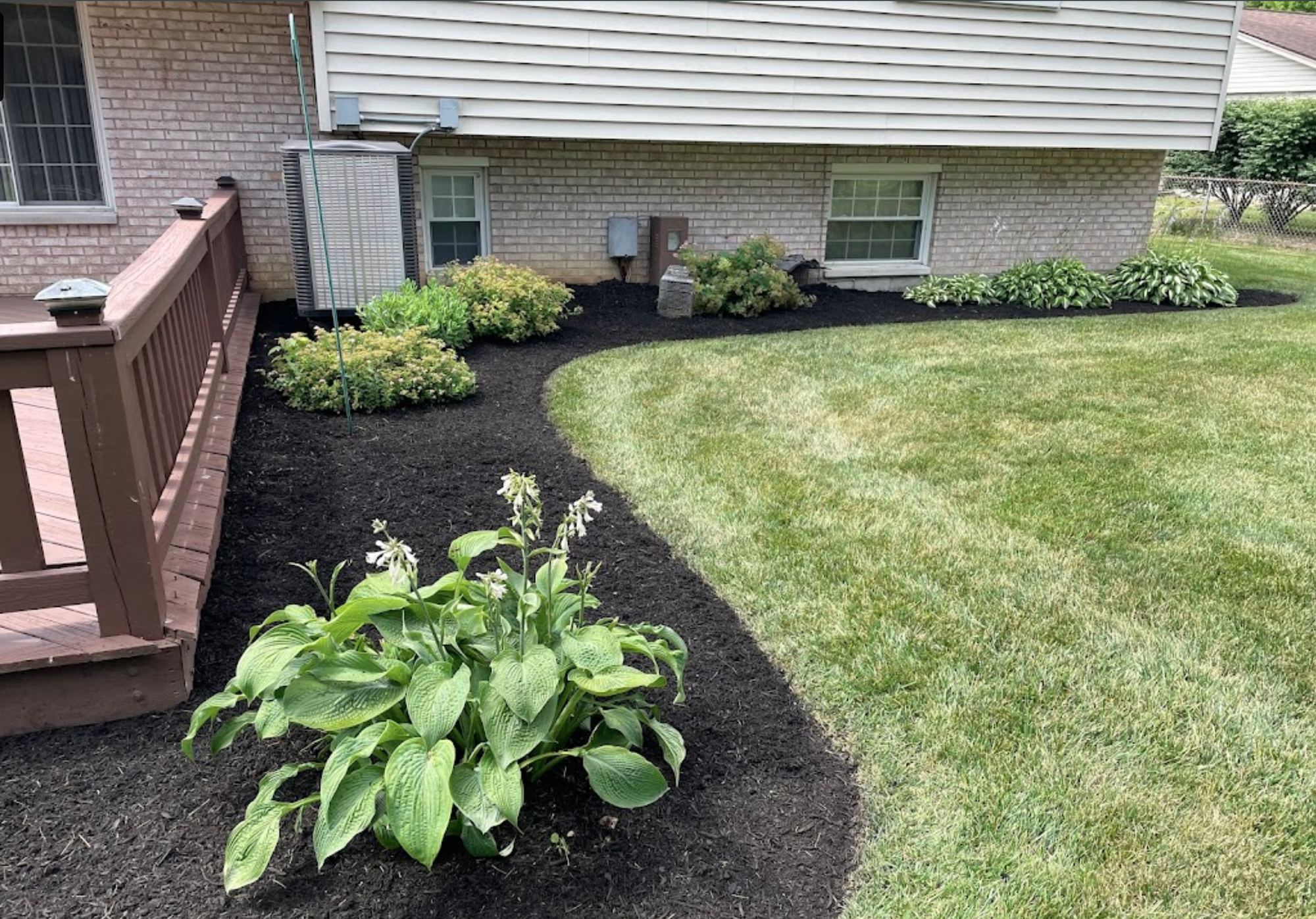
Double-shredded mulch dyed a rich, even brown that holds its color through the season.

Mulch Mound made it so easy! So happy with the pricing, turn around time, delivery and product. I submitted my online order on a Thursday. The mulch was delivered to the designated location by a local landscape company at 8:30 a.m. the following Saturday morning. We had the...

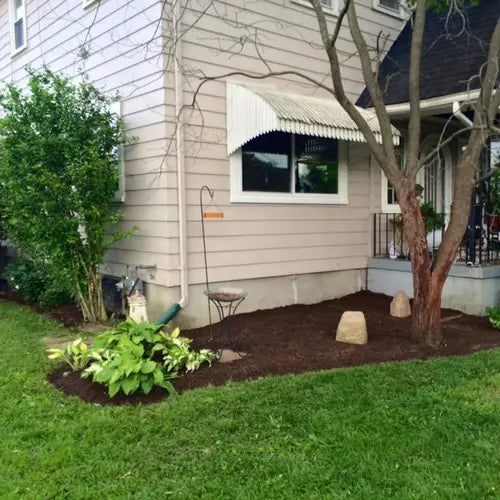
Plan for 3 to 4 inches of mulch over planting beds and at least 4 inches around the base of trees to provide real heat and moisture protection through an Elk Grove summer. One cubic yard covers approximately 100 square feet at a 3 inch depth, making it a reliable starting point for your calculations.
Use our free mulch calculator

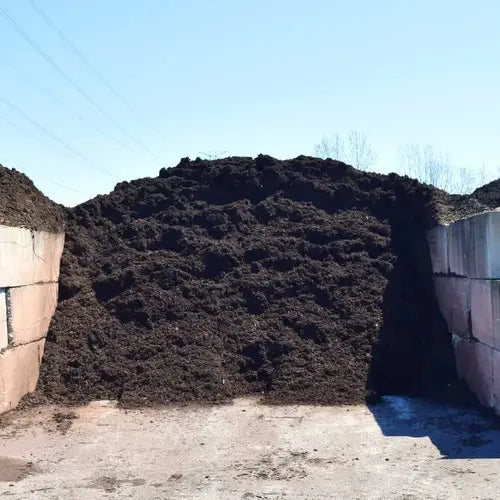
A yard is approximately 27 cubic feet. As a general guideline, one yard of material can cover an area of about 100-160 square feet at a 2-3 inch depth.

Elk Grove Mulch Delivery

Elk Grove Mulch Delivery

4.7
137 reviews
Regular price $55.00 per Yard
Regular price Sale price $55.00
Sale Sold out
Shipping calculated at checkout.
Color
Style
Hand-picked local yards
4,000+ regional deliveries
Dedicated support
Why order through Mulch Mound

The best local , without the guesswork.

We hand-pick and partner with the best yards in your region, keep only the ones our buyers rate well, and back each load with our guarantee.

Mulch Mound Guarantee

If your isn't the quantity or quality you ordered, we'll make it right.

About this mulch

Double-shredded mulch dyed a rich, even brown that holds its color through the season.

Mulch Mound made it so easy! So happy with the pricing, turn around time, delivery and product. I submitted my online order on a Thursday. The mulch was delivered to the designated location by a local landscape company at 8:30 a.m. the following Saturday morning. We had the...

Plan for 3 to 4 inches of mulch over planting beds and at least 4 inches around the base of trees to provide real heat and moisture protection through an Elk Grove summer. One cubic yard covers approximately 100 square feet at a 3 inch depth, making it a reliable starting point for your calculations.
Use our free mulch calculator

A yard is approximately 27 cubic feet. As a general guideline, one yard of material can cover an area of about 100-160 square feet at a 2-3 inch depth.

View full details

How It Works

Getting started is easy — just follow these simple steps

1

Choose your Mulch

Make sure you adjust the quantity to your home's needs. You can use our calculator to estimate how much you'll need.

2

Select your delivery date

Select a delivery date you'd like for the product to be dropped off at your home

3

Sit back and wait

Sit back, wait, and let us work our magic to make sure the highest quality product is delivered to your driveway.

What Elk Grove Customers Are Saying

4.7
out of 5 based on 137 reviews
Google Reviews

Calculate mulch for your Elk Grove project

For Elk Grove's type of soil, we recommend 2-3 inches for best weed suppression and moisture retention

Try Our Calculator
📍

Measure the length and width of each planting bed in feet, multiply those two numbers together to get square footage, then add up all your beds for a total area. Divide that total by 100 and multiply by the number of inches of depth you want, then divide by 12 to convert to cubic yards. Most Elk Grove homeowners underestimate their square footage by 20 percent or more, so always round up a quarter yard to avoid running short mid project.

Mulch vs. No Mulch: The Difference

Elk Grove's combination of intense summer heat and very low annual rainfall means organic mulch breaks down faster here than in cooler or wetter California regions, which is actually a benefit for your clay soil because that decomposition feeds the ground beneath. The trade off is that you will need to top off your beds more often than a homeowner in the Bay Area or foothills would. Understanding this cycle helps you budget for mulch as an annual maintenance item rather than a one time project.

Before image
After image
Slider handle
Before
After

Complete Your Outdoor Mulch Project

Pair your mulch order with a load of amendment soil to work into the top layer of your San Joaquin Clay beds before spreading the mulch on top. Building both layers at once gives your plants the best possible start in Elk Grove's challenging clay conditions.

Mulch Mound Pro Tip

In Elk Grove, the window between the last frost around February 25 and the first serious heat of late May is your prime mulching season. Spread your fresh mulch after the soil has warmed slightly but before daytime temperatures lock in above 90 degrees. Mulching too early in February can keep cold soil cold longer, which delays root activity on warm season plants. Waiting until March or early April hits that sweet spot for most Elk Grove yards.

Mulch Mound Pro Tip

San Joaquin Clay is notorious for forming a hard surface crust after irrigation, and that crust can actually prevent mulch from making full contact with the soil beneath it. Before laying fresh mulch, break up the top inch of your bed with a hand cultivator so the first rains and irrigation cycles can carry decomposing organic material directly into the clay. This small extra step accelerates the long term soil improvement that mulching provides.

Mulch Mound Pro Tip

Delta breezes from the Sacramento San Joaquin Delta move through the Elk Grove area on many summer evenings and can scatter lightweight mulch around your yard overnight. Gorilla hair and shredded hardwood mulches resist wind better than nugget or chip styles because the fibers knit together once they settle. If you have open or exposed beds near fence lines or the street, choosing a finer shredded product will save you from raking drifted mulch off your lawn every week.

Frequently Asked Questions

Click a question to see the answer

Answer

How thick should I spread mulch over my clay soil in Elk Grove?

For San Joaquin Clay, aim for a 3 to 4 inch layer across your planting beds. That depth is enough to slow evaporation during Elk Grove's 100 plus degree summer days without suffocating the roots of your plants. Keep the mulch pulled back a few inches from plant stems and tree trunks so moisture does not concentrate against the bark.

Answer

Will mulch actually help my clay soil improve over time?

Yes, and this is one of the best arguments for mulching in Elk Grove. As organic mulch breaks down over a season or two, it feeds beneficial microorganisms in the soil and slowly adds organic matter to the top layer of your clay. Over several years of consistent mulching, you will notice the surface becoming less prone to cracking in summer and draining a bit better after winter rains.

Answer

My yard gets full sun all afternoon in the summer. Will mulch really keep the soil cool enough to matter?

Research consistently shows that a 3 to 4 inch mulch layer can keep soil temperatures 10 to 25 degrees cooler than bare ground in direct sun. In Elk Grove, where afternoon soil surface temperatures on bare clay can exceed 130 degrees during July and August, that difference is the line between thriving roots and stressed, dying plants.

Answer

How often do I need to replenish mulch in this climate?

In Elk Grove's Zone 9b climate, organic mulch tends to break down faster than in cooler regions because the heat accelerates decomposition. Plan to add a fresh inch or two every spring before temperatures climb. A full refresh of the entire bed every one to two years will keep your depth in the protective range and continue building organic matter in your clay soil.

Answer

Is there a type of mulch that holds up better through the Elk Grove summer without fading or breaking down too fast?

Shredded hardwood and gorilla hair mulch both perform well in Central Valley heat because their fibrous texture locks the pieces together and resists blowing away during the hot Delta breezes that sometimes roll through in the evenings. Dyed mulches tend to hold their color reasonably well for one season but may fade by late August under intense direct sun. If longevity is your priority, undyed shredded hardwood is a dependable choice.

Answer

We only get about 18 inches of rain a year here. Should I mulch even my drought tolerant plants?

Absolutely. Even native and drought tolerant plants establish more quickly and stay healthier when their root zones are mulched. During the first two to three years after planting, roots are still expanding and benefit enormously from reduced soil temperature and moisture retention. Once plants are fully established, mulch still reduces your irrigation needs across the entire dry season.

Answer

I have a lot of oak trees in my yard. Can I use the fallen leaves as mulch or should I order wood mulch?

Oak leaves can be used as mulch but they break down slowly and can mat together when wet, which sometimes creates a barrier that water has trouble penetrating on clay soil. Shredded wood mulch from our bulk delivery will give you a more consistent layer that regulates moisture more reliably. If you want to use your oak leaves, run a mower over them first to shred them, then mix them into the wood mulch to add some organic diversity.

The Unique Landscape of Elk Grove

Elk Grove sits in the heart of the Sacramento Valley where summer temperatures regularly climb above 100 degrees and the soil beneath most yards is dense San Joaquin Clay that cracks deeply during the long dry season. Without a proper mulch layer, that clay surface bakes into a hard crust that sheds water instead of absorbing it, leaving plant roots parched even after irrigation. Elk Grove receives only about 18 inches of rainfall per year, nearly all of it concentrated between November and March, so the ground spends most of the year without natural moisture replenishment. A thick mulch blanket slows evaporation dramatically during the brutal June through September stretch, keeping root zones cooler and reducing how often you need to run your drip system. The relatively mild winters here, with the last frost typically arriving around February 25, mean your planting beds stay active for more of the year and need consistent protection from both heat and the occasional cold snap. Choosing the right mulch for Elk Grove is not a generic decision, it is a direct response to clay soil, extreme summer heat, and a rainfall pattern that demands every drop of water be conserved.