Good quality, great price, fast delivery. All online - no submitting forms and waiting for days for quotes. Getting mulch should be this easy from everyone. Only Mulch Mound is ACTUALLY this simple.
Tell us what you're looking for
Thanks! We received your request.
Something went wrong. Please try again.
How Much Material Do I Need?
Plan on 3 inches for most Ellensburg beds, which balances moisture retention against wind scatter, and 2 inches around shallow rooted perennials and new plantings. Around trees, hold the same 3 inches but keep a bare collar at the trunk.
Use our free mulch calculator
What is a yard?
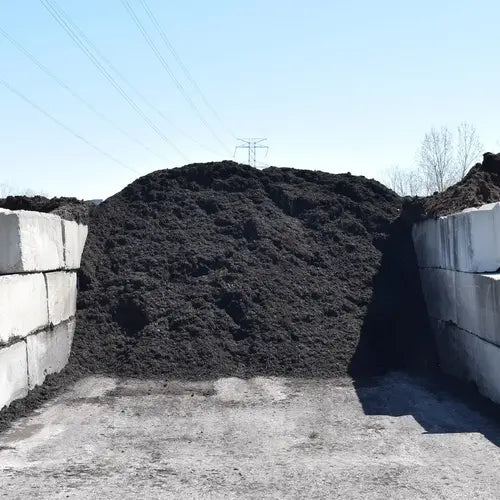
A yard is approximately 27 cubic feet. As a general guideline, one yard of material can cover an area of about 100-160 square feet at a 2-3 inch depth.
Good quality, great price, fast delivery. All online - no submitting forms and waiting for days for quotes. Getting mulch should be this easy from everyone. Only Mulch Mound is ACTUALLY this simple.
How Much Material Do I Need?
Plan on 3 inches for most Ellensburg beds, which balances moisture retention against wind scatter, and 2 inches around shallow rooted perennials and new plantings. Around trees, hold the same 3 inches but keep a bare collar at the trunk.
Use our free mulch calculator
What is a yard?
A yard is approximately 27 cubic feet. As a general guideline, one yard of material can cover an area of about 100-160 square feet at a 2-3 inch depth.
Good quality, great price, fast delivery. All online - no submitting forms and waiting for days for quotes. Getting mulch should be this easy fr...
Read full review
Good quality, great price, fast delivery. All online - no submitting forms and waiting for days for quotes. Getting mulch should be this easy from everyone. Only Mulch Mound is ACTUALLY this simple.
I highly recommend Mulch Mound. The quality of the mulch is very good. The ordering system on their website makes it very easy. The delivery driver...
Read full review
I highly recommend Mulch Mound. The quality of the mulch is very good. The ordering system on their website makes it very easy. The delivery driver did a great job placing the mulch on the driveway. To finish off, the pricing was very reasonable as well.
They offered a quick turnaround and delivered high quality mulch at a reasonable price. They also dropped it off exactly where I told them to put i...
Read full review
They offered a quick turnaround and delivered high quality mulch at a reasonable price. They also dropped it off exactly where I told them to put it. Good service!
Measure each bed separately, since curved Ellensburg landscape beds rarely form one clean rectangle. Multiply length by width for square footage, then use the calculator to convert to cubic yards at your chosen depth. One cubic yard covers about 108 square feet at 3 inches, which is the depth most Kittitas Valley beds need for wind and evaporation control.
Mulch vs. No Mulch: The Difference
Ellensburg's 9 inches of annual rainfall and low humidity slow microbial breakdown dramatically compared with wetter parts of Washington, so mulch here fades from UV exposure long before it actually decomposes. That means natural, undyed mulch may look gray in a single hot season even while it is still structurally intact. Understanding that difference helps you decide whether you are buying color or buying soil building organic matter.
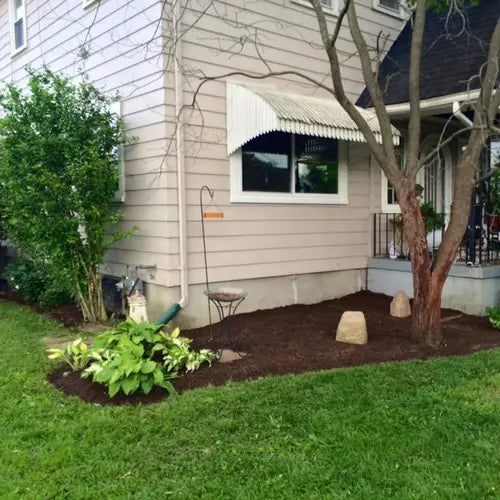
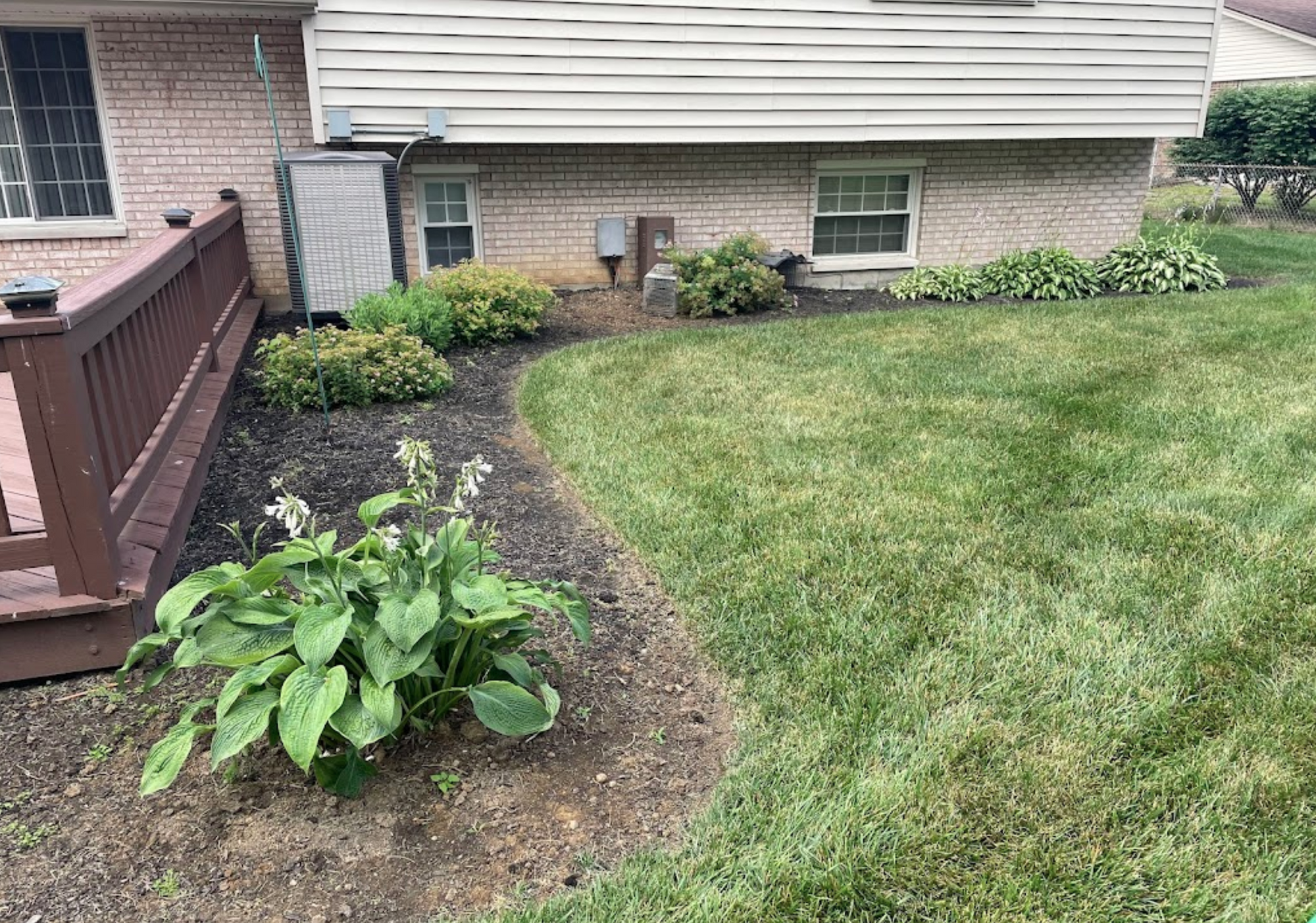
Before
After
Best Mulch Choice for Ellensburg Lawns
Most yards in the Ellensburg area sit on type of soil. Ellensburg's silt loam holds moisture reasonably well but seals over into a tight crust when it dries, so water beads and runs off instead of soaking into plant beds. That crusting also restricts oxygen to roots and makes the surface hard to plant into by midsummer.
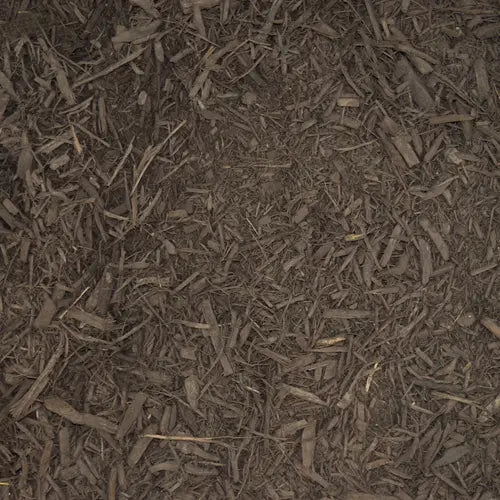
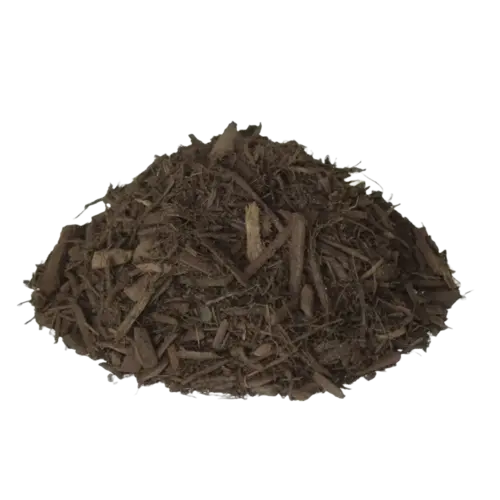
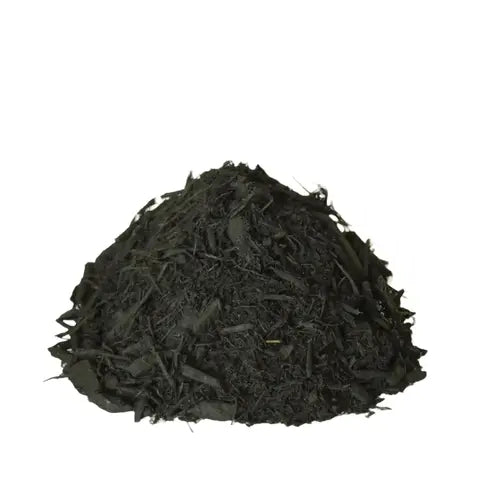
Hardwood Mulch
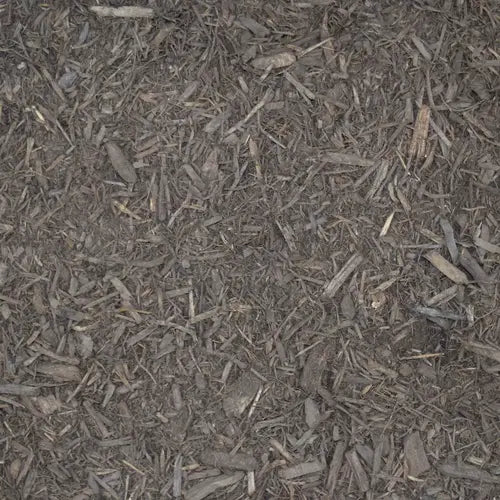
Coarse hardwood mulch keeps the silt loam surface soft and open by absorbing the impact of irrigation and blocking direct sun, so water infiltrates instead of sheeting off. As the bottom layer slowly breaks down, it feeds soil life that builds structure and improves both drainage and moisture holding in that fine textured soil.
Complete Your Outdoor Mulch Project
Pair your mulch with a few yards of compost or garden blend soil to amend the silt loam underneath before you cover it, and add decorative stone for pathways and drip lines where wind exposure is worst.
Water your beds thoroughly the day before mulch arrives. Ellensburg silt loam gets a hard, dusty crust after a dry stretch, and dry mulch spread over dry soil takes forever to wet through afterward. Pre moistening lets the first irrigation cycle carry through instead of sitting on top. It also knocks down dust while you are raking, which makes for a far more pleasant afternoon in the valley wind.
Mulch Mound Pro Tip
Build a shallow saucer, not a mound. Because our region gets so little natural rainfall, every irrigation cycle counts, and a slight depression around each shrub holds water where the roots are instead of letting it run off across compacted silt loam. Keep the mulch level within that saucer at 3 inches and pull it an inch or two away from stems so crowns stay dry and rodents lack cover.
Mulch Mound Pro Tip
Schedule your fall top dress right after the September 25 first frost date. Perennials have gone dormant, weed pressure has dropped, and you still have workable ground before the ground stiffens. That October layer is what carries your plants through Ellensburg's cold, snow poor winters by damping freeze thaw cycles in the soil. Come April, simply rake the layer smooth rather than adding a full second application.
Frequently Asked Questions
Click a question to see the answer
Answer
Will the Kittitas Valley wind blow my mulch out of the beds?
Fine, dry, dusty mulch absolutely will move in Ellensburg, especially on open lots and along fence lines that funnel the afternoon wind. Choose a coarse or double ground hardwood with interlocking fibers, keep the depth at 3 inches rather than piling it high, and water the surface once after spreading so the pieces knit together. Edging your beds an inch below the surrounding grade also gives the wind less to grab.
Answer
How much irrigation water does mulch actually save here?
With only about 9 inches of annual rain and hot, dry July and August stretches, bare silt loam in Ellensburg can lose a startling share of applied water to evaporation. A steady 3 inch mulch layer commonly lets homeowners drop one irrigation cycle a week in midsummer while keeping the root zone more evenly moist. That matters most on drip zones where every gallon is metered and on south facing beds along Main Street style exposures.
Answer
When should I mulch given our May 12 last frost?
The sweet spot is late April into mid May, once the soil has warmed but before the summer heat arrives. If you mulch too early over cold, wet silt loam, you slow soil warming and delay perennials. If you wait until June, you have already lost weeks of moisture to evaporation. Many Ellensburg gardeners do a light spring refresh in May and a second protective top up in early October after the September 25 first frost.
Answer
Does mulch help my plants survive Ellensburg winters?
Yes, and it is often overlooked. Zone 6b winters here bring cold, dry air with thin and inconsistent snow cover, so freeze thaw cycles can heave shallow rooted perennials right out of silt loam. A 3 inch mulch layer applied in October moderates soil temperature swings and reduces heaving. Pull it back slightly from crowns and trunks in spring so the plant can dry and warm.
Answer
Will mulch make my weed problem worse or better?
Better, if you install it correctly. Cheatgrass, kochia, and puncturevine are the usual offenders around Kittitas County, and they germinate in bare, sun baked soil. A consistent 3 inch layer blocks the light those seeds need. Pull existing weeds first, avoid spreading mulch thin enough to see soil through it, and refresh the surface each spring because our intense summer sun degrades the top inch quickly.
Answer
How often will I need to reapply with our dry climate?
Ellensburg's low rainfall actually slows biological breakdown compared to the west side of the Cascades, so mulch lasts longer here. Expect a coarse hardwood to hold shape for two to three years, with an annual half inch to one inch top dress to restore color and depth after UV fading. Beds under continuous drip run break down faster because that pocket of moisture speeds decomposition.
Answer
Can I put mulch right up against my house foundation?
Keep mulch a few inches back from siding and maintain a small gap at the foundation. In a dry valley like ours the concern is less about rot and more about giving voles and insects a covered runway against the wall. Also keep it clear of irrigation valve boxes and sprinkler heads, since a buried head in silt loam is a headache to find come July.
The Unique Landscape of Ellensburg
Ellensburg sits in the rain shadow of the Cascades with roughly 9 inches of precipitation a year, so almost every drop of water your beds get comes from an irrigation line or a hose. Mulch is the cheapest insurance against that reality, cutting evaporation from bare silt loam that can crust and shed water under the Kittitas Valley wind. At 1565 feet in zone 6b, beds also swing from 95 degree July afternoons to single digit January nights, and a mulch blanket buffers both extremes. The valley wind is the other factor few new residents plan for, since fine, dusty materials simply blow into the neighbor's yard by March. Choosing a coarser, heavier mulch and holding it at the right depth keeps your soil covered, your water bill sane, and your plants alive through a short season that runs from about May 12 to September 25.