About this soil

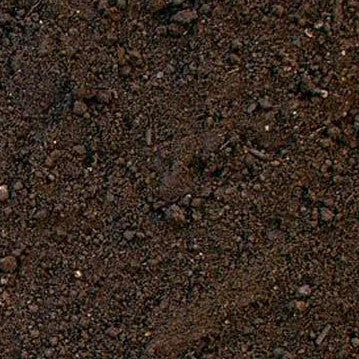
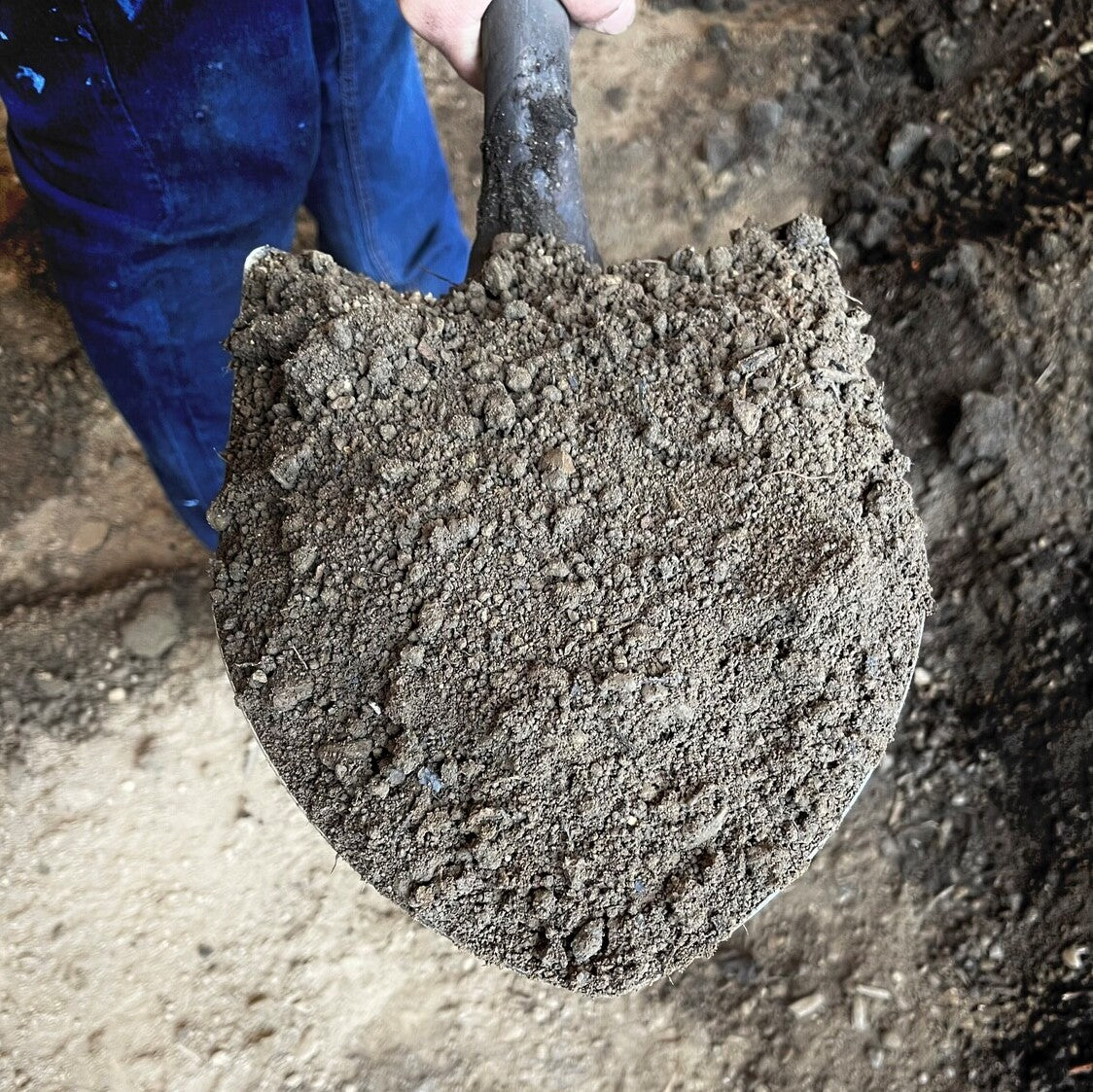
Screened topsoil with a fine, even texture. Ideal for new lawns, sod prep, and raised garden beds.

Ordered the planting mix with an early Saturday delivery. Super easy ordering experience. Dirt was delivered on time and delivery driver was kind enough to let us know I would take up more room than we though so we could pull cars out of the garage. Will be ordering again

Figure 3 inches of compost or garden mix tilled into existing beds, or 12 to 18 inches of fill for a new raised bed. One cubic yard covers roughly 108 square feet at 3 inches deep.
Use our free soil calculator

A yard is approximately 27 cubic feet. As a general guideline, one yard of material can cover an area of about 100-160 square feet at a 2-3 inch depth.

Fortuna Foothills Soil Delivery

Fortuna Foothills Soil Delivery

4.7
137 reviews
Regular price $64.00 per Yard
Regular price Sale price $64.00
Sale Sold out
Shipping calculated at checkout.
Type
Style
Hand-picked local yards
4,000+ regional deliveries
Dedicated support
Why order through Mulch Mound

The best local , without the guesswork.

We hand-pick and partner with the best yards in your region, keep only the ones our buyers rate well, and back each load with our guarantee.

Mulch Mound Guarantee

If your isn't the quantity or quality you ordered, we'll make it right.

About this soil

Screened topsoil with a fine, even texture. Ideal for new lawns, sod prep, and raised garden beds.

Ordered the planting mix with an early Saturday delivery. Super easy ordering experience. Dirt was delivered on time and delivery driver was kind enough to let us know I would take up more room than we though so we could pull cars out of the garage. Will be ordering again

Figure 3 inches of compost or garden mix tilled into existing beds, or 12 to 18 inches of fill for a new raised bed. One cubic yard covers roughly 108 square feet at 3 inches deep.
Use our free soil calculator

A yard is approximately 27 cubic feet. As a general guideline, one yard of material can cover an area of about 100-160 square feet at a 2-3 inch depth.

View full details

How It Works

Getting started is easy — just follow these simple steps

1

Choose your soil

Make sure you adjust the quantity to your home's needs. You can use our calculator to estimate how much you'll need.

2

Select your delivery date

Select a delivery date you'd like for the product to be dropped off at your home

3

Sit back and wait

Sit back, wait, and let us work our magic to make sure the highest quality product is delivered to your driveway.

What Fortuna Foothills Customers Like About Our Soil

4.7
out of 5 based on 137 reviews
Google Reviews

Need Help Calculating How Much Soil You Need?

Use our NEW Trace from Satellite tool to get an estimate for your project based on an aerial view of your property

Try Our Calculator
📍

For beds and level fill, measure length and width in feet and decide your depth in inches before you calculate. Raised beds are simplest, just measure the inside dimensions and the fill height. Remember that soil compacts noticeably after the first few waterings, so ordering ten percent extra usually leaves you right where you want to be rather than short.

Complete Your Outdoor Soil Project

Most soil orders here pair well with a load of mulch to cap the beds and hold moisture in, plus compost if you are amending rather than filling. Decorative rock finishes the surrounding pathways and keeps sand from tracking into the new planting areas.

Map of the soil delivery area around Fortuna Foothills, Arizona

Service area

Areas we deliver soil in Fortuna Foothills, Arizona

Frequently Asked Questions

Click a question to see the answer

Answer

Do I need to replace my native soil or just amend it?

For most Fortuna Foothills yards, amending is enough. Your sandy loam already drains well, which is half the battle. Blending 2 to 3 inches of compost into the top 8 inches gives you water holding capacity and nutrition without hauling out the native ground. Full replacement only makes sense where you hit caliche or a construction fill layer that will not support roots.

Answer

What do I do if I hit caliche while digging?

Caliche is common across the foothills and it will not let water through. If the layer is only a few inches thick, break through it with a bar or a rented auger so water can drain past. If it is deep and continuous, build up instead of down with a raised bed or a mounded planting area of imported soil. Never plant a tree in a caliche bowl, because it will hold water against the roots.

Answer

How deep should soil be for a raised vegetable bed here?

Twelve to eighteen inches of good garden mix is ideal for Fortuna Foothills. That depth gives roots enough insulated volume to stay cool through summer and holds moisture long enough that you are not running drip three times a day. Shallow beds of six or eight inches heat through completely in June and July and stress most vegetables badly.

Answer

Will imported soil fix my alkaline pH problem?

It helps, but our irrigation water is also alkaline and mineral heavy, so pH will drift back up over time. A compost rich blend buffers the soil and keeps micronutrients like iron available longer. For acid loving plants such as citrus showing yellow leaves, plan on periodic soil sulfur or chelated iron in addition to the good soil.

Answer

When is the best time to install new soil in Fortuna Foothills?

October through March is the sweet spot. The working conditions are pleasant, and any planting you do afterward gets a long cool establishment period before the first serious heat in May. You can install soil in summer if a project demands it, just water it in immediately so it does not dry into a dusty layer that repels water.

Answer

How much soil do I need to level a low spot in my yard?

Measure the length and width of the depression and estimate the average depth in inches, then run those numbers through the calculator. A common Fortuna Foothills situation is settling around a patio or a former trench line, and those usually take between one and three cubic yards. Overfill slightly, because fresh soil settles about ten to fifteen percent after a few irrigation cycles.

Answer

Can I use topsoil to grow grass in this climate?

Yes, and you will want at least 4 inches of screened topsoil over your native sandy loam if you are seeding or laying sod. Bermuda is the practical warm season choice at this elevation, and it roots into amended soil quickly. Without that soil layer, the native sand drains so fast that new grass needs watering multiple times a day just to survive establishment.

Mulch Mound Pro Tip

Blend imported soil into your native sandy loam rather than layering it on top. A sharp boundary between two different textures creates what soil scientists call a perched water table, where water hangs up at the interface instead of moving through. Turn the bottom few inches of new soil into the existing ground with a fork or tiller. Roots will cross the transition freely and your drainage stays even throughout the profile.

Mulch Mound Pro Tip

Wet new soil deeply and repeatedly during the first week. Dry compost and peat based blends can become hydrophobic in Fortuna Foothills air, meaning water beads and runs off instead of soaking in. Several slow soakings rather than one heavy blast will fully rehydrate the material. Once it has taken on water the first time, it behaves normally and holds moisture the way it should for the rest of the season.

Mulch Mound Pro Tip

Keep a soil probe or even a long screwdriver by the back door. Push it into a bed after watering and see how far it slides before hitting resistance. In amended sandy loam it should move easily eight to twelve inches. If it stops at three, either you are underwatering or you have hit a caliche layer. This thirty second check tells you more about your irrigation than any timer setting.

The Unique Landscape of Fortuna Foothills

The native ground across Fortuna Foothills is sandy loam over old Gila River terrace deposits, and while it drains fast enough that you almost never worry about standing water, it holds very little of what plants actually need. Organic matter in desert soils here typically sits under one percent, compared to four or five percent in a productive garden soil, so nutrients and water both move straight past the roots. Add in a caliche layer that shows up at varying depths across the foothills and a pH that runs alkaline, and you have ground that fights most non native plants. Bringing in quality screened topsoil, garden mix, or compost is how homeowners here build a root zone that actually functions, whether for raised beds, new turf, or leveling a low spot in the yard. At 345 feet with a Zone 10a growing season that never really stops, amended soil pays you back nearly year round.