




About this mulch

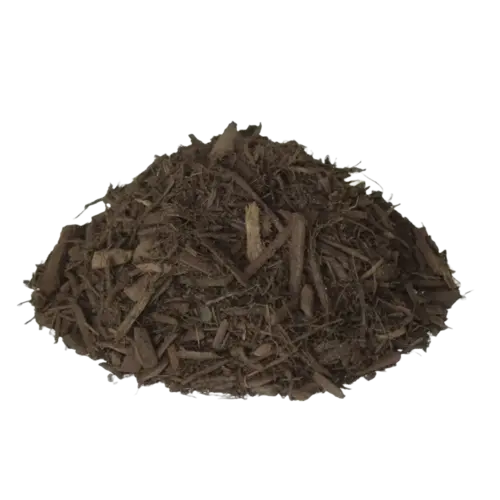
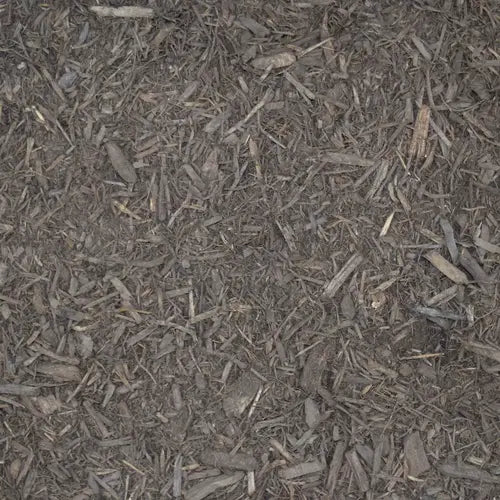
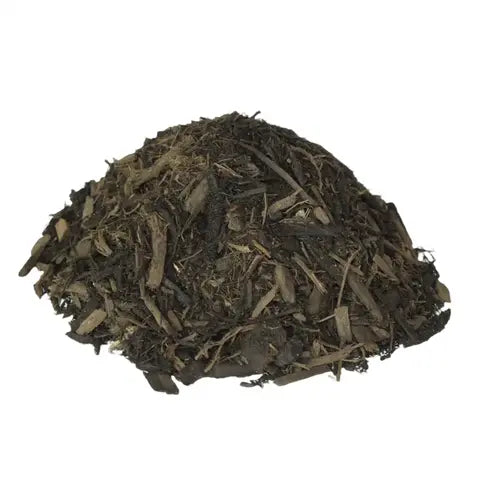
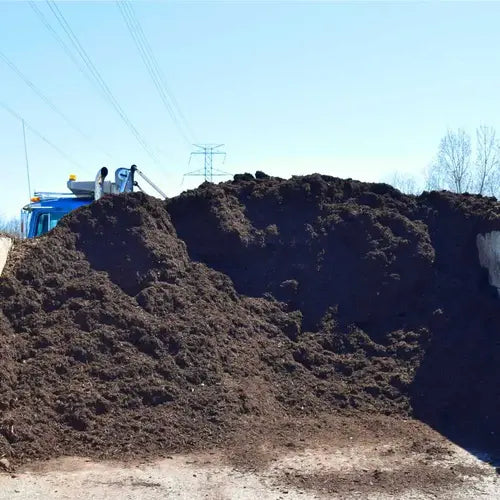
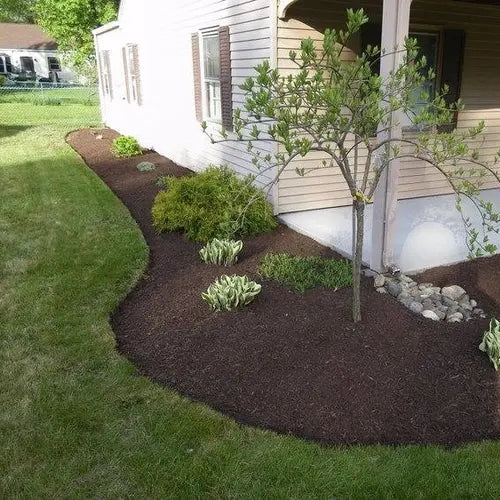
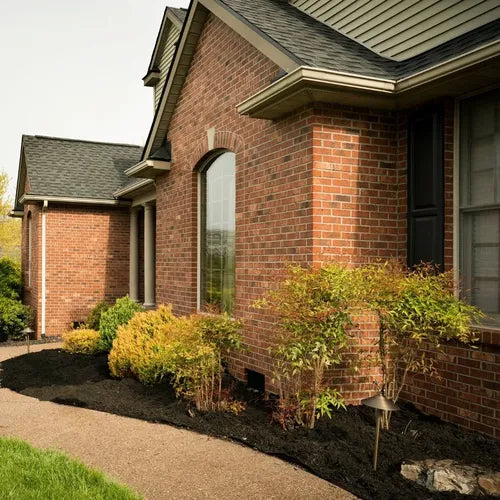
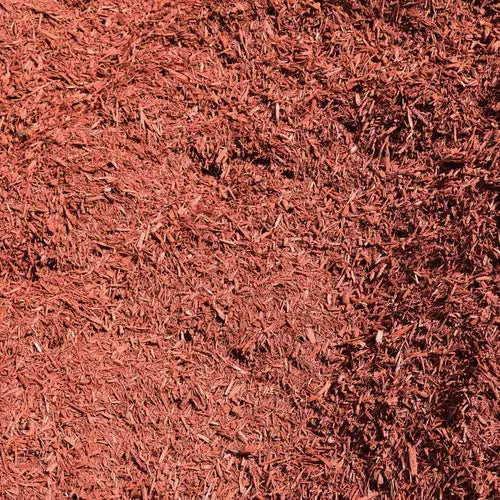
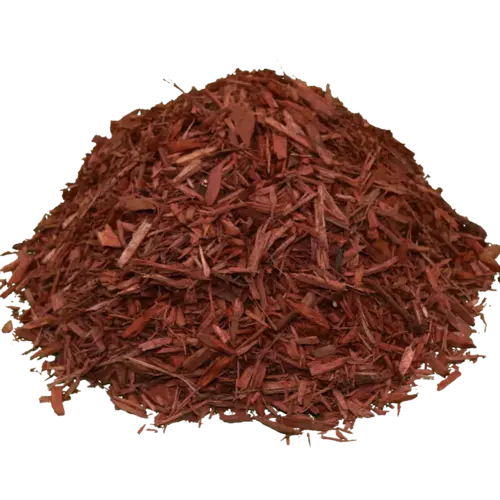
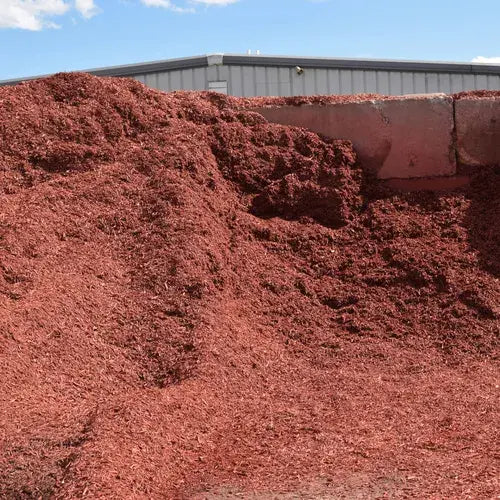
Double-shredded mulch dyed a rich, even brown that holds its color through the season.

UPDATE!

I can’t say enough good things about Mulch Mound! If you read my review below you will see I had a problem with my order. Mulch Mound was quick to respond and solved the issue with my delivery. Will definitely be a customer next year.

First time purchase...

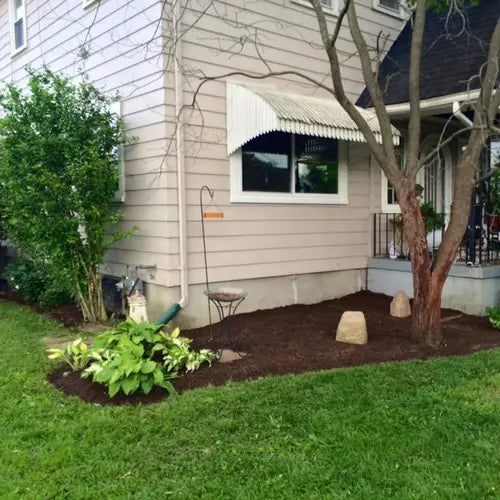
Plan on 3 inches of mulch for established Franklin beds and 2 inches around shallow rooted azaleas, hydrangeas, and anything planted within the last year. One cubic yard covers about 108 square feet at 3 inches.
Use our free mulch calculator

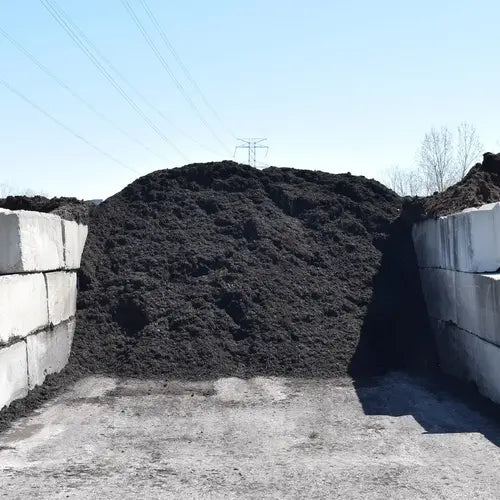
A yard is approximately 27 cubic feet. As a general guideline, one yard of material can cover an area of about 100-160 square feet at a 2-3 inch depth.

Franklin Mulch Delivery

Franklin Mulch Delivery

4.7
137 reviews
Regular price $55.00 per Yard
Regular price Sale price $55.00
Sale Sold out
Shipping calculated at checkout.
Color
Style
Hand-picked local yards
4,000+ regional deliveries
Dedicated support
Why order through Mulch Mound

The best local , without the guesswork.

We hand-pick and partner with the best yards in your region, keep only the ones our buyers rate well, and back each load with our guarantee.

Mulch Mound Guarantee

If your isn't the quantity or quality you ordered, we'll make it right.

About this mulch

Double-shredded mulch dyed a rich, even brown that holds its color through the season.

UPDATE!

I can’t say enough good things about Mulch Mound! If you read my review below you will see I had a problem with my order. Mulch Mound was quick to respond and solved the issue with my delivery. Will definitely be a customer next year.

First time purchase...

Plan on 3 inches of mulch for established Franklin beds and 2 inches around shallow rooted azaleas, hydrangeas, and anything planted within the last year. One cubic yard covers about 108 square feet at 3 inches.
Use our free mulch calculator

A yard is approximately 27 cubic feet. As a general guideline, one yard of material can cover an area of about 100-160 square feet at a 2-3 inch depth.

View full details

How It Works

Getting started is easy — just follow these simple steps

1

Choose your Mulch

Make sure you adjust the quantity to your home's needs. You can use our calculator to estimate how much you'll need.

2

Select your delivery date

Select a delivery date you'd like for the product to be dropped off at your home

3

Sit back and wait

Sit back, wait, and let us work our magic to make sure the highest quality product is delivered to your driveway.

What Franklin Customers Are Saying

4.7
out of 5 based on 137 reviews
Google Reviews

Calculate mulch for your Franklin project

For Franklin's type of soil, we recommend 2-3 inches for best weed suppression and moisture retention

Try Our Calculator
📍

Measure each bed separately rather than guessing at the whole yard, since Franklin properties often mix a deep foundation bed with narrow strips along walks and driveways. For curved beds, average the widest and narrowest points and multiply by the length. Add about 10 percent to your total to cover settling and the low spots that show up once you start raking.

Mulch vs. No Mulch: The Difference

Franklin's combination of 52 inches of annual rainfall, humid zone 7b summers, and a long frost free window from April 10 to October 26 creates near ideal conditions for decomposition. Organic mulches here break down noticeably faster than they would in a drier climate, which is a benefit for your soil and a cost you plan around each spring. Non organic options like river rock and crushed stone never break down, so they hold their look through our storms but give nothing back to the silt loam underneath.

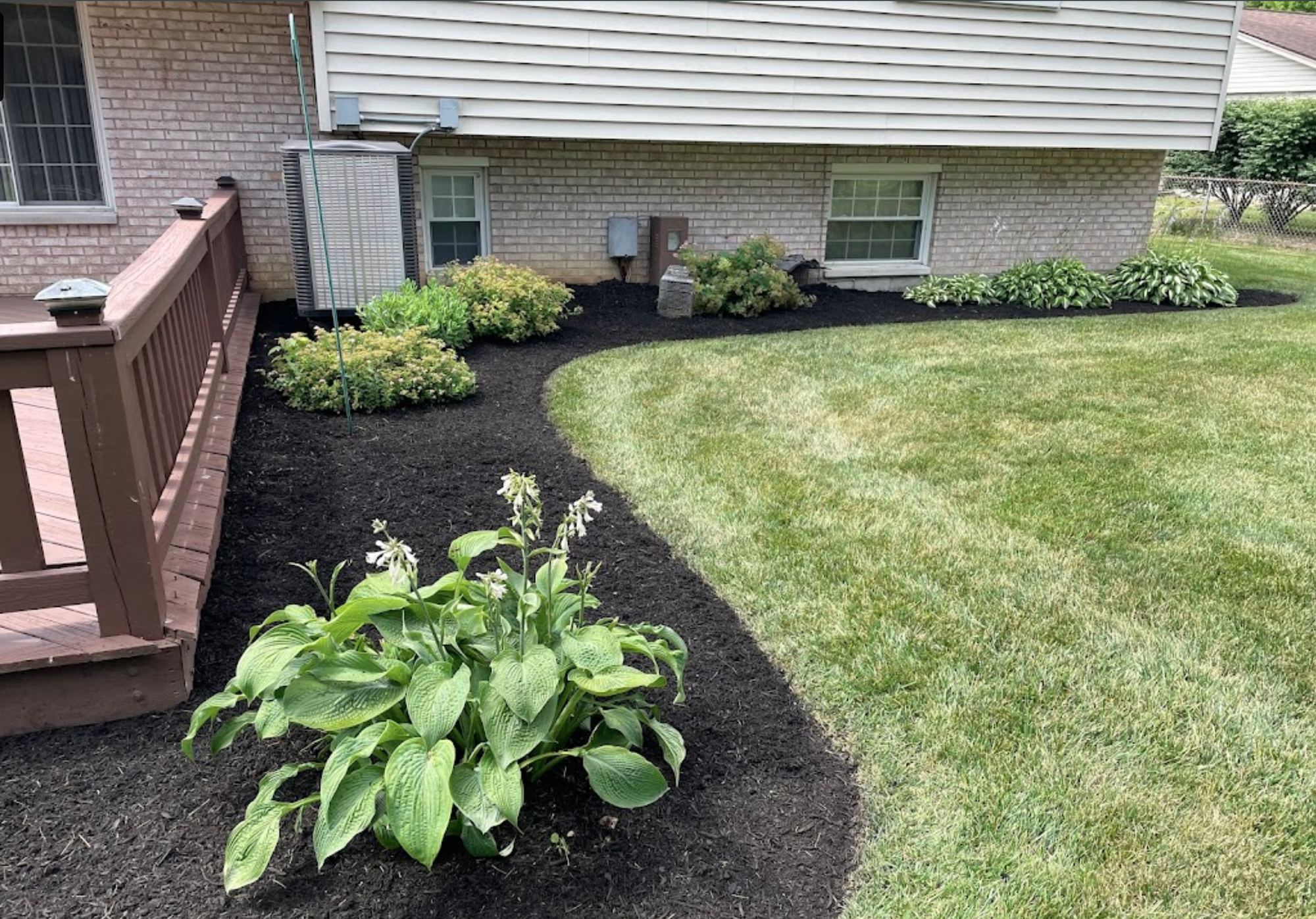
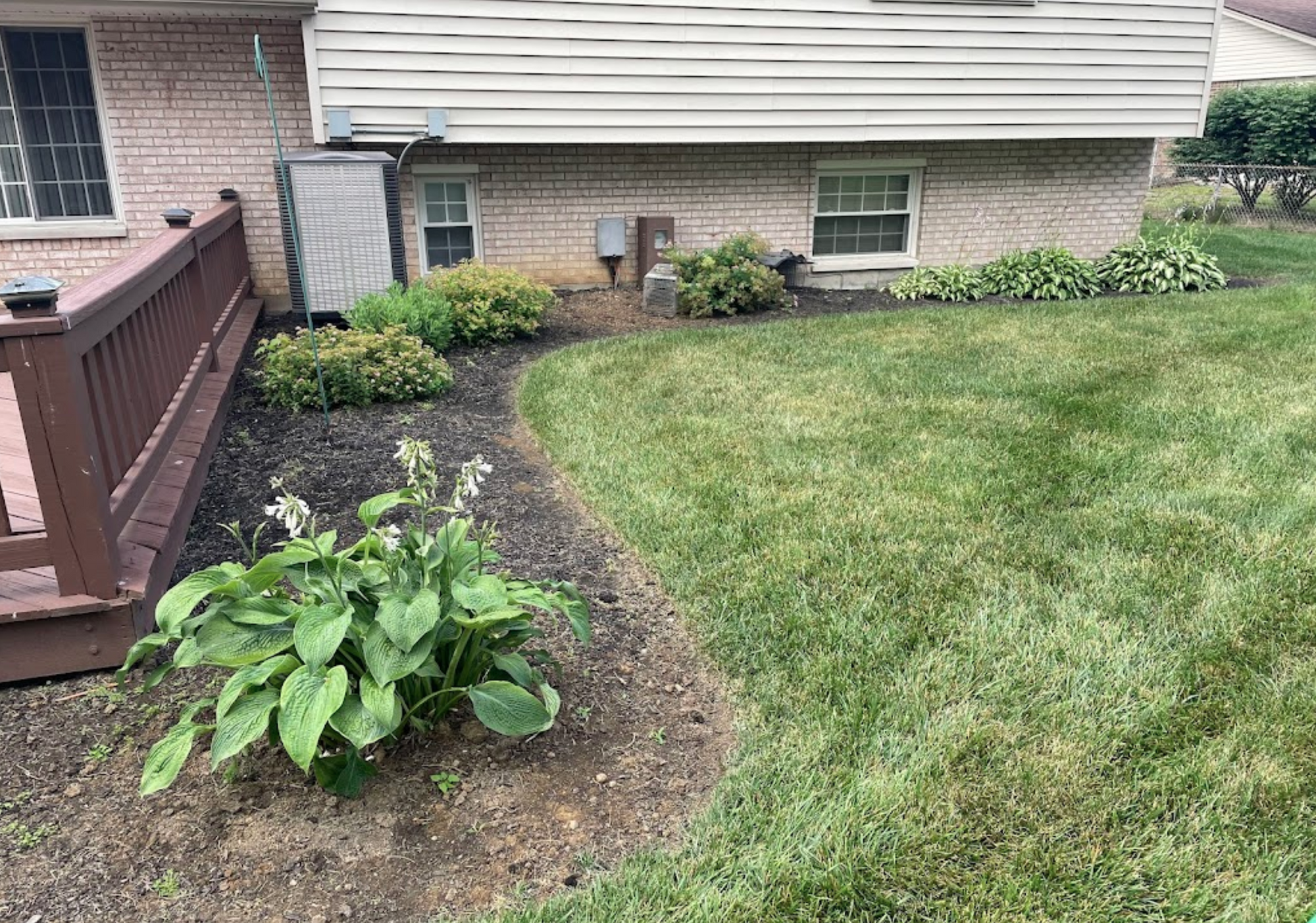
Before image
After image
Slider handle
Before
After

Complete Your Outdoor Mulch Project

Most Franklin customers pair mulch with a few yards of garden soil to rebuild bed grade before spreading, and with river rock or crushed stone for the downspout runouts that take the worst of our 52 inches of rain. Steel or stone edging keeps the mulch in the bed when storms roll through.

Map of the mulch delivery area around Franklin, Tennessee

Service area

Areas we deliver mulch in Franklin, Tennessee

Mulch Mound Pro Tip

Water your beds thoroughly the day before mulching if Franklin has been through a dry stretch. Silt loam that has dried and crusted will shed the first rain right off the new mulch instead of taking it in, and you can lose a week of root moisture. Wet soil first, then mulch over it, and the layer locks that moisture in through the hot spell rather than sitting on top of hard ground.

Mulch Mound Pro Tip

Never pile mulch against trunks. Volcano mulching is everywhere in Franklin subdivisions, and in our humid summers that wet collar rots bark and invites borers on maples and crapes. Pull the mulch back into a shallow donut so you can see the root flare at the base of every tree. The flare should be visible year round. If you cannot see where trunk becomes root, you have too much material stacked there.

Mulch Mound Pro Tip

Time your fall refresh for early to mid October, ahead of Franklin's October 26 average first frost. A fresh inch going into winter buffers the freeze and thaw swings we get at 643 feet, which are just severe enough to heave newly planted perennials right out of silt loam. It also gives the material all winter to begin breaking down, so by the time April planting arrives the beds are already softer and easier to work.

Frequently Asked Questions

Click a question to see the answer

Answer

When is the best time to mulch in Franklin?

Mid to late April is the sweet spot. Waiting until after the April 10 average last frost lets the soil warm up first, so you are not trapping cold in beds that need to wake up. Mulching too early in a wet Franklin March also seals in saturated soil and slows root growth. A second light refresh in September helps beds head into the October 26 first frost with insulation intact.

Answer

How fast does mulch break down here with 52 inches of rain?

Faster than in drier parts of the country. Franklin's rainfall plus warm humid summers speeds microbial activity, so a single ground hardwood mulch can lose noticeable depth in ten to twelve months. Double ground hardwood typically holds a usable layer for a full season, and most Franklin homeowners top dress about an inch each spring rather than starting over.

Answer

Will mulch help with the runoff coming off my sloped yard?

Yes, and it matters a lot on the rolling ground common around Franklin. Silt loam particles are light and travel easily in moving water. A coarse double ground hardwood knits together and slows sheet flow far better than fine or fluffy material. On steeper grades, pair the mulch with a shallow trenched edge so water gets redirected instead of running straight through the bed.

Answer

Do I need to pull last year's mulch out before adding new?

Usually not in Franklin. Because our rain and humidity break material down quickly, last year's layer has often composted into something your silt loam actively wants. Just rake it to break up any crust, check that you are not already over 3 inches deep at the stems, and top dress from there. Only remove old material if it has matted into a water shedding layer.

Answer

Which mulch color holds up best in Tennessee sun?

Brown and black dyed hardwood both fade somewhat by August under Franklin's long summer sun, with black showing the change most in full exposure. Natural double ground hardwood grays gradually and looks intentional as it does. If you have a full sun front bed off a south facing Franklin driveway, brown dyed mulch tends to keep an acceptable look the longest.

Answer

Is mulch going to bring termites near my Franklin home?

Mulch itself does not attract termites, but middle Tennessee has active subterranean termite pressure and constant moisture against siding is the real risk. Keep mulch pulled back about 6 inches from your foundation and hold the depth to 2 inches in that band. That gap dries out between our rains and removes the conditions termites want.

Answer

How many yards do I need for a typical Franklin front bed?

A common Franklin front foundation bed runs about 250 to 400 square feet. At 3 inches deep that is roughly 2.5 to 3.7 cubic yards. Measure length times width for each bed section, add them, and divide by 108 for a 3 inch depth. Round up, because settling and the odd bare spot always take more than the math suggests.

The Unique Landscape of Franklin

Franklin sits in growing zone 7b with roughly 52 inches of rain a year, and most of that arrives in heavy spring and late winter downpours that pound bare beds along Cool Springs and out toward Leiper's Fork. Our native silt loam holds moisture well but crusts over and sheets water off when it is left exposed, which is how so many Williamson County beds end up with washed out edges after a single March storm. A 3 inch mulch layer absorbs that impact, keeps the silt in place, and holds summer soil temperatures down when July heat settles into the Harpeth River valley. Mulch also buys you time on the long shoulder seasons here, since the stretch between the April 10 last frost and the October 26 first frost gives weeds nearly seven months to compete with your plantings. At 643 feet of elevation, Franklin gets just enough winter freeze and thaw cycling to heave shallow rooted shrubs, and a maintained mulch blanket steadies the soil through it. Put simply, mulch is the cheapest insurance a Franklin bed can carry.