





I needed 3 yards of top soil and that's what I got! Right on time and right where I asked it to be placed (Order# 2041).
About this soil
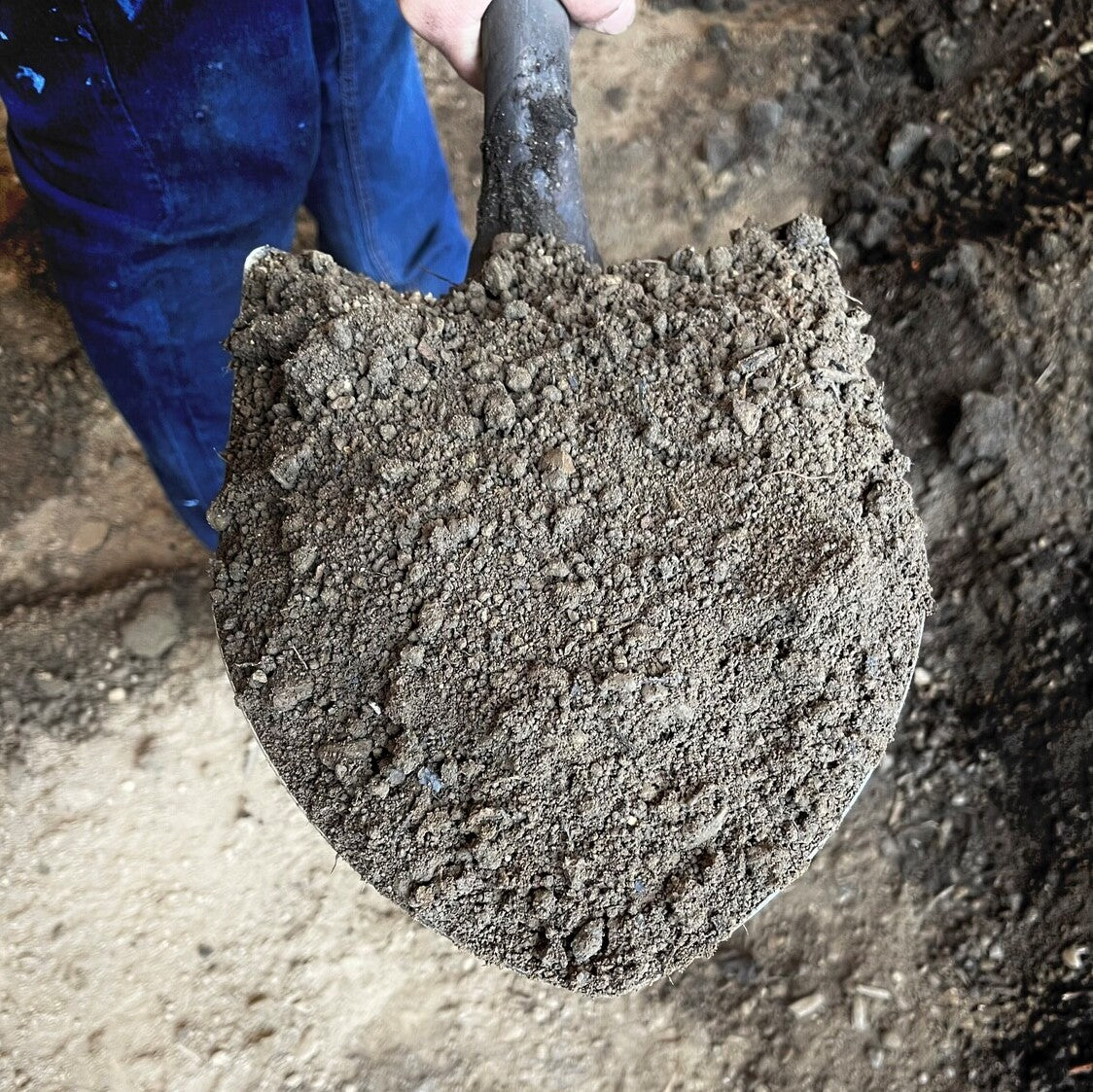
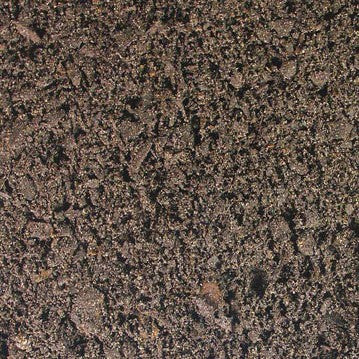
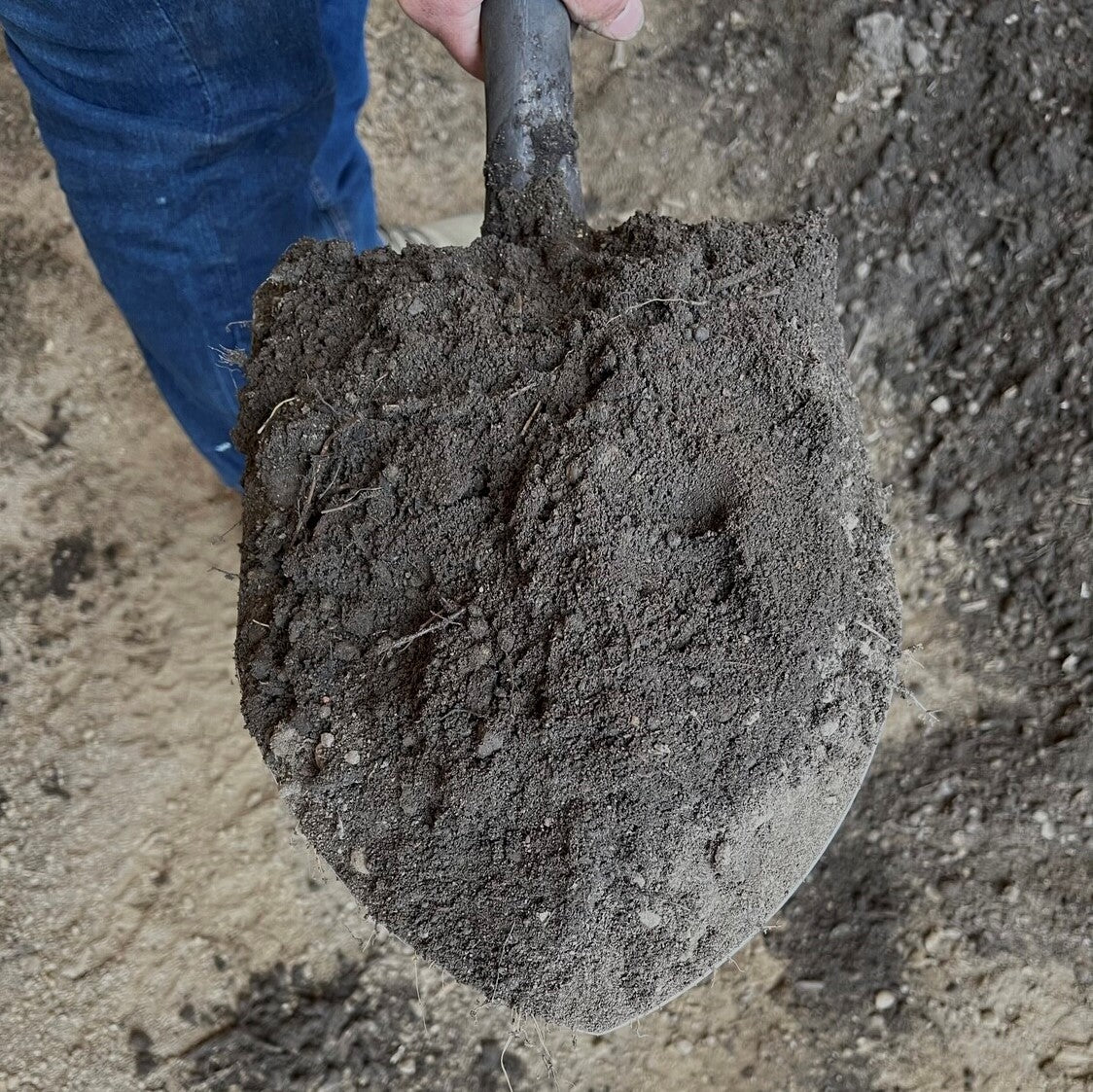
Screened topsoil with a fine, even texture. Ideal for new lawns, sod prep, and raised garden beds.
I needed 3 yards of top soil and that's what I got! Right on time and right where I asked it to be placed (Order# 2041).
Tell us what you're looking for
Thanks! We received your request.
Something went wrong. Please try again.
How Much Material Do I Need?
How Much Material Do I Need?
Plan on 4 to 6 inches of screened topsoil over prepared ground for new planting beds and 10 to 12 inches for raised vegetable beds. One cubic yard covers about 80 square feet at 4 inches deep.
Use our free soil calculator
What is a Yard?
What is a Yard?
FAQs
FAQs
Franklin Soil Delivery
Franklin Soil Delivery
Regular price
$55.00
per
Yard
Regular price
Sale price
$55.00
Unit price
per
Shipping calculated at checkout.
Minimum of 3 Yard
Couldn't load pickup availability
Not currently available
We can't take orders for this right now. Tell us what you need and we'll get back to you.
Hand-picked local yards
4,000+ regional deliveries
Dedicated support
Why order through Mulch Mound
The best local , without the guesswork.
We hand-pick and partner with the best yards in your region, keep only the ones our buyers rate well, and back each load with our guarantee.
Mulch Mound Guarantee
If your isn't the quantity or quality you ordered, we'll make it right.
About this soil
Screened topsoil with a fine, even texture. Ideal for new lawns, sod prep, and raised garden beds.
I needed 3 yards of top soil and that's what I got! Right on time and right where I asked it to be placed (Order# 2041).
How Much Material Do I Need?
How Much Material Do I Need?
Plan on 4 to 6 inches of screened topsoil over prepared ground for new planting beds and 10 to 12 inches for raised vegetable beds. One cubic yard covers about 80 square feet at 4 inches deep.
Use our free soil calculator
What is a Yard?
What is a Yard?
FAQs
FAQs
Tell us what you're looking for
Thanks! We received your request.
Something went wrong. Please try again.

How It Works
Getting started is easy — just follow these simple steps
1
Choose your soil
Make sure you adjust the quantity to your home's needs. You can use our calculator to estimate how much you'll need.
2
Select your delivery date
Select a delivery date you'd like for the product to be dropped off at your home
3
Sit back and wait
Sit back, wait, and let us work our magic to make sure the highest quality product is delivered to your driveway.

Highest compliments. Great driver.
Website is easy to navigate. Just a seamless process. 5 stars!!

Need Help Calculating How Much Soil You Need?
Use our NEW Trace from Satellite tool to get an estimate for your project based on an aerial view of your property
Try Our CalculatorMeasure length, width, and desired depth in feet, multiply the three, then divide by 27 for cubic yards. For raised beds, measure the inside dimensions rather than the outside frame, which is a common overestimate on Franklin cedar bed builds. Add 15 to 20 percent for soil, because it settles more than mulch or stone once it is watered and rained on.
Complete Your Outdoor Soil Project
Pair your soil order with compost to boost organic matter in Franklin's silt loam, and finish planted areas with hardwood mulch so the new soil does not wash out in the next spring storm. Crushed stone underneath raised beds helps with drainage on flat lots.
Service area
Areas we deliver soil in Franklin, Tennessee
Mulch Mound Pro Tip
Break up the ground before you dump new soil on it. Franklin lots that were graded during construction have a compacted interface layer, and fresh topsoil placed directly on top of it creates a bathtub. Roots hit the boundary, stop, and water pools right there through our wet spring. Run a broadfork or a tiller across the existing surface first so the two layers actually knit together and water keeps moving downward.
Mulch Mound Pro Tip
Do not till Franklin silt loam when it is wet. This soil has fine particles that smear rather than crumble under moisture, and one pass with a tiller after an April rain can leave you with a compacted pan just below the blade depth that lasts for years. Wait for the surface to dry enough that a handful crumbles when you open your fist. Patience in March saves you real work all summer.
Mulch Mound Pro Tip
Add compost every fall, not just at planting time. Franklin's warm humid conditions burn through organic matter fast, and soil that tested rich in spring can be depleted by the following March. Spreading an inch of compost in October, ahead of the average first frost on the 26th, lets winter rains and freeze cycles work it into the profile naturally so beds are ready when April planting season arrives.
The Unique Landscape of Franklin
Franklin's native silt loam is genuinely good soil, but very little of it survives construction intact in the newer neighborhoods spreading south and east of town. Builders strip the topsoil, grade with subsoil and limestone fill, and leave homeowners a thin skin of soil over compacted material that roots cannot penetrate. Add 52 inches of annual rainfall and that compaction turns into standing water in the low spots every spring. Bringing in quality screened topsoil and compost blends rebuilds the depth that plants in zone 7b need to carry through both a wet March and a dry, hot August. Good soil also gives you the drainage margin that matters most here, since our rain does not arrive gently and beds need to shed excess without drying out entirely. Whether you are leveling a lawn, filling raised beds, or rebuilding a bed that has settled, the soil you start with sets the ceiling on everything else.