

About this mulch

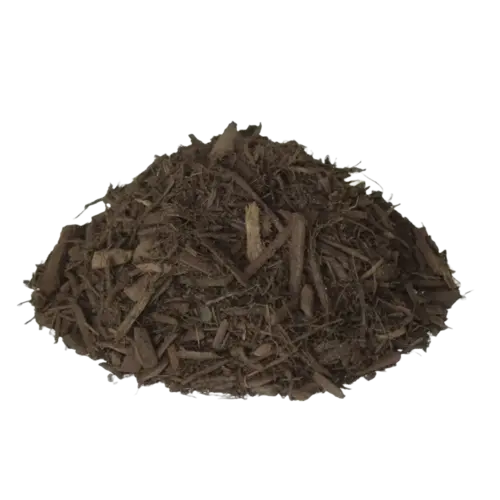
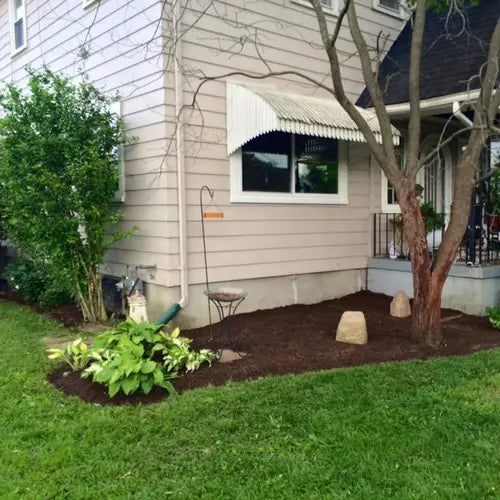
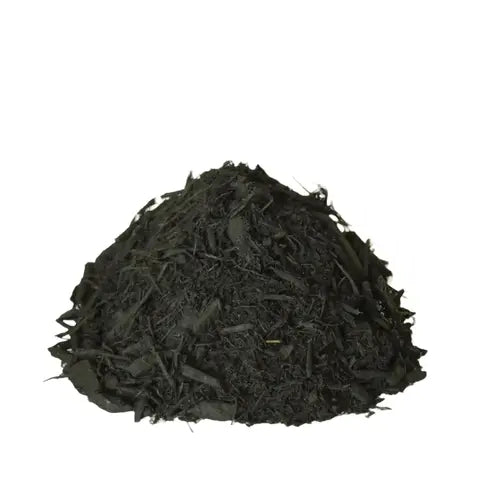
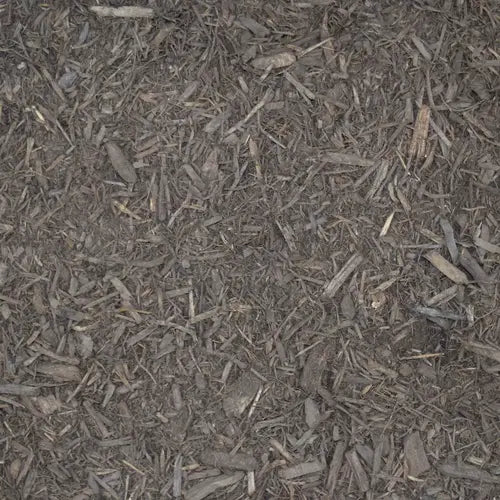
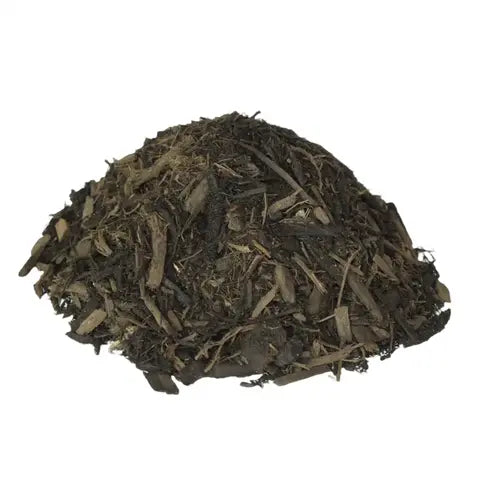
Double-shredded mulch dyed a rich, even brown that holds its color through the season.

UPDATE!

I can’t say enough good things about Mulch Mound! If you read my review below you will see I had a problem with my order. Mulch Mound was quick to respond and solved the issue with my delivery. Will definitely be a customer next year.

First time purchase...

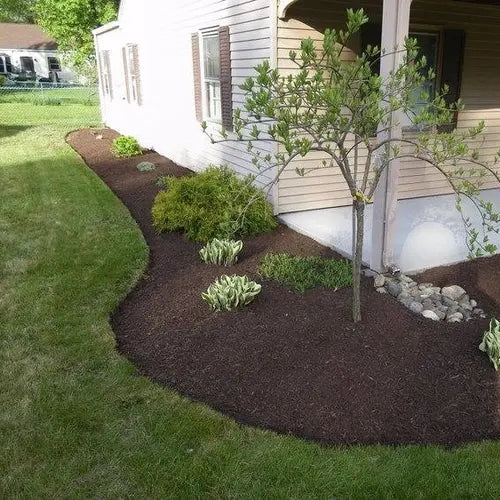
Plan for 3 inches of depth in established ornamental beds and around trees, which is enough to suppress weeds and stabilize soil temperature through a full Zone 5b growing season. New beds with no existing mulch layer may benefit from a full 4 inches in the first year to fully cover bare silt loam and prevent the surface crusting that happens after heavy rain.
Use our free mulch calculator

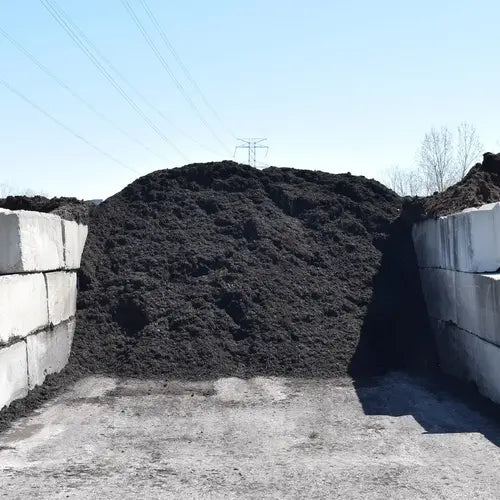
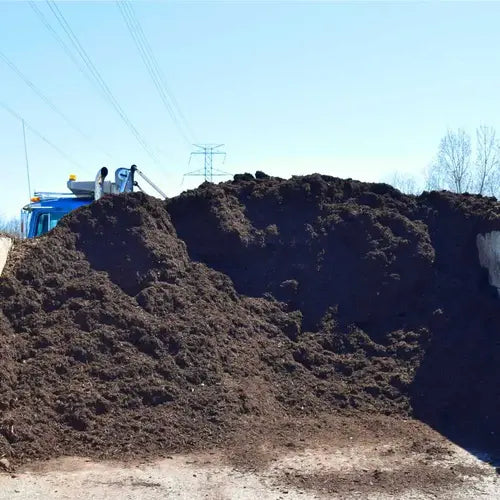
A yard is approximately 27 cubic feet. As a general guideline, one yard of material can cover an area of about 100-160 square feet at a 2-3 inch depth.

Galesburg Mulch Delivery

Galesburg Mulch Delivery

4.7
137 reviews
Regular price $55.00 per Yard
Regular price Sale price $55.00
Sale Sold out
Shipping calculated at checkout.
Color
Style
Hand-picked local yards
4,000+ regional deliveries
Dedicated support
Why order through Mulch Mound

The best local , without the guesswork.

We hand-pick and partner with the best yards in your region, keep only the ones our buyers rate well, and back each load with our guarantee.

Mulch Mound Guarantee

If your isn't the quantity or quality you ordered, we'll make it right.

About this mulch

Double-shredded mulch dyed a rich, even brown that holds its color through the season.

UPDATE!

I can’t say enough good things about Mulch Mound! If you read my review below you will see I had a problem with my order. Mulch Mound was quick to respond and solved the issue with my delivery. Will definitely be a customer next year.

First time purchase...

Plan for 3 inches of depth in established ornamental beds and around trees, which is enough to suppress weeds and stabilize soil temperature through a full Zone 5b growing season. New beds with no existing mulch layer may benefit from a full 4 inches in the first year to fully cover bare silt loam and prevent the surface crusting that happens after heavy rain.
Use our free mulch calculator

A yard is approximately 27 cubic feet. As a general guideline, one yard of material can cover an area of about 100-160 square feet at a 2-3 inch depth.

View full details

How It Works

Getting started is easy — just follow these simple steps

1

Choose your Mulch

Make sure you adjust the quantity to your home's needs. You can use our calculator to estimate how much you'll need.

2

Select your delivery date

Select a delivery date you'd like for the product to be dropped off at your home

3

Sit back and wait

Sit back, wait, and let us work our magic to make sure the highest quality product is delivered to your driveway.

What Galesburg Customers Are Saying

4.7
out of 5 based on 137 reviews
Google Reviews

Calculate mulch for your Galesburg project

For Galesburg's type of soil, we recommend 2-3 inches for best weed suppression and moisture retention

Try Our Calculator
📍

Measure the length and width of each bed in feet, then multiply those two numbers together to get your square footage. Add up all your bed areas before entering the total into the calculator so you get one accurate quantity rather than estimating by eye. Galesburg beds under tree canopies often have irregular shapes, so break those into smaller rectangles and add them together for the best result.

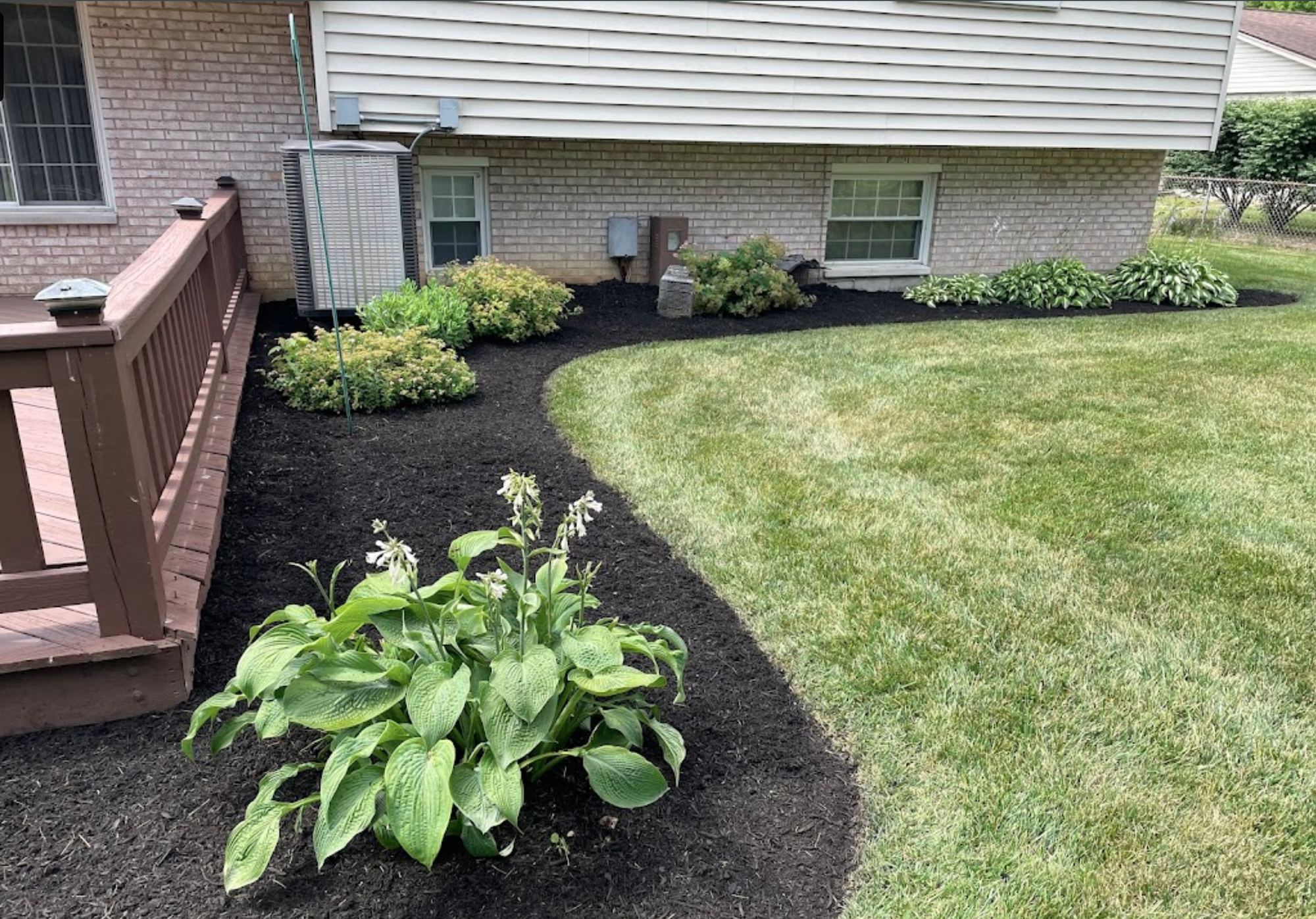
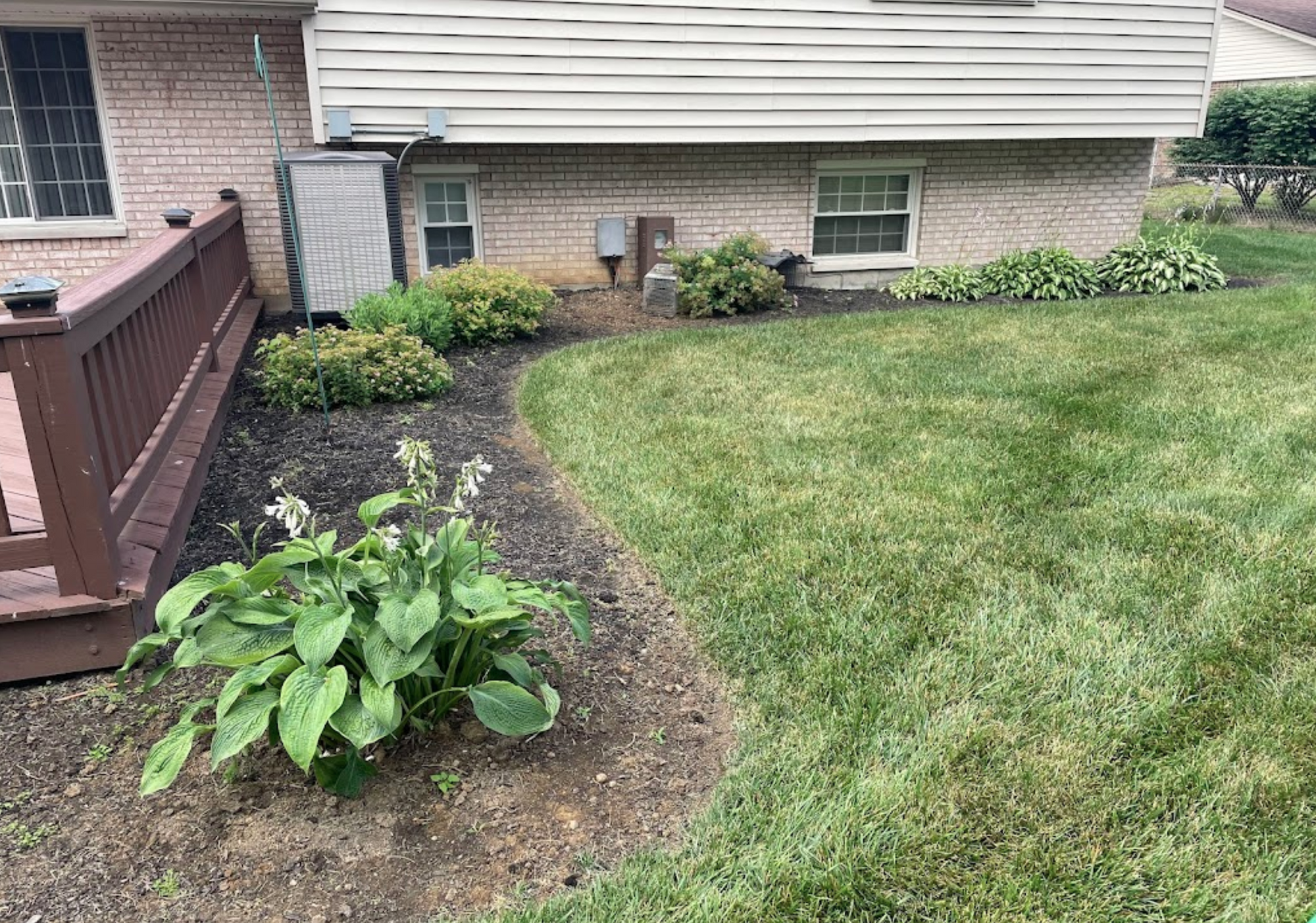
Mulch vs. No Mulch: The Difference

Galesburg experiences a genuine four-season cycle with hard Zone 5b winters and summers that push into the upper 80s, which means organic mulch goes through real expansion and contraction stress every year. That freeze-thaw cycle actually helps break down shredded hardwood mulch more efficiently than in warmer climates, delivering organic matter back into the silt loam soil over one to two seasons. Choosing the right mulch type matters because the same climate conditions that feed soil biology also create the wet, slow-draining spring conditions where the wrong material can cause more problems than it solves.

Before image
After image
Slider handle
Before
After

Complete Your Outdoor Mulch Project

If you are refreshing mulch in beds that have become compacted or nutrient-depleted over several seasons, consider adding a layer of quality topsoil or compost beneath your fresh mulch to restore the growing medium before you top it with decorative material. Pairing mulch with landscape stone for edging or border definition is also a popular choice in Galesburg neighborhoods where clean transitions between lawn and beds add to curb appeal.

Map of the mulch delivery area around Galesburg, Illinois

Service area

Areas we deliver mulch in Galesburg, Illinois

Mulch Mound Pro Tip

Pull mulch back about 2 inches from the base of tree trunks and shrub stems before applying. Galesburg winters are cold enough that pests and disease pathogens seek shelter in moist organic material, and a mulch volcano piled against bark creates exactly that environment. Keeping a small gap around woody stems lets bark dry out between rain events and significantly reduces the risk of crown rot and fungal issues that are common in silt loam soils that stay wet in spring.

Mulch Mound Pro Tip

Time your mulch application to follow a good soaking rain in late April or early May rather than spreading on dry ground. Galesburg silt loam that has dried and crusted after winter will not absorb moisture as readily once it is covered, and mulching over dry soil can actually delay the ground warming that early-season plants need. Let a natural rainfall or a thorough irrigation soak the beds first, then apply mulch while the soil is evenly moist.

Mulch Mound Pro Tip

Consider saving a small pile of your delivered mulch for mid-season touch-ups in July and August when Galesburg heat causes the top layer to fade and dry out quickly. The color and moisture-retention benefits drop off as the surface layer oxidizes through the hottest weeks, and a thin half-inch refresh in midsummer costs very little material but makes a big difference in how beds look and how soil moisture holds between waterings during dry stretches.

Frequently Asked Questions

Click a question to see the answer

Answer

Does the late frost date around May 2 mean I should wait to mulch my garden beds?

You do not have to wait until after May 2 to mulch, but you should be thoughtful about timing near tender transplants. Mulching too early around young annuals or newly divided perennials can trap cold air close to the soil surface on nights that dip below freezing. A good approach is to mulch established shrubs and trees early in spring since the insulating effect protects roots, then add mulch around new transplants after you are confident the last frost has passed.

Answer

Will mulch help with the compaction problem I keep having in my backyard beds?

Yes, and this is one of the most practical reasons to mulch in Galesburg. The silt loam soil here compacts readily when rain hits bare ground or when foot traffic crosses wet beds. A 3 inch mulch layer absorbs the impact of rainfall before it strikes the soil surface, which dramatically reduces surface sealing and compaction over a season. As the organic mulch decomposes it also works organic matter into the upper soil layer, which gradually improves the structure of silt loam and makes it less prone to compacting.

Answer

How quickly does hardwood mulch break down in this climate?

In Zone 5b conditions like those in Galesburg, shredded hardwood mulch typically takes one to two full growing seasons to break down significantly. The cold winters slow decomposition considerably compared to warmer climates, but the warm and sometimes humid summers accelerate breakdown when moisture is present. You will generally want to freshen up beds every spring by adding about an inch of new material on top of what remains from the previous year rather than removing and replacing everything.

Answer

My front beds are under a big silver maple. Does that change what mulch I should use?

Mature silver maples are very common in Galesburg neighborhoods and they create a specific set of conditions in the beds below them. The root competition is intense and the canopy sheds enormous amounts of debris. A coarser shredded hardwood mulch works well in these spots because it allows water to pass through into the compacted soil below the tree canopy. Avoid fine-textured mulches under heavy maple canopy because they can mat together and shed water rather than absorbing it, making root zone moisture problems worse during dry spells.

Answer

Is there a mulch depth that works best for Galesburg winters?

For most ornamental beds in Galesburg, 3 inches is the target depth heading into October before the average first frost around the 13th. That depth provides enough insulation to buffer soil temperature swings through freeze and thaw cycles without creating so much moisture retention that crowns and root collars rot during the wet early spring. For marginally hardy perennials that push Zone 5b limits, you can mound an extra inch or two over the crown in November and pull it back once overnight lows stay consistently above freezing in late April.

Answer

Does all that spring rain in Galesburg wash mulch out of beds into the street?

It can, especially in beds that slope toward the street or driveway. Galesburg receives about 39 inches of rain annually and a good portion of that comes in heavy spring events that move lightweight mulch. Shredded hardwood and double-ground hardwood mulches interlock better than nugget or chip styles and stay put much more reliably on slopes. If you have a particularly steep bed along a hillside, the interlocking texture of shredded material is the most important feature to look for when choosing a mulch type.

Answer

Can I use mulch around my vegetable garden or is it just for ornamental beds?

Mulch works very well in Galesburg vegetable gardens, particularly for managing soil temperature in the spring when the ground takes time to warm after the last frost near May 2. Straw and shredded leaves are popular choices for vegetable beds because they break down quickly and add organic matter. For permanent garden paths between raised beds, a coarser wood chip mulch keeps weeds down and holds up through the wet springs without becoming a muddy mess.

The Unique Landscape of Galesburg

Galesburg sits in a region where spring arrives late and summer heat builds quickly, putting real stress on ornamental beds and tree roots. The silt loam soil that dominates Knox County holds moisture reasonably well but compacts under foot traffic and heavy rain, leaving plant roots struggling for air by midsummer. A proper mulch layer acts as a buffer between the soil surface and the wide temperature swings that Zone 5b brings, where a May frost can still bite new transplants before the ground has fully warmed. With nearly 39 inches of annual rainfall spread unevenly across the seasons, bare soil in Galesburg erodes easily and crusts over between wet spells, cutting off the oxygen exchange roots depend on. Mulch slows that runoff, holds the surface together, and keeps moisture available longer during the dry stretches that often follow heavy July rains. Getting the right mulch matched to your specific beds makes a measurable difference in how plants perform through a full Galesburg growing season.