




I needed 3 yards of top soil and that's what I got! Right on time and right where I asked it to be placed (Order# 2041).
About this soil
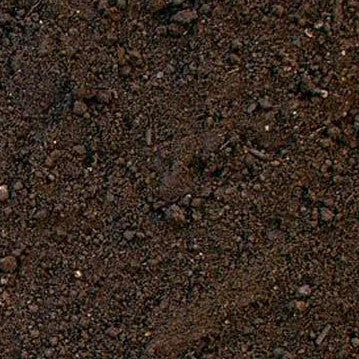
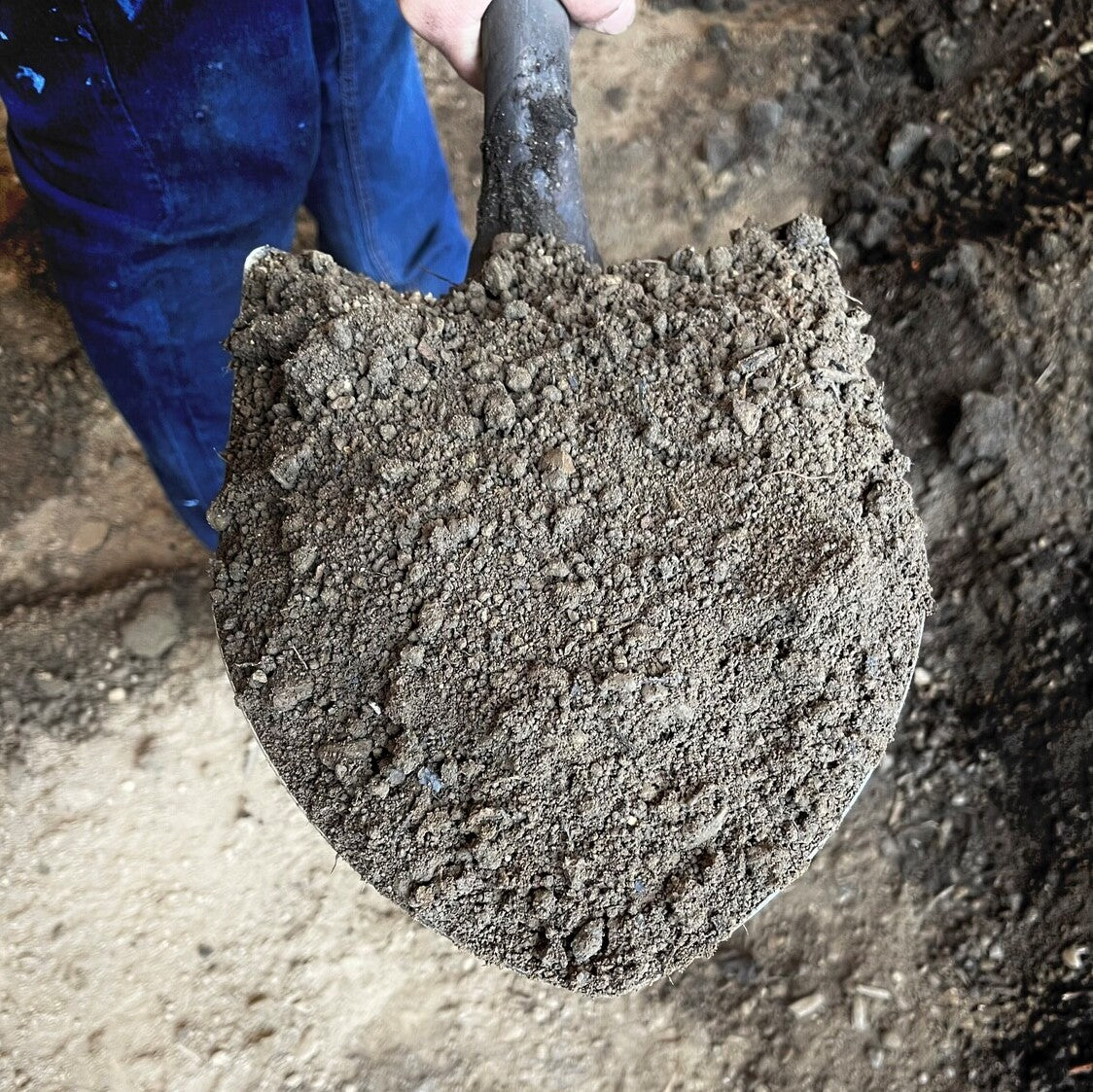
Screened topsoil with a fine, even texture. Ideal for new lawns, sod prep, and raised garden beds.
I needed 3 yards of top soil and that's what I got! Right on time and right where I asked it to be placed (Order# 2041).
Tell us what you're looking for
Thanks! We received your request.
Something went wrong. Please try again.
How Much Material Do I Need?
How Much Material Do I Need?
Plan for a minimum of 4 inches of topsoil for new lawn areas and 6 to 8 inches for new planting beds where you want roots to establish deeply through a Galesburg growing season. For top-dressing existing lawns to level low spots, 1 to 2 inches spread evenly is usually enough to improve grade without burying existing grass.
Use our free soil calculator
What is a Yard?
What is a Yard?
FAQs
FAQs
Galesburg Soil Delivery
Galesburg Soil Delivery
Regular price
$64.00
per
Yard
Regular price
Sale price
$64.00
Unit price
per
Shipping calculated at checkout.
Minimum of 3 Yard
Couldn't load pickup availability
Not currently available
We can't take orders for this right now. Tell us what you need and we'll get back to you.
Hand-picked local yards
4,000+ regional deliveries
Dedicated support
Why order through Mulch Mound
The best local , without the guesswork.
We hand-pick and partner with the best yards in your region, keep only the ones our buyers rate well, and back each load with our guarantee.
Mulch Mound Guarantee
If your isn't the quantity or quality you ordered, we'll make it right.
About this soil
Screened topsoil with a fine, even texture. Ideal for new lawns, sod prep, and raised garden beds.
I needed 3 yards of top soil and that's what I got! Right on time and right where I asked it to be placed (Order# 2041).
How Much Material Do I Need?
How Much Material Do I Need?
Plan for a minimum of 4 inches of topsoil for new lawn areas and 6 to 8 inches for new planting beds where you want roots to establish deeply through a Galesburg growing season. For top-dressing existing lawns to level low spots, 1 to 2 inches spread evenly is usually enough to improve grade without burying existing grass.
Use our free soil calculator
What is a Yard?
What is a Yard?
FAQs
FAQs
Tell us what you're looking for
Thanks! We received your request.
Something went wrong. Please try again.
How It Works
Getting started is easy — just follow these simple steps
1
Choose your soil
Make sure you adjust the quantity to your home's needs. You can use our calculator to estimate how much you'll need.
2
Select your delivery date
Select a delivery date you'd like for the product to be dropped off at your home
3
Sit back and wait
Sit back, wait, and let us work our magic to make sure the highest quality product is delivered to your driveway.

Highest compliments. Great driver.
Website is easy to navigate. Just a seamless process. 5 stars!!

Need Help Calculating How Much Soil You Need?
Use our NEW Trace from Satellite tool to get an estimate for your project based on an aerial view of your property
Try Our CalculatorFor lawn top-dressing or filling low areas, measure the length, width, and average depth of the area in feet to calculate cubic footage, then divide by 27 to convert to cubic yards. For garden beds that need a full soil replacement, measure depth at 6 inches as a minimum and 12 inches for deep-rooted vegetables. Taking a few minutes to measure accurately before ordering saves you from running short mid-project or paying for material you do not need.
Complete Your Outdoor Soil Project
Pairing new soil with a quality mulch layer over the top of planting beds keeps the fresh growing medium from crusting and eroding during Galesburg spring rains. Adding landscape stone along bed edges creates clean borders that prevent soil from washing onto sidewalks and driveways during the heavy rain events the area sees in late spring.
Mulch Mound Pro Tip
Before spreading any bulk soil, loosen the top 3 to 4 inches of your existing native silt loam with a tiller or fork so the new material bonds with what is already there rather than sitting as a separate layer. When two different soil textures meet without blending, water can perch at that interface and create drainage problems below the surface. Taking the extra step to roughen and blend the transition zone gives plant roots a continuous path downward rather than a hard stop.
Mulch Mound Pro Tip
Schedule your soil delivery for a day when the ground is workable but not saturated, because spreading wet bulk soil compacts it before you even start planting. Galesburg springs are wet and you may have to wait for a window between rain events, but working soil when it is too wet destroys the structure you are paying for. A simple test is to squeeze a handful and see if it crumbles apart rather than forming a sticky ball, which signals the moisture level is right for working.
Mulch Mound Pro Tip
If you are filling a large area, consider spreading the soil in two or three thinner lifts rather than dumping the full depth at once. Each lift can be lightly firmed with foot traffic or a lawn roller before the next is added, which reduces the dramatic settling that happens when bulk soil is applied all at once. Galesburg yards that have been raised or leveled with bulk soil in a single thick application often develop uneven surface months later as the material settles unevenly over the winter freeze-thaw cycle.
The Unique Landscape of Galesburg
The native silt loam in Galesburg is a double-edged resource for homeowners. It holds nutrients and moisture better than sandy soils found elsewhere in Illinois, but it compacts under any repeated pressure and becomes dense and poorly aerated in beds that have been walked on or rained on repeatedly without organic matter being worked in. Lawn areas in particular suffer as decades of mowing, foot traffic, and freeze-thaw cycles strip out the organic fraction and leave behind a tight, slow-draining layer just below the surface. New construction in Galesburg neighborhoods often leaves yards with subsoil pushed to the surface during grading, which looks like topsoil but lacks the biology and organic matter that plants need to establish. Bringing in quality screened topsoil or blended garden soil is the fastest way to give new beds and struggling lawns the growing medium they need to actually perform. Understanding what your existing native soil lacks is the first step toward choosing the right soil product for your specific Galesburg project.