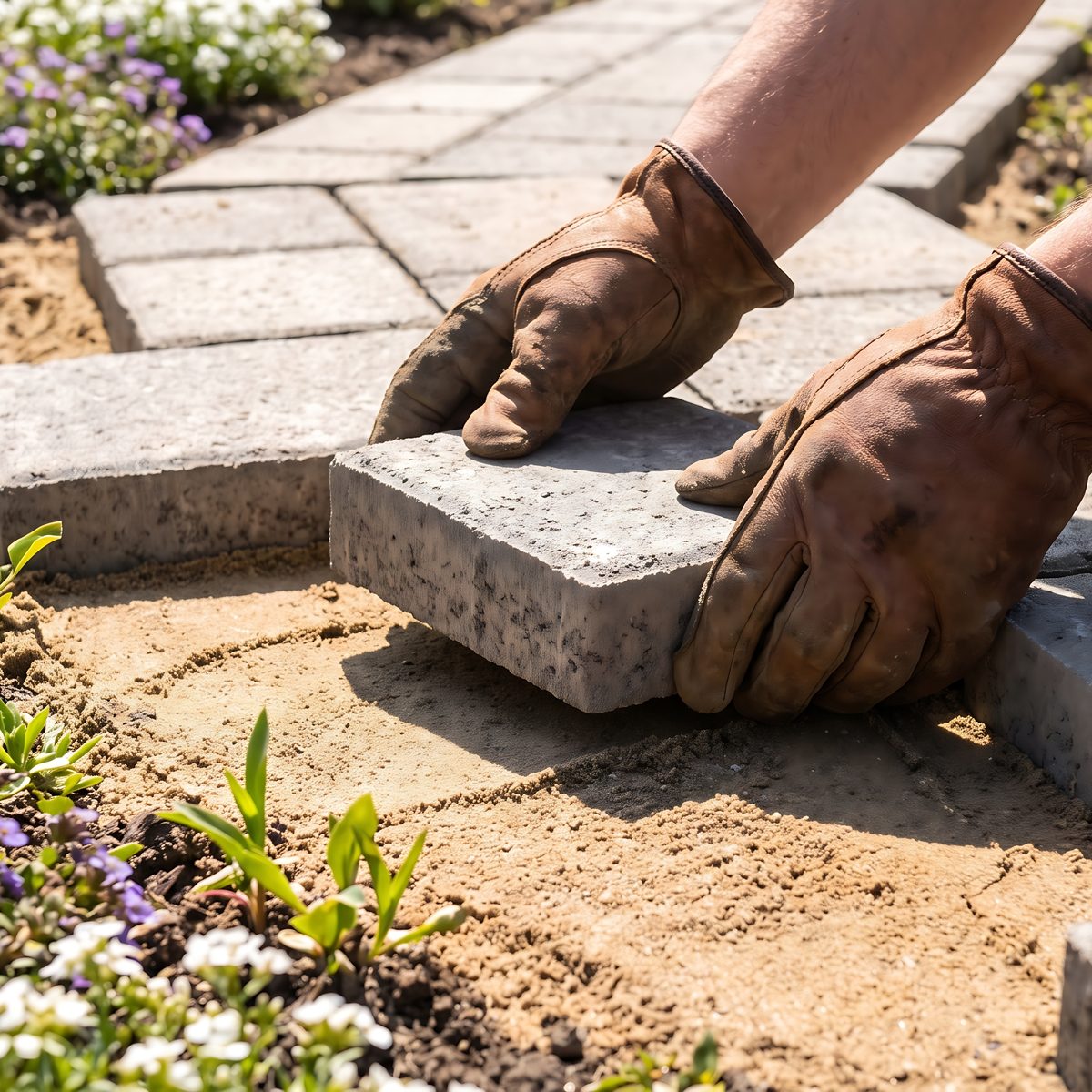
About this sand

Washed and finely screened masonry sand for mortar, paver joints, and pool bases. Consistent grain, ready to screed.

Wonderful experience! They put the mulch exactly where we wanted. This mulch spread very easily and didn’t have the usual “mulch smell.” We will definitely use again!

One cubic yard of mason sand covers about 324 square feet at a 1 inch depth, and most mortar mixing or paver joint work only needs a thin layer, so a single yard often handles a good sized patio or wall project. Pool base installs usually run 1 to 2 inches deep, so figure your square footage and split the difference on depth before ordering. It weighs about 1.35 tons per yard, so keep that in mind for where you want it dropped.

A yard is approximately 27 cubic feet. As a general guideline, one yard of material can cover an area of about 100-160 square feet at a 2-3 inch depth.

Gastonia Sand Delivery

Gastonia Sand Delivery

4.7
137 reviews
Regular price $74.00 per Yard
Regular price Sale price $74.00
Sale Sold out
Shipping calculated at checkout.
Type
Size
Minimum of 3 Yard
Hand-picked local yards
4,000+ regional deliveries
Dedicated support
Why order through Mulch Mound

The best local sand, without the guesswork.

We hand-pick and partner with the best yards in your region, keep only the ones our buyers rate well, and back each load with our guarantee.

Mulch Mound Guarantee

If your sand isn't the quantity or quality you ordered, we'll make it right.

About this sand

Washed and finely screened masonry sand for mortar, paver joints, and pool bases. Consistent grain, ready to screed.

Wonderful experience! They put the mulch exactly where we wanted. This mulch spread very easily and didn’t have the usual “mulch smell.” We will definitely use again!

One cubic yard of mason sand covers about 324 square feet at a 1 inch depth, and most mortar mixing or paver joint work only needs a thin layer, so a single yard often handles a good sized patio or wall project. Pool base installs usually run 1 to 2 inches deep, so figure your square footage and split the difference on depth before ordering. It weighs about 1.35 tons per yard, so keep that in mind for where you want it dropped.

A yard is approximately 27 cubic feet. As a general guideline, one yard of material can cover an area of about 100-160 square feet at a 2-3 inch depth.

View full details

How It Works

Getting started is easy — just follow these simple steps

1

Choose your quantity

Adjust the quantity to match your project. One cubic yard covers about 100 to 160 square feet at a 2 to 3 inch depth.

2

Select your delivery date

Select a delivery date you'd like for the product to be dropped off at your home

3

Sit back and wait

Sit back, wait, and let us work our magic to make sure the highest quality product is delivered to your driveway.

From The Mouths of Gastonia Folks

4.7
out of 5 based on 137 reviews
Google Reviews

Complete Your Outdoor Project

Mason sand pairs with brick, block, and paver stock for most Gastonia hardscape jobs, and a lot of builders now run clean chip stone under pavers instead of sand since it does not pump or wash out. If you are mixing mortar, you will also want cement and lime on hand before the load arrives so you are not stopping mid mix.

Mulch Mound Pro Tip

Gastonia's red clay holds moisture longer than sandy soils, so if you are setting a paver base near grade, make sure water has somewhere to go before you lay mason sand down. A slight slope away from the house matters more here than in sandier parts of the state. Skipping that step means water sits under your pavers through the wet months and pushes the joints out of level by next spring.

Mulch Mound Pro Tip

A common mistake is using mason sand under pavers when clean chip stone would hold up better long term. Mason sand is fine and uniform, great for mortar, but under heavy paver traffic it can migrate and pump up through the joints over time, especially with Gastonia's freeze thaw swings between November and April. If the project is a paver patio rather than mortar work, ask about chip stone instead.

Mulch Mound Pro Tip

Order mason sand and your brick or paver material in the same delivery window if you can, since staging both loads together saves a second trip and a second cleanup on your driveway. Hardscape season in Gastonia runs heaviest spring through fall, so if you are planning a patio or wall for next summer, ordering material in late winter avoids the spring rush when everyone else is calling around too.

Working With Sand in Gastonia

Gastonia sits on red clay, and clay soil does not drain the way sand does, which is exactly why sand matters for the jobs it is used for here. Masons setting brick on Gastonia's older homes near downtown rely on it for workable mortar. Homeowners near Crowders Mountain State Park use it under paver patios and pool bases where the native clay would otherwise hold water and shift. It is not a soil amendment here, it is a building material, and it behaves the same whether it is spring or fall.

Masonry vs Fill Sand

Masonry sand is washed and finely screened, the right choice for mortar work, paver joints, and sandboxes. Fill sand is coarser and less processed, better suited to leveling, bedding pipe, and filling low spots.

Bedding and Leveling

For pavers, screed a 1 inch sand bed over a compacted base rather than using sand to fix deep grade problems. A thin, even bed locks pavers in place. A thick one shifts underfoot.

Working With Moisture

Slightly damp sand spreads, screeds, and compacts far more easily than bone dry sand, which just flows back into your screed lines. Lightly wetting the pile before you work it saves real effort.

Frequently Asked Questions

Click a question to see the answer

Answer

Is mason sand the same thing as regular sand from a hardware store bag?

Not quite. Mason sand is washed and screened to be finer and more uniform than the general purpose sand sold in bags, which is what makes it workable for mortar mixing. It is finer than concrete sand as well. For paver joints or pool bases it performs better and more consistently than a mixed bag product.

Answer

How many cubic yards of mason sand do I need for a paver patio?

One cubic yard covers roughly 324 square feet at a 1 inch depth, so for joint filling on an already laid patio you typically need far less than a full yard. For a full paver base at 1 to 2 inches under the pavers, measure your square footage and order based on the depth you need, most residential patios use 1 to 3 yards.

Answer

When is the best time to install mason sand in Gastonia?

Hardscape projects here run heaviest from spring through fall when the ground is workable and dry. Gastonia's last frost is typically April 15 and first frost lands around November 6, so anything outside that window risks working with frozen or saturated red clay subgrade, which makes a stable base harder to achieve.

Answer

Where will the sand be placed when it is delivered?

The driver places the load wherever you direct on your property, as long as the truck can access it. Let us know before delivery day if your driveway has tight clearance or a slope, and have the drop zone cleared and ready, a tarp down helps if you want to keep the area clean.

Answer

Should I use mason sand or chip stone under my pavers?

Many builders are moving away from sand for paver bedding toward clean chip stone, since chip stone locks together and does not pump or wash out over time. Mason sand still makes sense for mortar mixing and pool bases. If your project is specifically a paver patio, ask which material fits your subgrade and traffic needs best.

More delivery around Gastonia, North Carolina

All Gastonia, North Carolina landscape supply