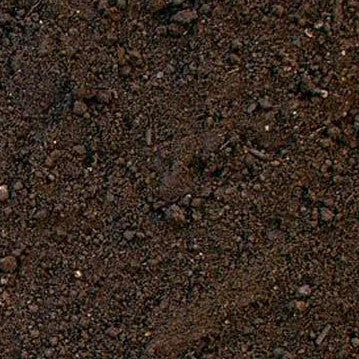
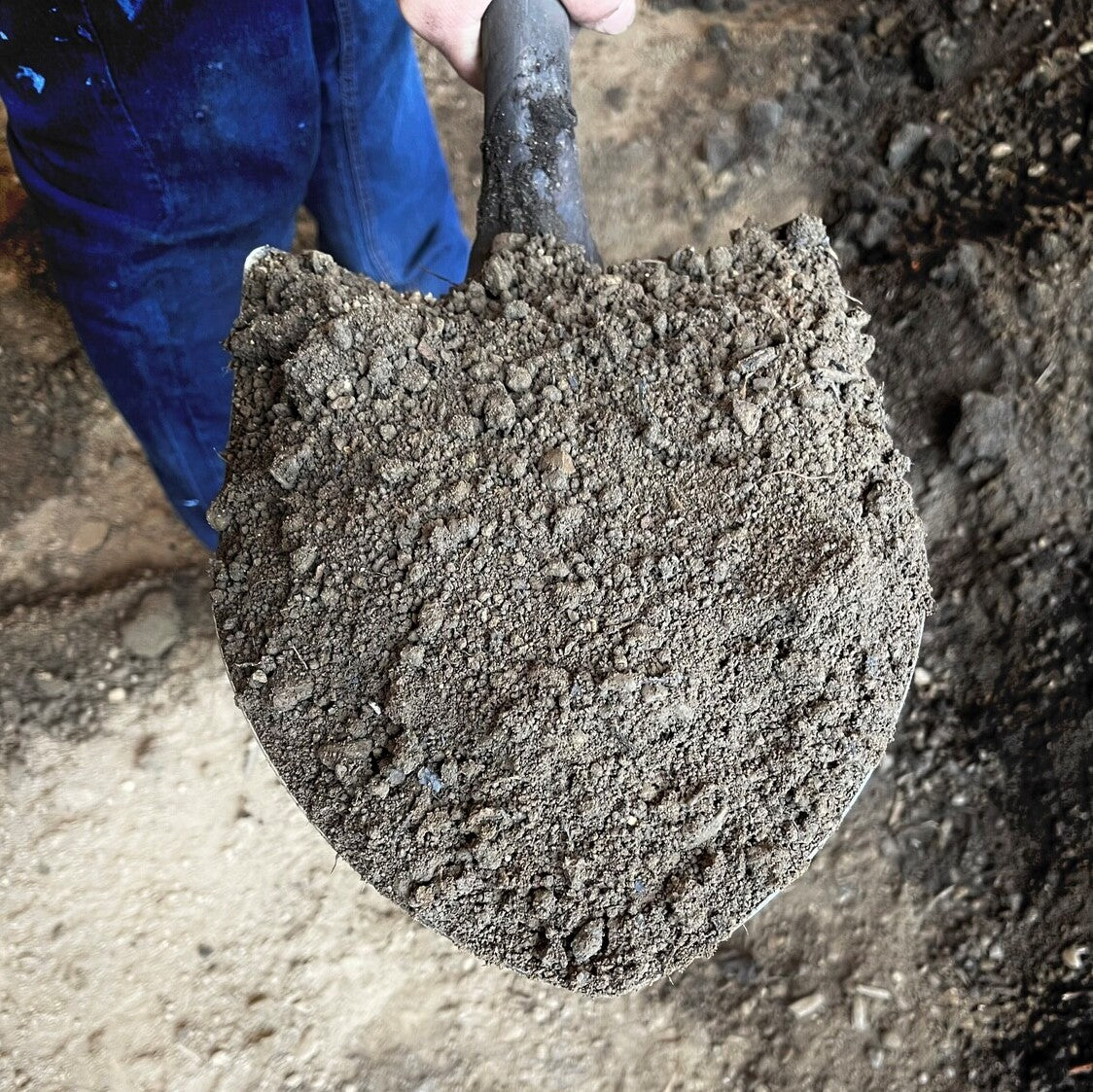
The website was intuitive and easy to navigate. The material was delivered the date and time it was scheduled, it was dropped off in the area i had specified on top of my tarp with no issues.
I ordered soil, the Gardening Blend that I received had too many plastic and m...
Tell us what you're looking for
Thanks! We received your request.
Something went wrong. Please try again.
How Much Material Do I Need?
New garden beds in Hampton generally need 8 to 12 inches of quality soil to give plants a strong root environment above the native sandy loam base. For lawn topdressing and leveling, a quarter to half-inch layer spread evenly across low areas is enough to smooth the surface without smothering existing turf.
Use our free soil calculator
What is a Yard?
A yard is approximately 27 cubic feet. As a general guideline, one yard of material can cover an area of about 100-160 square feet at a 2-3 inch depth.
The website was intuitive and easy to navigate. The material was delivered the date and time it was scheduled, it was dropped off in the area i had specified on top of my tarp with no issues.
I ordered soil, the Gardening Blend that I received had too many plastic and m...
How Much Material Do I Need?
New garden beds in Hampton generally need 8 to 12 inches of quality soil to give plants a strong root environment above the native sandy loam base. For lawn topdressing and leveling, a quarter to half-inch layer spread evenly across low areas is enough to smooth the surface without smothering existing turf.
Use our free soil calculator
What is a Yard?
A yard is approximately 27 cubic feet. As a general guideline, one yard of material can cover an area of about 100-160 square feet at a 2-3 inch depth.
The website was intuitive and easy to navigate. The material was delivered the date and time it was scheduled, it was dropped off in the area i had...
Read full review
The website was intuitive and easy to navigate. The material was delivered the date and time it was scheduled, it was dropped off in the area i had specified on top of my tarp with no issues.
I ordered soil, the Gardening Blend that I received had too many plastic and metal pieces for my liking thus lowering the score from a perfect 5/5 to a 4/5
Really appreciate the care and follow thru that this company had with our order. A hiccup came up but they were quick to respond and address all co...
Read full review
Really appreciate the care and follow thru that this company had with our order. A hiccup came up but they were quick to respond and address all concerns, which made our garden day a success! Thank you for your prompt care.
For lawn leveling, a quarter-inch application across 1,000 square feet requires about 0.8 cubic yards of topsoil, so measure your lawn area carefully before ordering. For raised beds and new garden areas, calculate the volume in cubic feet by multiplying length times width times depth, then divide by 27 to convert to cubic yards. It always pays to add 10 percent to your estimate to account for settling, which happens naturally after watering in Hampton's fast-draining sandy loam.
Complete Your Outdoor Soil Project
After building your soil base, finish the project with a layer of shredded hardwood mulch to lock in moisture and keep Hampton's summer heat from baking the surface dry between waterings. Landscape stone edging pairs well with raised soil beds to keep the material contained and give your yard a clean, defined border.
Frequently Asked Questions
Click a question to see the answer
Answer
Can I just add topsoil on top of my existing Hampton sandy loam, or do I need to mix it in?
For lawn leveling and overseeding projects, spreading topsoil directly on top of existing sandy loam works well because the two textures are similar enough that grass roots move between them naturally. For garden beds where you want the best growing environment, tilling the new soil 6 to 8 inches into your existing Hampton sandy loam creates a deeper, more uniform root zone. Mixing also prevents a visible layer boundary that can sometimes slow drainage in raised applications.
Answer
My Hampton yard floods a little after big storms. Will adding soil make the drainage worse?
It depends heavily on what you are adding and where. Bringing in a sandy or loamy blend similar to Hampton's native soil will not worsen drainage and may actually help if you are using it to regrade low spots that are collecting water. Avoid heavy clay-based topsoil in Hampton because it can create a slow-draining layer over the faster native soil below, which traps water rather than moving it through. Our screened topsoil blends are specifically chosen to complement coastal Virginia's drainage patterns.
Answer
How much soil do I need to build raised vegetable beds in my Hampton backyard?
A standard raised bed that is 12 inches deep, 4 feet wide, and 8 feet long holds approximately 1.2 cubic yards of soil. Most Hampton vegetable gardeners building a modest raised bed setup of two to four beds will need between 3 and 6 cubic yards total. Ordering in bulk is significantly more cost-effective than bags, and the extra material can always go toward leveling lawn areas or building out a new planting bed.
Answer
What is the best time of year to add soil to my Hampton lawn for leveling?
Early fall, from mid-September through October, is ideal for lawn leveling in Hampton. Spreading and lightly tilling topsoil before an overseeding session gives Bermuda or tall fescue grass time to establish before Hampton's November 15 first frost arrives. Spring leveling after the April 15 last frost also works well, especially if you are working with warm-season grasses like Bermuda that thrive in Hampton's long, hot summers.
Answer
Does Hampton's sandy loam mean I need to add more organic matter to my garden soil?
Yes, and it is one of the most important things Hampton gardeners can do. Sandy loam breaks down organic material quickly in the heat and humidity, so the compost or organic content in your soil gets consumed faster than in cooler climates. Choosing a garden blend with a higher percentage of compost gives your beds a head start, and then refreshing with compost or well-aged mulch each season keeps the organic matter levels where vegetable and perennial roots need them to be.
Answer
I want to plant a pollinator garden after the last frost in April. Should I replace my soil or just amend it?
For a pollinator garden in Hampton, amending is usually the better approach because many native pollinator plants like black-eyed Susans, coneflowers, and native grasses actually prefer the lean, well-drained conditions that sandy loam provides. Bring in a moderate amount of quality garden soil to define and build up your bed edges, then mix it into the existing ground rather than burying the native soil entirely. Over-enriching the soil can actually make it too fertile for drought-tolerant natives and encourage leggy, floppy growth.
Answer
How deep should I go when replacing soil for a new planting bed in Hampton?
For shrubs and ornamental plants, aim for at least 12 inches of quality amended soil depth. For perennials and annuals, 8 inches is generally sufficient to support strong root development through Hampton's long growing season. Going deeper is rarely necessary in Hampton because the underlying sandy loam, while not nutrient-rich, is loose enough that roots can push through it once they are established in the amended upper layer.
Mulch Mound Pro Tip
Hampton's growing season is genuinely long, running from April through November, and that extended period means your soil is working hard for many months. Before you place a soil order, take a simple soil test from your existing beds through the Virginia Cooperative Extension. The results will tell you your current pH and nutrient levels so you can choose a soil product that fills the specific gaps in your Hampton yard rather than guessing and potentially overcorrecting.
Mulch Mound Pro Tip
When you receive a bulk soil delivery in Hampton, try to spread and incorporate it within a day or two rather than letting it sit in a pile. Hampton's humidity can cause a fresh soil pile to begin heating up through microbial activity, which is normal but can also attract pests and cause nutrient changes if left too long. Spreading it into your beds quickly and watering it in gives you the best product quality and helps it settle into your sandy loam base more evenly.
Mulch Mound Pro Tip
Hampton homeowners sometimes underestimate how much soil settles after watering, especially over sandy loam that lets water move through quickly. If you are building beds to a specific height, such as raised vegetable beds against a fence or a terraced slope near the water, add an extra 15 to 20 percent to your planned depth when you initially fill. After the first few good rainfalls or waterings, the soil will compact and settle to something very close to your target depth without any extra effort.
The Unique Landscape of Hampton
Hampton's native sandy loam soil is a mixed blessing for homeowners and gardeners. It drains beautifully after the city's frequent rainfall events, but it also loses nutrients and moisture quickly, making it challenging to grow demanding vegetables, flowers, or turf without amendment. At just 20 feet of elevation on Virginia's coastal plain, Hampton soils are also influenced by historic tidal deposits that can leave pockets of compacted clay or shell material beneath an otherwise workable surface layer. The long growing season stretching from after the April 15 last frost all the way to November 15 means Hampton plants are in the ground and actively feeding for a very long time, which depletes soil nutrients faster than in shorter-season climates. Bringing in quality bulk topsoil or garden soil lets Hampton homeowners build beds above whatever native soil challenges exist on their property. Whether you are raising a vegetable garden, leveling a lawn, or building out a new landscape bed, the right soil product is the foundation everything else depends on.