The website was intuitive and easy to navigate. The material was delivered the date and time it was scheduled, it was dropped off in the area i had specified on top of my tarp with no issues.
I ordered soil, the Gardening Blend that I received had too many plastic and m...
Tell us what you're looking for
Thanks! We received your request.
Something went wrong. Please try again.
How Much Material Do I Need?
Plan on 8 to 12 inches for new planting beds and 12 to 18 inches for raised vegetable boxes, with a quarter to a half inch for lawn top dressing. Order a little extra, because Henderson lots graded over caliche are rarely as level as they look.
Use our free soil calculator
What is a Yard?
A yard is approximately 27 cubic feet. As a general guideline, one yard of material can cover an area of about 100-160 square feet at a 2-3 inch depth.
The website was intuitive and easy to navigate. The material was delivered the date and time it was scheduled, it was dropped off in the area i had specified on top of my tarp with no issues.
I ordered soil, the Gardening Blend that I received had too many plastic and m...
How Much Material Do I Need?
Plan on 8 to 12 inches for new planting beds and 12 to 18 inches for raised vegetable boxes, with a quarter to a half inch for lawn top dressing. Order a little extra, because Henderson lots graded over caliche are rarely as level as they look.
Use our free soil calculator
What is a Yard?
A yard is approximately 27 cubic feet. As a general guideline, one yard of material can cover an area of about 100-160 square feet at a 2-3 inch depth.
The website was intuitive and easy to navigate. The material was delivered the date and time it was scheduled, it was dropped off in the area i had...
Read full review
The website was intuitive and easy to navigate. The material was delivered the date and time it was scheduled, it was dropped off in the area i had specified on top of my tarp with no issues.
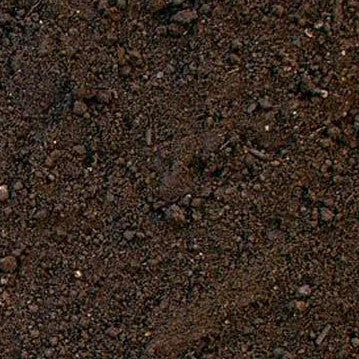
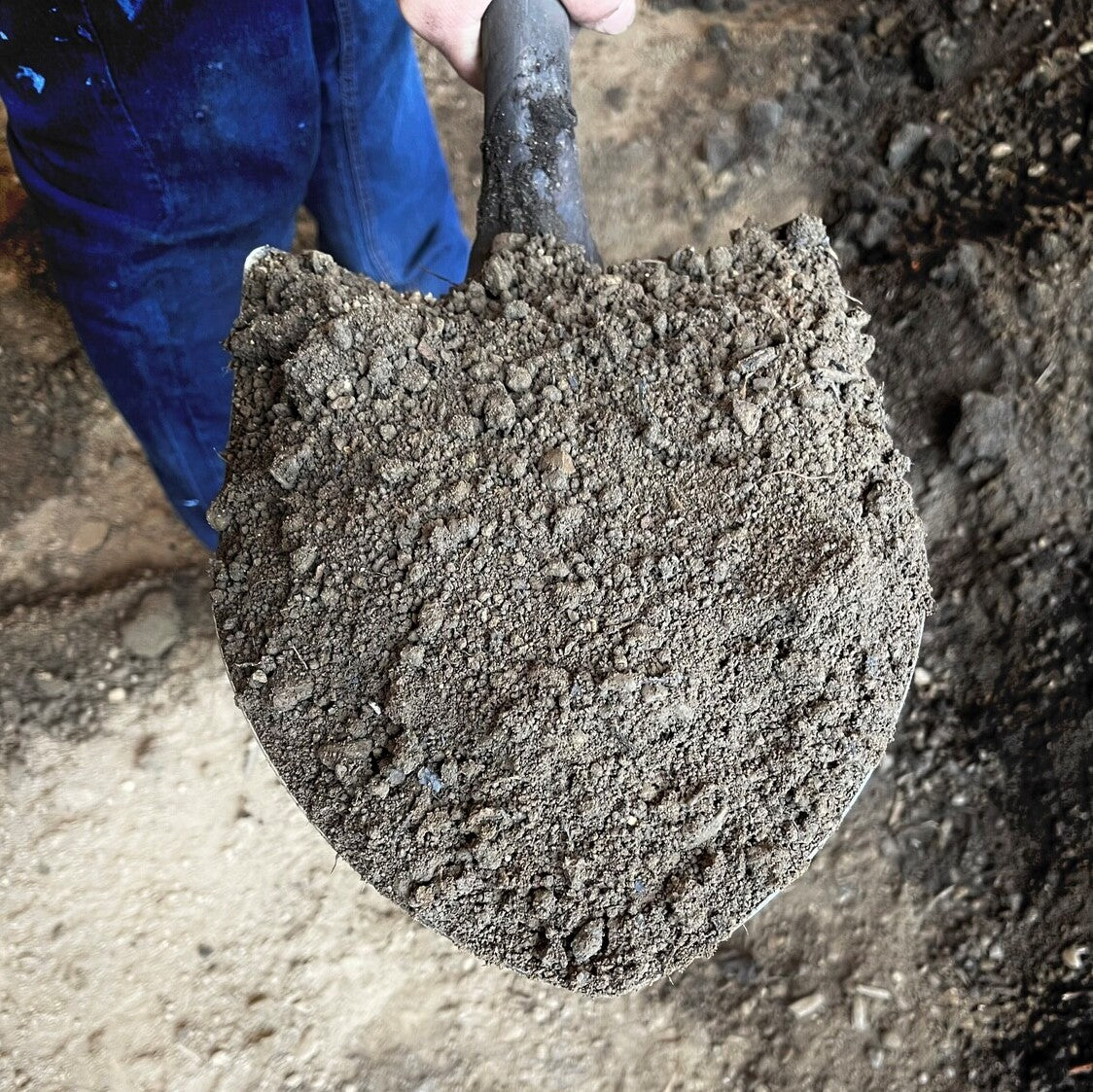
I ordered soil, the Gardening Blend that I received had too many plastic and metal pieces for my liking thus lowering the score from a perfect 5/5 to a 4/5
Really appreciate the care and follow thru that this company had with our order. A hiccup came up but they were quick to respond and address all co...
Read full review
Really appreciate the care and follow thru that this company had with our order. A hiccup came up but they were quick to respond and address all concerns, which made our garden day a success! Thank you for your prompt care.
For beds, multiply length by width by your desired depth in feet, then divide by 27 to get cubic yards. For raised beds, use the inside dimensions of the frame rather than the outside, since our standard 2 by lumber eats several inches. Remember that fresh soil settles about 15 percent after the first few deep waterings.
Complete Your Outdoor Soil Project
Add compost to boost organic matter in your blend, and finish with 3 inches of mulch on top so the sun does not cook the soil you just paid to import.
Can I just amend my caliche instead of buying soil?
Sometimes, if you only have a thin crust over decent sandy loam. But across much of Henderson the caliche is a solid cemented layer that will not respond to tilling, and mixing amendments into rubble gives you a poor result. In those cases bringing in blended soil and building up 8 to 12 inches is faster, cheaper, and far more reliable.
Answer
Why does my new soil turn white on top after a few weeks?
That white crust is salt and calcium left behind when our hard municipal water evaporates in dry air. It is extremely common in Henderson. Water deeply and less often so the salts move down past the roots, add compost to improve drainage, and scrape the visible crust off raised bed surfaces once or twice a year.
Answer
What pH should I expect from Henderson soil?
Native caliche ground commonly tests between 7.8 and 8.5, which locks up iron and causes the yellow leaves you see on citrus, photinia, and roses all over the valley. Good compost rich blends start closer to neutral and buffer the alkalinity, though our irrigation water will push the pH back up over time, so ongoing sulfur or chelated iron helps.
Answer
How deep should a raised vegetable bed be here?
Go at least 12 inches, and 18 is better. Deeper beds buffer against the heat spike that hits shallow soil in June and July, and they give roots room to stay below the zone where salts concentrate. If you are building directly over caliche, break the hardpan underneath first so water has somewhere to go.
Answer
When should I plant after my soil is delivered?
Fall is the best window in Henderson. Get soil in during September or October, plant before the December 10 average first frost, and roots establish through our mild winter. The second window is right after the February 15 last frost. Summer installs are possible but you will be watering twice a day to keep new soil from drying out.
Answer
How much does a yard of soil weigh for my driveway?
A cubic yard of moist topsoil runs roughly 2,000 to 2,400 pounds, well more than mulch. Standard residential driveways in Henderson handle our trucks fine, but if you have stamped or colored concrete at the entry, ask us to place the load on a tarp or stage it near the curb instead.
Answer
Will soil alone fix my patchy lawn?
It helps but it is only half the job. Most thin turf in Henderson comes from compaction over caliche plus uneven sprinkler coverage. Core aerate first, top dress with a quarter to a half inch of compost blended soil, then fix the irrigation heads. Doing all three at once in early fall gives the best recovery.
Mulch Mound Pro Tip
Punch drainage chimneys through the caliche before you fill a new bed. Use a rock bar or a heavy auger to drill holes every few feet through the hardpan, then backfill those holes with coarse gravel. Without them, a bed over caliche becomes a bathtub during monsoon storms and roots sit in standing water. It is an hour of ugly work that saves plants for years.
Mulch Mound Pro Tip
Water new soil in stages rather than all at once. Dry imported blends often contain peat or coir that repels water on the first pass, so the surface runs off while the middle stays powdery. Apply water for ten minutes, wait an hour, and repeat three or four times. Once the profile is uniformly damp, Henderson's low humidity means it will stay workable much longer between irrigations.
Mulch Mound Pro Tip
Add gypsum, not lime, when you are trying to loosen Henderson ground. Our soils are already highly alkaline and calcium rich, so lime makes the problem worse. Gypsum supplies calcium in a form that helps displace sodium from our hard irrigation water and improves how water moves through tight soil. Spread it before you till in compost and water it in deeply to see any benefit.
The Unique Landscape of Henderson
Native ground in Henderson is caliche, an alkaline hardpan with a pH often above 8 and essentially no organic matter, which is why so many new plantings stall out in their first season. Imported topsoil and compost blends give roots a workable medium to establish in before they ever have to contend with the cemented layer below. With 5 inches of annual rainfall there is no natural leaching, so salts from our hard Colorado River water accumulate quickly and good soil with real structure is what lets you flush them down and away. Raised beds and planters are especially popular here precisely because building up is easier than digging into caliche. A quality soil blend also holds moisture between irrigation cycles, which matters when a Zone 9b summer can pull water out of the top few inches in a single afternoon. Get the soil right and everything from tomatoes to desert willows performs noticeably better.