About this landscape rock

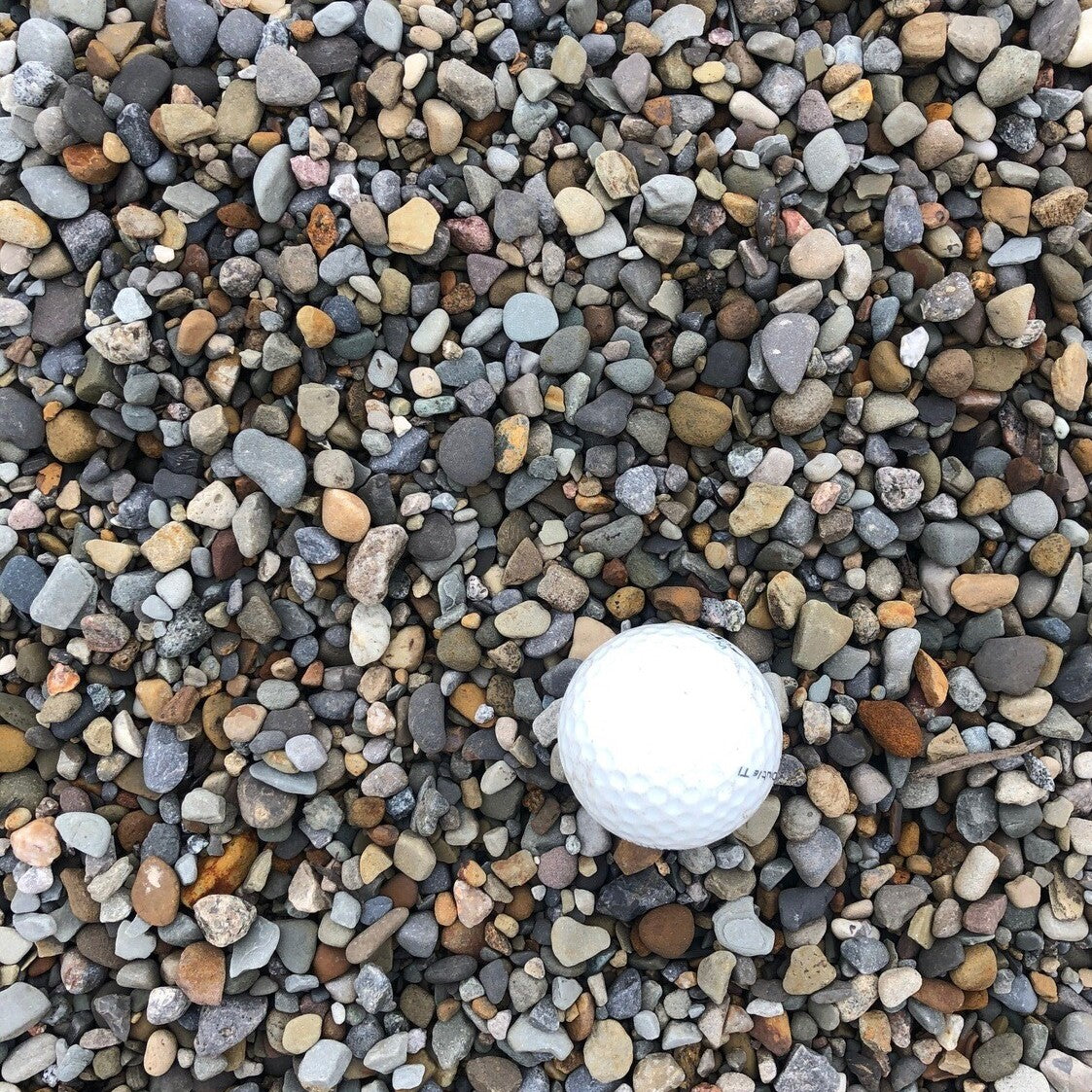
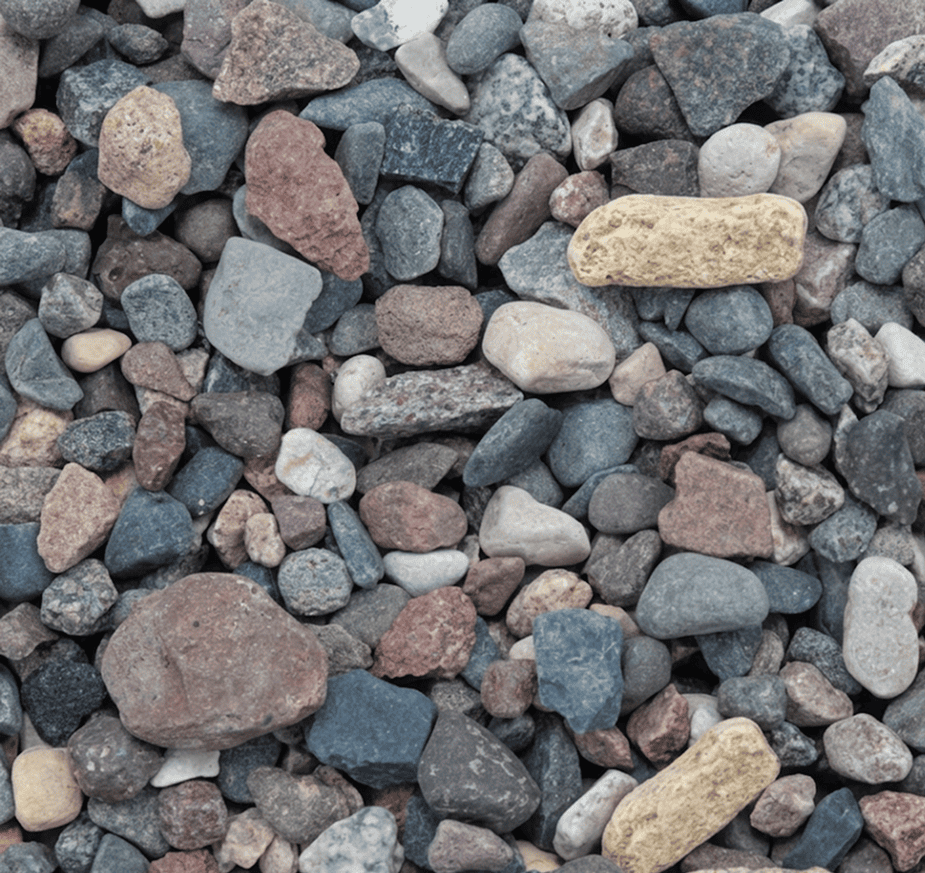
Smooth tumbled river rock, heavy enough to stay put in drainage runs and handsome enough for beds and borders.

Great experience with mulch mound. Their online calculator made it easy to estimate how many yards of mulch I needed and delivery was quick. I would definitely recommend them for your future projects.

At a 2 to 3 inch install depth, one cubic yard of landscape rock covers roughly 162 square feet at the shallow end of that range. Measure your bed's length and width, decide on 2 or 3 inches based on how much clay heaving you get over winter, and order in full cubic yards since this is a one time install worth getting right. Most Huntersville front beds run 3 to 6 cubic yards depending on how far the rock wraps around the foundation.

A yard is approximately 27 cubic feet. As a general guideline, one yard of material can cover an area of about 100-160 square feet at a 2-3 inch depth.

A yard is approximately 27 cubic feet. As a general guideline, one yard of material can cover an area of about 10 feet by 10 feet at a few inches deep.

Huntersville Landscape Rock Delivery

Huntersville Landscape Rock Delivery

4.7
137 reviews
Regular price $132.00 per Yard
Regular price Sale price $132.00
Sale Sold out
Shipping calculated at checkout.
Type
Size
Minimum of 3 Yard
Hand-picked local yards
4,000+ regional deliveries
Dedicated support
Why order through Mulch Mound

The best local landscape rock, without the guesswork.

We hand-pick and partner with the best yards in your region, keep only the ones our buyers rate well, and back each load with our guarantee.

Mulch Mound Guarantee

If your landscape rock isn't the quantity or quality you ordered, we'll make it right.

About this landscape rock

Smooth tumbled river rock, heavy enough to stay put in drainage runs and handsome enough for beds and borders.

Great experience with mulch mound. Their online calculator made it easy to estimate how many yards of mulch I needed and delivery was quick. I would definitely recommend them for your future projects.

At a 2 to 3 inch install depth, one cubic yard of landscape rock covers roughly 162 square feet at the shallow end of that range. Measure your bed's length and width, decide on 2 or 3 inches based on how much clay heaving you get over winter, and order in full cubic yards since this is a one time install worth getting right. Most Huntersville front beds run 3 to 6 cubic yards depending on how far the rock wraps around the foundation.

A yard is approximately 27 cubic feet. As a general guideline, one yard of material can cover an area of about 100-160 square feet at a 2-3 inch depth.

A yard is approximately 27 cubic feet. As a general guideline, one yard of material can cover an area of about 10 feet by 10 feet at a few inches deep.

View full details

How It Works

Getting started is easy — just follow these simple steps

1

Choose your quantity

Adjust the quantity to match your project. One cubic yard covers about 100 to 160 square feet at a 2 to 3 inch depth.

2

Select your delivery date

Select a delivery date you'd like for the product to be dropped off at your home

3

Sit back and wait

Sit back, wait, and let us work our magic to make sure the highest quality product is delivered to your driveway.

From The Mouths of Huntersville Folks

4.7
out of 5 based on 137 reviews
Google Reviews

Complete Your Outdoor Project

Landscape fabric underneath is what makes this a decade-long install instead of a weed patch, so budget for a roll if you don't already have one down. Steel or aluminum edging keeps rock from migrating into the lawn, especially where beds slope toward a downspout. If any part of the bed is meant to feed plants rather than just cover ground, keep that section in mulch instead, rock and root health don't mix.

Mulch Mound Pro Tip

Lay landscape fabric before the rock goes down, not after, and overlap seams by at least six inches since Huntersville's clay soil will still push up weeds through any gap over a couple of seasons. Skipping fabric to save time is the single most common reason a rock bed looks weedy again by year two, and once rock is down, pulling it back up to add fabric is a full day of extra labor.

Mulch Mound Pro Tip

Rock beds near mature oaks and hickories, common through this area, trap leaves worse than mulch does because leaves settle between the stones instead of matting on top. Plan on blowing or raking these beds out each fall before leaf drop peaks, otherwise decomposing leaf litter builds a thin soil layer on top of the rock that weeds happily root into by spring.

Mulch Mound Pro Tip

Buying the full cubic yardage in one delivery costs less in time and hassle than ordering twice, and since this is a permanent install there's no seasonal reorder to plan around like there is with mulch. If you're doing multiple beds, order everything at once even if you install in phases, matching rock color and size across a delayed second order is harder than it sounds.

Decorative Stone in Huntersville

Huntersville's red clay holds water long after a storm rolls off Lake Norman, and that moisture sits right under mulch beds until they turn to mush. Rock does not break down or compact into that clay, so it stays put on slopes near downspouts and along foundations where clay already sheds water fast. A lot of yards here near Latta Plantation deal with heavy leaf drop from mature hardwoods, so rock beds do need occasional blowing out, but they will not need topping off every spring the way bark mulch does. Zone 8a's wet winters and humid summers are hard on organic mulch, rock just sits there and does its job.

What Landscape Rock Is

Landscape rock is stone chosen for how it looks as much as what it does. River rock is smooth and rounded, decomposed granite is fine and packs firm underfoot. Both are sold by the cubic yard for beds, borders, paths, and dry creek beds.

River Rock vs Decomposed Granite

River rock stays loose and rolls, so it suits beds, borders, and drainage runs where it can sit in place. Decomposed granite compacts into a firm surface, so it suits paths, patios, and anywhere you will walk or roll a wheelbarrow.

Depth and Coverage

Spread river rock 2 to 3 inches deep over landscape fabric so it stays put and weeds stay down. Lay decomposed granite 3 to 4 inches deep, wet it, and compact it in lifts for a surface that sheds water instead of rutting.

Frequently Asked Questions

Click a question to see the answer

Answer

Will landscape rock work with Huntersville's clay soil or will it just sink in?

Rock stays on the surface over clay as long as fabric separates the two, clay's slow drainage actually helps here since it keeps the base underneath firm rather than shifting. Skipping fabric is what causes rock to work its way into soft clay over time, so that step matters more here than in sandier regions.

Answer

How many cubic yards do I need for a 200 square foot bed?

At 2 inches deep, one cubic yard covers about 162 square feet, so a 200 square foot bed needs roughly 1.25 cubic yards, order 1.5 to have a small buffer. Going to 3 inches deep instead pushes that closer to 1.85 cubic yards for the same bed.

Answer

When is the best time to install rock beds around here?

Anytime outside of heavy rain stretches works, but late fall after leaf drop or early spring before Huntersville's last frost around April 11 avoids fighting mud from saturated clay. Since this is a one time install, there's no seasonal rush, just avoid installing right after a heavy rain when the clay base underneath is still soft.

Answer

Where will the delivery truck place the rock and do I need a clear driveway?

You choose the drop location at checkout, most Huntersville customers use the driveway or a curb spot closest to the bed. Clear that area beforehand, the load is heavy and gets placed in one pile, so plan your wheelbarrow route from there to the bed before delivery day.

Answer

Should I use rock or mulch around my foundation plantings?

Rock works well tight against the foundation itself where nothing is planted, since it never breaks down and sheds water away from the house. Around actual plants and shrubs, mulch feeds the soil as it decomposes, something rock never does, so a lot of Huntersville yards mix both, rock nearest the wall and mulch further out.

More delivery around Huntersville, North Carolina

All Huntersville, North Carolina landscape supply
