The website was intuitive and easy to navigate. The material was delivered the date and time it was scheduled, it was dropped off in the area i had specified on top of my tarp with no issues.
I ordered soil, the Gardening Blend that I received had too many plastic and m...
Tell us what you're looking for
Thanks! We received your request.
Something went wrong. Please try again.
How Much Material Do I Need?
Plan on 12 to 18 inches for raised vegetable beds in Indio, 4 to 6 inches of topsoil worked into native sand for new lawn or groundcover areas, and 2 to 3 inches of compost as an annual amendment on existing beds.
Use our free soil calculator
What is a Yard?
A yard is approximately 27 cubic feet. As a general guideline, one yard of material can cover an area of about 100-160 square feet at a 2-3 inch depth.
The website was intuitive and easy to navigate. The material was delivered the date and time it was scheduled, it was dropped off in the area i had specified on top of my tarp with no issues.
I ordered soil, the Gardening Blend that I received had too many plastic and m...
How Much Material Do I Need?
Plan on 12 to 18 inches for raised vegetable beds in Indio, 4 to 6 inches of topsoil worked into native sand for new lawn or groundcover areas, and 2 to 3 inches of compost as an annual amendment on existing beds.
Use our free soil calculator
What is a Yard?
A yard is approximately 27 cubic feet. As a general guideline, one yard of material can cover an area of about 100-160 square feet at a 2-3 inch depth.
The website was intuitive and easy to navigate. The material was delivered the date and time it was scheduled, it was dropped off in the area i had...
Read full review
The website was intuitive and easy to navigate. The material was delivered the date and time it was scheduled, it was dropped off in the area i had specified on top of my tarp with no issues.
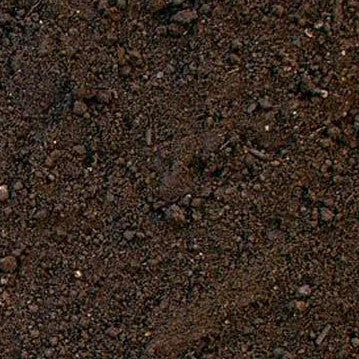
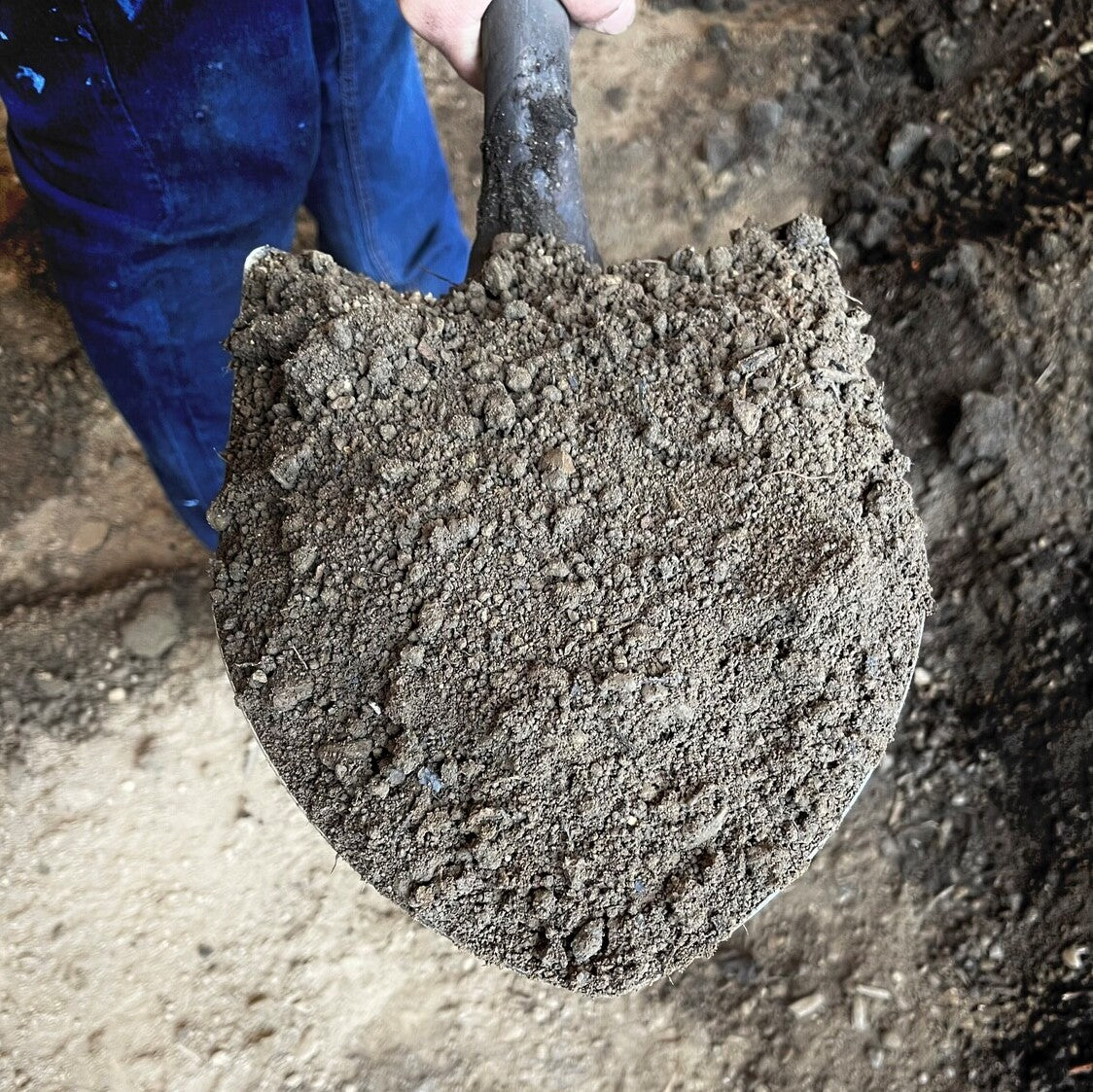
I ordered soil, the Gardening Blend that I received had too many plastic and metal pieces for my liking thus lowering the score from a perfect 5/5 to a 4/5
Really appreciate the care and follow thru that this company had with our order. A hiccup came up but they were quick to respond and address all co...
Read full review
Really appreciate the care and follow thru that this company had with our order. A hiccup came up but they were quick to respond and address all concerns, which made our garden day a success! Thank you for your prompt care.
Measure each bed separately, length times width in feet, then decide your target depth in inches before converting. For raised beds in Indio, measure to the inside dimensions of the frame rather than the outside, and remember to account for the 15 to 20 percent settling that compost rich mixes go through in our dry air. For lawn regrades, walk the area and note low spots, since filling them usually adds more volume than you expect.
Complete Your Outdoor Soil Project
Add compost to blend into the native sandy loam under your new soil, and a few yards of mulch to cap everything off so the surface does not bake and crust in the valley sun. Gypsum and a decomposed granite pathway material round out most Indio bed builds.
Can I just amend my native Indio sandy loam instead of buying soil?
You can, and for shrub and tree planting that is often the right approach, since desert adapted plants do better in native ground than in a rich pocket that holds water. But for vegetables, herbs, annual color, and lawn, native Indio sand simply does not hold enough moisture or nutrition. The usual recipe is to blend 2 to 3 inches of compost into the top 8 inches of existing soil, or skip the fight entirely and build a raised bed with imported garden mix.
Answer
How do I deal with the caliche layer under my yard?
Caliche, the cemented calcium carbonate hardpan common across the Coachella Valley, can sit anywhere from a few inches to a couple feet down. Dig a test hole and fill it with water, and if it still holds water hours later you have a drainage barrier. Options are breaking through it with a bar or auger so water has an escape route, or building up with 12 to 18 inches of imported soil above it. Never plant a tree in a caliche bathtub, the roots will drown even in a desert.
Answer
Is salt buildup a problem in Indio soil?
Yes, it is one of the most common issues here. Coachella Valley irrigation water carries dissolved salts, and with only 3 inches of rain there is almost no natural leaching to flush them out. Salts concentrate at the soil surface and at the edges of the wetted zone, showing up as white crust and burned leaf tips. Periodic deep irrigation, running long enough to push water well below the root zone, moves salt down. Gypsum and generous organic matter both help, and imported soil with good structure leaches far more effectively than compacted native ground.
Answer
What depth of soil do I need for a raised vegetable bed here?
Aim for 12 to 18 inches of good garden mix. In Indio's heat, shallow beds of 6 to 8 inches dry out by midday in summer and cook root systems, and the extra depth acts as a thermal and moisture buffer. If you are growing tomatoes, squash, or root crops in a fall through spring cycle, go toward 18 inches. Line the bottom with hardware cloth if gophers are active in your neighborhood.
Answer
When should I be planting in Indio, and does soil prep timing matter?
Our calendar is flipped from most of the country. The main growing season runs from September or October through May, with summer being the dormant, survival period. That means soil prep is best done in late August and September so beds are ready for fall planting, and again in January and February after the last frost on January 25. Building beds in June or July is possible but the soil biology in fresh compost will struggle in extreme heat.
Answer
How much will my new soil settle?
Expect 15 to 20 percent settling with a compost rich garden mix, which is more than most people plan for. In Indio the drying cycle accelerates it, since our low humidity pulls moisture out and the organic fraction shrinks quickly. Fill raised beds an inch or two above the rim and water them in thoroughly before planting so you settle them on purpose rather than discovering the drop three weeks later.
Answer
Do I need special soil for citrus and date palms?
Citrus in Indio needs drainage above all else, so avoid heavy or peat heavy mixes and never plant in a low spot that collects irrigation runoff. A sandy loam based topsoil with modest compost is ideal, planted slightly high so the graft union stays well above grade. Date palms and other established desert palms are content in native sand and mostly need consistent water and nutrition rather than imported soil.
Mulch Mound Pro Tip
Build a berm and basin around every new tree or large shrub. In Indio's sandy loam, water applied to a flat surface runs straight down in a narrow column and misses most of the root ball. A shallow soil basin roughly the width of the canopy, with a raised lip of soil, holds each irrigation long enough to soak outward. Rebuild the basin every spring, since wind and settling flatten it within a season.
Mulch Mound Pro Tip
Do not overload planting holes with rich imported soil for desert adapted species. Mesquite, palo verde, desert willow, and most native shrubs will circle their roots inside a cushy amended pocket rather than pushing out into the surrounding sand, leaving them unstable and dependent on irrigation forever. Backfill those holes with mostly native soil, save your good garden mix for vegetables, annuals, and citrus, and let the desert plants toughen up.
Mulch Mound Pro Tip
Water new soil in stages rather than all at once. Fresh compost rich mixes in Indio's dry air can develop a water repellent surface, where the first irrigation beads up and runs off instead of soaking in. Apply a short cycle, wait 20 to 30 minutes, then apply another, repeating until the profile is wet to full depth. Once the soil has been thoroughly wetted the first time, it accepts water normally for the rest of the season.
The Unique Landscape of Indio
Native Indio ground is sandy loam sitting on old Coachella Valley alluvium, which drains beautifully but holds almost no water and very little organic matter. With just 3 inches of annual rainfall there is no natural leaf litter cycle building topsoil the way there is in wetter climates, so what you have is essentially mineral sand with minimal biology. Imported topsoil and compost blends give roots something with structure and water holding capacity, which is the difference between a vegetable bed that produces through a mild winter and one that wilts by noon. Many valley soils also carry salt and caliche layers that block drainage and burn roots, so building raised beds with quality soil is often easier than fighting what is underground. Because Indio's frost window is narrow, from December 15 to January 25, good soil lets you grow productively for ten or eleven months a year. Adding organic matter also improves how evenly drip water spreads sideways instead of drilling straight down.