




Great service. We ordered topsoil from Mulch Mound and the best experience. Thank you so much!
About this soil
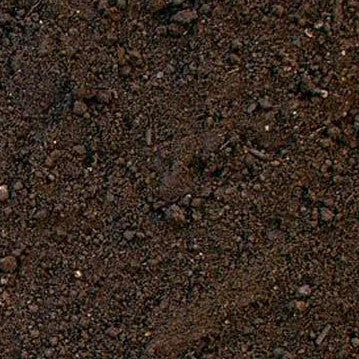
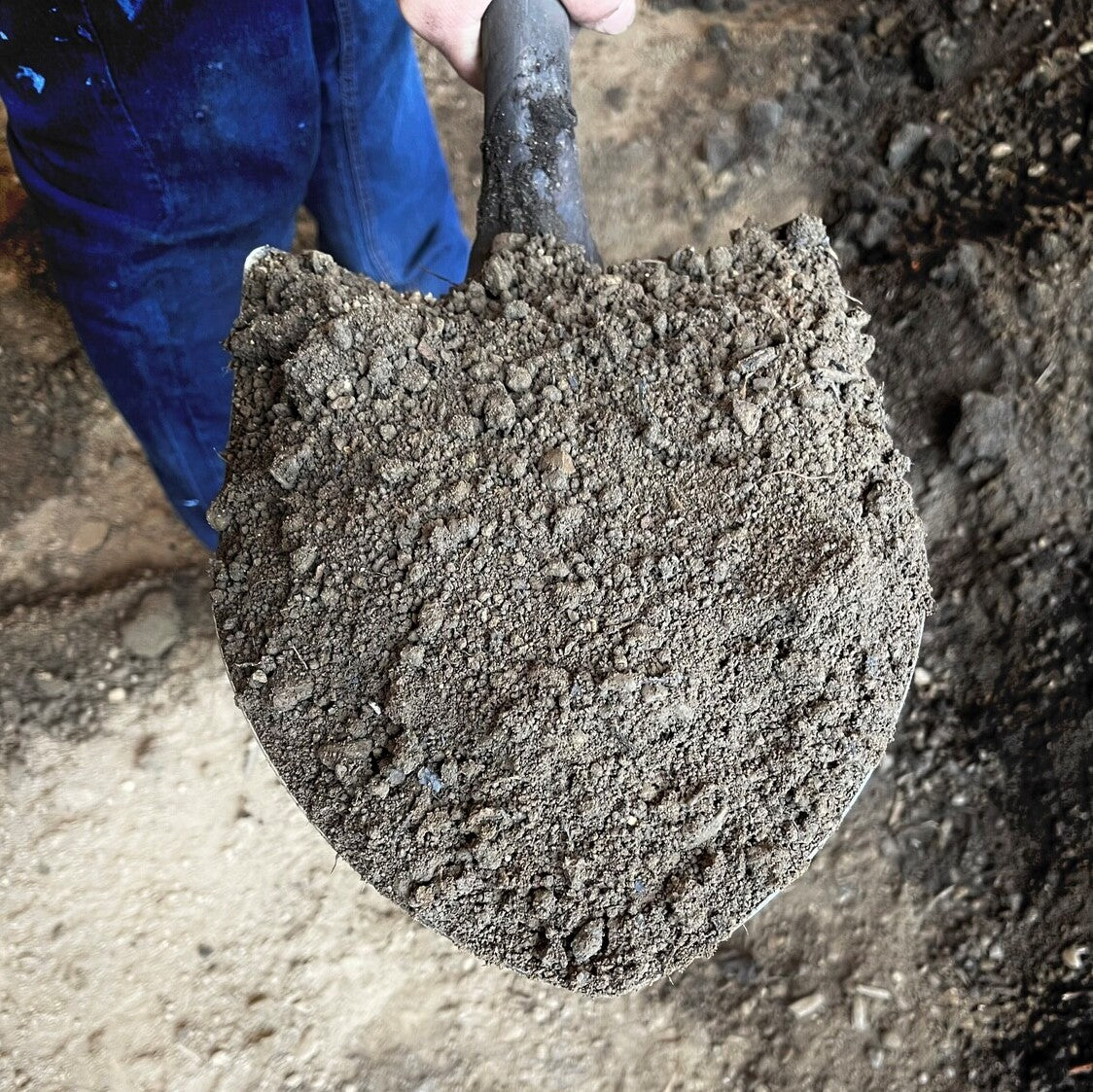
Screened topsoil with a fine, even texture. Ideal for new lawns, sod prep, and raised garden beds.
Great service. We ordered topsoil from Mulch Mound and the best experience. Thank you so much!
Tell us what you're looking for
Thanks! We received your request.
Something went wrong. Please try again.
How Much Material Do I Need?
How Much Material Do I Need?
Plan on six to twelve inches of soil for new raised beds, three to four inches for reworking a planting bed, and a half inch or less for lawn top dressing. Deeper is better for vegetables given how quickly our summer heat dries the top few inches.
Use our free soil calculator
What is a Yard?
What is a Yard?
FAQs
FAQs
Junction City Soil Delivery
Junction City Soil Delivery
Regular price
$64.00
per
Yard
Regular price
Sale price
$64.00
Unit price
per
Shipping calculated at checkout.
Minimum of 3 Yard
Couldn't load pickup availability
Not currently available
We can't take orders for this right now. Tell us what you need and we'll get back to you.
Hand-picked local yards
4,000+ regional deliveries
Dedicated support
Why order through Mulch Mound
The best local , without the guesswork.
We hand-pick and partner with the best yards in your region, keep only the ones our buyers rate well, and back each load with our guarantee.
Mulch Mound Guarantee
If your isn't the quantity or quality you ordered, we'll make it right.
About this soil
Screened topsoil with a fine, even texture. Ideal for new lawns, sod prep, and raised garden beds.
Great service. We ordered topsoil from Mulch Mound and the best experience. Thank you so much!
How Much Material Do I Need?
How Much Material Do I Need?
Plan on six to twelve inches of soil for new raised beds, three to four inches for reworking a planting bed, and a half inch or less for lawn top dressing. Deeper is better for vegetables given how quickly our summer heat dries the top few inches.
Use our free soil calculator
What is a Yard?
What is a Yard?
FAQs
FAQs
Tell us what you're looking for
Thanks! We received your request.
Something went wrong. Please try again.

How It Works
Getting started is easy — just follow these simple steps
1
Choose your soil
Make sure you adjust the quantity to your home's needs. You can use our calculator to estimate how much you'll need.
2
Select your delivery date
Select a delivery date you'd like for the product to be dropped off at your home
3
Sit back and wait
Sit back, wait, and let us work our magic to make sure the highest quality product is delivered to your driveway.

Placing an order online was so easy. Delivery was on time. When the driver realized we had a newly poured driveway they erred on the side of cautio...
Read full review
Placing an order online was so easy. Delivery was on time. When the driver realized we had a newly poured driveway they erred on the side of caution and opted not ti drive in it. The company even sent me a message explaining that call. Would recommend!

Online ordering was really simple and I liked the transparent pricing.
Need Help Calculating How Much Soil You Need?
Use our NEW Trace from Satellite tool to get an estimate for your project based on an aerial view of your property
Try Our CalculatorMeasure your bed or repair area in feet, multiply length by width, and note the depth you want in inches. Junction City lawn leveling usually needs far less material than people assume, often under an inch, so measure the depth of your low spots with a straightedge and tape rather than guessing. Enter the numbers and the calculator converts everything into cubic yards.
Complete Your Outdoor Soil Project
Add compost to boost organic matter in Junction City's compacted silt loam, and finish with a few yards of hardwood mulch to lock moisture into your newly amended beds.
Service area
Areas we deliver soil in Junction City, Kansas
Mulch Mound Pro Tip
Top dress your lawn in early fall rather than midsummer. Junction City cool season grasses like tall fescue put on their strongest root growth between mid September and the October 15 first frost, so soil applied then gets worked in naturally over winter. Summer top dressing smothers stressed turf during the exact weeks it is already fighting heat and low rainfall.
Mulch Mound Pro Tip
Avoid creating a soil interface. If you dump a pile of loose topsoil directly onto compacted Junction City subsoil without blending, roots hit that boundary and stop cold, and water perches above it. Break up the top few inches of existing ground with a garden fork or tiller, then work your new soil into that loosened layer so the transition is gradual instead of abrupt.
Mulch Mound Pro Tip
Test before you amend. Kansas State Research and Extension offers soil testing through the Geary County office, and it costs very little. Junction City silt loam is often slightly alkaline, which locks up iron and explains yellowing on pin oaks and river birch. Knowing your actual pH and phosphorus levels before you buy amendments saves money and prevents adding things your soil already has plenty of.
The Unique Landscape of Junction City
Junction City's native silt loam is naturally productive, but decades of construction grading around Geary County subdivisions have left many lots with subsoil at the surface and very little topsoil left. What remains often compacts under foot traffic and mower weight, which is why water pools in low spots after a spring storm instead of soaking in. Bringing in quality screened topsoil or compost blend gives roots a workable layer to establish in before the summer heat arrives. In zone 6a with a growing window running roughly from April 15 to October 15, new plantings only get so many weeks to build a root system, and poor soil wastes those weeks. Good soil is also the difference between a raised bed that produces tomatoes all August and one that dries out by the Fourth of July.