


We had a great experience with mulch mound! Our mulch arrived when we requested. The delivery fee was so reasonable. We’ll use them again for sure!
About this fill dirt
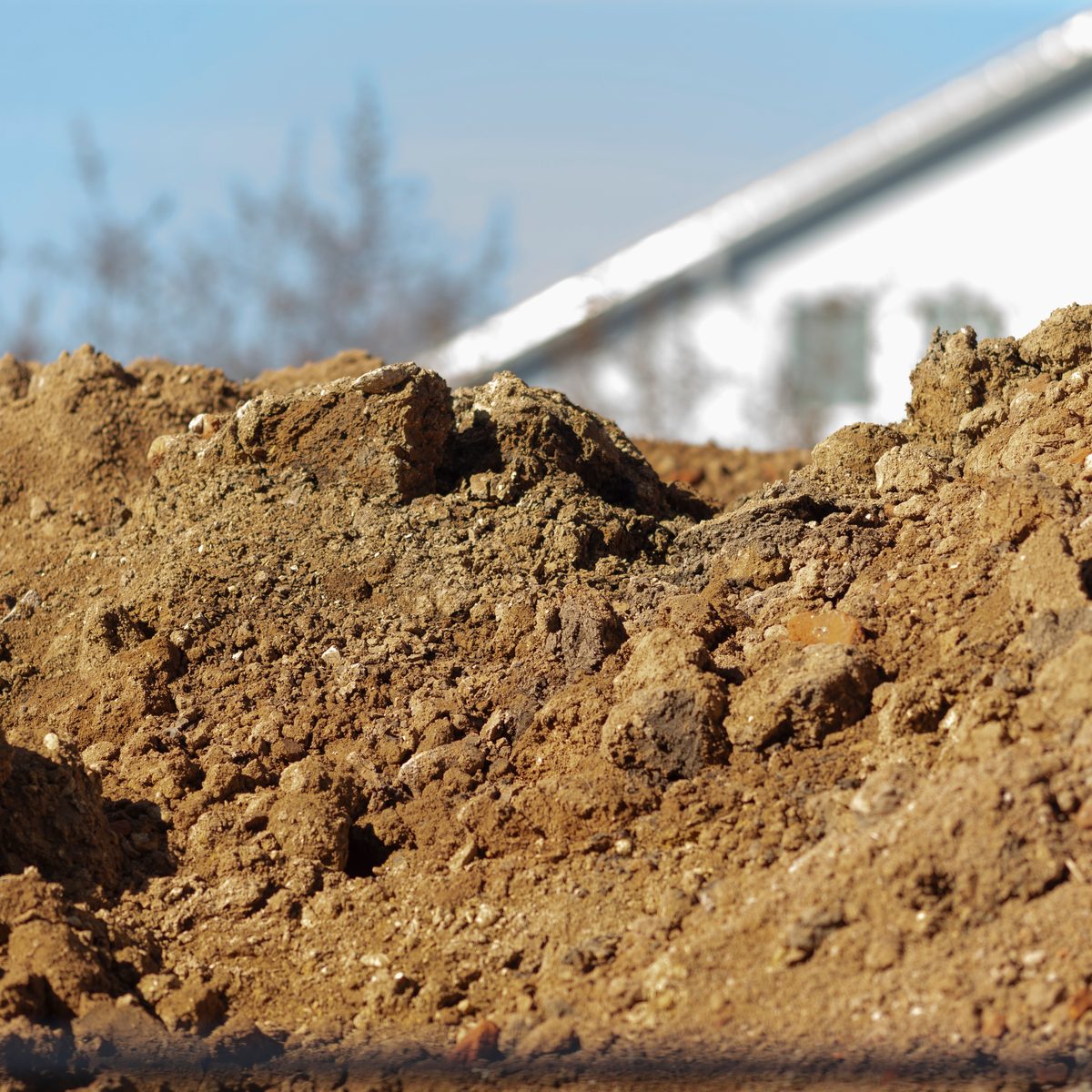
Inorganic subsoil for filling holes, raising low ground, and backfill. Small rocks and bits of stick or root are normal in the mix, this is structural material and not a growing medium. Do not use it to level a lawn surface or fill flower beds, put topsoil over it for anything you want to plant. Place it in lifts and compact as you go.
We had a great experience with mulch mound! Our mulch arrived when we requested. The delivery fee was so reasonable. We’ll use them again for sure!
Tell us what you're looking for
Thanks! We received your request.
Something went wrong. Please try again.
How Much Fill Dirt Do I Need?
How Much Fill Dirt Do I Need?
One cubic yard of fill dirt covers about 54 square feet at a 6 inch depth, and most structural jobs call for 6 to 12 inches once compacted. For a pool backfill, foundation area, or a low spot in the yard, measure the square footage and multiply by your target depth in feet to get cubic yards needed, then round up since compaction will settle the material below its loose volume. Ordering by the cubic yard also means you are not guessing with bag counts on a job that could run into dozens of yards.
Estimate fill dirt with our free topsoil calculator
What is a yard?
What is a yard?
FAQs
FAQs
Kettering Fill Dirt Delivery
Kettering Fill Dirt Delivery
Regular price
$19.00
per
yard
Regular price
Sale price
$19.00
Unit price
per
Shipping calculated at checkout.
Couldn't load pickup availability
Not currently available
We can't take orders for this right now. Tell us what you need and we'll get back to you.
Hand-picked local yards
4,000+ regional deliveries
Dedicated support
Why order through Mulch Mound
The best local fill dirt, without the guesswork.
We hand-pick and partner with the best yards in your region, keep only the ones our buyers rate well, and back each load with our guarantee.
Mulch Mound Guarantee
If your fill dirt isn't the quantity or quality you ordered, we'll make it right.
About this fill dirt
Inorganic subsoil for filling holes, raising low ground, and backfill. Small rocks and bits of stick or root are normal in the mix, this is structural material and not a growing medium. Do not use it to level a lawn surface or fill flower beds, put topsoil over it for anything you want to plant. Place it in lifts and compact as you go.
We had a great experience with mulch mound! Our mulch arrived when we requested. The delivery fee was so reasonable. We’ll use them again for sure!
How Much Fill Dirt Do I Need?
How Much Fill Dirt Do I Need?
One cubic yard of fill dirt covers about 54 square feet at a 6 inch depth, and most structural jobs call for 6 to 12 inches once compacted. For a pool backfill, foundation area, or a low spot in the yard, measure the square footage and multiply by your target depth in feet to get cubic yards needed, then round up since compaction will settle the material below its loose volume. Ordering by the cubic yard also means you are not guessing with bag counts on a job that could run into dozens of yards.
Estimate fill dirt with our free topsoil calculator
What is a yard?
What is a yard?
FAQs
FAQs
Tell us what you're looking for
Thanks! We received your request.
Something went wrong. Please try again.
How It Works
Getting started is easy — just follow these simple steps
1
Choose your quantity
Adjust the quantity to match your project. One cubic yard covers about 100 to 160 square feet at a 2 to 3 inch depth.
2
Select your delivery date
Select a delivery date you'd like for the product to be dropped off at your home
3
Sit back and wait
Sit back, wait, and let us work our magic to make sure the highest quality product is delivered to your driveway.


First time going with this company for mulch and it was an efficient process from start to finish. Website was easy—I told them exactly where I wan...
Read full review
First time going with this company for mulch and it was an efficient process from start to finish. Website was easy—I told them exactly where I wanted the mulch put on my driveway, and it was delivered perfectly when I got home from work the next day. Best deal around when I compared it to competitors and I will definitely be becoming back.
Complete Your Outdoor Project
Most fill jobs in Kettering finish with a cap of topsoil once the structural fill is compacted, especially if grass or beds are going back on top. If you are backfilling near a foundation or pool, a layer of gravel underneath the fill can help with drainage before the dirt goes in. Either way, plan on renting or borrowing a plate compactor, it does more for the long term stability of the fill than the dirt itself.


Mulch Mound Pro Tip
Fill dirt is not a growing medium, it is structural. Place it in 6 to 8 inch lifts and compact each one before adding the next, especially in Kettering's silt loam where uncompacted fill can keep settling for a year or more after the job looks finished. Skipping this step is the most common reason a backfilled area near a foundation or pool ends up with a dip six months later that nobody can explain.
Mulch Mound Pro Tip
The biggest mistake we see on fill jobs here is dumping the whole load in one pile and spreading it thin, expecting it to settle evenly on its own. It will not, especially once fall rains soak into silt loam that already drains slowly. Work in lifts, compact as you go, and give yourself time before the October frost sets in to finish grading while the ground is still workable.
Mulch Mound Pro Tip
If your project needs both structural fill and a finished growing surface, order fill dirt for the bulk of the depth and cap the top few inches with topsoil, rather than paying for topsoil all the way down. It is a cheaper way to get the height you need and the topsoil layer is where roots actually live, so that is the only part that needs to be quality growing medium.
Grading and Filling in Kettering
Kettering's silt loam drains slowly and shifts more than sandier soils when it gets wet, which is exactly why fill projects here need compacted lifts instead of a single dumped pile. Homes near Fraze Pavilion and through the older parts of town often have low spots from decades of settling, foundation grading that never quite finished, or pool decks that sank an inch a year until someone noticed. With a last frost near the end of April and first frost around October 17, most fill and grading work in this area happens in that window before the ground firms up or freezes. Get the structural fill in and compacted before winter, then cap with topsoil in spring if anything needs to grow there.
What Fill Dirt Is
Fill dirt is inorganic subsoil sold for volume and grade, not for growing. Small rocks and bits of stick or root are normal in the mix. It compacts predictably, which is exactly what you want under slabs, in trenches, and behind walls.
Fill Dirt vs Topsoil
Fill dirt builds the shape of the ground, topsoil grows things on top of it. Bring the grade up with fill, then cap it with 4 to 6 inches of topsoil anywhere grass or plants are going in.
Compact in Lifts
Place fill in layers of 4 to 6 inches and compact each one before adding the next. Dumping the full depth at once leaves voids that settle later, and settling is the one problem fill is supposed to solve.