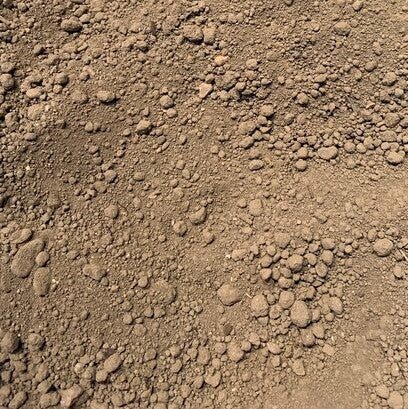
About this soil

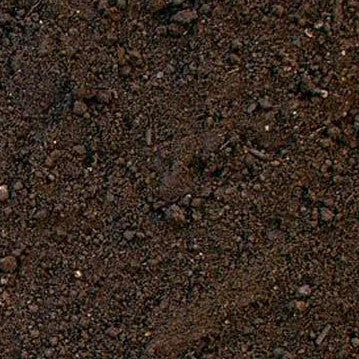
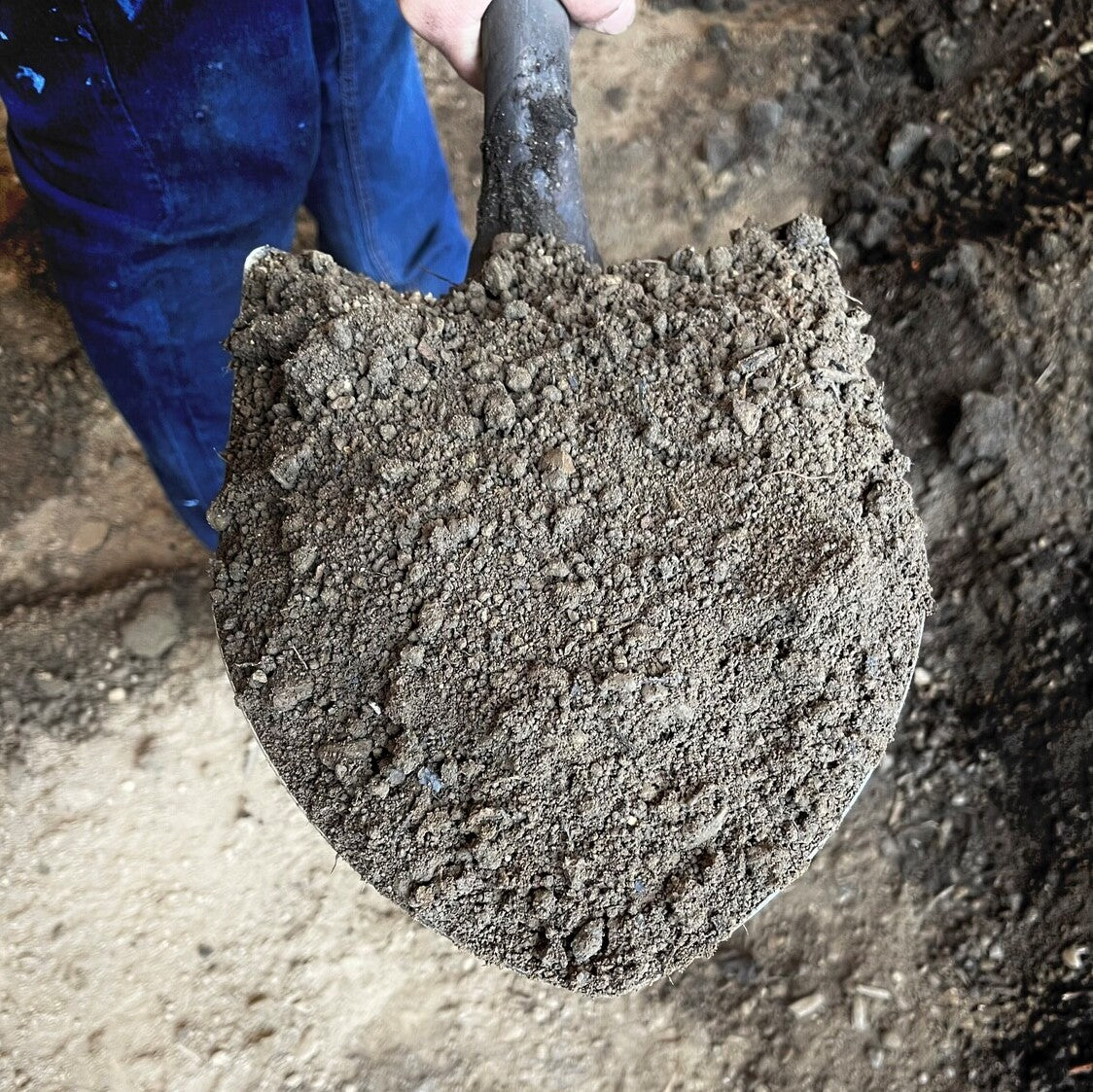
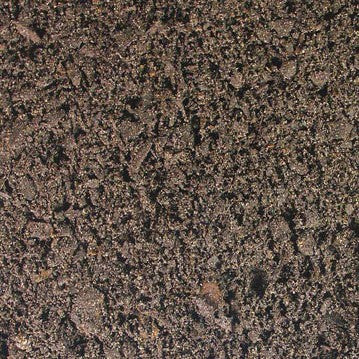
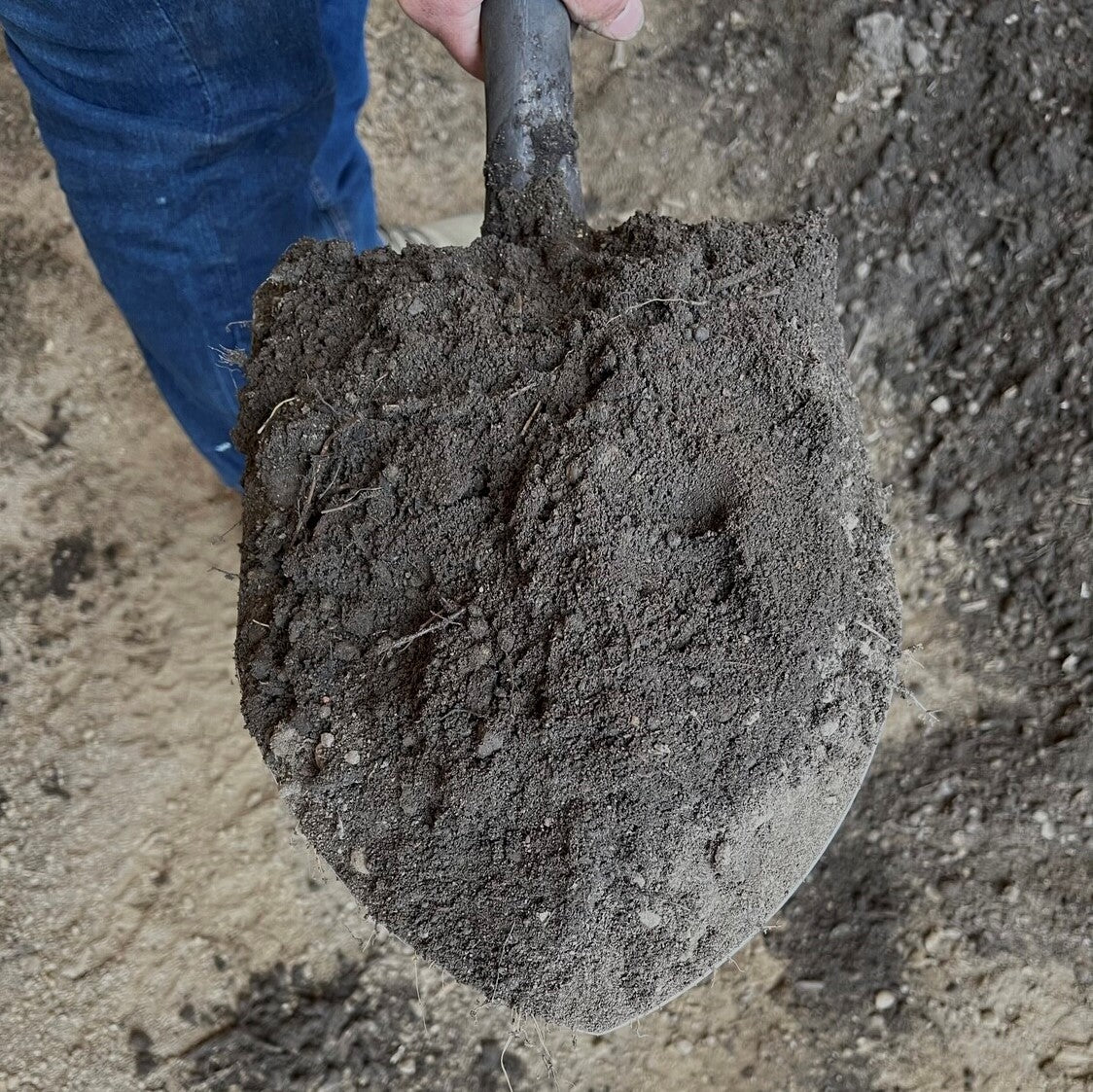
Screened topsoil with a fine, even texture. Ideal for new lawns, sod prep, and raised garden beds.

I used Mulch Mound to have 3 cubic yards of garden soil delivered. The process was easy and I love that I didn't have to call anyone. I placed my order online, picked my delivery date, laid out my tarp and the dirt was delivered. My delivery had to be pushed back, but I was ke...

Use 4 to 6 inches of topsoil for new lawn areas, 8 to 12 inches for planting beds, and 10 to 12 inches of garden mix in raised beds. One cubic yard covers about 100 square feet at 3 inches deep.
Use our free soil calculator

A yard is approximately 27 cubic feet. As a general guideline, one yard of material can cover an area of about 100-160 square feet at a 2-3 inch depth.

Kettering Soil Delivery

Kettering Soil Delivery

4.7
137 reviews
Regular price $55.00 per Yard
Regular price Sale price $55.00
Sale Sold out
Shipping calculated at checkout.
Type
Style
Hand-picked local yards
4,000+ regional deliveries
Dedicated support
Why order through Mulch Mound

The best local , without the guesswork.

We hand-pick and partner with the best yards in your region, keep only the ones our buyers rate well, and back each load with our guarantee.

Mulch Mound Guarantee

If your isn't the quantity or quality you ordered, we'll make it right.

About this soil

Screened topsoil with a fine, even texture. Ideal for new lawns, sod prep, and raised garden beds.

I used Mulch Mound to have 3 cubic yards of garden soil delivered. The process was easy and I love that I didn't have to call anyone. I placed my order online, picked my delivery date, laid out my tarp and the dirt was delivered. My delivery had to be pushed back, but I was ke...

Use 4 to 6 inches of topsoil for new lawn areas, 8 to 12 inches for planting beds, and 10 to 12 inches of garden mix in raised beds. One cubic yard covers about 100 square feet at 3 inches deep.
Use our free soil calculator

A yard is approximately 27 cubic feet. As a general guideline, one yard of material can cover an area of about 100-160 square feet at a 2-3 inch depth.

View full details

How It Works

Getting started is easy — just follow these simple steps

1

Choose your soil

Make sure you adjust the quantity to your home's needs. You can use our calculator to estimate how much you'll need.

2

Select your delivery date

Select a delivery date you'd like for the product to be dropped off at your home

3

Sit back and wait

Sit back, wait, and let us work our magic to make sure the highest quality product is delivered to your driveway.

What Kettering Customers Like About Our Soil

4.7
out of 5 based on 137 reviews
Google Reviews

Need Help Calculating How Much Soil You Need?

Use our NEW Trace from Satellite tool to get an estimate for your project based on an aerial view of your property

Try Our Calculator
📍

Measure your project area in feet and decide on a finished depth before you order, because soil settles more than mulch does. Length times width times depth in feet, divided by 27, gives you cubic yards, and adding ten percent covers the compaction you will see after the first few Kettering rains. For raised beds, measure the inside dimensions of the frame rather than the outside.

Complete Your Outdoor Soil Project

Finish new beds with a few yards of hardwood mulch to hold moisture in the fresh soil, and consider gravel or river rock for the drainage swales that Kettering's spring runoff usually reveals.

Frequently Asked Questions

Click a question to see the answer

Answer

Why does my Kettering yard puddle even though we have silt loam?

Silt loam drains reasonably well when it has structure, but construction traffic and years of mowing compact the top layer until water cannot get through. Many Kettering lots also have builder subsoil near the surface where the original topsoil was stripped. Adding 2 to 3 inches of compost enriched topsoil and core aerating first restores pore space so the 41 inches of rain we get can actually soak in.

Answer

How much topsoil do I need to level low spots in my lawn?

For shallow settling of an inch or less, a topdressing blend spread thin lets grass grow right through. For deeper depressions, fill no more than 2 inches at a time and let the grass recover between applications. A typical Kettering back yard with several sunken spots usually needs 1 to 3 cubic yards total, and one yard covers about 325 square feet at one inch deep.

Answer

When can I start working soil in the spring here?

Wait until the soil crumbles instead of smearing when you squeeze a handful, usually early to mid April in Kettering. Working wet silt loam destroys its structure and creates concrete like clods that last all season. Since our last frost averages April 30, you have plenty of time to prep beds in mid April and still plant tomatoes and peppers safely in the first half of May.

Answer

What soil should I use for raised vegetable beds?

A garden mix of screened topsoil and compost works best for Kettering raised beds, because straight native silt loam packs down too tightly inside a frame. Fill to within an inch or two of the top and expect it to settle a few inches over the first season. Plan to add an inch of compost each spring, since our rainfall steadily washes nutrients down and out.

Answer

Should I test my soil before ordering?

It is worth it if you are starting a large project. Kettering soils often run slightly alkaline because of the limestone bedrock under the Miami Valley, which can lock up iron for acid lovers like blueberries, azaleas, and pin oaks. The OSU Extension office in Montgomery County can point you to testing labs, and knowing your pH tells you whether to order a standard topsoil or something amended.

Answer

Can I use fill dirt instead of topsoil to save money?

Fill dirt is fine for building up grade behind a wall or correcting a slope away from your foundation, and it is cheaper by the yard. It has almost no organic matter, though, so nothing will grow well in it. The usual approach in Kettering is fill dirt for bulk volume topped with 4 to 6 inches of screened topsoil where you actually want turf or plants.

Answer

How late in the year can I put down soil and seed?

Late August through late September is the best window in Kettering, since warm soil and cooling air favor cool season grasses. You want roots established well before the October 17 first frost. If you miss that window, hold off and do a dormant seeding in late November or wait for spring rather than seeding into cold October soil that will not germinate.

Mulch Mound Pro Tip

Do not just dump topsoil on top of hard, compacted ground. Kettering lawns often have a compacted layer three or four inches down from years of mowing on damp silt loam, and new soil laid over it creates a distinct boundary that roots refuse to cross. Rip or till the existing surface a few inches first so the new and old soil blend. Water moves through the transition instead of perching on top of it.

Mulch Mound Pro Tip

Add compost every single spring rather than relying on one big soil installation. With 41 inches of rain moving through Kettering soil each year, organic matter oxidizes and leaches out faster than most homeowners expect. A half inch of compost worked into bed surfaces each April keeps the silt loam crumbly, feeds soil biology, and holds nutrients that would otherwise wash toward Holes Creek after the next heavy storm.

Mulch Mound Pro Tip

Grade soil away from your foundation at roughly one inch of drop per foot for the first ten feet. Many Kettering homes were built in the 1950s and 1960s, and the backfill around those foundations has settled inward over sixty years, sending storm water straight to the basement wall. Bring in fill dirt to rebuild that slope, then cap it with topsoil and grass or mulch so the fill does not erode.

The Unique Landscape of Kettering

Most Kettering lots were graded decades ago, and the builder often scraped the good topsoil off and left homeowners with subsoil clay mixed into the native silt loam. That is why so many yards between Dorothy Lane and Stroop Road puddle after a storm and grow thin, patchy turf even with fertilizer. Bringing in screened topsoil or a compost blend rebuilds the organic layer that Kettering's 41 inches of yearly rain has been slowly leaching away. Good soil also gives roots somewhere to go during the long zone 6b growing season between the April 30 last frost and the October 17 first frost. At 1007 feet with real freeze and thaw cycles, a deep, well structured soil profile is what keeps beds from heaving and settling every winter.