


I needed 3 yards of top soil and that's what I got! Right on time and right where I asked it to be placed (Order# 2041).
About this firewood
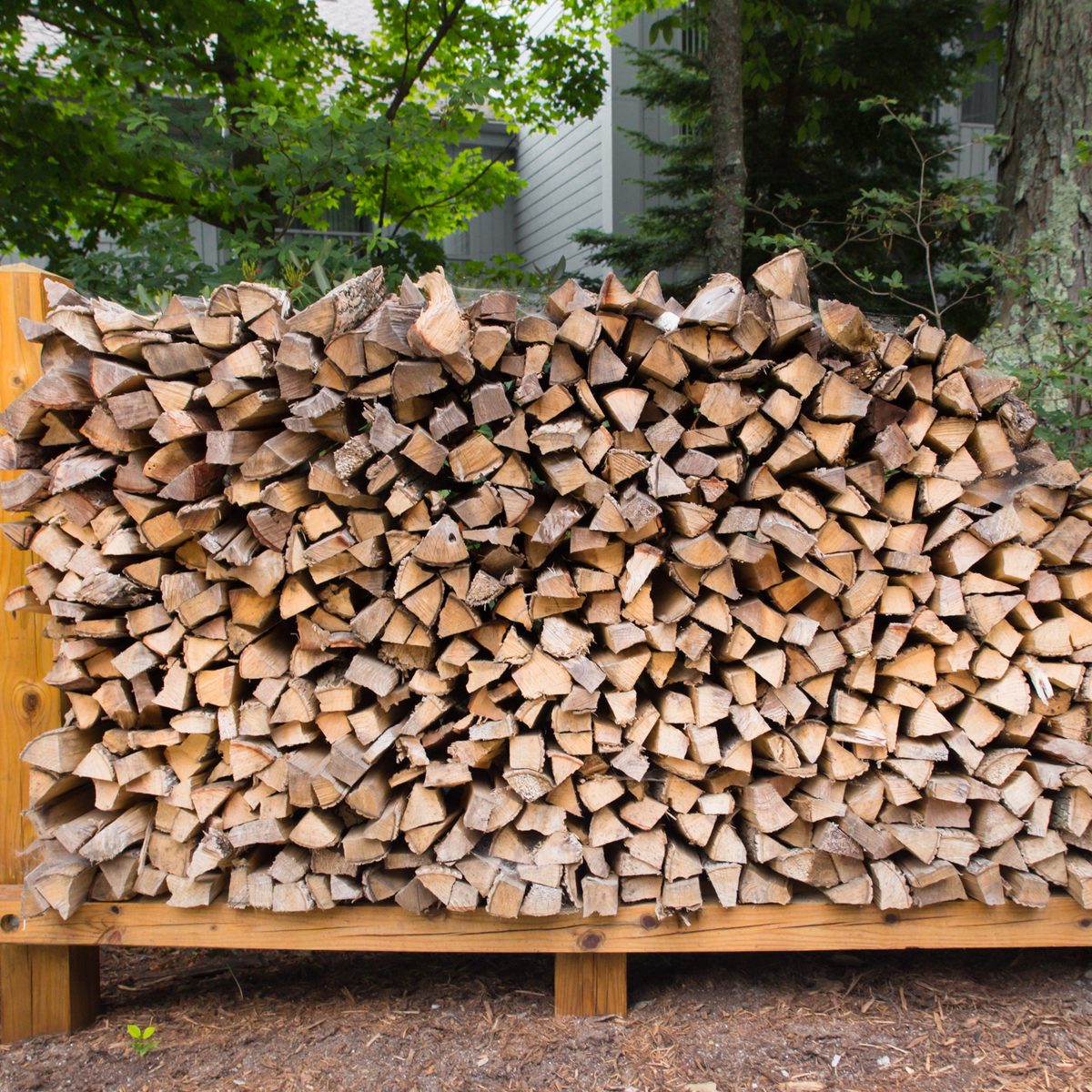
A full cord of seasoned split hardwood, 128 cubic feet stacked. The best value per log for wood stoves and heavy winter burning.
I needed 3 yards of top soil and that's what I got! Right on time and right where I asked it to be placed (Order# 2041).
Tell us what you're looking for
Thanks! We received your request.
Something went wrong. Please try again.
How Much Firewood Do I Need?
How Much Firewood Do I Need?
For a typical Kokomo heating season, plan on a half cord for occasional use or a full cord if firewood is your primary heat source from October through April.
What is a Cord?
What is a Cord?
What is a 1/2 Cord?
What is a 1/2 Cord?
FAQs
FAQs
Kokomo Firewood Delivery
Kokomo Firewood Delivery
Regular price
$450.00
per
Cord
Regular price
Sale price
$450.00
Unit price
per
Shipping calculated at checkout.
Couldn't load pickup availability
Not currently available
We can't take orders for this right now. Tell us what you need and we'll get back to you.
Hand-picked local yards
4,000+ regional deliveries
Dedicated support
Why order through Mulch Mound
The best local firewood, without the guesswork.
We hand-pick and partner with the best yards in your region, keep only the ones our buyers rate well, and back each load with our guarantee.
Mulch Mound Guarantee
If your firewood isn't the quantity or quality you ordered, we'll make it right.
About this firewood
A full cord of seasoned split hardwood, 128 cubic feet stacked. The best value per log for wood stoves and heavy winter burning.
I needed 3 yards of top soil and that's what I got! Right on time and right where I asked it to be placed (Order# 2041).
How Much Firewood Do I Need?
How Much Firewood Do I Need?
For a typical Kokomo heating season, plan on a half cord for occasional use or a full cord if firewood is your primary heat source from October through April.
What is a Cord?
What is a Cord?
What is a 1/2 Cord?
What is a 1/2 Cord?
FAQs
FAQs
Tell us what you're looking for
Thanks! We received your request.
Something went wrong. Please try again.


How It Works
Getting started is easy — just follow these simple steps
1
Choose your cord size
Make sure you adjust the quantity to your home's needs. A full cord suits steady winter heating, and a smaller order suits occasional fires.
2
Select your delivery date
Select a delivery date you'd like for the product to be dropped off at your home
3
Sit back and wait
Sit back, wait, and let us work our magic to make sure the highest quality product is delivered to your driveway.

We had a great experience with mulch mound! Our mulch arrived when we requested. The delivery fee was so reasonable. We’ll use them again for sure!

Complete Your Outdoor Project
While you are prepping for winter, check out our mulch and stone options sourced for the same Kokomo area soil and climate to finish off garden beds before the ground freezes.


Service area
Areas we deliver firewood in Kokomo, Indiana
Mulch Mound Pro Tip
Stack your firewood off the ground on pallets or rails so Kokomo's damp clay loam soil does not wick moisture back into the wood over winter. Leave a few inches between rows for airflow, and cover just the top of the stack with a tarp rather than wrapping the whole pile, since trapped humidity under a fully covered stack can undo the seasoning you paid for.
Mulch Mound Pro Tip
Oak and hickory burn slower and hotter, making them ideal for overnight loads on the coldest Kokomo nights, while ash lights faster and works well for getting a fire going quickly. Mixing species in your firebox lets you get a quick catch from ash kindling wood before settling into a long, steady burn from denser oak or hickory splits.
Mulch Mound Pro Tip
Order your seasonal supply before the first frost hits around October 18, since demand climbs fast once temperatures drop and delivery windows fill up during the first real cold snap. Buying early also gives any borderline splits a few extra weeks of airflow in your stack before you need them for a hard freeze in January.
Wood Heat in Kokomo
Kokomo winters stretch from a first frost around October 18 to a last frost near April 15, which means woodstoves and fireplaces in Howard County can see six months of real work. That kind of heating season punishes green or half seasoned wood, since unseasoned logs hiss, smoke, and throw far less heat when temperatures drop into the teens. Our wood is seasoned down to a low moisture content before it ever reaches your driveway, so it lights faster and burns hotter through central Indiana's damp, silty clay loam climate. Local hardwoods like oak, hickory, and ash hold their heat output well through long cold snaps once properly dried. Central Indiana's humid summers mean wood needs a full season under cover to season correctly, and we handle that step so you do not have to.

Local Hardwood Species
Expect dense regional hardwoods like oak, hickory, maple, and ash. These species burn longer and hotter than softwoods, which is what you want when a cold snap settles in and the stove runs all day.

Seasoning and Moisture
Firewood needs 6 to 12 months of drying before it burns well. Properly seasoned wood lights faster, throws more heat, and keeps creosote out of your chimney, which matters most in the coldest weeks of the year.

Buy Local, Burn Local
Firewood that travels long distances spreads invasive pests like the emerald ash borer. Our wood is cut and seasoned close to where it is delivered, which protects local trees and means fresher wood for you.