




Great service. We ordered topsoil from Mulch Mound and the best experience. Thank you so much!
About this soil
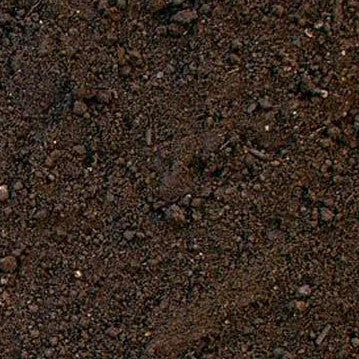
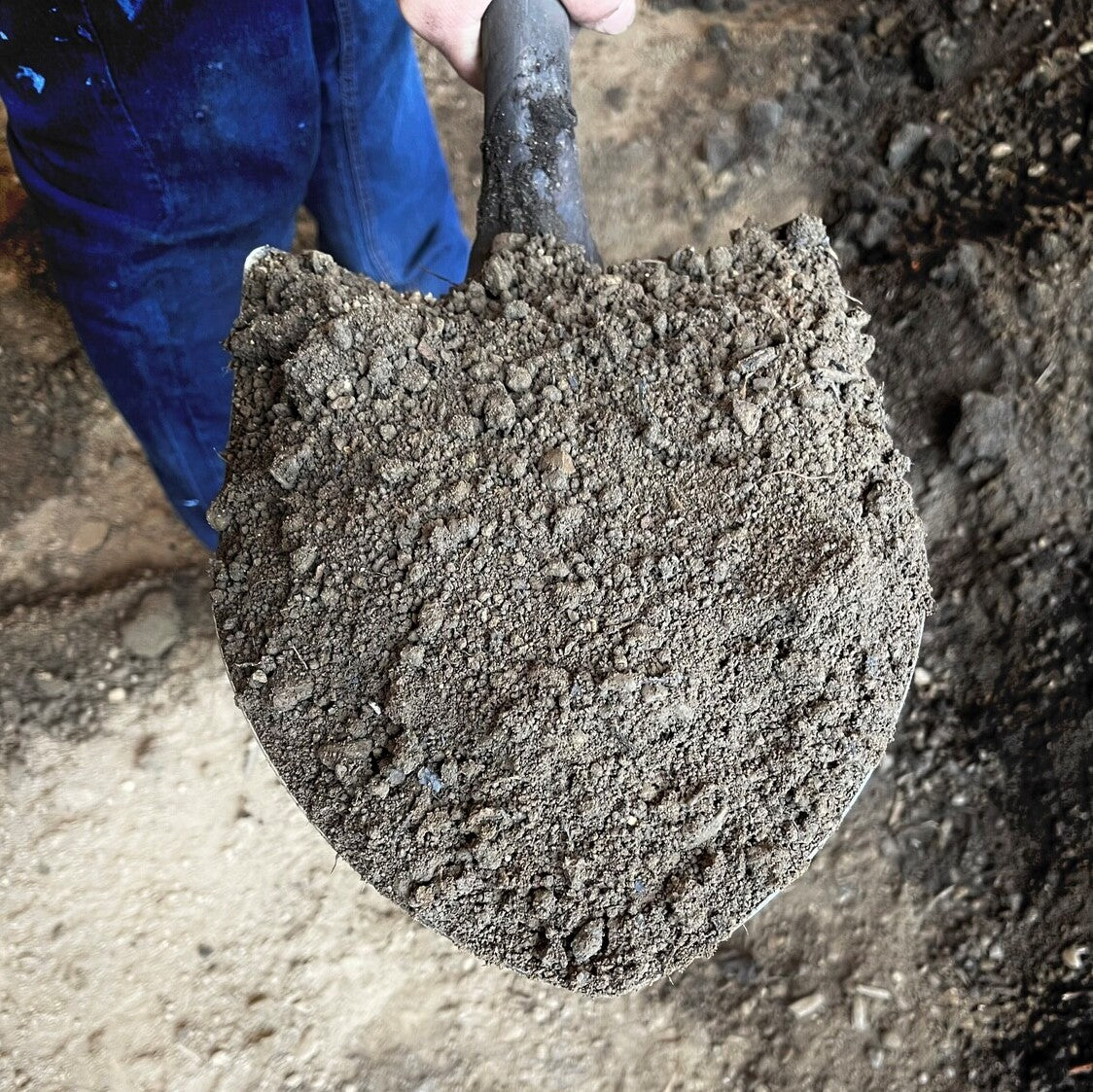
Screened topsoil with a fine, even texture. Ideal for new lawns, sod prep, and raised garden beds.
Great service. We ordered topsoil from Mulch Mound and the best experience. Thank you so much!
Tell us what you're looking for
Thanks! We received your request.
Something went wrong. Please try again.
How Much Material Do I Need?
How Much Material Do I Need?
Plan for at least 6 inches of amended soil worked into your native Lancaster sandy loam for in-ground planting beds, or a full 12 inches of quality growing mix for raised vegetable beds where root depth matters. Going shallower than 6 inches in this climate means roots will quickly hit the nutrient-poor native layer below and performance will decline through the growing season.
Use our free soil calculator
What is a Yard?
What is a Yard?
FAQs
FAQs
Lancaster Soil Delivery
Lancaster Soil Delivery
Regular price
$83.00
per
Yard
Regular price
Sale price
$83.00
Unit price
per
Shipping calculated at checkout.
Minimum of 3 Yard
Couldn't load pickup availability
Not currently available
We can't take orders for this right now. Tell us what you need and we'll get back to you.
Hand-picked local yards
4,000+ regional deliveries
Dedicated support
Why order through Mulch Mound
The best local , without the guesswork.
We hand-pick and partner with the best yards in your region, keep only the ones our buyers rate well, and back each load with our guarantee.
Mulch Mound Guarantee
If your isn't the quantity or quality you ordered, we'll make it right.
About this soil
Screened topsoil with a fine, even texture. Ideal for new lawns, sod prep, and raised garden beds.
Great service. We ordered topsoil from Mulch Mound and the best experience. Thank you so much!
How Much Material Do I Need?
How Much Material Do I Need?
Plan for at least 6 inches of amended soil worked into your native Lancaster sandy loam for in-ground planting beds, or a full 12 inches of quality growing mix for raised vegetable beds where root depth matters. Going shallower than 6 inches in this climate means roots will quickly hit the nutrient-poor native layer below and performance will decline through the growing season.
Use our free soil calculator
What is a Yard?
What is a Yard?
FAQs
FAQs
Tell us what you're looking for
Thanks! We received your request.
Something went wrong. Please try again.
How It Works
Getting started is easy — just follow these simple steps
1
Choose your soil
Make sure you adjust the quantity to your home's needs. You can use our calculator to estimate how much you'll need.
2
Select your delivery date
Select a delivery date you'd like for the product to be dropped off at your home
3
Sit back and wait
Sit back, wait, and let us work our magic to make sure the highest quality product is delivered to your driveway.

Placing an order online was so easy. Delivery was on time. When the driver realized we had a newly poured driveway they erred on the side of cautio...
Read full review
Placing an order online was so easy. Delivery was on time. When the driver realized we had a newly poured driveway they erred on the side of caution and opted not ti drive in it. The company even sent me a message explaining that call. Would recommend!

Online ordering was really simple and I liked the transparent pricing.
Need Help Calculating How Much Soil You Need?
Use our NEW Trace from Satellite tool to get an estimate for your project based on an aerial view of your property
Try Our CalculatorMeasure the length and width of each bed or area you plan to fill in feet, then decide on your target depth, typically 6 inches for amendment mixing or 12 inches for raised beds. Multiply length by width by depth in feet, then divide by 27 to convert cubic feet to cubic yards, which is how bulk soil is sold. For irregularly shaped yards or multiple separate beds, measure each section individually and add the totals before converting to cubic yards.
Complete Your Outdoor Soil Project
After your soil is placed, top-dress all planted areas with a layer of shredded hardwood mulch from our mulch collection to lock in moisture and protect your soil investment from Lancaster's evaporating heat. Decomposed granite or crushed stone from our stone selection pairs beautifully with amended in-ground beds as a path or border material to define your planting areas.
Mulch Mound Pro Tip
Order your bulk soil delivery a week or two before you plan to plant so you have time to let the pile rest and then work it into your existing Lancaster sandy loam thoroughly. Rushing the process and planting directly into freshly delivered, unworked soil can create air pockets around roots that dry out quickly in the Antelope Valley heat. Taking a few extra days to till, water, and let the soil settle gives you a much more stable planting environment.
Mulch Mound Pro Tip
In Lancaster's alkaline soil environment, which is common across the Antelope Valley, many plants struggle to absorb iron and other micronutrients even when those nutrients are technically present. When you bring in fresh soil, it is worth testing the pH before planting and adjusting with a sulfur amendment if the reading is above 7.5. This is especially important for fruiting vegetables and acid-loving plants like blueberries, which need a more neutral to slightly acidic pH to thrive through Lancaster's growing season.
Mulch Mound Pro Tip
If you are building raised beds in Lancaster, consider lining the bottom with a layer of cardboard before adding your soil. The cardboard smothers any existing weeds or grass, breaks down within a season, and creates a temporary barrier that encourages your raised bed soil to stay in place while roots are establishing. This approach works particularly well in Lancaster's dry climate because the cardboard does not rot into a soggy mess the way it might in a wetter region, giving it time to do its job before fully decomposing.
The Unique Landscape of Lancaster
Lancaster's native sandy loam is a decent starting point for drought-tolerant and native plants, but it falls short quickly when you push into vegetable gardening, turf, or denser ornamental planting because it simply cannot hold nutrients or moisture long enough for most plants to absorb them. At 2,350 feet elevation with only 6 inches of annual rainfall, the soil never gets the regular organic matter input from rainfall-carried debris and decomposing leaf litter that enriches lower-elevation soils in wetter parts of California. Bringing in quality amended soil or compost-blended growing mix is the most direct way to build productive planting beds without waiting years for native soil improvement. The relatively short growing season, bookended by a last frost around March 26 and a first frost around November 5, also means you need soil that performs from day one rather than requiring a long establishment period. Raised beds filled with imported growing mix are increasingly popular in Lancaster because they give homeowners complete control over drainage, nutrients, and texture in a climate where the native soil offers so little margin for error. Whether you are filling a raised vegetable bed, amending in-ground planting areas, or grading a new lawn, the right soil delivered in bulk makes the entire project faster and more reliable.