About this mulch

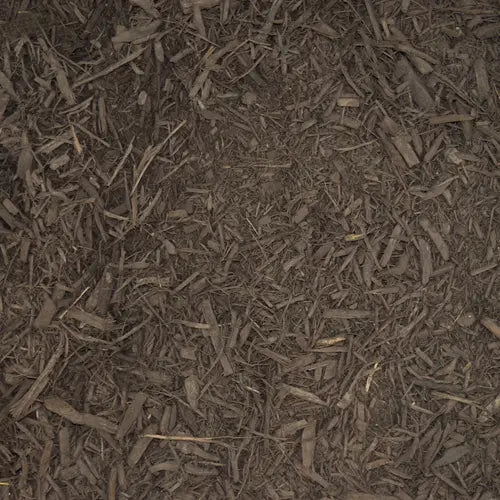
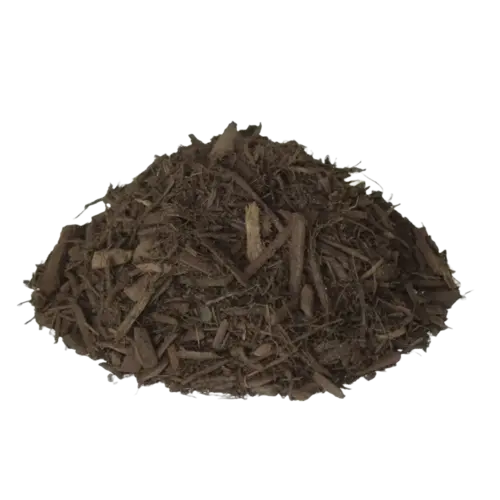
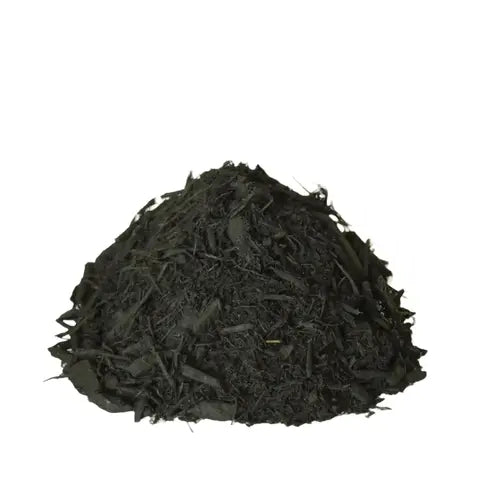
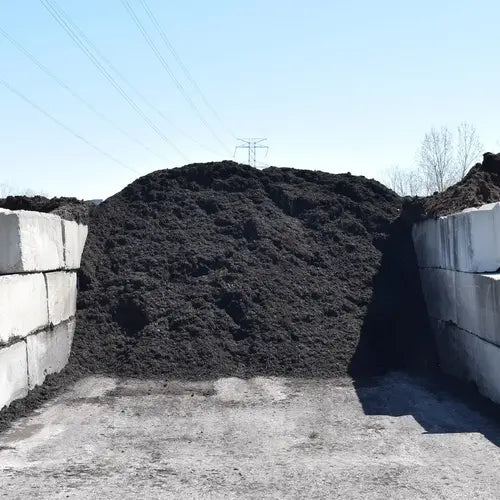
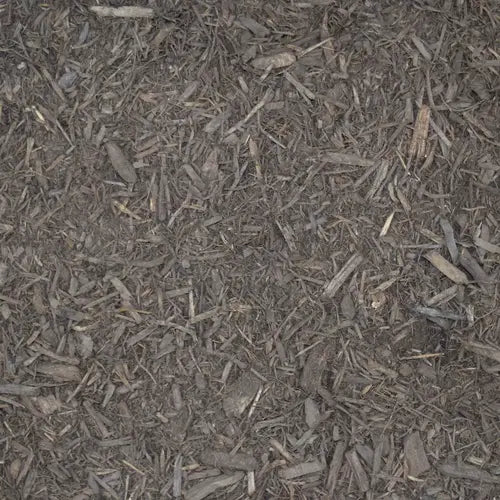
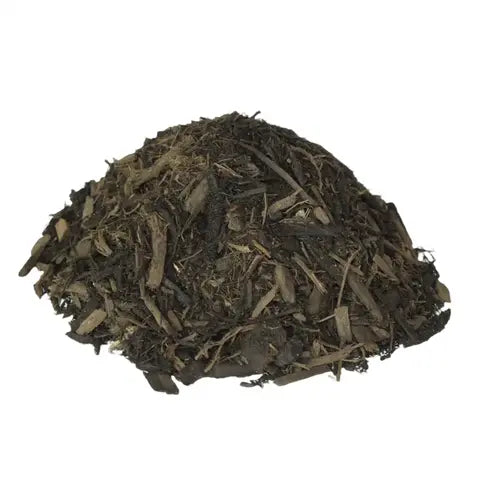
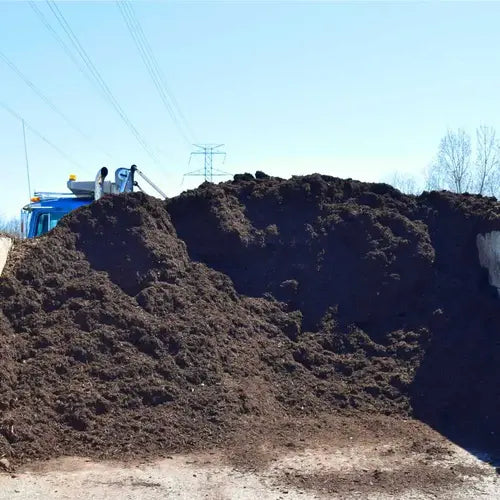
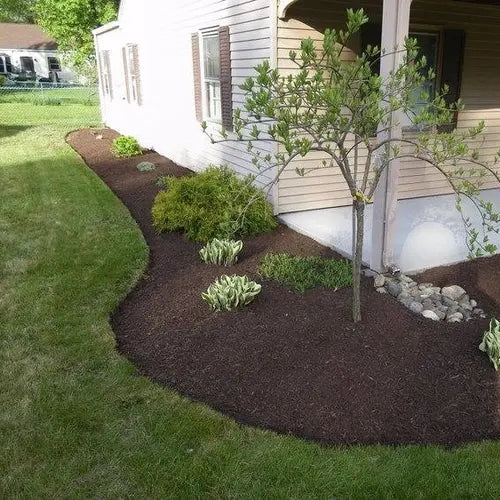
Double-shredded mulch dyed a rich, even brown that holds its color through the season.

Good quality, great price, fast delivery. All online - no submitting forms and waiting for days for quotes.
Getting mulch should be this easy from everyone. Only Mulch Mound is ACTUALLY this simple.

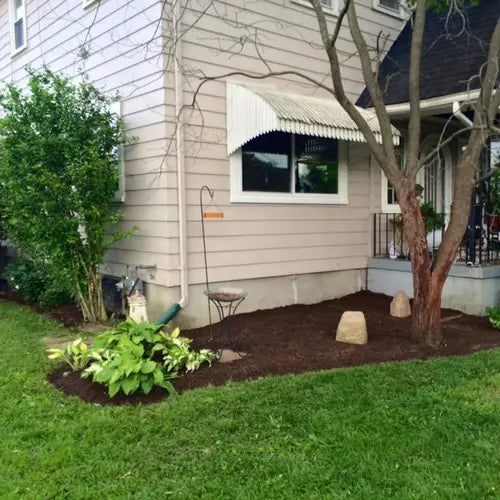
Plan on 3 inches for established shrub and tree beds and 2 inches around annuals and perennials, since a single cubic yard covers about 108 square feet at 3 inches. Desert beds facing full west sun often justify a full 4 inches.
Use our free mulch calculator

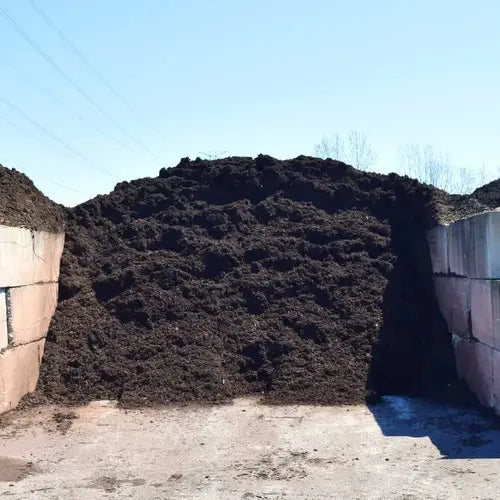
A yard is approximately 27 cubic feet. As a general guideline, one yard of material can cover an area of about 100-160 square feet at a 2-3 inch depth.

Las Cruces Mulch Delivery

Las Cruces Mulch Delivery

4.7
137 reviews
Regular price $64.00 per Yard
Regular price Sale price $64.00
Sale Sold out
Shipping calculated at checkout.
Color
Style
Hand-picked local yards
4,000+ regional deliveries
Dedicated support
Why order through Mulch Mound

The best local , without the guesswork.

We hand-pick and partner with the best yards in your region, keep only the ones our buyers rate well, and back each load with our guarantee.

Mulch Mound Guarantee

If your isn't the quantity or quality you ordered, we'll make it right.

About this mulch

Double-shredded mulch dyed a rich, even brown that holds its color through the season.

Good quality, great price, fast delivery. All online - no submitting forms and waiting for days for quotes.
Getting mulch should be this easy from everyone. Only Mulch Mound is ACTUALLY this simple.

Plan on 3 inches for established shrub and tree beds and 2 inches around annuals and perennials, since a single cubic yard covers about 108 square feet at 3 inches. Desert beds facing full west sun often justify a full 4 inches.
Use our free mulch calculator

A yard is approximately 27 cubic feet. As a general guideline, one yard of material can cover an area of about 100-160 square feet at a 2-3 inch depth.

View full details

How It Works

Getting started is easy — just follow these simple steps

1

Choose your Mulch

Make sure you adjust the quantity to your home's needs. You can use our calculator to estimate how much you'll need.

2

Select your delivery date

Select a delivery date you'd like for the product to be dropped off at your home

3

Sit back and wait

Sit back, wait, and let us work our magic to make sure the highest quality product is delivered to your driveway.

What Las Cruces Customers Are Saying

4.7
out of 5 based on 137 reviews
Google Reviews

Calculate mulch for your Las Cruces project

For Las Cruces's type of soil, we recommend 2-3 inches for best weed suppression and moisture retention

Try Our Calculator
📍

Measure each bed separately by length and width, then add the square footage together before entering a depth. Curved beds are easiest to handle by breaking them into rough rectangles and half circles. Round your total up, because settling and the inevitable wheelbarrow spill on a windy Las Cruces afternoon always eat a little extra.

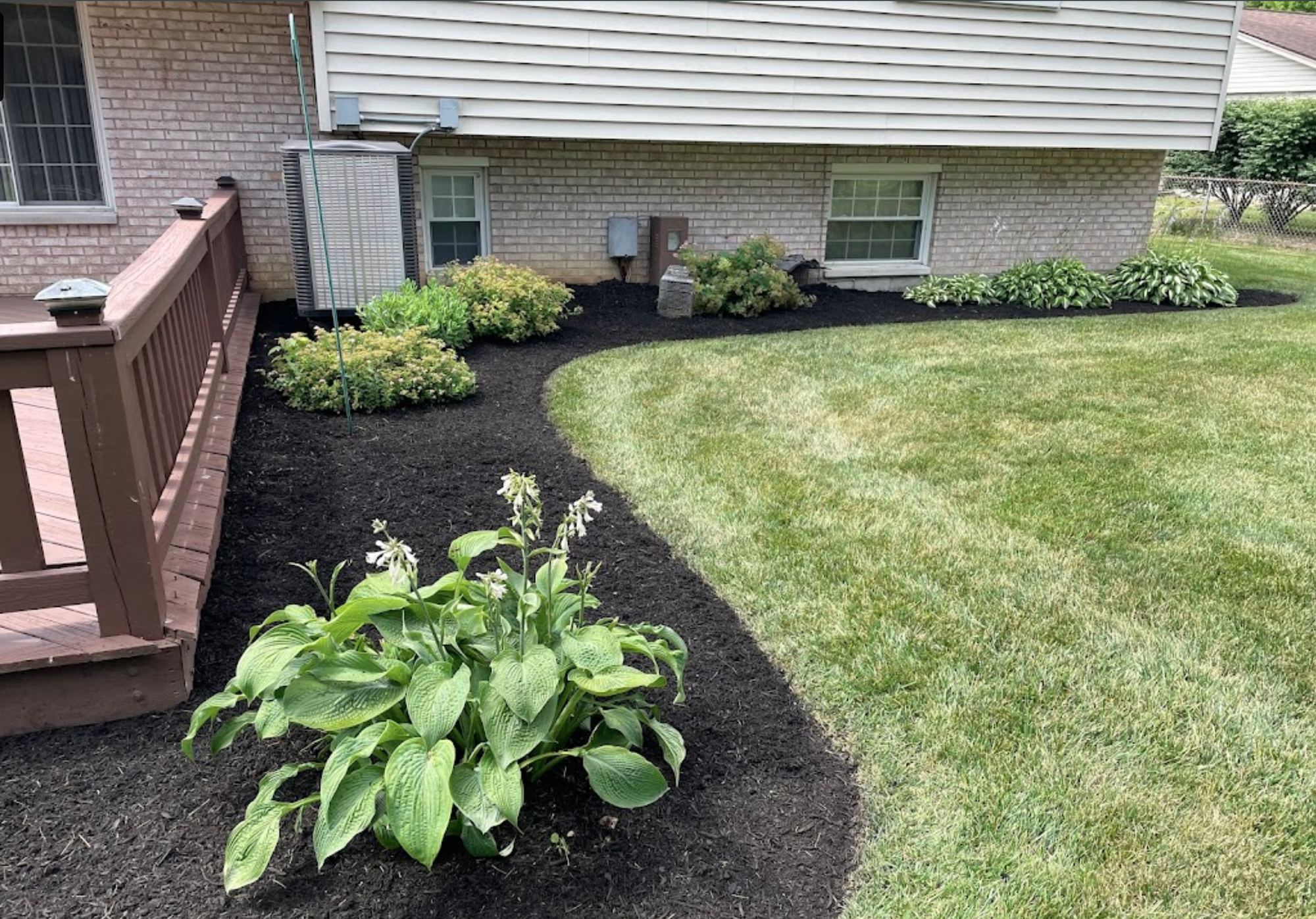
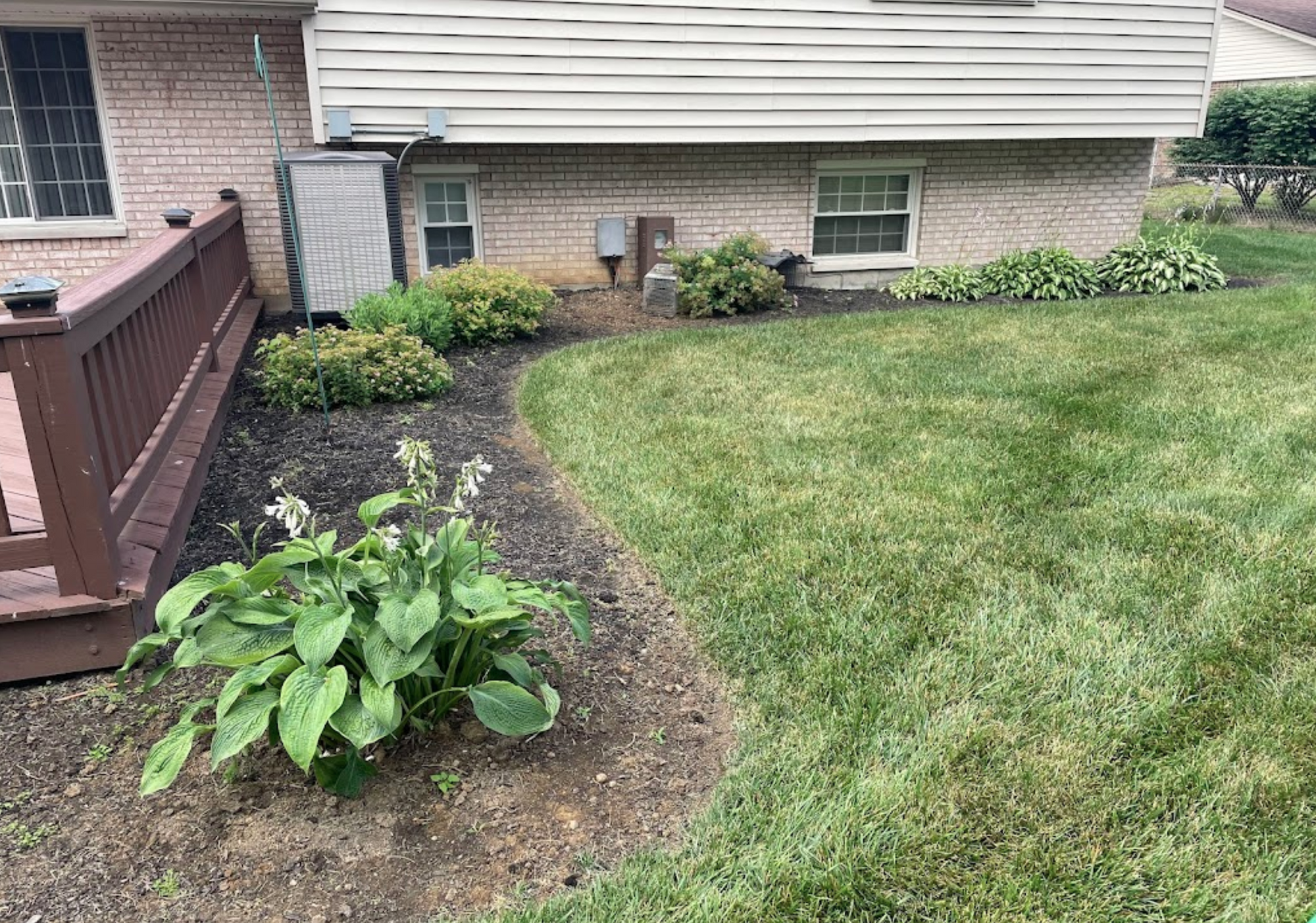
Mulch vs. No Mulch: The Difference

At 3,901 feet with 9 inches of annual rainfall and relentless UV, Las Cruces breaks mulch down very differently than wetter climates do. Organic mulch here fades and thins from sun exposure long before microbes finish composting it, which means color loss shows up first and volume loss much later. Non organic options like decorative stone never break down at all, so the real decision comes down to whether you want the soil building benefit that our sandy loam badly needs.

Before image
After image
Slider handle
Before
After

Complete Your Outdoor Mulch Project

Pair your mulch with a few yards of compost enriched garden soil to build organic matter into the sandy loam before you spread, and add crushed stone for a clean, termite resistant band along the foundation and walkways.

Map of the mulch delivery area around Las Cruces, New Mexico

Service area

Areas we deliver mulch in Las Cruces, New Mexico

Mulch Mound Pro Tip

Water your beds deeply the day before mulch arrives. Dry sandy loam in Las Cruces can turn hydrophobic after weeks of sun, and dumping mulch on parched ground traps that dryness underneath. A slow soak that penetrates 8 to 10 inches gives roots a full reservoir, then the mulch seals it in. You will notice the difference in June when your Texas sage and desert willow keep pushing growth through the heat.

Mulch Mound Pro Tip

Keep mulch off the trunk flare. Volcano mulching kills more pecan, ash, and pistache trees in the Mesilla Valley than drought does, because piled mulch holds moisture against bark that evolved to stay dry. Pull the layer back 3 to 4 inches from the trunk and taper it outward toward the drip line, which is where the feeder roots actually live and where the shade does the most good.

Mulch Mound Pro Tip

Rake and fluff your existing mulch each spring instead of automatically adding a full new layer. Our low humidity lets the surface crust and shed water rather than absorb it, so a quick pass with a leaf rake breaks that crust and restores color. Then top dress just an inch of fresh hardwood. You will use less material, avoid smothering shallow roots, and keep beds looking sharp through the windy season.

Frequently Asked Questions

Click a question to see the answer

Answer

How fast does mulch break down in Las Cruces heat?

Slower than you might expect. With only about 9 inches of annual rain, decomposition here is driven mostly by UV and irrigation moisture rather than constant dampness. Shredded hardwood typically holds its structure for two to three years in a Las Cruces bed, though the top half inch will sun bleach within a season. Most homeowners top dress an inch every other spring rather than replacing the whole layer.

Answer

Will mulch blow away during our spring windstorms?

Fine bark nuggets and light cedar shavings can absolutely migrate during March and April gusts. Shredded and double ground hardwood knits together as the fibers interlock, which makes it the most wind stable organic choice for the Mesilla Valley. Water the mulch in right after spreading so the pieces settle and mat down before the next front moves through.

Answer

When is the best time to mulch here?

Late February through mid March, right before the last frost around March 28, is ideal. You get the mulch down before the soil starts baking in April and before summer irrigation ramps up. A second lighter application in October helps insulate tender roots ahead of the first frost near November 7.

Answer

Does mulch attract termites in southern New Mexico?

Termites are present throughout Dona Ana County, but mulch does not create them. Keep any organic mulch pulled back 6 to 12 inches from stucco, block, and wood framing so you are not building a moist bridge to the structure. Many Las Cruces homeowners run a band of crushed stone against the foundation and use hardwood mulch beyond that line.

Answer

Can I put mulch over my drip irrigation lines?

Yes, and you should. Burying drip tubing under 3 inches of mulch cuts surface evaporation and protects the poly line from UV damage, which is a real problem at our elevation. Just flag your emitter locations first so you can find them when a line needs cleaning after our mineral heavy water leaves deposits.

Answer

How much does mulch actually save on my water bill?

In desert conditions like ours, a properly maintained 3 inch layer commonly reduces soil moisture loss around shrubs and trees by a substantial margin, letting many homeowners lengthen the interval between drip cycles through the June dry stretch. The savings show up fastest in the pre monsoon weeks when temperatures top 100 and humidity bottoms out.

Answer

Should I use landscape fabric under mulch in Las Cruces?

Usually not under organic mulch. Fabric blocks the mulch from feeding your sandy loam as it decomposes, and windblown dust settles on top of the fabric and grows weeds anyway. Skip the fabric in planting beds, and save it for areas where you are installing decorative stone that you never want mixed into the soil.

The Unique Landscape of Las Cruces

Las Cruces sits at 3,901 feet in the Chihuahuan Desert, where roughly 9 inches of rain a year has to stretch across twelve months of intense sun. The sandy loam that covers most of the Mesilla Valley drains almost as fast as your drip line can deliver water, so bare soil around shrubs and trees dries out within a day or two of irrigating. A 3 inch mulch layer shades the surface, cuts evaporation dramatically, and keeps root zones from swinging between 110 degree afternoons and cool spring nights. Mulch also buffers the salt crust that builds up in Dona Ana County soils when irrigation water evaporates at the surface instead of soaking in. For Zone 8b yards planted with desert willow, Texas sage, pistache, and pecan, mulch is the single cheapest way to stretch every gallon of water you pay for.