




Good quality top soil and was delivered exactly where I wanted it. Nice Job!
About this soil
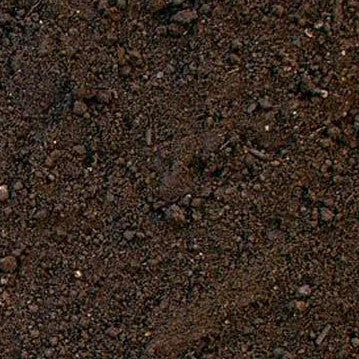
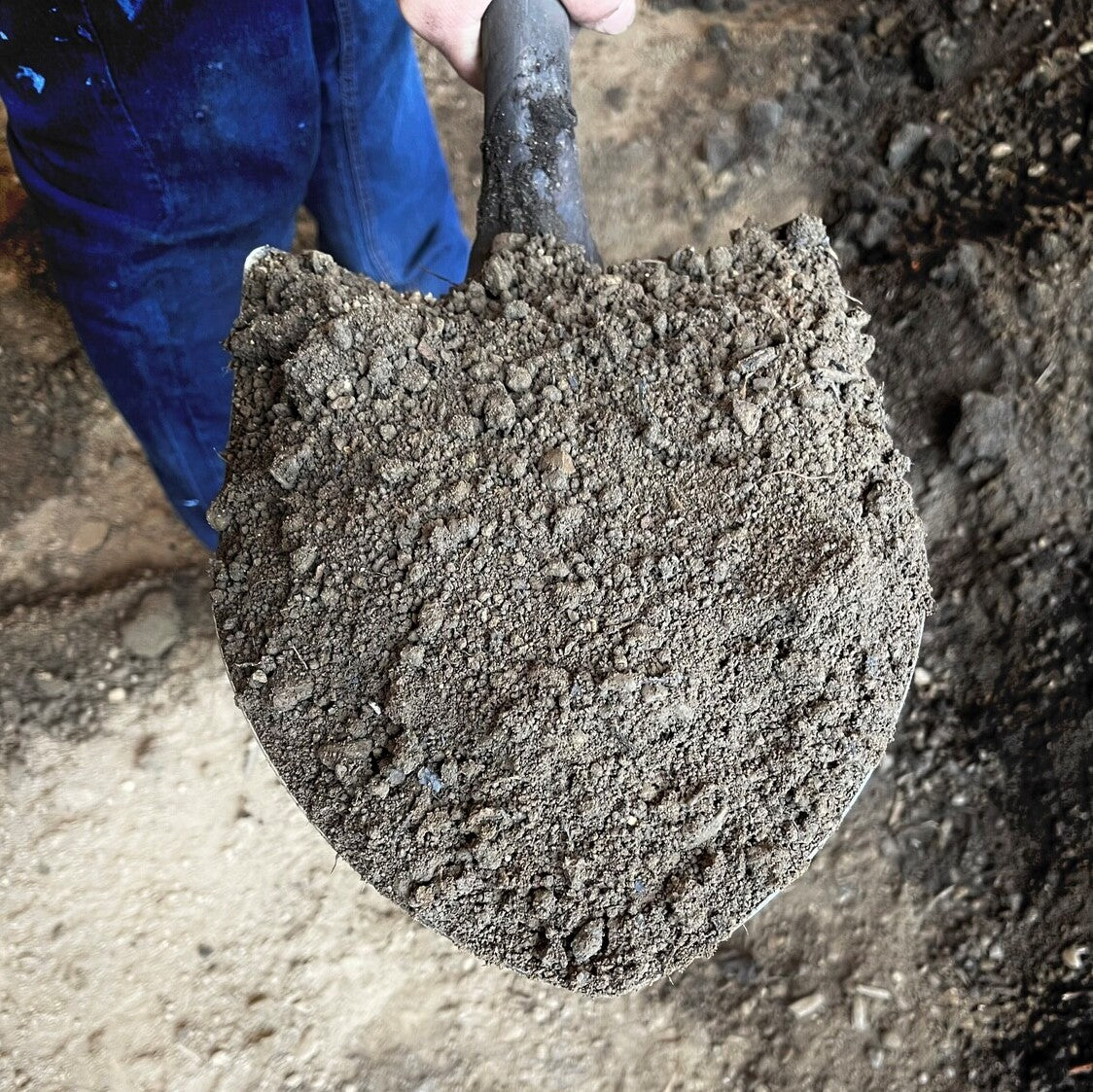
Screened topsoil with a fine, even texture. Ideal for new lawns, sod prep, and raised garden beds.
Good quality top soil and was delivered exactly where I wanted it. Nice Job!
Tell us what you're looking for
Thanks! We received your request.
Something went wrong. Please try again.
How Much Material Do I Need?
How Much Material Do I Need?
Plan on 4 to 6 inches of topsoil for new lawn areas and 12 to 18 inches for raised vegetable beds, since one cubic yard covers roughly 65 square feet at 5 inches deep. Amending existing beds usually takes 2 to 3 inches tilled in.
Use our free soil calculator
What is a Yard?
What is a Yard?
FAQs
FAQs
Las Cruces Soil Delivery
Las Cruces Soil Delivery
Regular price
$64.00
per
Yard
Regular price
Sale price
$64.00
Unit price
per
Shipping calculated at checkout.
Minimum of 3 Yard
Couldn't load pickup availability
Not currently available
We can't take orders for this right now. Tell us what you need and we'll get back to you.
Hand-picked local yards
4,000+ regional deliveries
Dedicated support
Why order through Mulch Mound
The best local , without the guesswork.
We hand-pick and partner with the best yards in your region, keep only the ones our buyers rate well, and back each load with our guarantee.
Mulch Mound Guarantee
If your isn't the quantity or quality you ordered, we'll make it right.
About this soil
Screened topsoil with a fine, even texture. Ideal for new lawns, sod prep, and raised garden beds.
Good quality top soil and was delivered exactly where I wanted it. Nice Job!
How Much Material Do I Need?
How Much Material Do I Need?
Plan on 4 to 6 inches of topsoil for new lawn areas and 12 to 18 inches for raised vegetable beds, since one cubic yard covers roughly 65 square feet at 5 inches deep. Amending existing beds usually takes 2 to 3 inches tilled in.
Use our free soil calculator
What is a Yard?
What is a Yard?
FAQs
FAQs
Tell us what you're looking for
Thanks! We received your request.
Something went wrong. Please try again.
How It Works
Getting started is easy — just follow these simple steps
1
Choose your soil
Make sure you adjust the quantity to your home's needs. You can use our calculator to estimate how much you'll need.
2
Select your delivery date
Select a delivery date you'd like for the product to be dropped off at your home
3
Sit back and wait
Sit back, wait, and let us work our magic to make sure the highest quality product is delivered to your driveway.

Online ordering was really simple and I liked the transparent pricing.

Easy to order, great service, and great product. We enjoy the final look of a very neglected beds we inherited!
Need Help Calculating How Much Soil You Need?
Use our NEW Trace from Satellite tool to get an estimate for your project based on an aerial view of your property
Try Our CalculatorMeasure length and width in feet, decide your depth in inches, and let the calculator convert to cubic yards. For raised beds, subtract nothing for settling and instead add about 10 percent, since compost heavy blends compact noticeably after the first few deep waterings. Irregular yard areas are easiest to estimate by splitting them into simple rectangles.
Complete Your Outdoor Soil Project
Finish new beds with 3 inches of shredded hardwood mulch to slow evaporation from your fresh soil, and use crushed stone or base rock for the pathways and edging that keep everything in place.
Service area
Areas we deliver soil in Las Cruces, New Mexico
Mulch Mound Pro Tip
Wet your new soil in stages rather than all at once. Compost rich blends can go hydrophobic after sitting in Las Cruces sun, and a single heavy soak will run off the surface instead of penetrating. Water for ten minutes, wait an hour, then repeat two or three times. Once the profile is uniformly moist, it will accept water normally for the rest of the season.
Mulch Mound Pro Tip
Build a leaching cycle into your irrigation schedule. Because our low rainfall never flushes the soil naturally, salts from irrigation water accumulate in the root zone all season. Once a month during summer, run a single extra long watering that pushes moisture 12 to 18 inches down. That deep flush moves salt below where roots feed and prevents the leaf edge burn common in valley gardens.
Mulch Mound Pro Tip
Time your bed building for the shoulder seasons. Working soil in October or early March means you are not fighting 100 degree afternoons, and the material stays workable instead of drying to dust while you shovel. Fall built beds also get months to settle and mellow before spring planting, which is a real advantage when you are starting chile transplants right after the March 28 frost date.
The Unique Landscape of Las Cruces
Native Las Cruces ground is sandy loam that drains fast, runs low in organic matter, and often carries a caliche layer or alkaline pH inherited from Chihuahuan Desert parent material. Water and fertilizer move straight through it, which is why new lawns thin out and raised bed vegetables stall by midsummer. Bringing in screened topsoil and compost blends gives roots a reservoir that native ground cannot provide on 9 inches of annual rain. Quality soil also dilutes the salt buildup that comes from irrigating with hard Rio Grande valley water in a high evaporation climate. Whether you are leveling a yard on the East Mesa or building beds for chile and tomatoes near Mesilla, the soil you add determines how hard your irrigation has to work all season.