Good quality, great price, fast delivery. All online - no submitting forms and waiting for days for quotes. Getting mulch should be this easy from everyone. Only Mulch Mound is ACTUALLY this simple.
Tell us what you're looking for
Thanks! We received your request.
Something went wrong. Please try again.
How Much Material Do I Need?
For most Long Beach planting beds, plan for 3 to 4 inches of mulch depth to provide adequate moisture retention through the long dry season, using the shallower end of that range for succulent areas and the deeper end for traditional shrub and flower beds. One cubic yard of mulch covers approximately 100 square feet at a 3-inch depth.
Use our free mulch calculator
What is a yard?
A yard is approximately 27 cubic feet. As a general guideline, one yard of material can cover an area of about 100-160 square feet at a 2-3 inch depth.
Good quality, great price, fast delivery. All online - no submitting forms and waiting for days for quotes. Getting mulch should be this easy from everyone. Only Mulch Mound is ACTUALLY this simple.
How Much Material Do I Need?
For most Long Beach planting beds, plan for 3 to 4 inches of mulch depth to provide adequate moisture retention through the long dry season, using the shallower end of that range for succulent areas and the deeper end for traditional shrub and flower beds. One cubic yard of mulch covers approximately 100 square feet at a 3-inch depth.
Use our free mulch calculator
What is a yard?
A yard is approximately 27 cubic feet. As a general guideline, one yard of material can cover an area of about 100-160 square feet at a 2-3 inch depth.
Good quality, great price, fast delivery. All online - no submitting forms and waiting for days for quotes. Getting mulch should be this easy fr...
Read full review
Good quality, great price, fast delivery. All online - no submitting forms and waiting for days for quotes. Getting mulch should be this easy from everyone. Only Mulch Mound is ACTUALLY this simple.
I highly recommend Mulch Mound. The quality of the mulch is very good. The ordering system on their website makes it very easy. The delivery driver...
Read full review
I highly recommend Mulch Mound. The quality of the mulch is very good. The ordering system on their website makes it very easy. The delivery driver did a great job placing the mulch on the driveway. To finish off, the pricing was very reasonable as well.
They offered a quick turnaround and delivered high quality mulch at a reasonable price. They also dropped it off exactly where I told them to put i...
Read full review
They offered a quick turnaround and delivered high quality mulch at a reasonable price. They also dropped it off exactly where I told them to put it. Good service!
Before ordering, walk each planting bed or garden area and measure the length and width in feet, then note any large plants or structures that take up space so you can subtract those from your total. Multiplying length times width and dividing by 81 gives you cubic yards needed at a 4-inch depth, which is the recommended coverage for Long Beach's dry summers. Having a rough sketch of your yard on paper makes the calculation faster and helps ensure you order enough to finish the job without a second delivery.
Mulch vs. No Mulch: The Difference
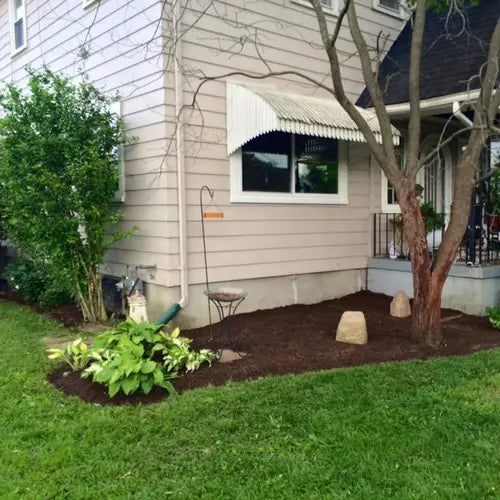
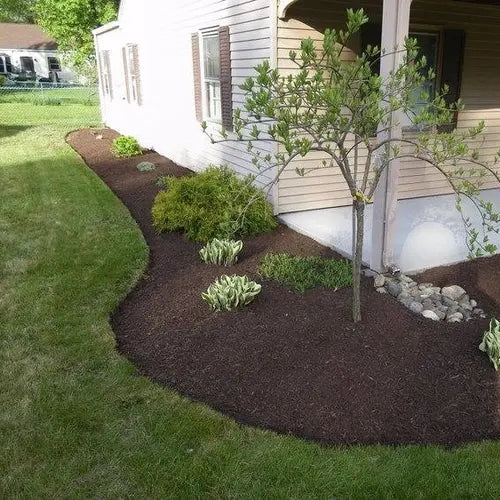
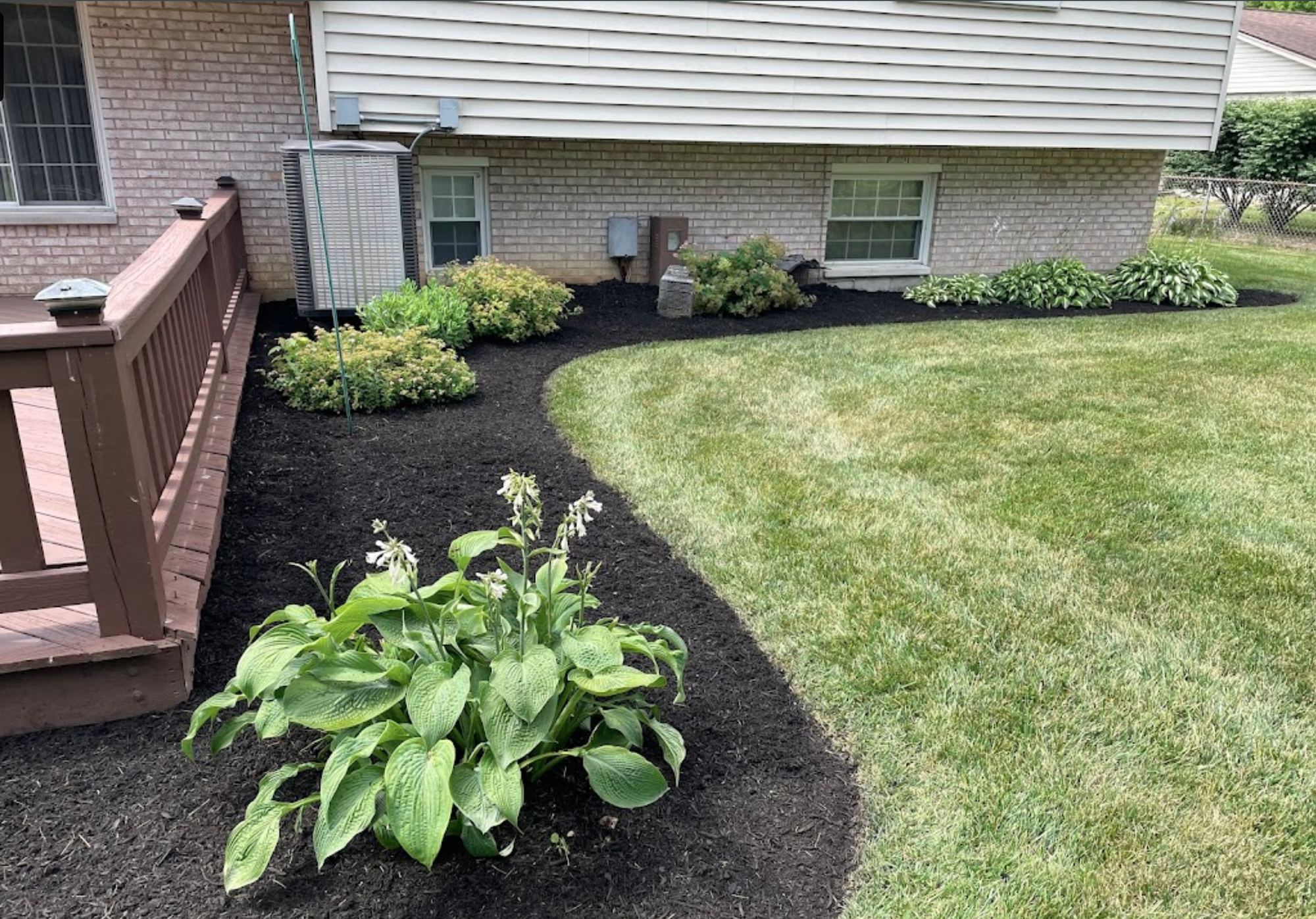
Long Beach's climate creates an unusual situation for mulch: the warm temperatures and low humidity of the dry season accelerate decomposition of organic mulch, meaning your material is actively improving your soil but also disappearing faster than it would in a cooler or wetter region. With only 12 inches of annual rainfall concentrated in a short winter window, organic mulch does most of its heavy lifting as a moisture barrier and soil insulator rather than a rain-capture tool. Understanding how Long Beach's conditions affect mulch performance helps you choose the right type and plan for appropriate top-dressing cycles.
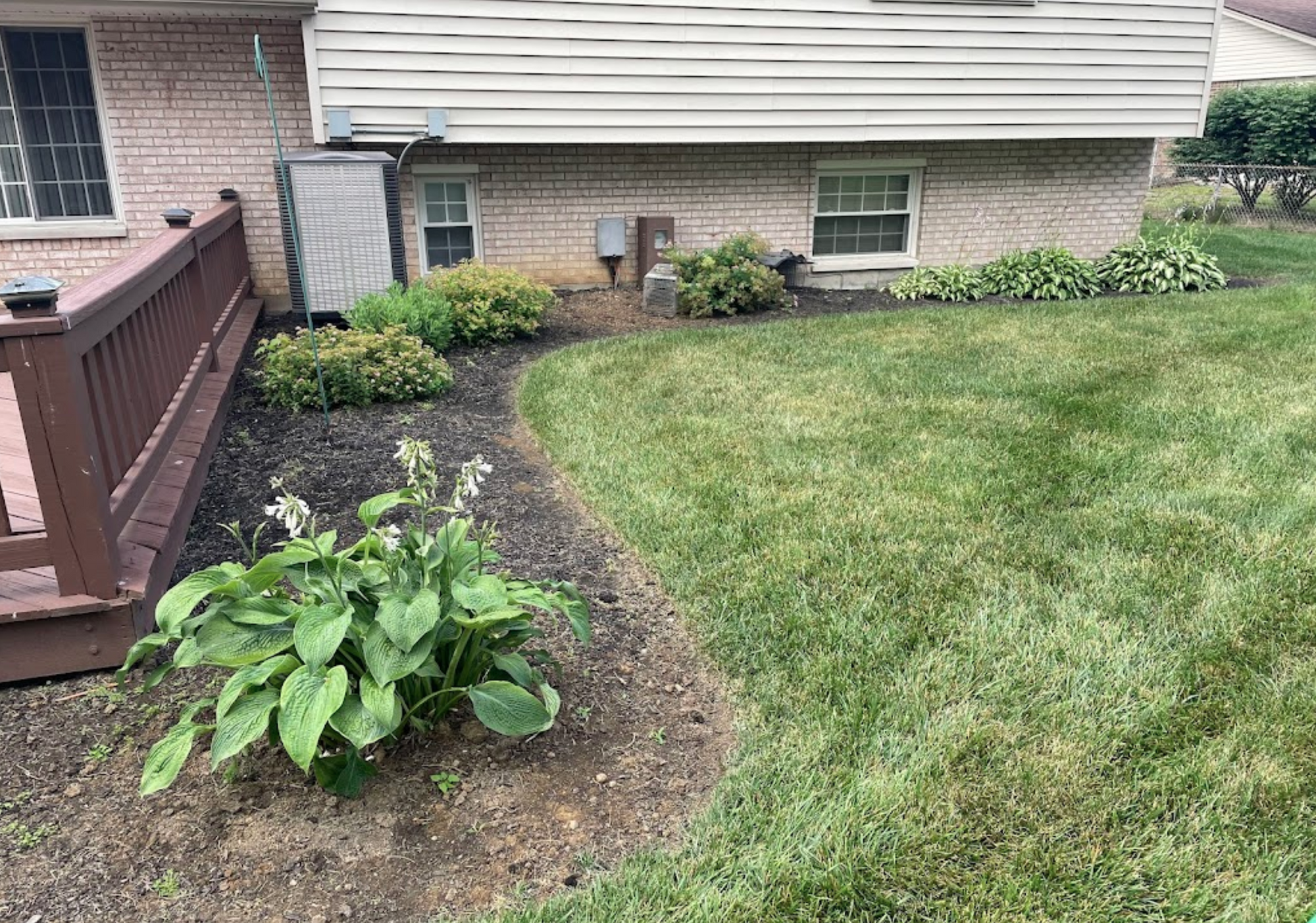
Before
After
Best Mulch Choice for Long Beach Lawns
Most yards in the Long Beach area sit on type of soil. Long Beach's alluvial clay soil tends to shed water and crack during the long dry season, making it difficult for plant roots to establish and expand without consistent intervention. A layer of quality organic mulch over clay acts as a buffer that slows surface evaporation and reduces the dramatic wet-to-dry cycles that crack and compact clay.
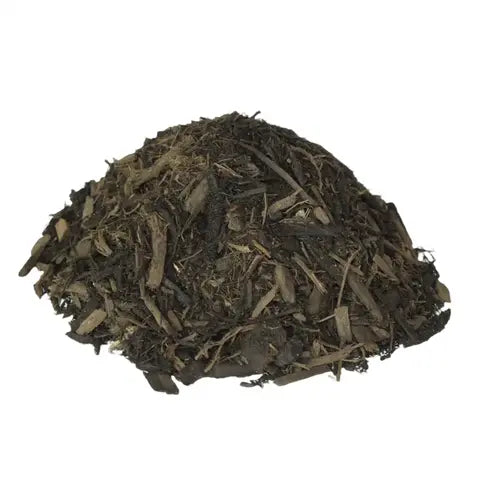
Hardwood Mulch
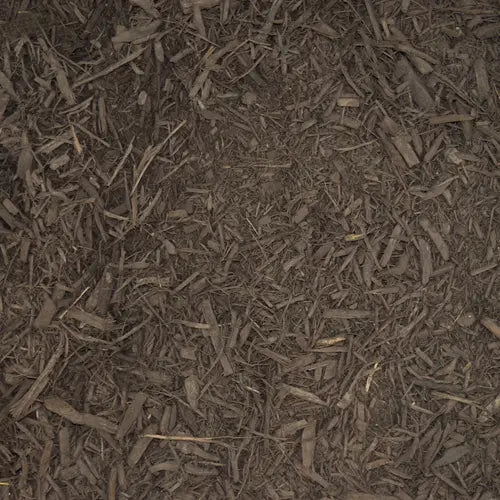
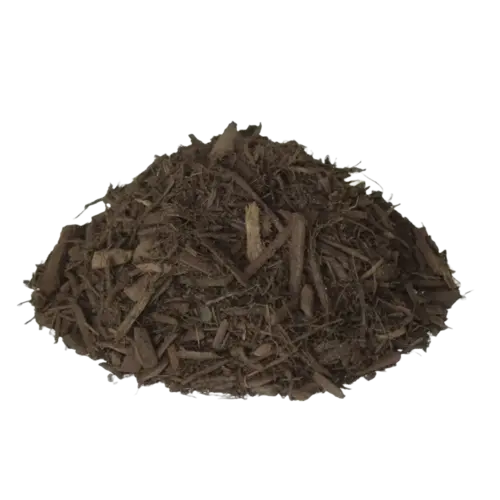
Hardwood mulch breaks down into a fine organic matter that blends into the top layer of alluvial clay soil over time, gradually increasing its organic content and improving its ability to both retain moisture and drain excess water. In Long Beach landscapes where clay is the dominant soil type, repeated applications of hardwood mulch represent one of the most affordable and effective long-term soil improvement strategies available.
Complete Your Outdoor Mulch Project
Pair your mulch delivery with a load of amended garden soil to refresh depleted planting beds before mulching, giving your plants a healthy foundation that retains moisture and drains better than raw clay. Decomposed granite is also a popular complement for pathways and border edging throughout Long Beach landscapes.
In Long Beach, timing your mulch application just before the first significant fall rain, usually in late October or November, gives you a double benefit. The rain helps settle the mulch into place and pushes some of the organic material into the surface layer of your clay soil, kickstarting the improvement process naturally. That early moisture also means your soil enters the brief rainy season in better condition to absorb water rather than shedding it across hard, dry clay.
Mulch Mound Pro Tip
Keep mulch pulled back at least 2 to 3 inches from the base of tree trunks and shrub stems throughout your Long Beach yard. While moisture retention is the goal, creating a damp collar of mulch directly against bark invites fungal issues and can attract pests like earwigs and sowbugs, which thrive in Southern California's mild winters. A clean ring around the base of each plant lets the crown breathe while still protecting the surrounding root zone effectively.
Mulch Mound Pro Tip
If your Long Beach property has areas of heavy alluvial clay with poor drainage, consider layering a thin application of compost directly onto the soil surface before spreading mulch on top. This double-layer approach gives the soil immediate organic input while the mulch above slows evaporation and moderates temperature. Over two to three seasons of this practice, most Long Beach clay soils show measurable improvement in their ability to support healthy root growth and drain after irrigation.
Frequently Asked Questions
Click a question to see the answer
Answer
How thick should I apply mulch in Long Beach given how hot and dry our summers get?
In Long Beach's climate, where temperatures regularly climb into the 90s and rainfall nearly disappears between May and October, we recommend applying mulch at a depth of 3 to 4 inches in planted beds. That thickness provides enough insulation to keep soil temperatures from spiking and retains enough moisture to meaningfully reduce how often you need to irrigate. Thinner applications of 1 to 2 inches evaporate too quickly to offer real benefit during the long dry season here.
Answer
Will mulch break down faster here because of the heat, and how often should I top it off?
Yes, Long Beach's warm temperatures accelerate the decomposition of organic mulch compared to cooler climates, especially in areas with direct afternoon sun exposure. You can expect most wood-based mulches to break down noticeably within 12 to 18 months here. Plan to add a fresh 1 to 2 inch top-dressing layer each fall, before the brief rainy season begins, to keep coverage consistent and continue improving your clay soil over time.
Answer
My yard has really compacted clay soil. Will mulch actually help or should I do something else first?
Mulch works best as part of a longer-term improvement strategy for Long Beach's alluvial clay. On its own, a mulch layer will not instantly loosen compacted clay, but as it breaks down season after season it adds organic matter that gradually opens up soil structure and improves drainage. For faster results, you can lightly aerate or amend the top few inches of your planting areas before mulching. The mulch layer then protects that amended zone and keeps it from re-compacting as quickly under rain or foot traffic.
Answer
I have a lot of succulents and drought-tolerant plants. Does mulch actually help those, or is it just for traditional gardens?
Mulch is genuinely useful for drought-tolerant and succulent plantings in Long Beach, though the type and depth matter. For succulents and Mediterranean-climate plants, a shallower 1 to 2 inch layer of coarser mulch or decomposed granite works better than thick fine-textured wood chips, which can hold too much moisture against crowns and cause rot. The goal is still to insulate the soil and reduce irrigation frequency, but without creating a damp environment directly around the base of plants that prefer drier conditions.
Answer
Does mulch help protect my plants during our brief cold snaps in December and January?
Long Beach's frost window is short, typically running from around December 23 through January 20, but even a light frost can damage tender tropicals and frost-sensitive plants common in local gardens. A 3 to 4 inch mulch layer over the root zone acts as insulation that buffers soil temperature drops during those cold nights. It will not protect above-ground foliage, but keeping root systems at a more stable temperature significantly improves a plant's ability to recover from any surface freeze damage.
Answer
How much mulch do I need for a typical Long Beach backyard, and what is the easiest way to estimate it?
A good starting point is to measure the length and width of each area you want to cover in feet, multiply those numbers together to get square footage, and then divide by 81 to find the cubic yards needed for a 4-inch depth. For a typical Long Beach backyard planting area of around 500 square feet, you would need roughly 6 to 7 cubic yards of mulch. Our online calculator on the product page can walk you through this quickly if you have your measurements handy.
Answer
Is there a mulch type that works best near the coast in Long Beach, where we get marine layer and occasional salty air?
For coastal areas of Long Beach where marine layer keeps humidity elevated in the mornings, a coarser-textured hardwood or shredded bark mulch tends to perform well because it allows airflow while still retaining moisture during the dry afternoon hours. Avoid very fine-textured mulches in areas with persistent morning dampness, as they can mat together and develop surface mold. Cedar and redwood mulches also carry natural oils that give them slightly better resistance to the moisture fluctuations that come with coastal microclimates.
The Unique Landscape of Long Beach
Long Beach sits in a coastal Mediterranean climate where the combination of intense summer heat, minimal rainfall of just 12 inches per year, and dense alluvial clay soil creates a uniquely demanding environment for plant beds and garden areas. Without a proper mulch layer, that clay soil bakes into a hard crust during the long dry season, shedding what little rain does fall rather than absorbing it. Mulch acts as a protective blanket that moderates soil temperature, slows evaporation, and gradually improves the structure of Long Beach's notoriously compacted clay. In a city where lawns and gardens depend heavily on irrigation to survive from May through November, every inch of moisture retained in the soil translates directly into lower water bills and healthier plants. Applying mulch consistently across your landscape is one of the most practical steps you can take to garden successfully in this corner of Southern California.