




Good quality top soil and was delivered exactly where I wanted it. Nice Job!
About this soil
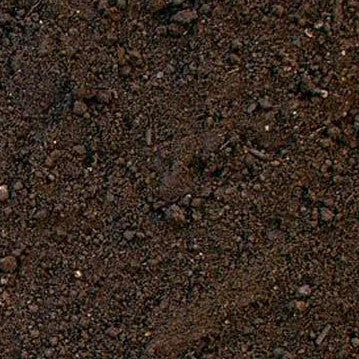
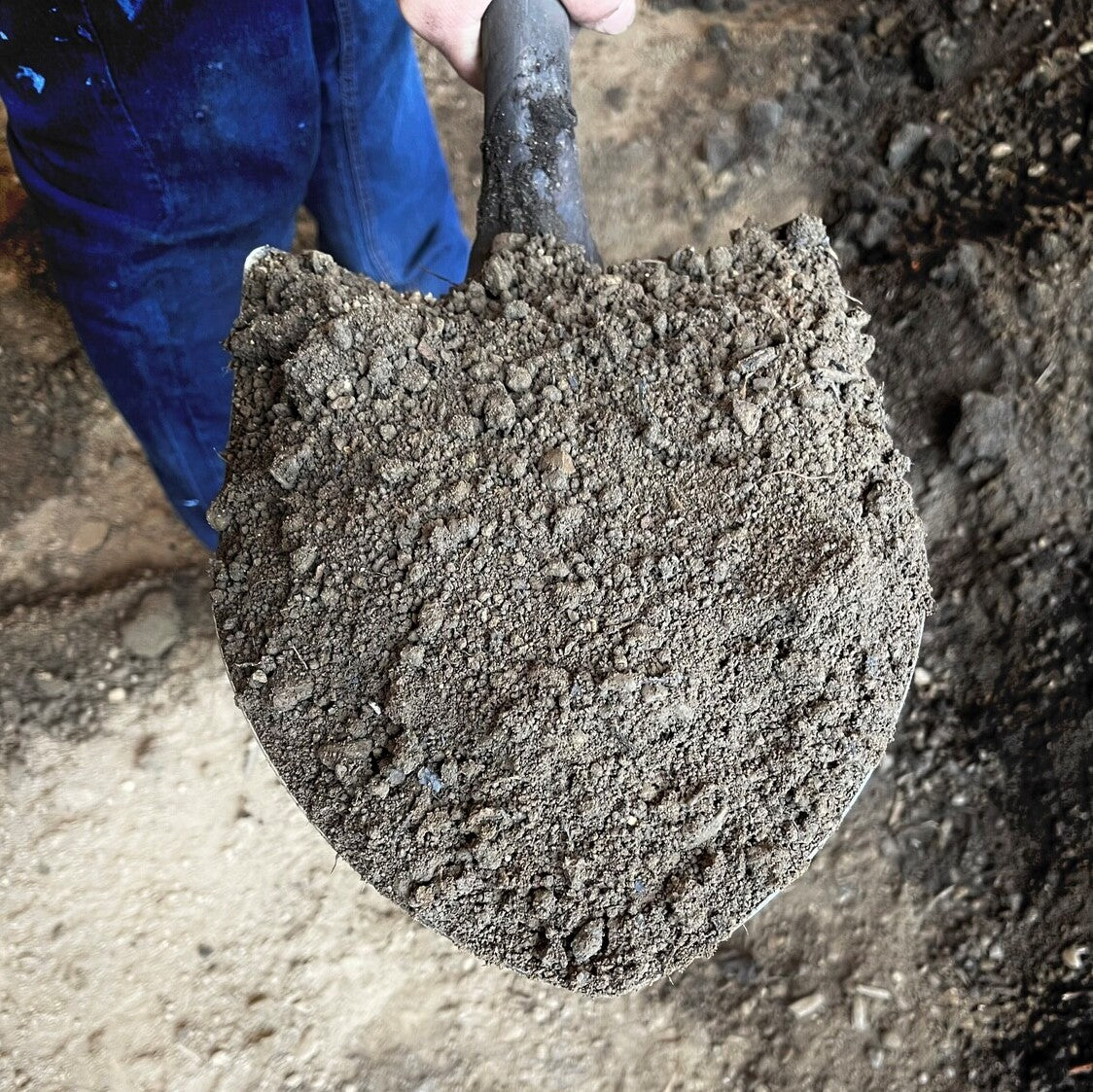
Screened topsoil with a fine, even texture. Ideal for new lawns, sod prep, and raised garden beds.
Good quality top soil and was delivered exactly where I wanted it. Nice Job!
Tell us what you're looking for
Thanks! We received your request.
Something went wrong. Please try again.
How Much Material Do I Need?
How Much Material Do I Need?
Most Long Beach planting beds benefit from 8 to 12 inches of quality amended soil over native clay, with the deeper end of that range recommended for vegetable gardens and the shallower end suitable for established ornamental beds that just need refreshing. One cubic yard of soil covers approximately 100 square feet at a 3-inch depth, so scale your order based on both area and target depth.
Use our free soil calculator
What is a Yard?
What is a Yard?
FAQs
FAQs
Long Beach Soil Delivery
Long Beach Soil Delivery
Regular price
$83.00
per
Yard
Regular price
Sale price
$83.00
Unit price
per
Shipping calculated at checkout.
Minimum of 3 Yard
Couldn't load pickup availability
Not currently available
We can't take orders for this right now. Tell us what you need and we'll get back to you.
Hand-picked local yards
4,000+ regional deliveries
Dedicated support
Why order through Mulch Mound
The best local , without the guesswork.
We hand-pick and partner with the best yards in your region, keep only the ones our buyers rate well, and back each load with our guarantee.
Mulch Mound Guarantee
If your isn't the quantity or quality you ordered, we'll make it right.
About this soil
Screened topsoil with a fine, even texture. Ideal for new lawns, sod prep, and raised garden beds.
Good quality top soil and was delivered exactly where I wanted it. Nice Job!
How Much Material Do I Need?
How Much Material Do I Need?
Most Long Beach planting beds benefit from 8 to 12 inches of quality amended soil over native clay, with the deeper end of that range recommended for vegetable gardens and the shallower end suitable for established ornamental beds that just need refreshing. One cubic yard of soil covers approximately 100 square feet at a 3-inch depth, so scale your order based on both area and target depth.
Use our free soil calculator
What is a Yard?
What is a Yard?
FAQs
FAQs
Tell us what you're looking for
Thanks! We received your request.
Something went wrong. Please try again.

How It Works
Getting started is easy — just follow these simple steps
1
Choose your soil
Make sure you adjust the quantity to your home's needs. You can use our calculator to estimate how much you'll need.
2
Select your delivery date
Select a delivery date you'd like for the product to be dropped off at your home
3
Sit back and wait
Sit back, wait, and let us work our magic to make sure the highest quality product is delivered to your driveway.

Online ordering was really simple and I liked the transparent pricing.

Easy to order, great service, and great product. We enjoy the final look of a very neglected beds we inherited!
Need Help Calculating How Much Soil You Need?
Use our NEW Trace from Satellite tool to get an estimate for your project based on an aerial view of your property
Try Our CalculatorMeasure the length, width, and intended depth of each planting area or raised bed in feet before calculating your soil order. Multiply all three numbers together and divide by 27 to convert cubic feet into cubic yards, which is how bulk soil is sold and delivered. For projects with multiple beds or areas of different depths, calculate each zone separately and add them together for your total order quantity.
Complete Your Outdoor Soil Project
Top your new soil with a layer of organic mulch to lock in moisture during Long Beach's long dry season and protect your investment in quality growing medium from the surface baking that clay is prone to in summer heat. Adding a border of decomposed granite or stone creates clean edges that define beds and reduce maintenance over time.
Service area
Areas we deliver soil in Long Beach, California
- Alhambra, California
- Anaheim, California
- Arcadia, California
- Baldwin Park, California
- Bellflower, California
- Buena Park, California
- Burbank, California
- Carson, California
- Chino Hills, California
- Compton, California
- Costa Mesa, California
- Diamond Bar, California
- Downey, California
- East Los Angeles, California
- El Monte, California
- Florence-Graham, California
- Fountain Valley, California
- Fullerton, California
- Garden Grove, California
- Gardena, California
- Glendale, California
- Hacienda Heights, California
- Hawthorne, California
- Huntington Beach, California
- Huntington Park, California
- Inglewood, California
- Irvine, California
- La Habra, California
- Lakewood, California
- Lynwood, California
- Montebello, California
- Monterey Park, California
- Newport Beach, California
- Norwalk, California
- Orange, California
- Pasadena, California
- Pico Rivera, California
- Pomona, California
- Redondo Beach, California
- Santa Ana, California
- Santa Monica, California
- South Gate, California
- South Whittier, California
- Torrance, California
- Tustin, California
- West Covina, California
- Westminster, California
- Whittier, California
- Yorba Linda, California
Mulch Mound Pro Tip
Before spreading new soil over Long Beach's native clay, use a garden fork or aerator to break up the top 2 to 3 inches of clay at the interface zone where your new soil will sit. This rough transition layer helps prevent a perched water table effect, where irrigation water pools at the boundary between your loose amended soil and the dense clay below. A few minutes of prep work at the base of each planting area dramatically improves how well your new soil and the existing ground work together over time.
Mulch Mound Pro Tip
Long Beach's nearly year-round growing season means your soil never truly gets a rest period the way it would in colder climates. Continuous planting, particularly in vegetable beds, depletes nutrients faster than many gardeners expect. Plan to incorporate fresh compost into your beds at least once a year, ideally each fall, to replenish organic matter and keep soil biology active. Topping off with a few inches of fresh amended soil every second year in heavy-use vegetable areas helps maintain the loose, productive texture that makes irrigation efficient.
Mulch Mound Pro Tip
If you are filling a large planting area or raising grade across a section of your Long Beach yard, consider placing the freshest and highest-quality soil blend in the top 6 to 8 inches where roots will be most active and where plants will do most of their feeding. Deeper fill layers can sometimes be a lower grade material to reduce cost, as long as drainage is not compromised. This layered approach lets you manage your budget on larger projects without sacrificing plant performance at the root level.
The Unique Landscape of Long Beach
Gardening successfully in Long Beach means working with and sometimes around a native alluvial clay soil that, while nutrient-rich in some respects, presents real challenges for drainage, aeration, and root development. Clay soil compacts easily underfoot and under irrigation, forming dense layers that trap standing water after rain and then crack open during the long dry season. With only 12 inches of annual rainfall to work with, your planting beds depend almost entirely on irrigation, which makes having a well-structured growing medium critically important for plant health and water efficiency. Bringing in quality amended garden soil lets you build raised beds, refresh depleted planting areas, or create a workable growing layer above Long Beach's dense native clay. Whether you are planting edibles, ornamentals, or turf, starting with the right soil gives your plants a measurable advantage in this demanding coastal climate.