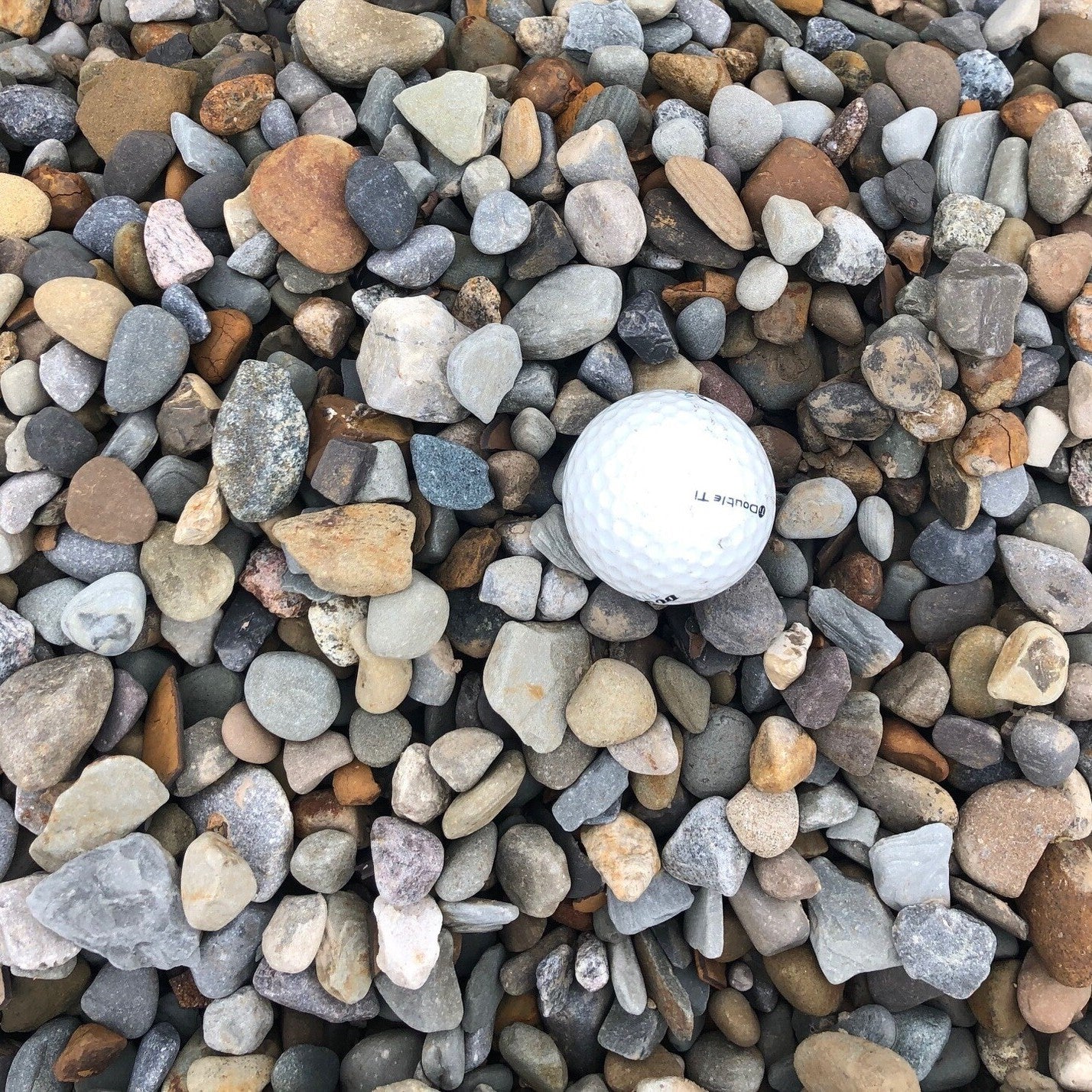
Number 57 crushed stone, angular limestone graded to about three quarters of an inch. The standard driveway, base and drainage gravel, it locks together under traffic and drains fast.
My experience with Mulch Mound was great and super easy. I ordered two yards of screened topsoil and was able to get it delivered within 2 days. They came in my requested time frame (afternoon) and dropped it off where I asked on my driveway. The topsoil was exactly what was a...
Tell us what you're looking for
Thanks! We received your request.
Something went wrong. Please try again.
How Much Material Do I Need?
Most decorative stone applications in Long Beach landscapes perform best at 3 to 4 inches of depth, which provides good weed suppression and a finished appearance that holds up to foot traffic and wind. One cubic yard of gravel or decomposed granite covers approximately 80 to 100 square feet at a 3-inch depth depending on the material.
Use our free gravel calculator
What is a Yard?
A yard is approximately 27 cubic feet. As a general guideline, one yard of material can cover an area of about 100-160 square feet at a 2-3 inch depth.
We can't take orders for this right now. Tell us what you need and we'll get back to you.
What do you need?
Thanks! We received your request.
Something went wrong. Please try again.
Hand-picked local yards
4,000+ regional deliveries
Dedicated support
Why order through Mulch Mound
The best local , without the guesswork.
We hand-pick and partner with the best yards in your region, keep only the ones our buyers rate well, and back each load with our guarantee.
Mulch Mound Guarantee
If your isn't the quantity or quality you ordered, we'll make it right.
About this stone
Number 57 crushed stone, angular limestone graded to about three quarters of an inch. The standard driveway, base and drainage gravel, it locks together under traffic and drains fast.
My experience with Mulch Mound was great and super easy. I ordered two yards of screened topsoil and was able to get it delivered within 2 days. They came in my requested time frame (afternoon) and dropped it off where I asked on my driveway. The topsoil was exactly what was a...
How Much Material Do I Need?
Most decorative stone applications in Long Beach landscapes perform best at 3 to 4 inches of depth, which provides good weed suppression and a finished appearance that holds up to foot traffic and wind. One cubic yard of gravel or decomposed granite covers approximately 80 to 100 square feet at a 3-inch depth depending on the material.
Use our free gravel calculator
What is a Yard?
A yard is approximately 27 cubic feet. As a general guideline, one yard of material can cover an area of about 100-160 square feet at a 2-3 inch depth.
My experience with Mulch Mound was great and super easy. I ordered two yards of screened topsoil and was able to get it delivered within 2 days. Th...
Read full review
My experience with Mulch Mound was great and super easy. I ordered two yards of screened topsoil and was able to get it delivered within 2 days. They came in my requested time frame (afternoon) and dropped it off where I asked on my driveway. The topsoil was exactly what was advertised, clean with no rocks or other debris. The price was reasonable. I plan to use them again in a couple weeks to order compost for my garden beds.
Measure the length and width of each area where you plan to install stone, then decide on your target depth, typically 3 to 4 inches for decorative coverage and 4 to 6 inches for drainage applications. Multiply length times width times depth in feet and divide by 27 to get cubic yards, or use the calculator on our product page to handle the math automatically. Stone is heavier than mulch or soil, so accurate estimates matter both for your budget and for making sure your delivery placement works logistically.
Complete Your Outdoor Stone Project
Pair your stone delivery with quality landscape fabric for the best long-term weed control, and consider adding amended soil or mulch to any adjacent planting beds to keep plant roots healthy while the stone areas take care of themselves. Edging or border materials installed between your stone and planted areas will keep the two materials from migrating into each other over time.
In Long Beach neighborhoods where Santa Ana winds are an occasional reality, pay attention to the size and weight of the stone you choose for open or exposed areas of your yard. Fine crushed granite or very light pea gravel in shallow layers can shift during strong wind events, ending up in the street, neighboring yards, or against your home's foundation. A slightly heavier stone or a deeper installation layer gives your material more stability and keeps your landscape looking intentional rather than scattered after the first big wind of the season.
Mulch Mound Pro Tip
Long Beach's clay soil does not drain naturally well, and placing a thick stone layer over unprepared clay can sometimes trap water against foundations or create soggy areas that undermine the low-maintenance appeal of a stone landscape. Before installation, check that your yard grade directs water away from the house and toward the street or a drainage outlet. If you have low spots that collect water after irrigation or rain, address the grade or install a simple French drain before laying stone so your finished project performs as well as it looks.
Mulch Mound Pro Tip
Consider using different stone textures and sizes in different zones of your Long Beach landscape to create visual interest and functional variation without adding maintenance complexity. A compacted decomposed granite pathway that flows through larger river rock planting areas creates a layered natural look while also solving practical problems, with the DG providing firm footing and the river rock allowing water to percolate more freely around the roots of drought-tolerant shrubs. Thoughtful stone zoning is one of the easiest ways to elevate a simple drought-friendly yard into a landscape that looks genuinely designed.
The Unique Landscape of Long Beach
Decorative and functional stone has become one of the most popular landscape materials in Long Beach, and for good reason given the city's persistent water restrictions, intense summer sun, and the ongoing pressure to reduce turf coverage across Southern California. Stone does not require irrigation, does not decompose under ultraviolet exposure, and performs consistently whether the season is wet or bone dry. In a city where 12 inches of annual rainfall makes lawn maintenance a constant battle with diminishing returns, replacing turf with gravel or decomposed granite is both a practical choice and an increasingly common aesthetic throughout Long Beach neighborhoods. Stone also solves a specific challenge created by Long Beach's clay soil, where drainage can be poor and bare soil compacts and erodes during the infrequent but sometimes intense winter rains. A well-installed stone surface protects soil structure, reduces runoff, and creates a landscape that stays attractive throughout Long Beach's essentially year-round outdoor living season.
Frequently Asked Questions
Click a question to see the answer
Answer
I want to replace my lawn with gravel to save water. What type of stone works best for that in Long Beach?
Decomposed granite is the most popular choice for turf replacement in Long Beach and throughout Southern California because it compacts into a firm walkable surface, drains well even over clay, and has a natural earthy tone that blends with the Mediterranean and California-modern aesthetics common in local neighborhoods. For a more decorative look with less foot traffic, a pea gravel or small river rock surface creates a softer visual effect. Many Long Beach homeowners combine both materials, using decomposed granite as the base layer and topping key areas with a decorative stone for visual interest.
Answer
Will stone get unbearably hot in the Long Beach summer and damage plants growing near it?
Light-colored stones reflect more heat and are a better choice for areas close to plants or outdoor living spaces in Long Beach's warm summers. Darker stones like black basalt absorb significantly more solar radiation and can radiate intense heat that stresses plants and makes adjacent areas uncomfortable to use during afternoon hours. In areas with direct south or west exposure, which receive the most intense sun in Long Beach, choosing a lighter granite, tan decomposed granite, or buff-colored gravel will keep surface temperatures considerably more manageable while still providing all the low-maintenance benefits of stone.
Answer
Our yard floods a little every time it rains, even though we only get about 12 inches a year. Can stone help fix that?
Stone is one of the most effective tools for managing the drainage problems that Long Beach's clay soil creates during winter rains. A dry creek bed filled with river rock or a drainage channel lined with crushed stone can redirect water away from problem areas and slow its movement across the surface, giving the clay more time to absorb it. French drain systems filled with washed gravel are also commonly installed under stone landscape areas to move subsurface water toward a more appropriate outlet. The key is to design the grade and drainage pathway before placing your stone so the material works with the water flow rather than against it.
Answer
How much landscape fabric or prep work do I need to do before putting down gravel in my yard?
In Long Beach, good prep work makes a significant difference in how long your stone installation looks clean and stays weed-free. Start by clearing vegetation and grading the area so water drains away from structures. Installing a quality woven landscape fabric before laying stone blocks most weed growth without completely preventing water movement into the soil below, which matters for any trees or plants sharing the space. Plan for a minimum of 3 to 4 inches of stone depth over the fabric for a clean finished look and enough weight to stay in place during the occasional strong Santa Ana wind events that move through the Long Beach area.
Answer
What stone type holds up best near the coast in Long Beach where we get salt air and morning marine layer?
Natural stone materials hold up extremely well in Long Beach's coastal environment because they are inorganic and are not affected by salt air or moisture fluctuations the way wood or metal elements can be. River rock, decomposed granite, crushed granite, and basalt all perform reliably near the coast. If anything, the marine layer and occasional fog in coastal Long Beach neighborhoods help keep light-colored stones looking clean by rinsing dust off the surface. Choose materials based on the look and drainage performance you need rather than worrying about salt or humidity affecting the stone itself.
Answer
How deep does my gravel or decomposed granite need to be to actually suppress weeds in Long Beach?
For reliable weed suppression in Long Beach, you need at least 3 inches of gravel or 2 to 3 inches of compacted decomposed granite over a quality landscape fabric. Shallower applications allow weed seeds that blow in and settle on top of the stone to germinate and root down through thin layers. Long Beach's mild winters mean weed pressure is year-round rather than seasonal, so a more generous depth investment upfront significantly reduces the maintenance you will deal with later. Areas near existing trees or shrubs may see more weed activity as organic debris accumulates, so plan to blow or rake those spots periodically.
Answer
I am designing a drought-tolerant garden with succulents and California natives. What stone would complement that look?
For a drought-tolerant native and succulent garden in Long Beach, decomposed granite in a tan or gold tone is a classic complement that references the natural hillside and chaparral environments these plants come from. Larger boulders or river rock used as accent pieces add visual weight and create a more naturalistic composition. Crushed white or grey granite can work beautifully in more contemporary or minimalist designs. Beyond aesthetics, stone mulching around succulents provides better drainage at the crown than organic mulch, which is exactly what these plants need in Long Beach's occasional wet winter periods.