











About this mulch

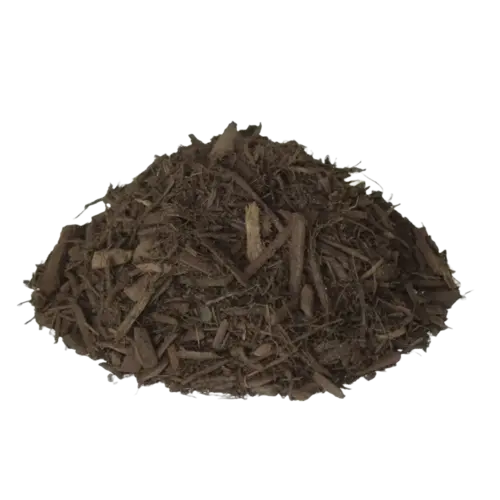
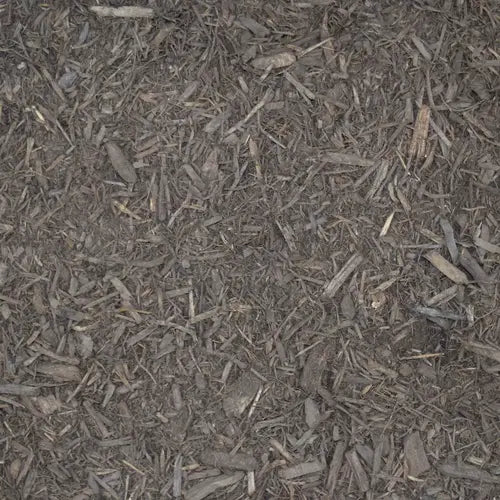
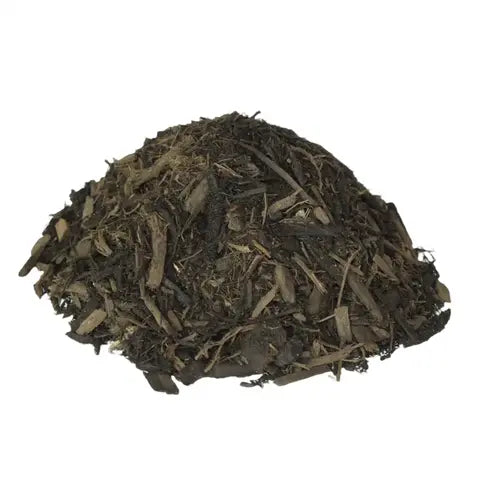
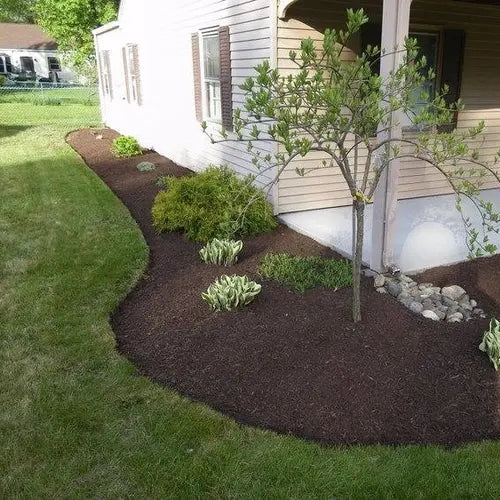
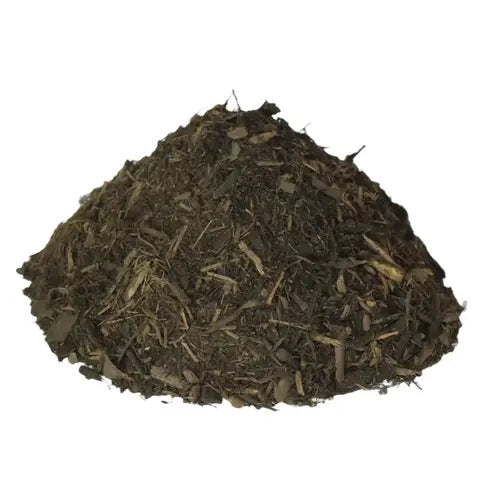
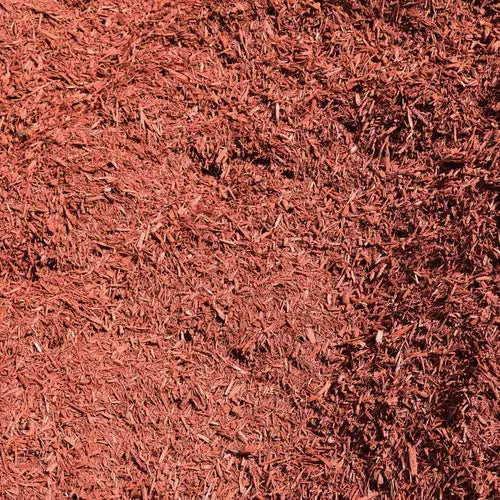
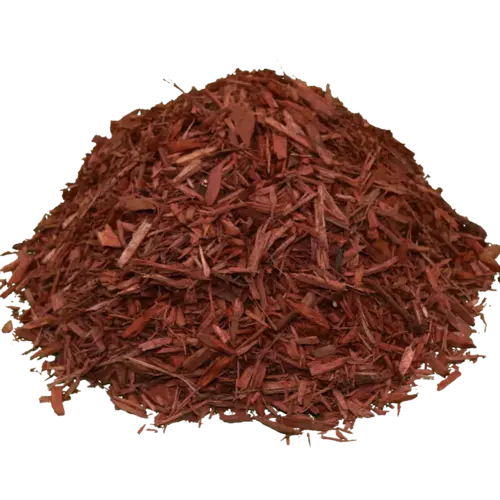
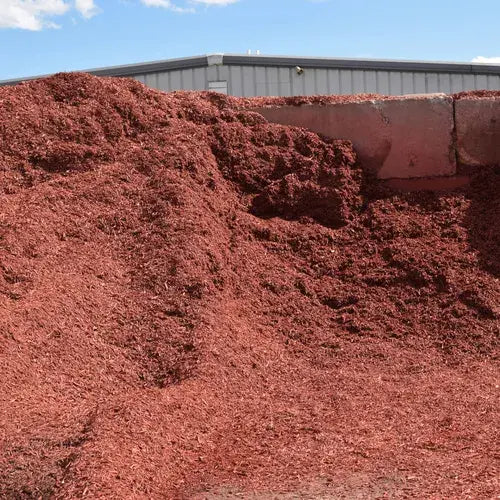
Double-shredded mulch dyed a rich, even brown that holds its color through the season.

I couldn't be happier with the speed and quality of the mulch delivery service of Mulch Mound. Every detail from ordering, to communication with on time delivery, to perfect product placement was amazing. I needed more and I got it within 2 hours! I'm never doing this with ba...

Three inches is the target for established Mentor beds, which holds moisture through the July dry spells without suffocating roots. Go two inches around shallow rooted azaleas and rhododendrons that do well in our acidic silt loam.
Use our free mulch calculator

A yard is approximately 27 cubic feet. As a general guideline, one yard of material can cover an area of about 100-160 square feet at a 2-3 inch depth.

Mentor Mulch Delivery

Mentor Mulch Delivery

4.7
137 reviews
Regular price $55.00 per Yard
Regular price Sale price $55.00
Sale Sold out
Shipping calculated at checkout.
Color
Style
Hand-picked local yards
4,000+ regional deliveries
Dedicated support
Why order through Mulch Mound

The best local , without the guesswork.

We hand-pick and partner with the best yards in your region, keep only the ones our buyers rate well, and back each load with our guarantee.

Mulch Mound Guarantee

If your isn't the quantity or quality you ordered, we'll make it right.

About this mulch

Double-shredded mulch dyed a rich, even brown that holds its color through the season.

I couldn't be happier with the speed and quality of the mulch delivery service of Mulch Mound. Every detail from ordering, to communication with on time delivery, to perfect product placement was amazing. I needed more and I got it within 2 hours! I'm never doing this with ba...

Three inches is the target for established Mentor beds, which holds moisture through the July dry spells without suffocating roots. Go two inches around shallow rooted azaleas and rhododendrons that do well in our acidic silt loam.
Use our free mulch calculator

A yard is approximately 27 cubic feet. As a general guideline, one yard of material can cover an area of about 100-160 square feet at a 2-3 inch depth.

View full details

How It Works

Getting started is easy — just follow these simple steps

1

Choose your Mulch

Make sure you adjust the quantity to your home's needs. You can use our calculator to estimate how much you'll need.

2

Select your delivery date

Select a delivery date you'd like for the product to be dropped off at your home

3

Sit back and wait

Sit back, wait, and let us work our magic to make sure the highest quality product is delivered to your driveway.

What Mentor Customers Are Saying

4.7
out of 5 based on 137 reviews
Google Reviews

Calculate mulch for your Mentor project

For Mentor's type of soil, we recommend 2-3 inches for best weed suppression and moisture retention

Try Our Calculator
📍

Break your yard into rectangles and circles instead of trying to measure one odd shape, because most Mentor beds curve around a front walk or a maple. Multiply length by width for each piece, add them up, then enter that total square footage and your target depth. One cubic yard covers about 108 square feet at three inches deep.

Mulch vs. No Mulch: The Difference

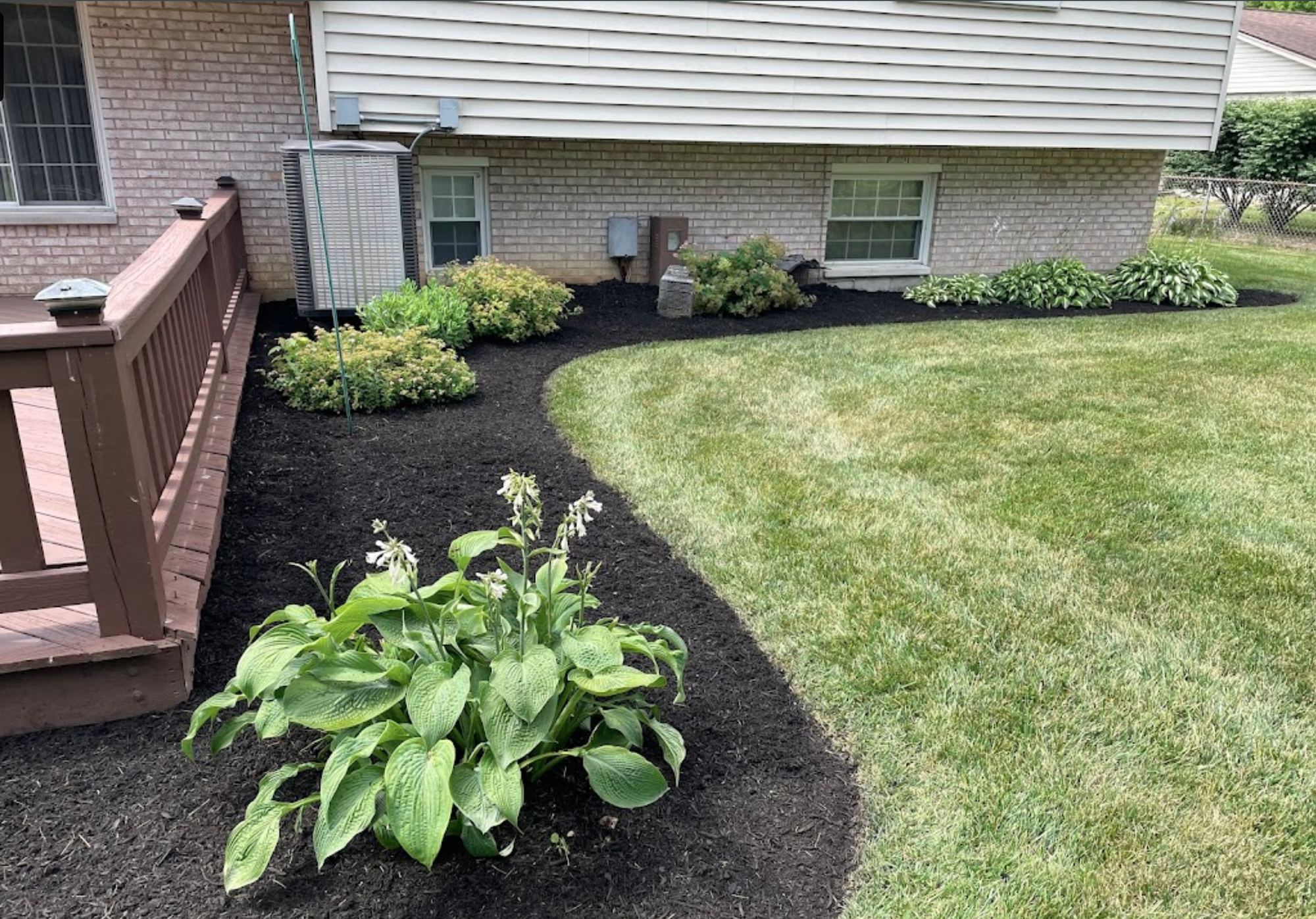
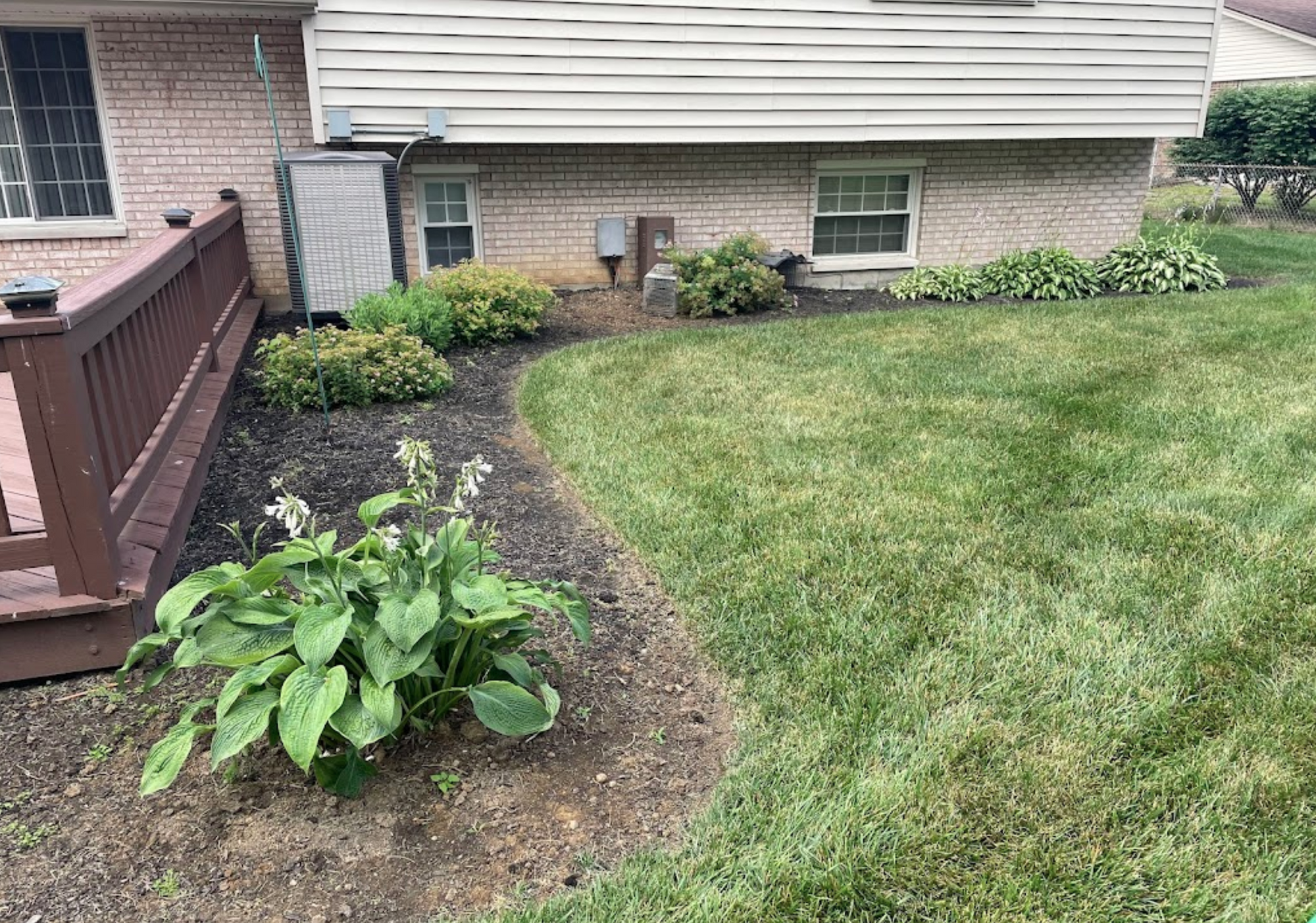
Mentor's combination of 39 inches of annual rainfall, high summer humidity, and a long moist shoulder season means organic mulch decomposes here faster than it does in drier parts of Ohio. Expect natural hardwood to lose a noticeable amount of volume in a single season as soil organisms work through it. That breakdown is a benefit for your soil, but it does mean planning on an annual top dress rather than a set it and forget it approach.

Before image
After image
Slider handle
Before
After

Complete Your Outdoor Mulch Project

Pair your mulch with a few yards of screened topsoil or compost to build up tired beds before you spread, and add edging stone to hold the mulch line against heavy runoff. Many Mentor customers order mulch and a small load of river rock for downspout splash zones on the same delivery.

Mulch Mound Pro Tip

Time your spread to the weather, not the calendar. Mentor gets frequent spring rains off the lake, and spreading mulch onto already moist silt loam locks that moisture in for weeks. Spread a day or two after a soaking rain, never onto bone dry ground, and never during a downpour when wheelbarrow traffic will rut your lawn and compact the very soil you are trying to protect.

Mulch Mound Pro Tip

Pull mulch back from trunks and stems every single time. Volcano mulching around maples and crabapples is the most common mistake in Mentor neighborhoods, and it is especially damaging here because our wet climate keeps that piled material saturated against the bark. Leave a bare three to four inch collar at the base of every tree and shrub so the root flare stays visible and dry.

Mulch Mound Pro Tip

Edge before you mulch, not after. Cut a clean four inch deep trench at the bed line with a spade, angling the cut so the bed side is vertical. In Mentor's silt loam that trench holds its shape all season and catches mulch that heavy rain tries to float onto the lawn. It also gives you a crisp finish line that makes an average mulch job look professional.

Frequently Asked Questions

Click a question to see the answer

Answer

How early in spring can I mulch in Mentor without smothering perennials?

Wait until the soil has warmed and your perennials have pushed two to three inches of growth, which in Mentor usually lands in late April near the April 28 average last frost. Mulching too early over cold, saturated silt loam traps the chill and slows crown emergence. Late April into mid May is the sweet spot.

Answer

Does the lake effect snow we get in Mentor ruin mulch over the winter?

No. Snow cover is actually good for mulch because it insulates the layer and keeps it from blowing around. What you will notice is that heavy, wet lake effect snowpack compresses shredded mulch, so beds look flat and thin by April. A light raking to fluff the surface usually restores the look without buying more.

Answer

Why does my mulch grow that yellow slime mold every summer?

Mentor's humid mid summer stretches combined with mulch sitting on moisture holding silt loam create ideal conditions for slime molds and artillery fungus. They are harmless to plants. Break the colony up with a rake, let the surface dry, and avoid piling mulch deeper than three inches where air cannot move through it.

Answer

How many yards do I need for the typical bed setup on a Mentor lot?

A common Mentor ranch or split level has roughly 400 to 600 square feet of foundation and island beds. At three inches deep that is about four to six cubic yards. Measure your actual bed lengths and widths and use the calculator, because corner lots near Hopkins Road often run considerably larger.

Answer

Will mulch keep the deer and rabbits out of my beds?

Mulch does not repel wildlife, and Mentor has plenty of both deer and rabbits pushing in from the Mentor Marsh and Veterans Park corridors. What mulch does do is keep you from having to disturb soil with constant weeding, which means less scent and less new tender growth exposed. Use fencing or repellent for actual browse protection.

Answer

Can I mulch right up against my house foundation?

Keep mulch two to three inches below the top of the foundation and never against siding. With Mentor's 39 inches of annual rain and clay rich silt loam subsoil that drains slowly, mulch piled against the wall stays wet and invites carpenter ants and termites. Grade the bed so water moves away from the house.

Answer

Should I remove last year's mulch before adding new mulch?

Usually not. Hardwood mulch on Mentor silt loam breaks down noticeably in one season because of our moisture and long humid stretches. Rake what remains to loosen it, then top dress with an inch or two to reach three inches total. Only strip it out if the old layer has matted into a water shedding crust.

The Unique Landscape of Mentor

Mentor sits in USDA Zone 6b just a few miles from Lake Erie, and that lake influence gives yards here long, damp springs and freeze thaw cycles that can heave shallow rooted shrubs right out of the ground. The silt loam that covers most of Mentor holds water well but crusts over and compacts when it is worked wet or pounded by rain, which is exactly what happens across the 39 inches of precipitation the city averages each year. A three inch mulch blanket takes the impact of that rainfall, stops the crusting, and keeps the soil surface open so water soaks in instead of sheeting off toward the driveway. Mulch also buffers root zones through the stretch between the October 24 first frost and the April 28 last frost, when bare silt loam swings between frozen and thawed repeatedly. In the growing season it slows evaporation during the dry mid summer weeks that often follow a very wet June. For most Mentor homeowners, mulch is the single cheapest way to make silt loam behave like good garden soil.