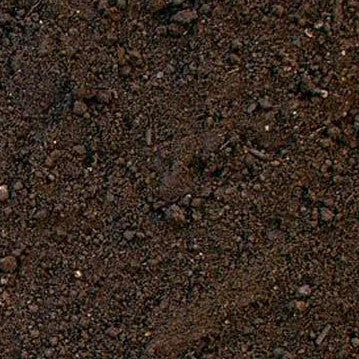
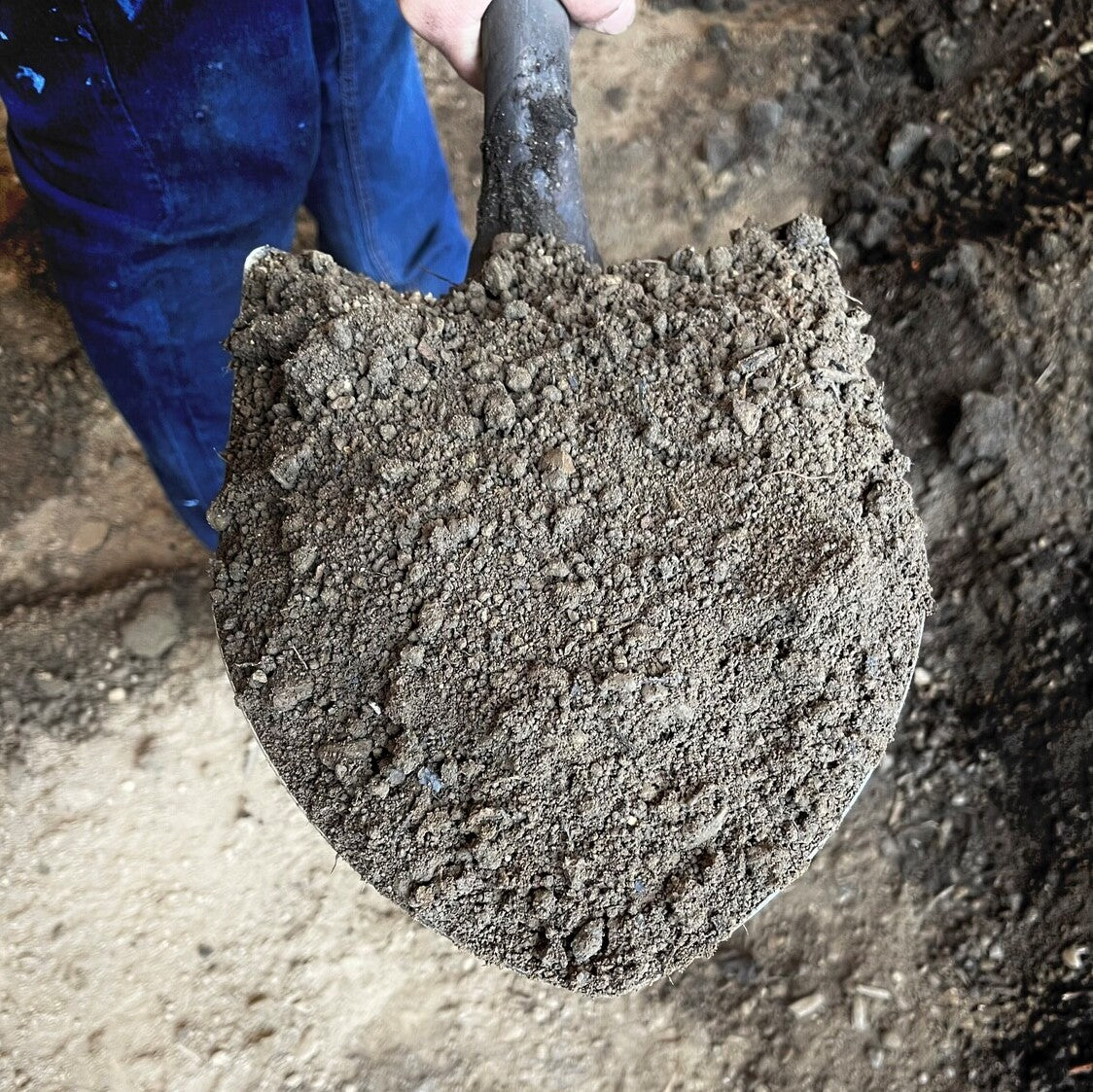
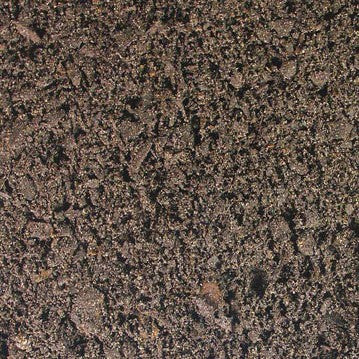
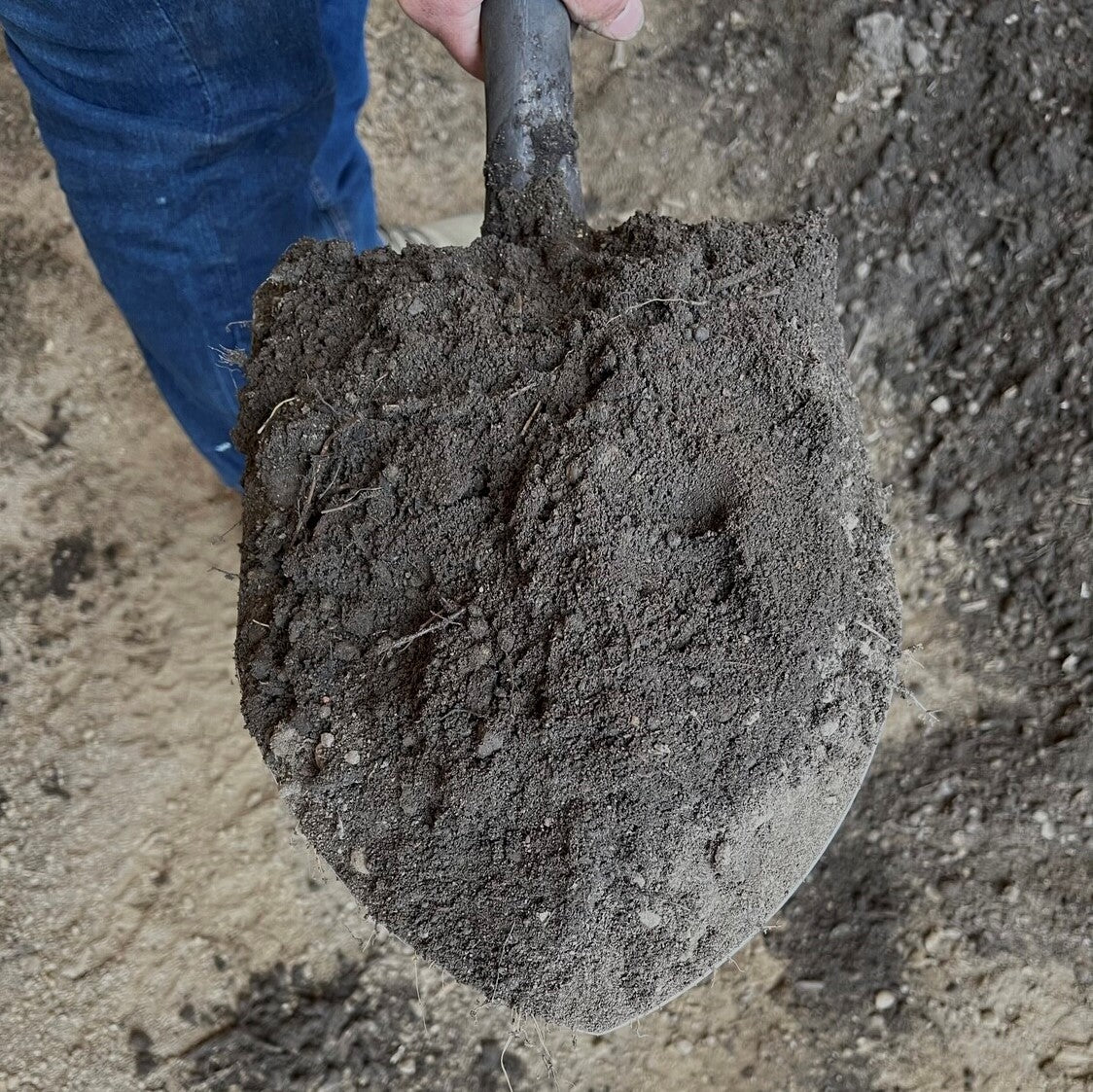
We got 3 yards of the gardening top soil. It was great quality, not many chunks and seems good for growing, just waiting for all my plants to love it.
We had more than enough soil to fill a raised bed we made and landscaped around a patio. I do wish we could do less tha...
Tell us what you're looking for
Thanks! We received your request.
Something went wrong. Please try again.
How Much Material Do I Need?
Plan six to eight inches of good soil for new planting beds and ten to twelve inches for raised vegetable boxes so roots stay above Mentor's compacted subsoil. For topdressing established lawn, keep each pass to a half inch.
Use our free soil calculator
What is a Yard?
A yard is approximately 27 cubic feet. As a general guideline, one yard of material can cover an area of about 100-160 square feet at a 2-3 inch depth.
We got 3 yards of the gardening top soil. It was great quality, not many chunks and seems good for growing, just waiting for all my plants to love it.
We had more than enough soil to fill a raised bed we made and landscaped around a patio. I do wish we could do less tha...
How Much Material Do I Need?
Plan six to eight inches of good soil for new planting beds and ten to twelve inches for raised vegetable boxes so roots stay above Mentor's compacted subsoil. For topdressing established lawn, keep each pass to a half inch.
Use our free soil calculator
What is a Yard?
A yard is approximately 27 cubic feet. As a general guideline, one yard of material can cover an area of about 100-160 square feet at a 2-3 inch depth.
We got 3 yards of the gardening top soil. It was great quality, not many chunks and seems good for growing, just waiting for all my plants to love ...
Read full review
We got 3 yards of the gardening top soil. It was great quality, not many chunks and seems good for growing, just waiting for all my plants to love it.
We had more than enough soil to fill a raised bed we made and landscaped around a patio. I do wish we could do less than 3 yds delivered but I understand the limitations.
My only concern was we requested it on the top left of our driveway since we had mulch on the other side, they ended up pouring it on top of the mulch (it was covered with a tarp so not ruined) making it difficult to complete our landscaping in a timely fashion.
Measure length and width in feet, then decide your depth in inches before you calculate. A raised bed is straightforward, but for grading work walk the area and estimate an average depth, since Mentor lots are rarely level. Divide total cubic feet by 27 to get cubic yards, and add ten percent for settling.
Complete Your Outdoor Soil Project
Add compost to boost organic matter in Mentor's silt loam, and finish new beds with a few yards of hardwood mulch to keep that fresh soil from crusting in the rain. Many customers pair a soil order with stone for a base or drainage trench in the same trip.
Frequently Asked Questions
Click a question to see the answer
Answer
Why is the soil around my Mentor house so much worse than the soil in my back garden?
Most Mentor subdivisions were graded with heavy equipment, and the good silt loam topsoil near the foundation was stripped and often never fully replaced. What you are digging into is compacted subsoil. Adding six to eight inches of screened topsoil or a compost blend over a loosened base is the standard fix.
Answer
What is the difference between topsoil and garden blend for Mentor beds?
Screened topsoil is our native silt loam cleaned of rock and debris, good for filling and grading. Garden blend adds compost, which lightens that silt loam so it does not compact and gives vegetables the organic matter Mentor's native ground is usually short on. Use topsoil to build volume and blend to grow in.
Answer
When can I safely start filling and planting raised beds in Mentor?
You can fill beds as soon as the ground thaws and firms up, often mid to late March. Planting is a different question. Cool season crops go in early to mid April, and anything frost tender should wait until after the April 28 average last frost, which near the lake can slip a week later.
Answer
How much soil do I need for a 4 by 8 raised bed?
A 4 by 8 bed filled 12 inches deep needs 32 cubic feet, which is about 1.2 cubic yards. Two beds get you close to two and a half yards. Order slightly over, because soil settles significantly in the first Mentor winter as freeze thaw works the air out.
Answer
My backyard holds water for days after a rain. Will topsoil fix that?
Adding topsoil to a low spot without addressing the grade usually just moves the puddle. In Mentor the water is often sitting on compacted subsoil. Loosen or core the base, build up with a compost rich blend that has structure, and give the area a gentle slope away from the house so the 39 inches of yearly rain has somewhere to go.
Answer
Should I test my soil before ordering?
It is worth it. Mentor silt loam tends to run slightly acidic, which suits rhododendrons, blueberries, and hollies but can shortchange lawns and vegetables. An OSU Extension test through the Lake County office costs very little and tells you whether you need lime along with your soil order.
Answer
Can I put topsoil over my existing lawn to level low spots?
Yes, in thin passes. Spread no more than a half inch of screened soil at a time over living turf and rake it into the canopy so the grass grows through. In Mentor the best window is late August into September, when soil is warm, rain returns, and you still have two months before the October 24 first frost.
Mulch Mound Pro Tip
Loosen the ground before you add soil. Dumping fresh topsoil onto compacted Mentor subsoil creates a hard interface that roots will not cross and water will not drain through. Break the existing surface with a garden fork or tiller to a depth of four to six inches, then blend the first inch or two of new soil into it so you get a gradual transition instead of a bathtub.
Mulch Mound Pro Tip
Never work Mentor silt loam when it is wet. Squeeze a handful, and if it forms a slick ribbon rather than crumbling, walk away for a couple of days. Tilling or even walking on saturated silt loam destroys structure and creates compaction that takes years of organic matter to undo. Our wet spring pattern means patience saves more soil quality than any amendment you can buy.
Mulch Mound Pro Tip
Order about ten percent more soil than the calculator says. Fresh screened soil is fluffed from handling and settles noticeably after the first heavy Mentor rain and again after the winter freeze thaw cycles between October and April. Raised beds routinely drop two inches in the first year. Having a little extra on hand beats paying a second delivery fee for half a yard.
The Unique Landscape of Mentor
Native Mentor ground is silt loam, which sounds ideal on paper but on most residential lots it was scraped, stockpiled, and respread by a builder decades ago. What is left near the house is often a thin skim of decent soil over compacted subsoil, and that combination drains poorly under Mentor's 39 inches of annual rainfall. New raised beds, lawn repairs, and grade corrections all need imported soil with real structure, not more compacted fill. Screened topsoil and compost blends give roots something to work with above that hardpan layer and let water move down instead of pooling. With a Zone 6b growing window running roughly from the April 28 last frost to the October 24 first frost, you have about six months for roots to establish, so starting them in good soil matters. Bringing in quality soil is also how Mentor gardeners fix the low wet corners that never seem to dry out in spring.