About this stone

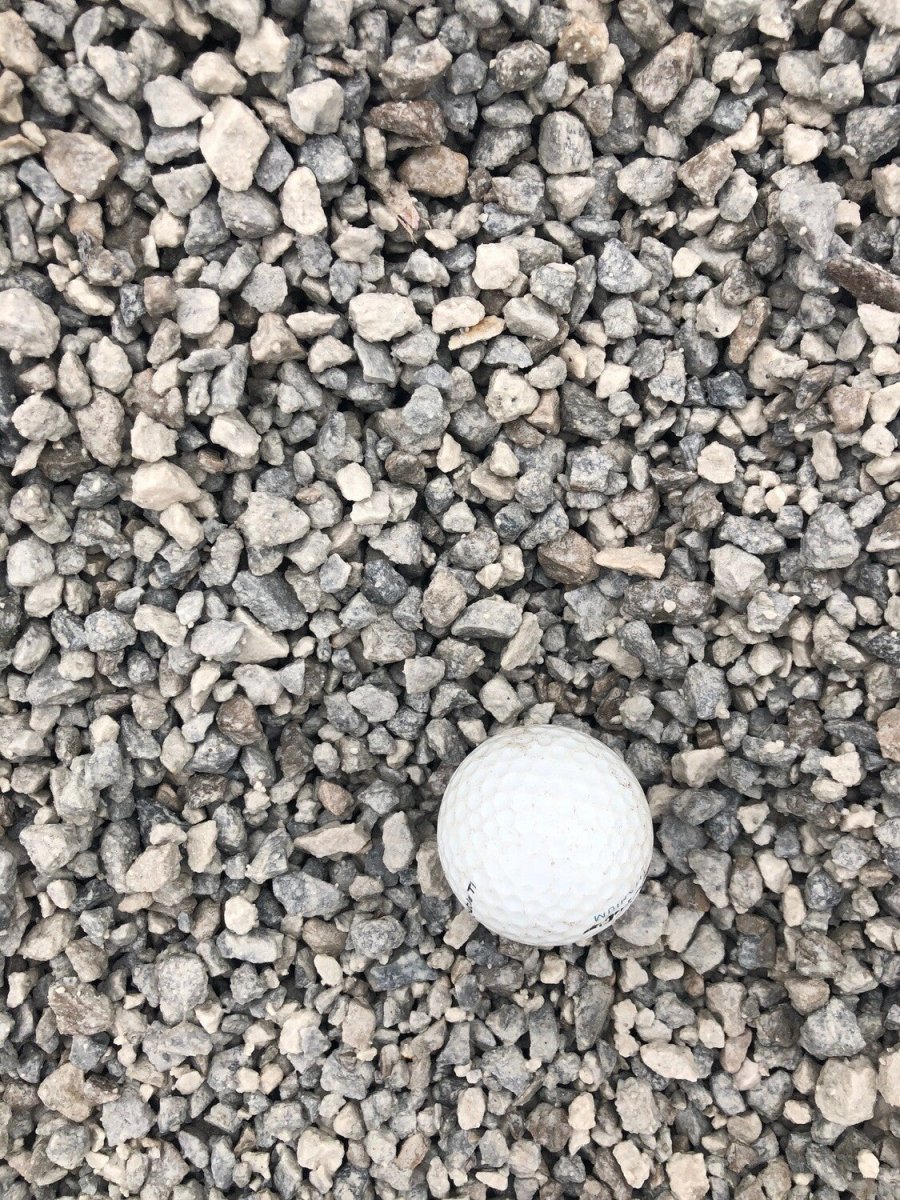
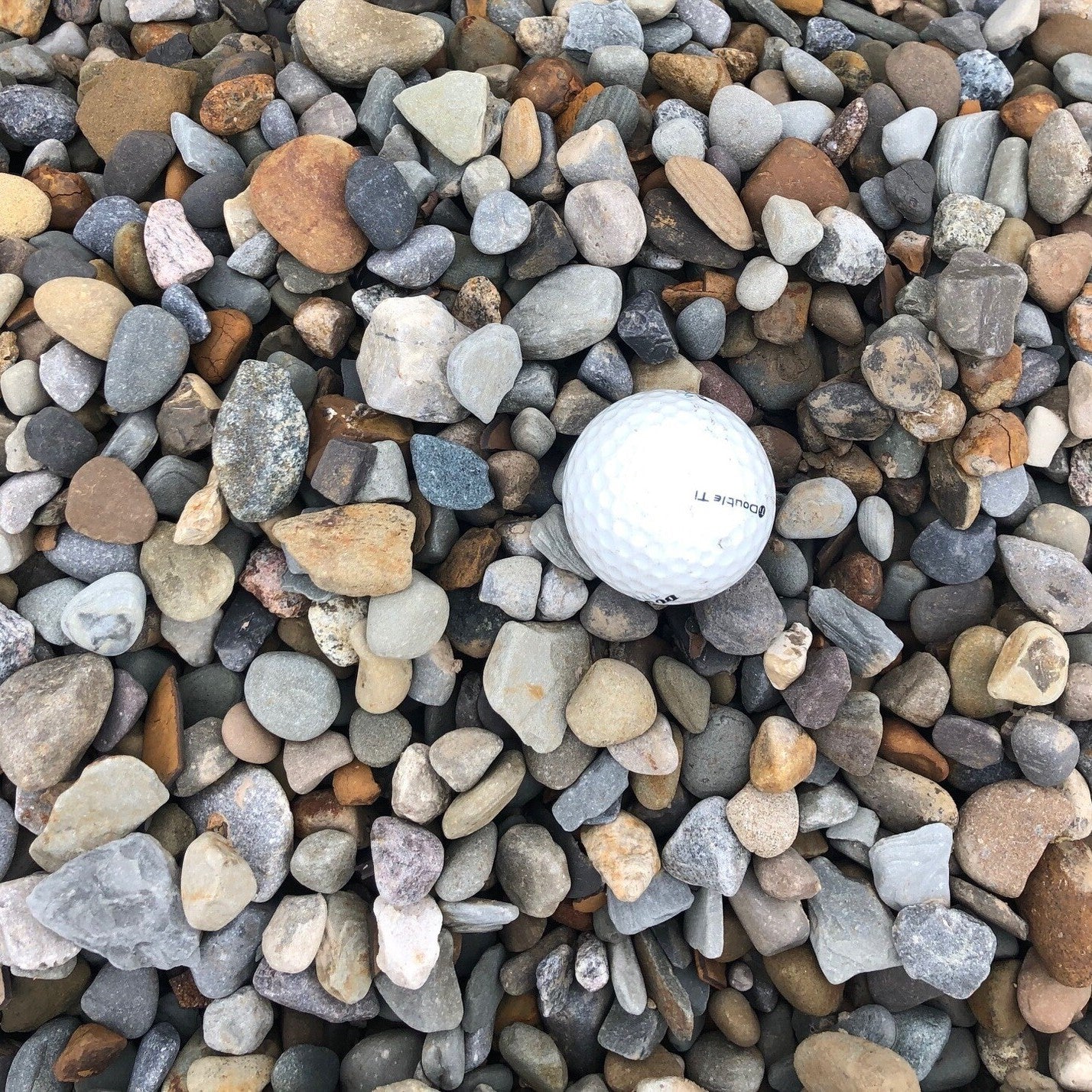
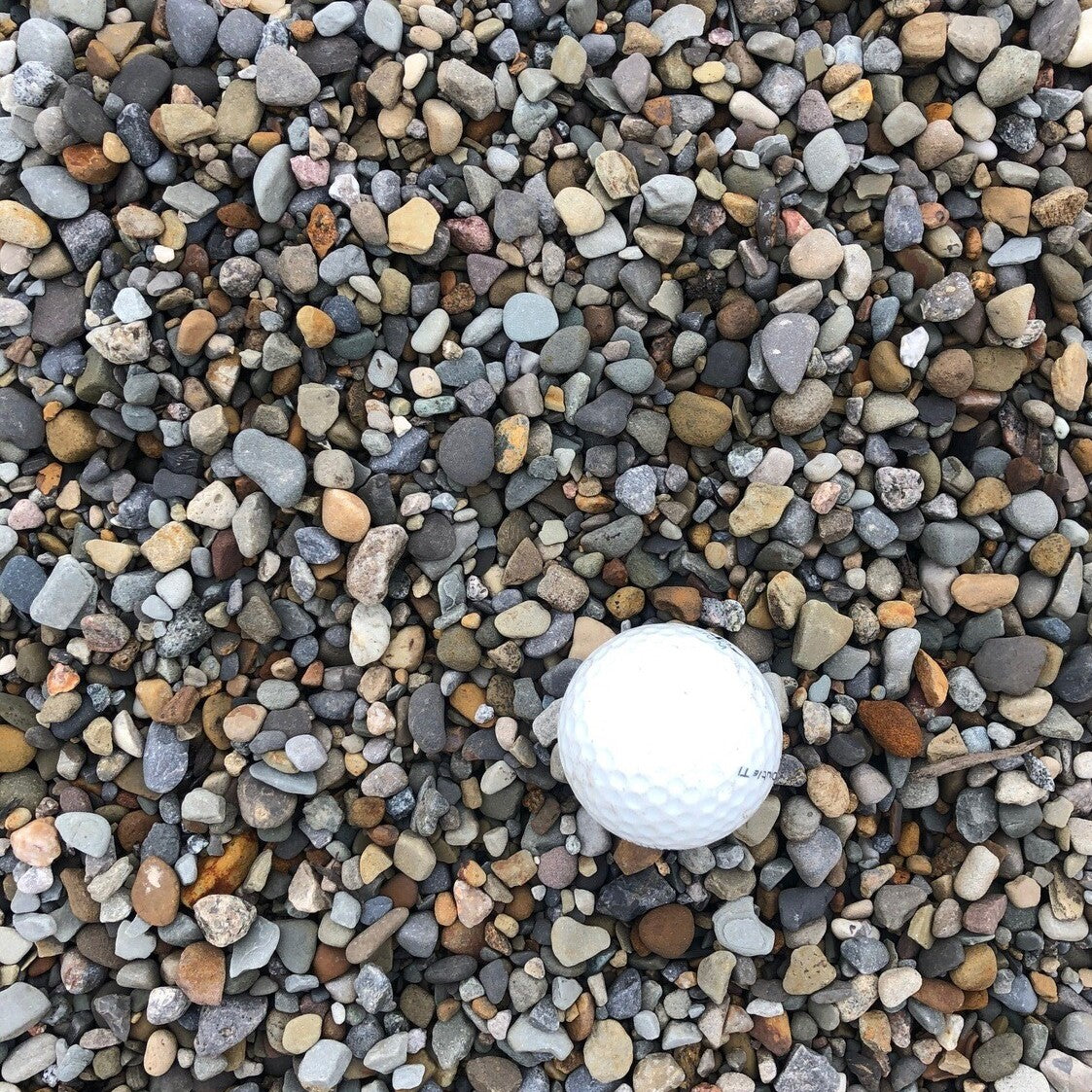
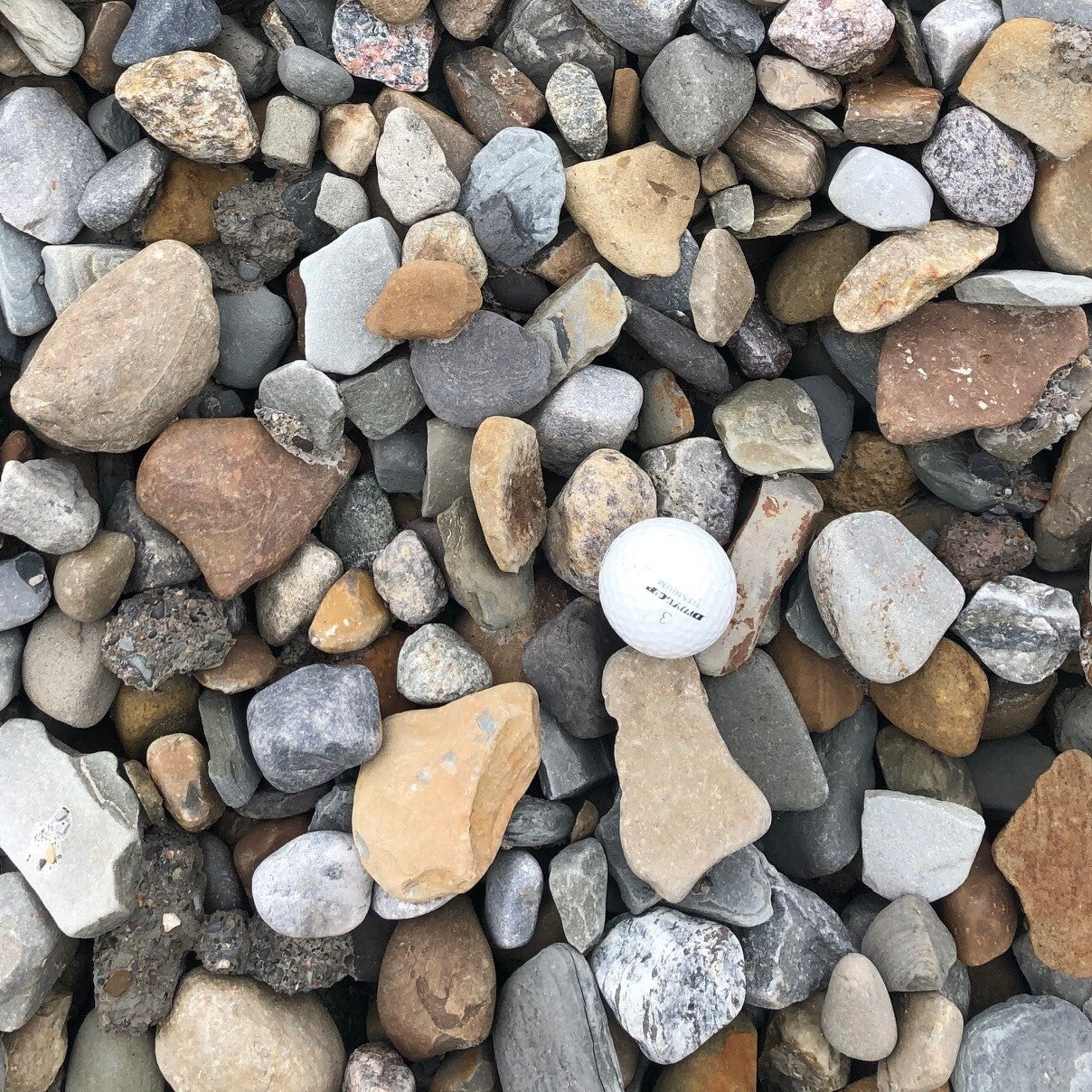
#8 washed gravel: small angular crushed stone perfect for drainage, French drains, and concrete bases.

My experience with Mulch Mound was great and super easy. I ordered two yards of screened topsoil and was able to get it delivered within 2 days. They came in my requested time frame (afternoon) and dropped it off where I asked on my driveway. The topsoil was exactly what was a...

Use two inches of decorative stone over fabric for beds and downspout aprons, and four to six compacted inches of crushed limestone for drives, paths, and patio bases. Drainage trenches get filled to within two inches of grade.
Use our free stone calculator

A yard is approximately 27 cubic feet. As a general guideline, one yard of material can cover an area of about 100-160 square feet at a 2-3 inch depth.

Mentor Stone Delivery

Mentor Stone Delivery

4.7
137 reviews
Regular price $87.00 per Yard
Regular price Sale price $87.00
Sale Sold out
Shipping calculated at checkout.
Type
Size
Hand-picked local yards
4,000+ regional deliveries
Dedicated support
Why order through Mulch Mound

The best local , without the guesswork.

We hand-pick and partner with the best yards in your region, keep only the ones our buyers rate well, and back each load with our guarantee.

Mulch Mound Guarantee

If your isn't the quantity or quality you ordered, we'll make it right.

About this stone

#8 washed gravel: small angular crushed stone perfect for drainage, French drains, and concrete bases.

My experience with Mulch Mound was great and super easy. I ordered two yards of screened topsoil and was able to get it delivered within 2 days. They came in my requested time frame (afternoon) and dropped it off where I asked on my driveway. The topsoil was exactly what was a...

Use two inches of decorative stone over fabric for beds and downspout aprons, and four to six compacted inches of crushed limestone for drives, paths, and patio bases. Drainage trenches get filled to within two inches of grade.
Use our free stone calculator

A yard is approximately 27 cubic feet. As a general guideline, one yard of material can cover an area of about 100-160 square feet at a 2-3 inch depth.

View full details

How It Works

Getting started is easy — just follow these simple steps

1

Choose your stone

Make sure you adjust the quantity to your home's needs. You can use our calculator to estimate how much you'll need.

2

Select your delivery date

Select a delivery date you'd like for the product to be dropped off at your home

3

Sit back and wait

Sit back, wait, and let us work our magic to make sure the highest quality product is delivered to your driveway.

From The Mouths of Mentor Folks

4.7
out of 5 based on 137 reviews
Google Reviews

Need Help Calculating How Much Stone & Gravel You Need?

Use our NEW Trace from Satellite tool to get an estimate for your project based on an aerial view of your property

Try Our Calculator
📍

Measure length and width in feet and settle on a depth before you calculate, since stone depth varies a lot by use. Two inches is right for decorative cover, four inches for paths, and four to six compacted inches for a base. Remember stone weighs roughly 2,700 pounds per cubic yard, so verify your driveway can handle the load.

Complete Your Outdoor Stone Project

Pick up geotextile fabric and steel or paver edging with your stone order so it stays where you put it through Mentor's freeze thaw season. Many customers add a load of screened topsoil to finish the grade alongside a new gravel path or drain.

Mulch Mound Pro Tip

Always separate stone from Mentor silt loam with woven geotextile fabric. Without it, our fine silty soil pumps up into the stone every time the ground saturates during a rainy stretch, and within three or four years your clean gravel is a mud filled mess. Fabric costs a fraction of what re excavating and replacing stone will, and it doubles as a weed barrier.

Mulch Mound Pro Tip

Compact in lifts, not all at once. Spread crushed limestone two inches at a time, wet it lightly, and run a plate compactor over each layer before adding the next. Mentor's freeze thaw cycles will find any soft spot in a poorly compacted base and turn it into a dip by the second spring. Time spent compacting now prevents resetting pavers later.

Mulch Mound Pro Tip

Slope stone drainage features away from your foundation at a minimum of one inch per foot for the first ten feet. Mentor's flat terrain near 630 feet of elevation means water does not leave on its own, and with 39 inches of annual rainfall a level dry creek bed becomes a standing pond. Set string lines and check with a level before you dump a single yard.

The Unique Landscape of Mentor

Water management is the real reason Mentor yards need stone. With 39 inches of rain a year, silt loam over a slow draining subsoil, and a flat lakeside elevation around 630 feet, water tends to sit rather than run. Gravel drainage trenches, dry creek beds, and stone downspout aprons give that water a fast path away from foundations and low spots. Stone also holds its shape through Mentor's heavy freeze thaw season in a way that mulch and bare soil do not, so paths, driveway edges, and side yards stay usable in March. Because it does not decompose, stone is the right choice anywhere you are tired of replacing material every spring. Limestone, river rock, and washed gravel each solve a different problem, from compacting bases to decorative beds along the house.

Frequently Asked Questions

Click a question to see the answer

Answer

What size gravel should I use for a French drain in my Mentor backyard?

Use washed number 57 stone, which is roughly three quarter inch and has plenty of void space for water. Skip anything with fines, because Mentor's silt loam will migrate into the voids and clog the trench within a few seasons. Always wrap the trench in filter fabric before you fill it.

Answer

Will stone mulch work in my beds instead of hardwood mulch?

It works well in narrow strips against the house and around downspouts where you want permanent drainage. It works poorly in planted beds, because Mentor's wind blown leaf litter and silt fill the gaps within two years and weeds root right in that debris. Stone also reflects heat, which stresses shrubs during our humid July stretches.

Answer

How much stone do I need for a driveway base in Mentor?

Plan a four to six inch compacted base of number 304 limestone over geotextile fabric, more if you are building over the soft silt loam common on the west side of town. One cubic yard covers about 80 square feet at four inches. Compact in two inch lifts for a base that survives freeze thaw.

Answer

Does limestone gravel change my soil pH?

Over time, yes. Limestone slowly raises pH as it weathers, which is fine near a driveway but a problem if it borders acid loving plants. Mentor soils already lean slightly acidic, so azaleas, rhododendrons, and blueberries in your beds will notice. Use river rock or granite gravel next to those plantings instead.

Answer

Can I lay stone in the winter here?

You can spread loose stone any time the pile is not frozen solid, but base work is different. Compaction and paver setting should happen while the ground is thawed and workable, generally between April and late October before the October 24 first frost. Frozen subgrade will heave and ruin an otherwise good base come spring.

Answer

What stone works best for a walkway that stays passable in a Mentor winter?

Crushed limestone screenings or a compacted number 411 path drains fast and does not get slick, and it takes salt or grit well. Avoid rounded pea gravel on any slope, because it rolls underfoot and scatters when you shovel. A four inch compacted depth with edging holds up through repeated freeze thaw.

Answer

How do I keep weeds out of my stone areas?

Put down woven geotextile fabric, not thin plastic sheeting, before the stone goes down. Even then, Mentor's leaf fall and wind carried silt build a growing layer on top within a couple of years. Blow the debris out each fall and spot treat, and your stone areas will stay clean far longer.