Wonderful experience! They put the mulch exactly where we wanted. This mulch spread very easily and didn’t have the usual “mulch smell.” We will definitely use again!
Tell us what you're looking for
Thanks! We received your request.
Something went wrong. Please try again.
How Much Landscape Rock Do I Need?
At a 2 to 3 inch install depth, one cubic yard of rock covers roughly 162 square feet at the shallow end of that range. Measure your bed's square footage first, then divide by 162 to get a rough cubic yard count, adding a bit more if you are running the deeper 3 inch depth for weed suppression. Most Midland front-yard beds run 2 to 4 cubic yards, but wider foundation borders or downspout aprons can push higher. Use our free stone calculator
What is a ton?
A ton is 2,000 pounds of material. As a general guideline, one ton covers roughly 100 square feet at 2 inches deep, depending on the size and density of the material.
Wonderful experience! They put the mulch exactly where we wanted. This mulch spread very easily and didn’t have the usual “mulch smell.” We will definitely use again!
How Much Landscape Rock Do I Need?
At a 2 to 3 inch install depth, one cubic yard of rock covers roughly 162 square feet at the shallow end of that range. Measure your bed's square footage first, then divide by 162 to get a rough cubic yard count, adding a bit more if you are running the deeper 3 inch depth for weed suppression. Most Midland front-yard beds run 2 to 4 cubic yards, but wider foundation borders or downspout aprons can push higher. Use our free stone calculator
What is a ton?
A ton is 2,000 pounds of material. As a general guideline, one ton covers roughly 100 square feet at 2 inches deep, depending on the size and density of the material.
Wonderful experience! They put the mulch exactly where we wanted. This mulch spread very easily and didn’t have the usual “mulch smell.” We will de...
Read full review
Wonderful experience! They put the mulch exactly where we wanted. This mulch spread very easily and didn’t have the usual “mulch smell.” We will definitely use again!
Placing an order online was so easy. Delivery was on time. When the driver realized we had a newly poured driveway they erred on the side of cautio...
Read full review
Placing an order online was so easy. Delivery was on time. When the driver realized we had a newly poured driveway they erred on the side of caution and opted not ti drive in it. The company even sent me a message explaining that call. Would recommend!
Landscape fabric underneath is what makes this a true decade-long install instead of a rock bed that grows weeds through the caliche within a season. Steel or aluminum edging keeps the rock from migrating into turf, which matters more here given how flat and open most Midland lots are. If any part of the bed borders plantings that need real soil feeding, keep a mulch zone separate rather than mixing the two.
Midland's caliche layer sits close to the surface in a lot of yards, and if you try to bed rock straight onto it without fabric, the rock will slowly work down into cracks in the hardpan over a couple of seasons and you will find yourself topping off a bed that looks thinner every year. Lay fabric first, pin it well, then place rock at the full 3 inches if the bed sees any foot traffic or blowing dust, which almost all of them do here.
Mulch Mound Pro Tip
The biggest mistake we see in Midland is treating rock beds like mulch beds and expecting them to feed nearby shrubs. They will not, and rock actually pulls moisture and nutrients away from plant roots at the edges. Keep a soil or mulch buffer around anything you want to keep alive long term, and reserve straight rock for groundcover zones, foundation strips, and downspout paths where nothing is trying to grow.
Mulch Mound Pro Tip
Pairing rock with a mulched planting bed on the same property is common and efficient, since one delivery of each material in the same trip covers both zones without two separate scheduling trips. If you are edging a large area, buy your steel or aluminum edging before the rock delivery, not after, so you are not shoveling rock back off the lawn to install a border you forgot.
Decorative Stone in Midland
Midland's sandy caliche drains fast and holds almost no organic matter, which is exactly why rock outperforms bark here, it does not decompose into a soil that never absorbs it in the first place. With summer heat pushing soil temps up fast and wind off the Permian Basin flatlands blowing loose mulch into fence lines, a settled rock bed stays put. It is the standard choice against foundations and along downspouts where Midland's occasional gully washer needs somewhere to shed water without eroding a bed. Zone 8a means no freeze heave to worry about, so a properly graded rock bed installed once should not need touching for a decade or more.
What Landscape Rock Is
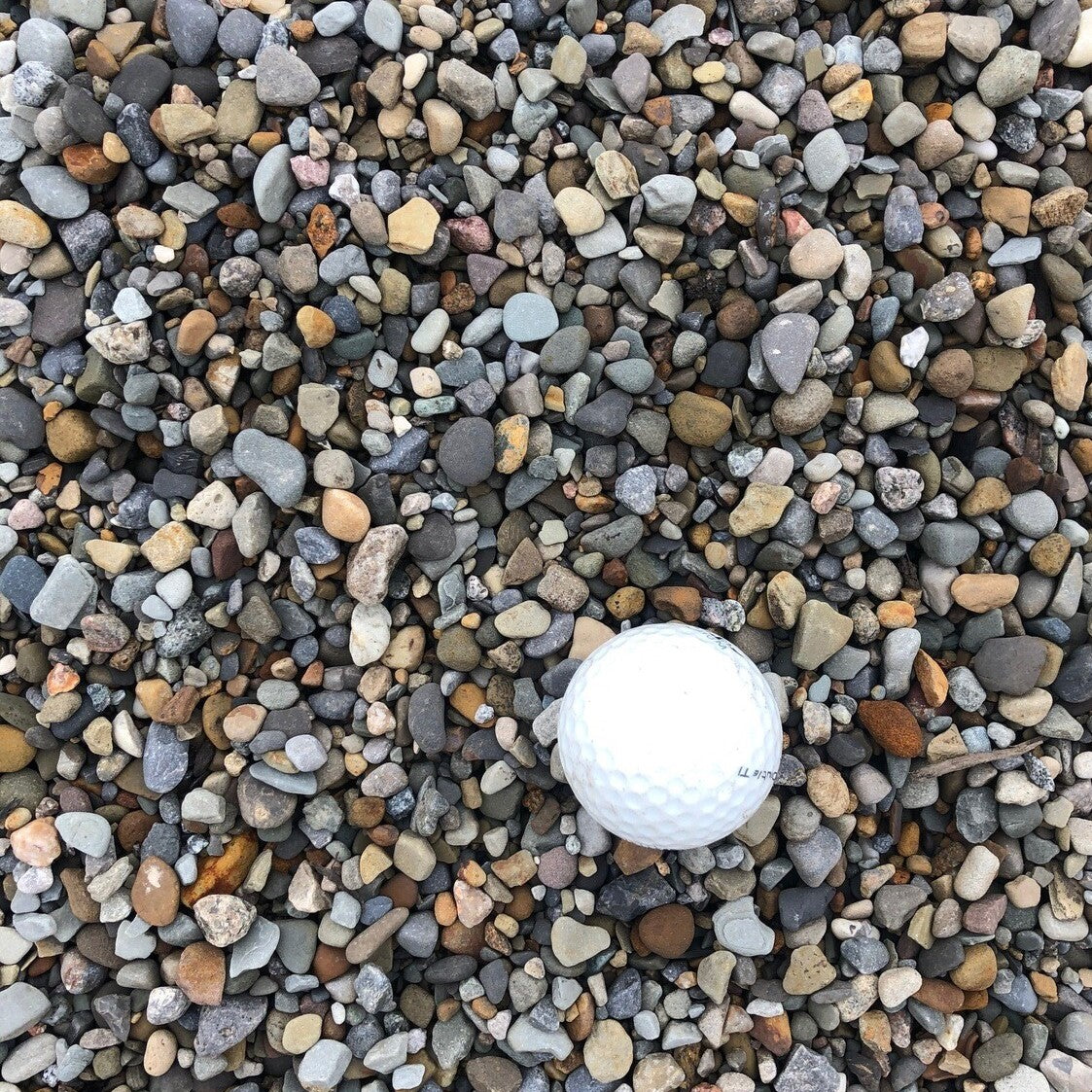
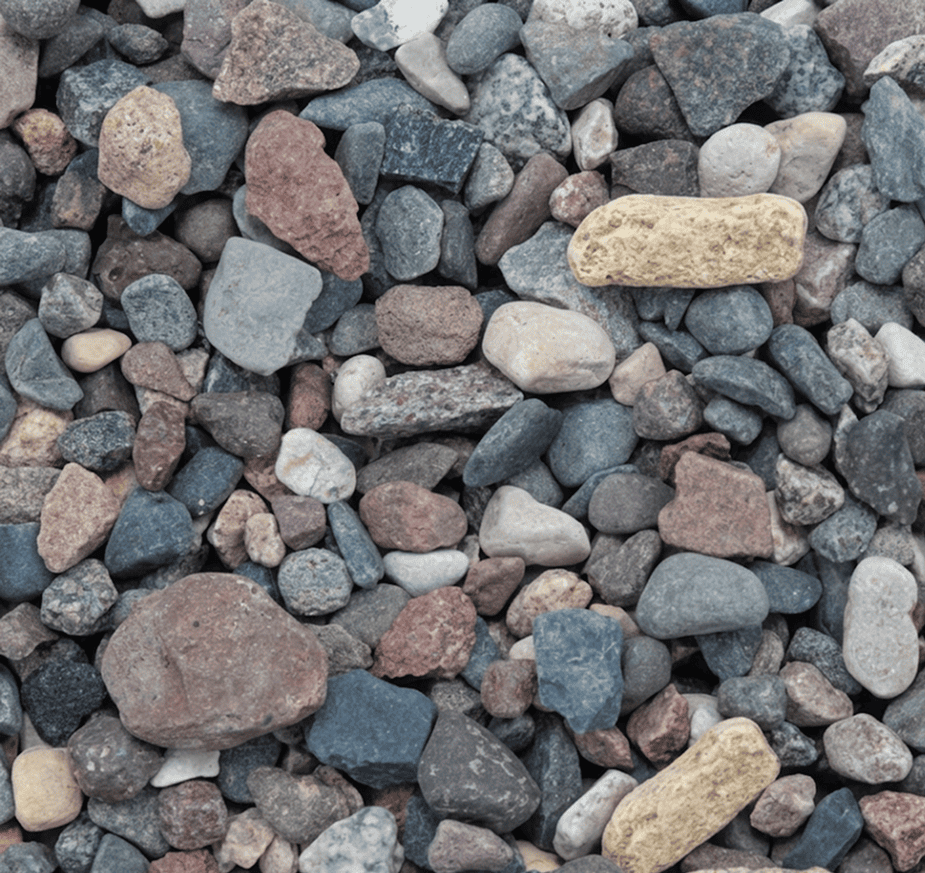
Landscape rock is stone chosen for how it looks as much as what it does. River rock is smooth and rounded, decomposed granite is fine and packs firm underfoot. Both are sold by the cubic yard for beds, borders, paths, and dry creek beds.
River Rock vs Decomposed Granite
River rock stays loose and rolls, so it suits beds, borders, and drainage runs where it can sit in place. Decomposed granite compacts into a firm surface, so it suits paths, patios, and anywhere you will walk or roll a wheelbarrow.
Depth and Coverage
Spread river rock 2 to 3 inches deep over landscape fabric so it stays put and weeds stay down. Lay decomposed granite 3 to 4 inches deep, wet it, and compact it in lifts for a surface that sheds water instead of rutting.
Frequently Asked Questions
Click a question to see the answer
Answer
Will landscape rock work over Midland's caliche soil or do I need to remove it first?
You do not need to remove the caliche, but you should not lay rock directly on it either. Grade the area, lay landscape fabric over the caliche, then place your rock on top. This keeps the rock from settling unevenly into cracks in the hardpan and keeps weeds from finding a way up through gaps.
Answer
How many cubic yards do I need for a 300 square foot front bed?
At a 2 inch depth, one cubic yard covers about 162 square feet, so a 300 square foot bed needs close to 2 cubic yards. If you want the fuller 3 inch depth for better weed suppression in Midland's wind, plan closer to 2.5 to 3 cubic yards to be safe.
Answer
Is there a bad time of year to install rock in Midland?
Rock can go down any time of year since it is not weather dependent like planting, but many Midland customers prefer to install before the worst summer heat in June and July, since working in full sun on a rock bed install is brutal. Spring after the last frost around April 10 or fall before November tends to be more comfortable for the labor.
Answer
Where will the delivery truck place the rock and do I need a clear driveway?
The load is placed at one accessible drop point you choose, usually a driveway apron or curb area, so yes, that spot needs to be clear and reachable by a full size delivery truck. If your access is tight or gated, let us know the details when you schedule so the driver can plan the drop accordingly.
Answer
Should I choose rock or mulch for a bed near my house foundation in Midland?
Rock is generally the better call against foundations here since it does not hold moisture against the house the way organic mulch can, and it will not need replacing every year or two. Mulch is worth it around plantings that benefit from organic matter breaking down into Midland's nutrient poor sandy caliche, but a foundation strip rarely needs that.
Answer
What is decomposed granite, or DG, best used for?
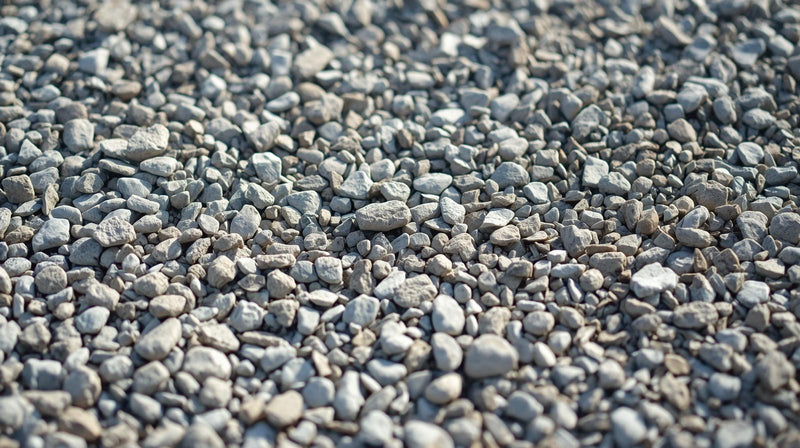
DG, which stands for decomposed granite, is small granite chips and fines that you compact with water into a solid, natural looking surface. It works for garden paths, patios, and fire pit areas. In Midland, where flat, open lots and caliche soil are common, a DG patio pad with edging gives a tidy, low upkeep surface.