



Delivery was smooth and on time!
The triple shredded mulch was great quality and just what we were looking for.
About this landscape rock
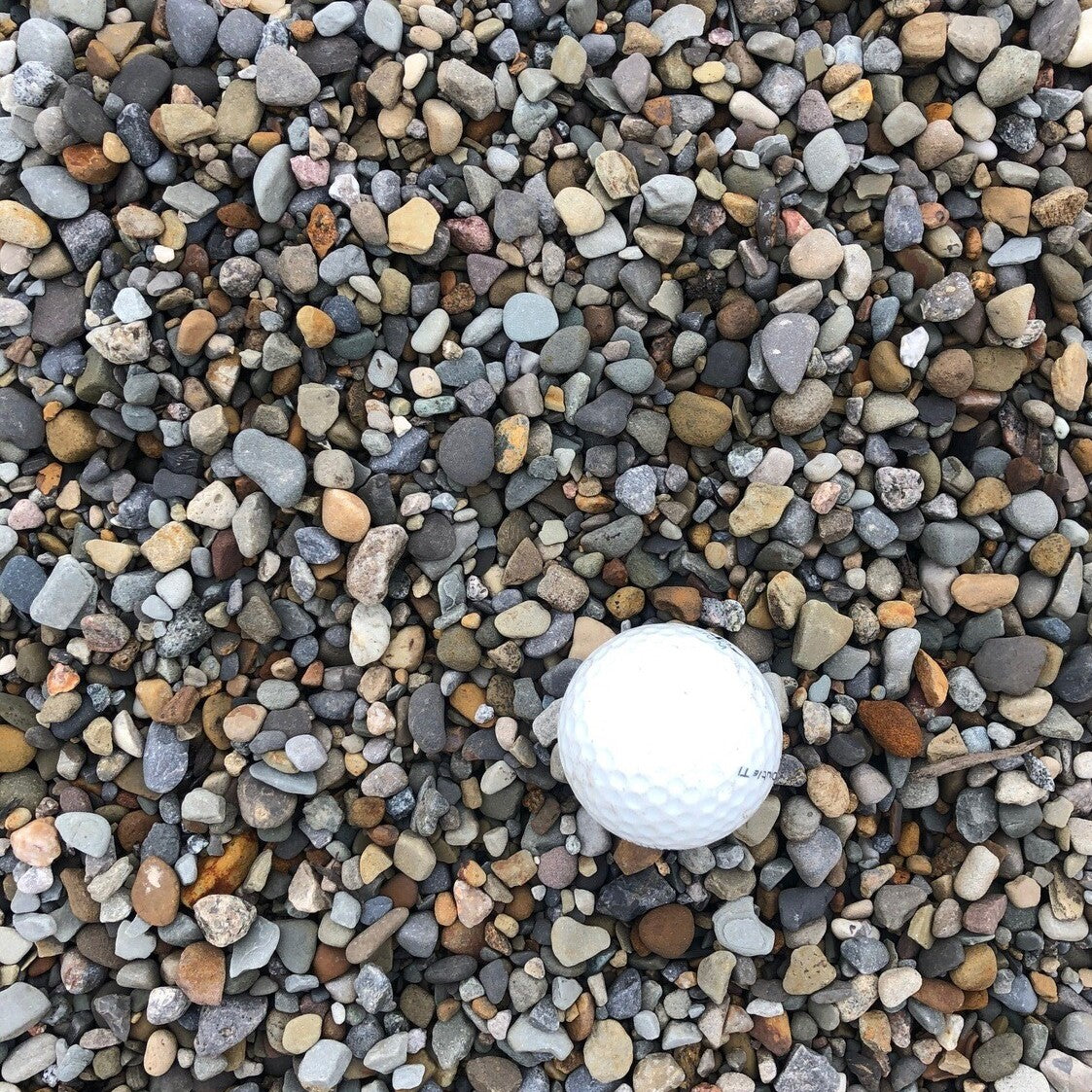
Smooth tumbled river rock, heavy enough to stay put in drainage runs and handsome enough for beds and borders.
Delivery was smooth and on time!
The triple shredded mulch was great quality and just what we were looking for.
Tell us what you're looking for
Thanks! We received your request.
Something went wrong. Please try again.
How Much Landscape Rock Do I Need?
How Much Landscape Rock Do I Need?
One cubic yard of landscape rock covers about 162 square feet at a 2 inch depth, or a bit less if you go to 3 inches for better weed suppression. Measure the bed's length and width, decide your depth, and figure the yardage from there rather than eyeballing it. Most Morgantown front yard beds and downspout runs land somewhere between 2 and 5 cubic yards depending on how much of the lot you're covering.
What is a Yard?
What is a Yard?
What is a yards?
What is a yards?
FAQs
FAQs
Morgantown Landscape Rock Delivery
Morgantown Landscape Rock Delivery
Regular price
$132.00
per
Yard
Regular price
Sale price
$132.00
Unit price
per
Shipping calculated at checkout.
Minimum of 3 Yard
Couldn't load pickup availability
Hand-picked local yards
4,000+ regional deliveries
Dedicated support
Why order through Mulch Mound
The best local landscape rock, without the guesswork.
We hand-pick and partner with the best yards in your region, keep only the ones our buyers rate well, and back each load with our guarantee.
Mulch Mound Guarantee
If your landscape rock isn't the quantity or quality you ordered, we'll make it right.
About this landscape rock
Smooth tumbled river rock, heavy enough to stay put in drainage runs and handsome enough for beds and borders.
Delivery was smooth and on time!
The triple shredded mulch was great quality and just what we were looking for.
How Much Landscape Rock Do I Need?
How Much Landscape Rock Do I Need?
One cubic yard of landscape rock covers about 162 square feet at a 2 inch depth, or a bit less if you go to 3 inches for better weed suppression. Measure the bed's length and width, decide your depth, and figure the yardage from there rather than eyeballing it. Most Morgantown front yard beds and downspout runs land somewhere between 2 and 5 cubic yards depending on how much of the lot you're covering.
What is a Yard?
What is a Yard?
What is a yards?
What is a yards?
FAQs
FAQs
Tell us what you're looking for
Thanks! We received your request.
Something went wrong. Please try again.
How It Works
Getting started is easy — just follow these simple steps
1
Choose your quantity
Adjust the quantity to match your project. One cubic yard covers about 100 to 160 square feet at a 2 to 3 inch depth.
2
Select your delivery date
Select a delivery date you'd like for the product to be dropped off at your home
3
Sit back and wait
Sit back, wait, and let us work our magic to make sure the highest quality product is delivered to your driveway.

Very easy to place order online for our exact needs and very flexible for when we needed

From the time I placed the order to the delivery it was quick and professional. I will highly recommend and will use them from now on.
Complete Your Outdoor Project
Landscape fabric underneath is what makes this a decade long install instead of a weed patch by next summer, so budget for that before the stone goes down. Steel or aluminum edging keeps rock from migrating onto the lawn on sloped Morgantown lots, and a few bags of paver base help if you're setting stepping stones through the bed at the same time.



Mulch Mound Pro Tip
Lay fabric before the rock, always. In silt loam soil like ours, skipping fabric means the rock slowly works its way down into the ground over a couple seasons and you end up with a muddy mix that's nearly impossible to clean out later. Fabric also stops silt from wicking up into the stone after heavy rain runoff off the hillsides, which keeps the rock looking like rock instead of turning gray brown within a year.
Mulch Mound Pro Tip
The biggest mistake we see around Morgantown is installing rock right up against foundation plantings that want organic matter. Rock traps leaf litter instead of breaking it down, so anything that needs feeding from decomposed leaves will struggle. Keep rock to foundation borders, downspout aprons, and low maintenance front beds, and leave planting beds with real soil contact for mulch instead.
Mulch Mound Pro Tip
Order the full amount up front rather than in stages. Rock is a one time install, not a seasonal refresh like mulch, so buying slightly extra to finish a bed in one delivery saves you a second delivery fee and a mismatched batch later, since stone color can vary slightly between loads depending on the quarry run.
Decorative Stone in Morgantown
Morgantown's silt loam holds water well after rain off Coopers Rock and the surrounding ridges, which means beds tight against a foundation can stay damp longer than you want near a sill or crawlspace vent. Rock over fabric sheds that moisture away from the house instead of soaking it in like mulch would. A lot of the lots here have grade changes and slopes down toward the street, and rock stays put on a pitch better than loose organic material. It is also a practical choice around downspouts where silt loam tends to erode and channel during a hard spring rain.
What Landscape Rock Is
Landscape rock is stone chosen for how it looks as much as what it does. River rock is smooth and rounded, decomposed granite is fine and packs firm underfoot. Both are sold by the cubic yard for beds, borders, paths, and dry creek beds.
River Rock vs Decomposed Granite
River rock stays loose and rolls, so it suits beds, borders, and drainage runs where it can sit in place. Decomposed granite compacts into a firm surface, so it suits paths, patios, and anywhere you will walk or roll a wheelbarrow.
Depth and Coverage
Spread river rock 2 to 3 inches deep over landscape fabric so it stays put and weeds stay down. Lay decomposed granite 3 to 4 inches deep, wet it, and compact it in lifts for a surface that sheds water instead of rutting.