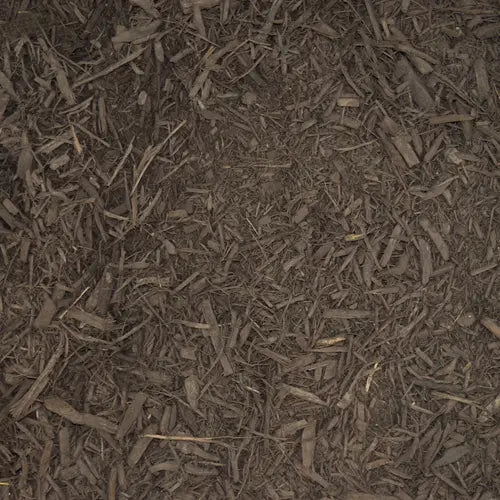
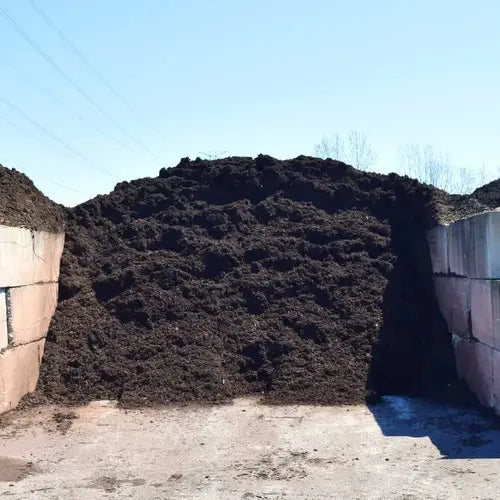
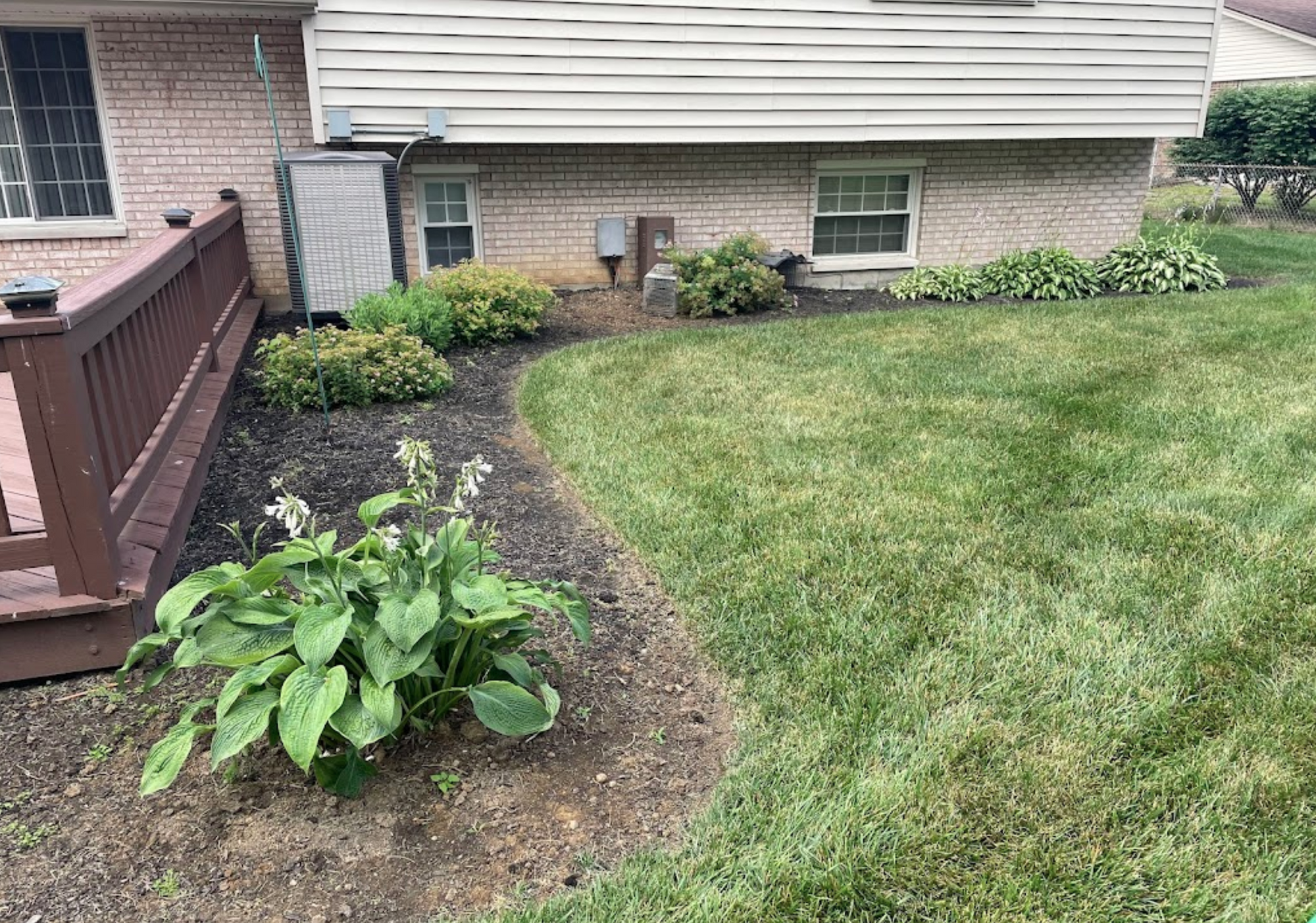
Mulch Mound made it so easy! So happy with the pricing, turn around time, delivery and product. I submitted my online order on a Thursday. The mulch was delivered to the designated location by a local landscape company at 8:30 a.m. the following Saturday morning. We had the...
Tell us what you're looking for
Thanks! We received your request.
Something went wrong. Please try again.
How Much Material Do I Need?
Three inches is the sweet spot for Moss Bluff beds, deep enough to shade out weeds through our long growing season but shallow enough that silt loam underneath still breathes after a heavy rain. Refresh with one to two inches each spring instead of piling on top of old material.
Use our free mulch calculator
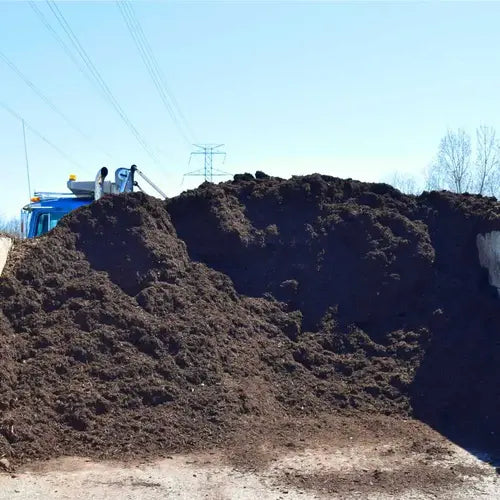
What is a yard?
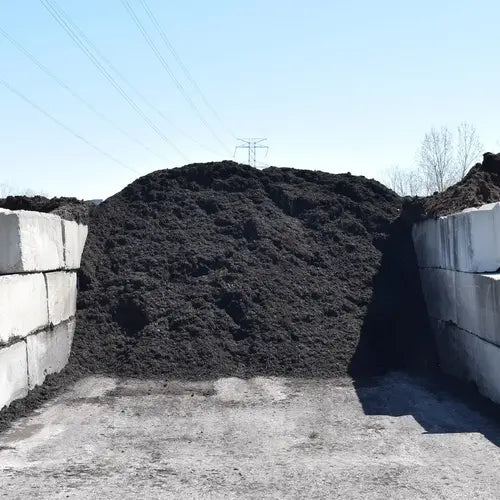
A yard is approximately 27 cubic feet. As a general guideline, one yard of material can cover an area of about 100-160 square feet at a 2-3 inch depth.
Mulch Mound made it so easy! So happy with the pricing, turn around time, delivery and product. I submitted my online order on a Thursday. The mulch was delivered to the designated location by a local landscape company at 8:30 a.m. the following Saturday morning. We had the...
How Much Material Do I Need?
Three inches is the sweet spot for Moss Bluff beds, deep enough to shade out weeds through our long growing season but shallow enough that silt loam underneath still breathes after a heavy rain. Refresh with one to two inches each spring instead of piling on top of old material.
Use our free mulch calculator
What is a yard?
A yard is approximately 27 cubic feet. As a general guideline, one yard of material can cover an area of about 100-160 square feet at a 2-3 inch depth.
Mulch Mound made it so easy! So happy with the pricing, turn around time, delivery and product. I submitted my online order on a Thursday. The mu...
Read full review
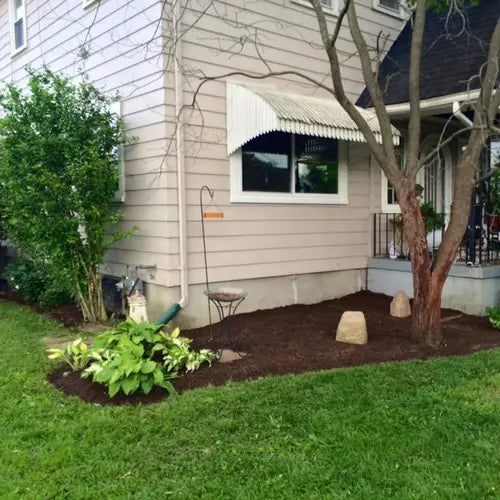
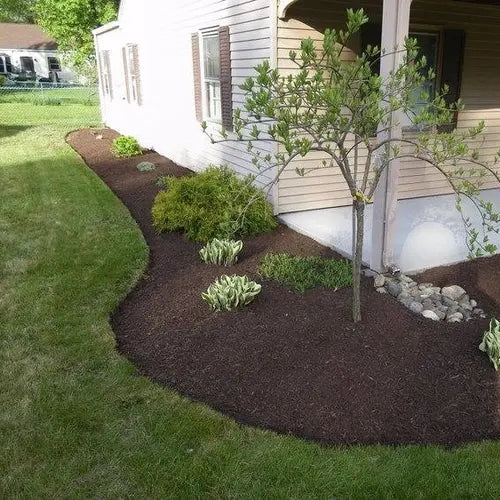
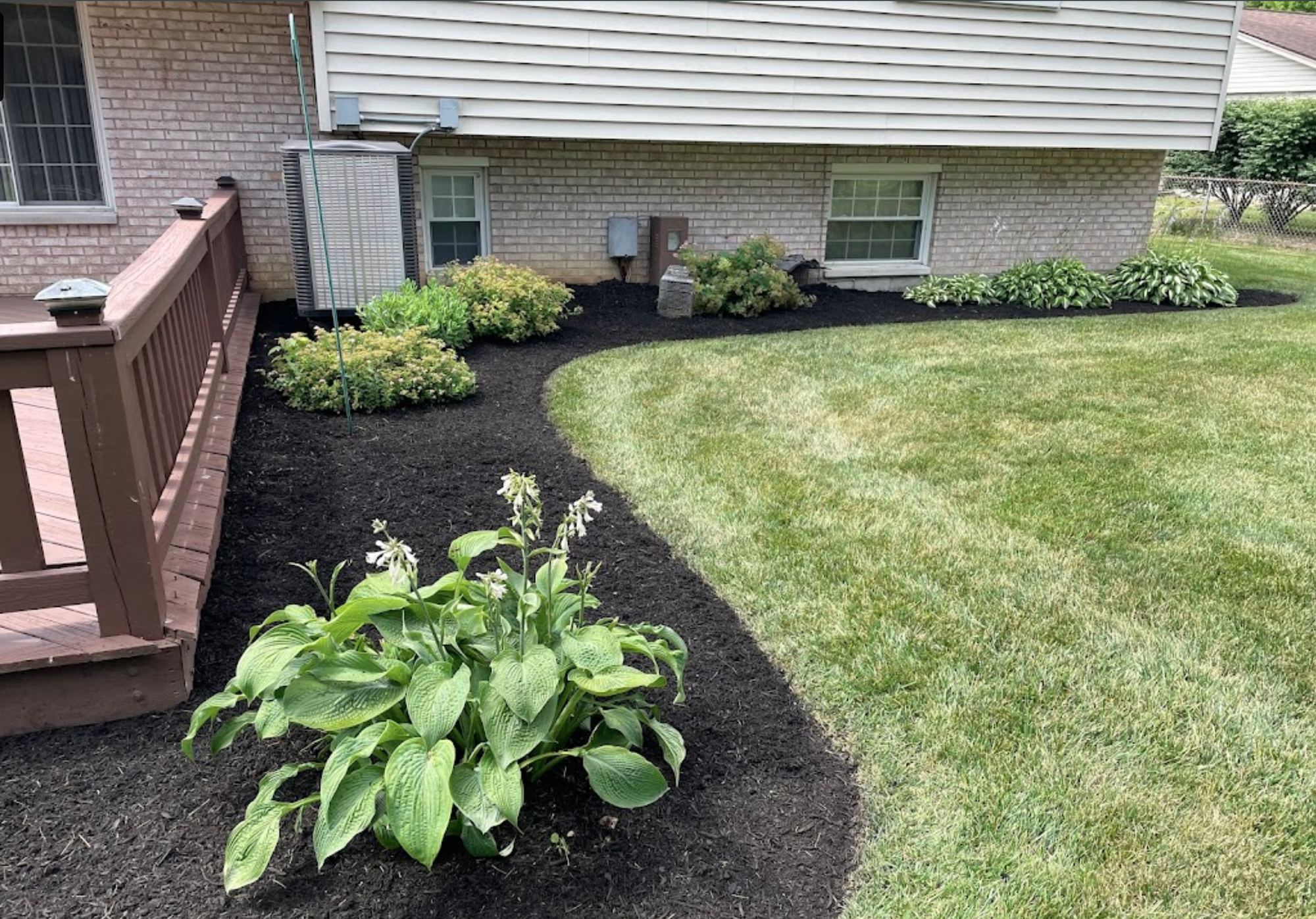
Mulch Mound made it so easy! So happy with the pricing, turn around time, delivery and product. I submitted my online order on a Thursday. The mulch was delivered to the designated location by a local landscape company at 8:30 a.m. the following Saturday morning. We had the job completed by that afternoon. We chose the natural brown mulch, and the plant beds are beautiful.
Good quality, great price, fast delivery. All online - no submitting forms and waiting for days for quotes. Getting mulch should be this easy fr...
Read full review
Good quality, great price, fast delivery. All online - no submitting forms and waiting for days for quotes. Getting mulch should be this easy from everyone. Only Mulch Mound is ACTUALLY this simple.
I highly recommend Mulch Mound. The quality of the mulch is very good. The ordering system on their website makes it very easy. The delivery driver...
Read full review
I highly recommend Mulch Mound. The quality of the mulch is very good. The ordering system on their website makes it very easy. The delivery driver did a great job placing the mulch on the driveway. To finish off, the pricing was very reasonable as well.
Measure each bed in feet, length times width, and treat curved beds as rough rectangles since rounding up costs less than a second delivery trip. Divide total square footage by 100 for a three inch layer, or by 160 for a two inch refresh over existing mulch. Add ten percent if your beds slope toward the street, because Moss Bluff storm runoff will move some material no matter how well you edge.
Mulch vs. No Mulch: The Difference
Moss Bluff's 58 inches of rain, Zone 9a heat, and a frost season that barely spans December to late February create nearly ideal conditions for decomposition. Organic mulches here break down noticeably faster than they would a few states north, which feeds the soil but means more frequent refreshing. Inorganic options like river rock and crushed stone never decompose, which makes them worth considering for drainage areas and hard to reach strips.
Before
After
Best Mulch Choice for Moss Bluff Lawns
Most yards in the Moss Bluff area sit on type of soil. Moss Bluff's silt loam holds water beautifully, which is a blessing in August and a liability after a tropical downpour, because the fine particles pack tight and seal the surface against air movement. Beds that crust over this way suffocate roots and shed the next rain instead of absorbing it.
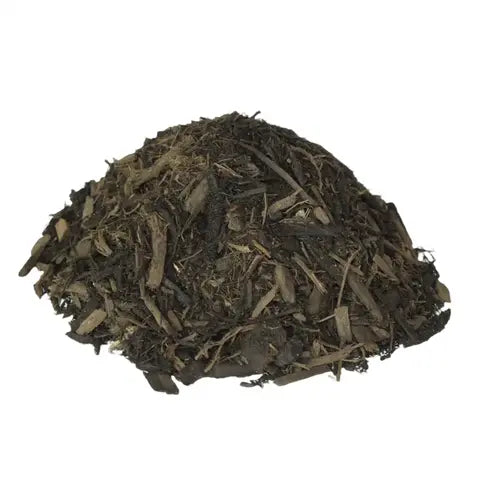
Hardwood Mulch
Shredded hardwood mulch is the best answer for silt loam because it knits into a mat that absorbs raindrop impact and prevents crusting, while feeding a steady supply of organic matter into the top few inches as it breaks down. Over two or three seasons that added humus loosens the loam, improves drainage after heavy rain, and gives roots the air space they cannot get in bare compacted soil.
Complete Your Outdoor Mulch Project
Pair your mulch order with a few yards of garden soil or compost to build up beds before you spread, and add river rock or crushed stone for the drip line edges and downspout splash zones where mulch always washes out.
Rake the old mulch before you add new material. Moss Bluff humidity encourages a fungal mat to form on the surface of aging mulch that actually repels water, so rain runs off instead of soaking in. Break that crust with a hard rake, water the bed lightly, then spread your fresh layer. You will use less mulch, your plants will get more of the rainfall we do receive, and you avoid the dry pockets that show up in July.
Mulch Mound Pro Tip
Keep mulch off the trunks. Volcano mulching around crape myrtles and live oaks is the fastest way to kill an established tree here, because our warm wet climate keeps that piled bark saturated and rot moves into the bark within a season. Pull mulch back three to four inches from every trunk and stem so you can see the root flare. The bed still looks finished and the tree actually breathes.
Mulch Mound Pro Tip
Time your mulching around hurricane season. Anything you spread in June through November may need touching up after a tropical system dumps six inches in a day. Many Moss Bluff homeowners do their heavy mulching in late February and hold back a half yard in a covered corner of the yard for repairs. That reserve lets you patch washed out spots immediately instead of waiting for delivery schedules to clear after a storm.
Frequently Asked Questions
Click a question to see the answer
Answer
How fast does mulch break down with Moss Bluff's rain and humidity?
Faster than most of the country. With 58 inches of rain a year and warm soil nearly twelve months out of twelve, microbes stay active and a single hardwood layer typically thins by half in ten to fourteen months. Most Moss Bluff homeowners top dress about an inch and a half each spring rather than doing a full replacement, and cypress holds up a few months longer than shredded hardwood.
Answer
Will mulch make my termite problem worse out here?
Mulch does not attract termites on its own, but southwest Louisiana has Formosan termite pressure and damp mulch piled against siding gives them cover. Keep mulch pulled back six inches from your foundation and slab edge, hold the depth at three inches or less near the house, and never bury weep holes. Cypress and pine bark are the two least appealing choices if you are worried.
Answer
When is the best time to mulch in Moss Bluff?
Late February through mid March, right after the last frost around February 25, is ideal. Beds have warmed enough that you are not trapping cold in the root zone, and you get the mulch down before spring weeds germinate. A lighter refresh in early October helps beds hold moisture through the dry autumn stretch we often get after hurricane season.
Answer
Does mulch wash out during heavy storms or a tropical system?
Shredded hardwood and cypress knit together and stay put far better than nuggets or bark chips, which float and end up in the street after a five inch rain event. On any slope or in areas that sheet drain, stick with double shredded material and edge the bed with steel or a shallow trench so water slows before it enters the bed.
Answer
How many yards do I need for my beds?
One cubic yard covers about 100 square feet at three inches deep. A typical Moss Bluff front bed running 40 feet by 5 feet is 200 square feet, so two yards does it. Measure each bed separately, add the square footage together, then divide by 100 for three inch coverage and round up.
Answer
Is dyed mulch safe around my vegetable garden and pets?
The colorants we carry are iron oxide and carbon based and are not harmful, but dyed products are made from processed wood rather than bark and offer less nutritional value as they break down. For vegetable beds in Moss Bluff we recommend undyed hardwood or pine straw, and save the dyed black or brown for ornamental beds where the look matters most.
Answer
Can I mulch right over the weeds already growing in my beds?
Not with our weed pressure. Torpedo grass, nutsedge, and dollarweed thrive in silt loam and push straight through four inches of mulch. Pull or spot treat first, wait about ten days, then lay mulch three inches deep. Skip plastic sheeting entirely because it traps water in beds that already stay saturated after Gulf rains.
The Unique Landscape of Moss Bluff
Moss Bluff sits in Zone 9a just north of Lake Charles, where 58 inches of annual rainfall and long humid summers turn bare soil into a weed nursery by April. Our silt loam holds moisture well but crusts over and seals shut after the heavy Gulf downpours that roll in off the coast, which starves roots of oxygen. A three inch mulch blanket absorbs the impact of those hard rains, keeps the surface open, and stops silt from washing off raised beds along the Calcasieu River bottoms. Mulch also buffers root zones during the stretch of 95 degree days from June through September when soil temperatures under exposed ground can climb past what azaleas and hydrangeas tolerate. With a frost window that only runs from December 1 to February 25, Moss Bluff weeds never really stop growing, so a maintained mulch layer is the cheapest year round weed control a homeowner has.