




Great service. We ordered topsoil from Mulch Mound and the best experience. Thank you so much!
About this soil
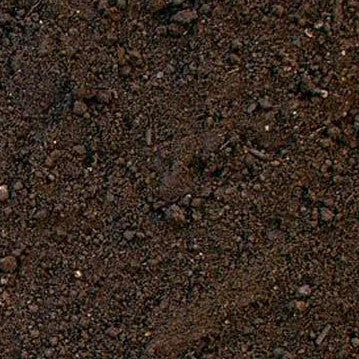
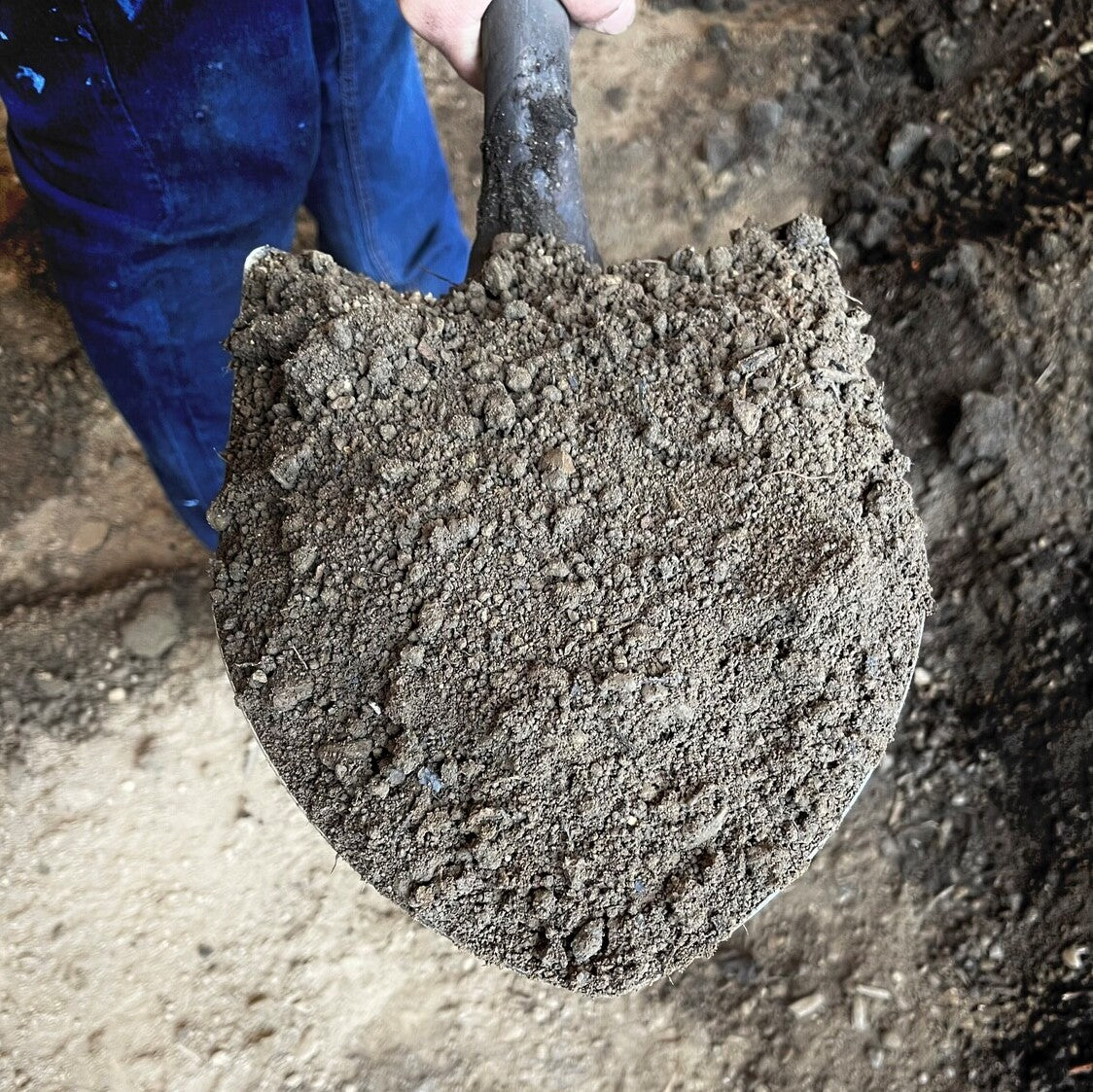
Screened topsoil with a fine, even texture. Ideal for new lawns, sod prep, and raised garden beds.
Great service. We ordered topsoil from Mulch Mound and the best experience. Thank you so much!
Tell us what you're looking for
Thanks! We received your request.
Something went wrong. Please try again.
How Much Material Do I Need?
How Much Material Do I Need?
Use four inches of topsoil for new lawn prep, six to eight inches for flower beds, and ten to twelve inches of garden mix for raised vegetable beds so roots stay above the seasonal high water table.
Use our free soil calculator
What is a Yard?
What is a Yard?
FAQs
FAQs
Moss Bluff Soil Delivery
Moss Bluff Soil Delivery
Regular price
$64.00
per
Yard
Regular price
Sale price
$64.00
Unit price
per
Shipping calculated at checkout.
Minimum of 3 Yard
Couldn't load pickup availability
Not currently available
We can't take orders for this right now. Tell us what you need and we'll get back to you.
Hand-picked local yards
4,000+ regional deliveries
Dedicated support
Why order through Mulch Mound
The best local , without the guesswork.
We hand-pick and partner with the best yards in your region, keep only the ones our buyers rate well, and back each load with our guarantee.
Mulch Mound Guarantee
If your isn't the quantity or quality you ordered, we'll make it right.
About this soil
Screened topsoil with a fine, even texture. Ideal for new lawns, sod prep, and raised garden beds.
Great service. We ordered topsoil from Mulch Mound and the best experience. Thank you so much!
How Much Material Do I Need?
How Much Material Do I Need?
Use four inches of topsoil for new lawn prep, six to eight inches for flower beds, and ten to twelve inches of garden mix for raised vegetable beds so roots stay above the seasonal high water table.
Use our free soil calculator
What is a Yard?
What is a Yard?
FAQs
FAQs
Tell us what you're looking for
Thanks! We received your request.
Something went wrong. Please try again.

How It Works
Getting started is easy — just follow these simple steps
1
Choose your soil
Make sure you adjust the quantity to your home's needs. You can use our calculator to estimate how much you'll need.
2
Select your delivery date
Select a delivery date you'd like for the product to be dropped off at your home
3
Sit back and wait
Sit back, wait, and let us work our magic to make sure the highest quality product is delivered to your driveway.

Placing an order online was so easy. Delivery was on time. When the driver realized we had a newly poured driveway they erred on the side of cautio...
Read full review
Placing an order online was so easy. Delivery was on time. When the driver realized we had a newly poured driveway they erred on the side of caution and opted not ti drive in it. The company even sent me a message explaining that call. Would recommend!

Online ordering was really simple and I liked the transparent pricing.
Need Help Calculating How Much Soil You Need?
Use our NEW Trace from Satellite tool to get an estimate for your project based on an aerial view of your property
Try Our CalculatorMeasure length times width in feet, then multiply by the depth in feet, so four inches becomes 0.33. Divide that total by 27 to get cubic yards. Order about ten percent extra for Moss Bluff projects since freshly delivered soil settles noticeably once our heavy rains compact it.
Complete Your Outdoor Soil Project
Finish new beds with a three inch layer of hardwood mulch to keep silt loam from crusting, and add crushed stone or drainage rock at downspouts and low corners where water tends to collect.
Service area
Areas we deliver soil in Moss Bluff, Louisiana
Mulch Mound Pro Tip
Never work silt loam when it is wet. Tilling or even walking on saturated Moss Bluff soil destroys its structure and leaves you with dense clods that take a full season to recover. Squeeze a handful. If it ribbons out and stays molded, wait two or three more days. If it crumbles apart when you poke it, you are clear to dig, till, or grade.
Mulch Mound Pro Tip
Blend new topsoil into the existing ground instead of laying it on like a blanket. A sharp boundary between imported soil and native silt loam creates an interface that water will not cross easily, so your new bed stays soggy on top and dry below. Break up the top three or four inches of native ground with a fork first, then spread and mix your delivered soil into that transition zone.
Mulch Mound Pro Tip
Feed your beds organic matter every single year. Moss Bluff's warm temperatures and 58 inches of rainfall burn through compost far faster than in cooler climates, and what you added last March may be largely gone by the following spring. One inch of compost top dressed over beds each fall keeps organic matter climbing, holds nutrients that would otherwise leach away, and keeps the soil loose enough for roots to move.
The Unique Landscape of Moss Bluff
Native Moss Bluff ground is silt loam that turns to soup after a Gulf downpour and then sets up firm as it dries, which is a hard combination for vegetables and new lawns. Because we sit at roughly 20 feet of elevation with a high water table, most of the standing water problems here are drainage issues rather than soil fertility problems. Bringing in quality topsoil and compost to build raised beds or to grade a positive slope away from your slab is the most effective fix a homeowner can make. Our 58 inches of annual rain also leaches nutrients out of the root zone quickly, so amended soil with real organic matter outperforms fertilizer alone. With a growing season stretching from late February to the first frost around December 1, Moss Bluff beds work almost year round and need that organic matter replaced every season.