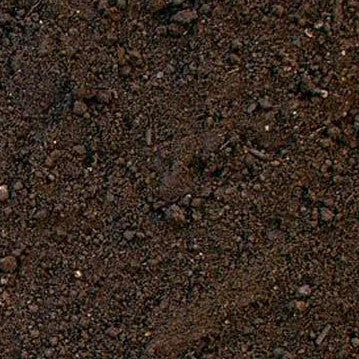
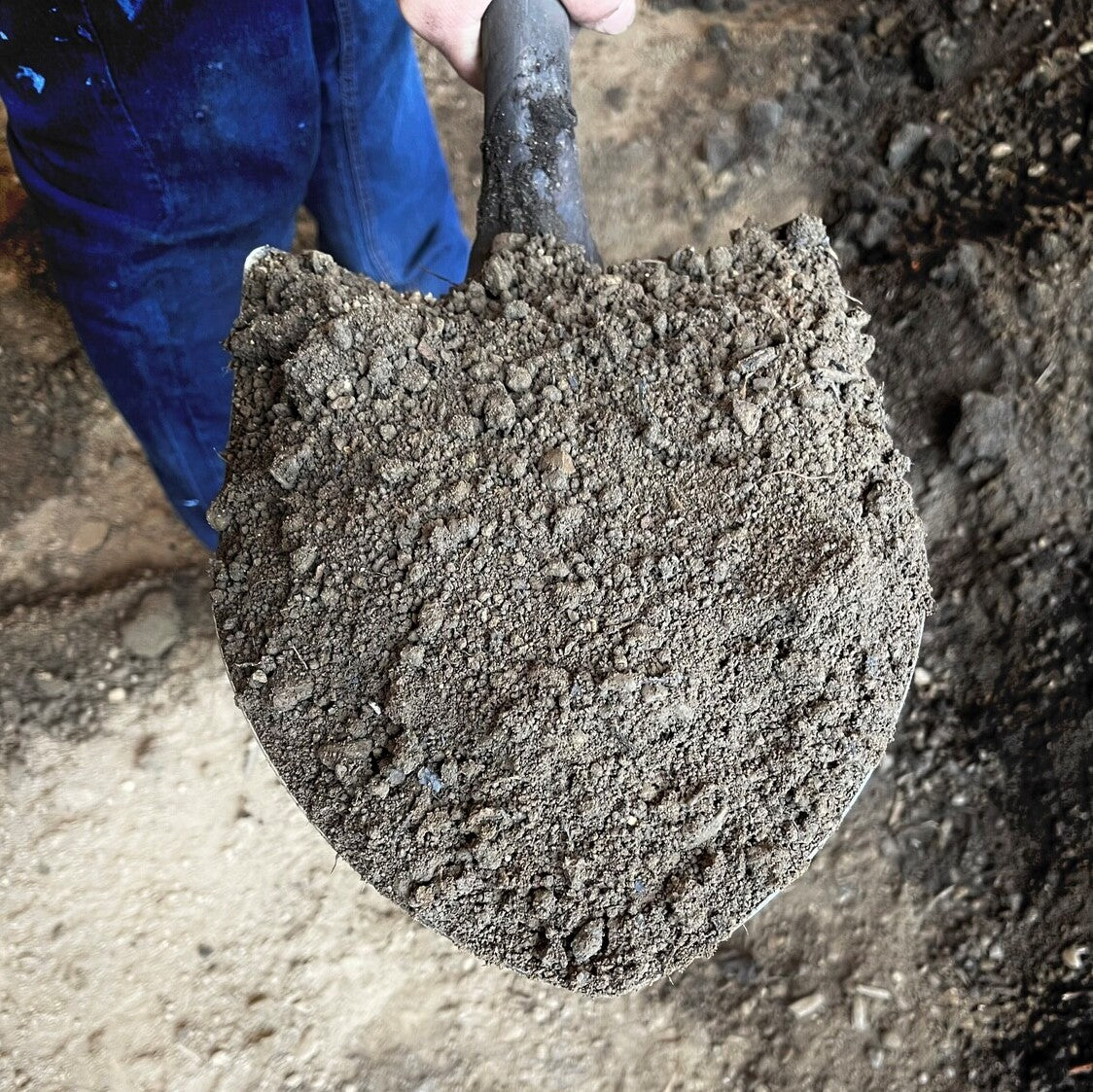
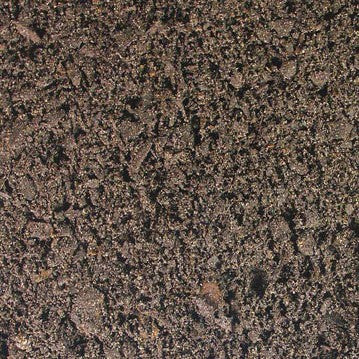
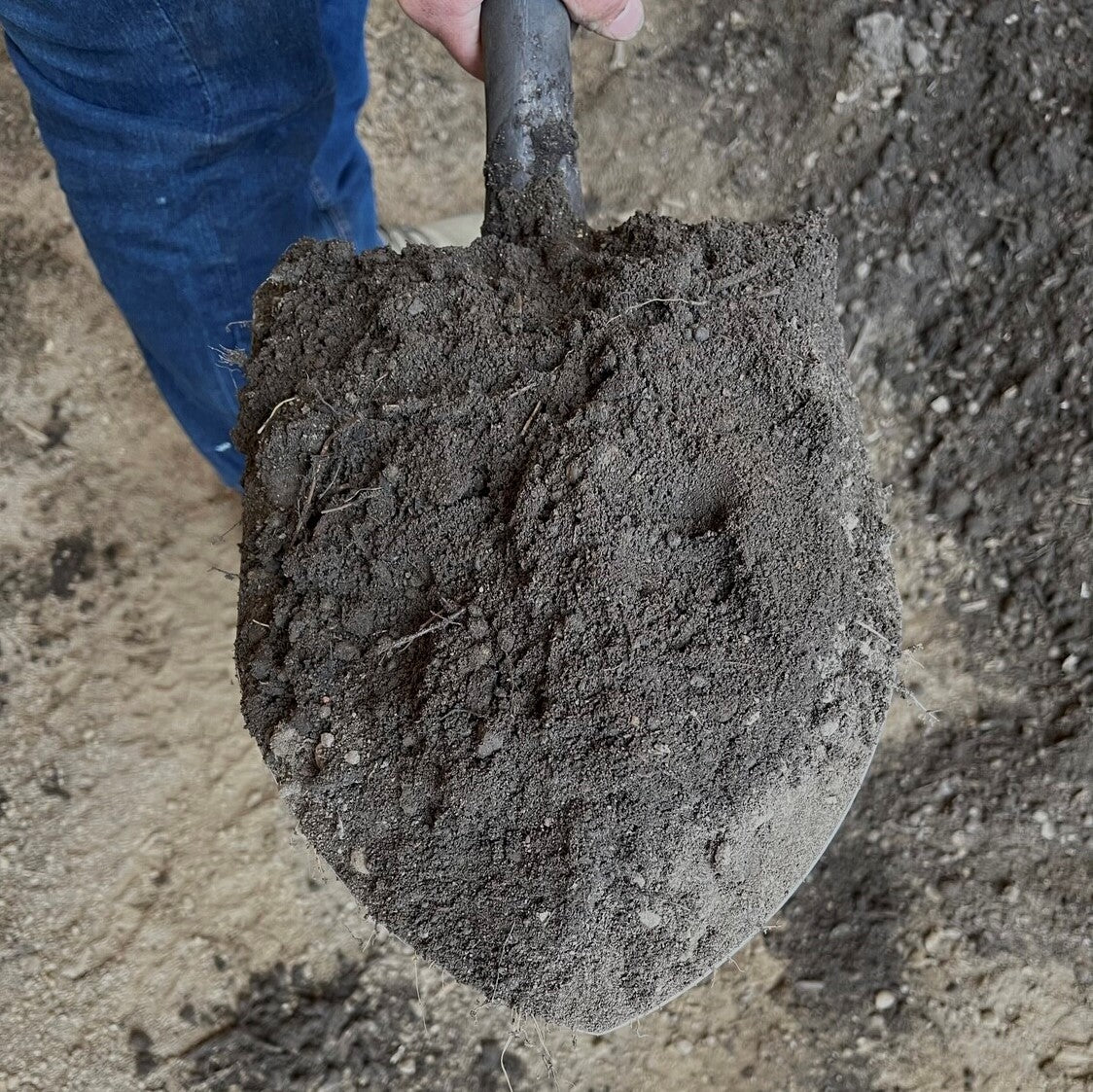
The website was intuitive and easy to navigate. The material was delivered the date and time it was scheduled, it was dropped off in the area i had specified on top of my tarp with no issues.
I ordered soil, the Gardening Blend that I received had too many plastic and m...
Tell us what you're looking for
Thanks! We received your request.
Something went wrong. Please try again.
How Much Material Do I Need?
Figure three to four inches for amending existing beds, twelve to eighteen inches for raised vegetable beds, and half an inch or less per pass when topdressing an established lawn.
Use our free soil calculator
What is a Yard?
A yard is approximately 27 cubic feet. As a general guideline, one yard of material can cover an area of about 100-160 square feet at a 2-3 inch depth.
What is a yards?
A yard is approximately 27 cubic feet. As a general guideline, one yard of material can cover an area of about 10 feet by 10 feet at a few inches deep.
The website was intuitive and easy to navigate. The material was delivered the date and time it was scheduled, it was dropped off in the area i had specified on top of my tarp with no issues.
I ordered soil, the Gardening Blend that I received had too many plastic and m...
How Much Material Do I Need?
Figure three to four inches for amending existing beds, twelve to eighteen inches for raised vegetable beds, and half an inch or less per pass when topdressing an established lawn.
Use our free soil calculator
What is a Yard?
A yard is approximately 27 cubic feet. As a general guideline, one yard of material can cover an area of about 100-160 square feet at a 2-3 inch depth.
What is a yards?
A yard is approximately 27 cubic feet. As a general guideline, one yard of material can cover an area of about 10 feet by 10 feet at a few inches deep.
The website was intuitive and easy to navigate. The material was delivered the date and time it was scheduled, it was dropped off in the area i had...
Read full review
The website was intuitive and easy to navigate. The material was delivered the date and time it was scheduled, it was dropped off in the area i had specified on top of my tarp with no issues.
I ordered soil, the Gardening Blend that I received had too many plastic and metal pieces for my liking thus lowering the score from a perfect 5/5 to a 4/5
Measure the length and width of each area and decide on the depth you need in inches. For raised beds, use the interior dimensions rather than the outside frame. Enter everything into the calculator and round up slightly, because soil compacts noticeably after the first few rainy weeks here.
Complete Your Outdoor Soil Project
Add compost to boost organic matter in sandy loam, and finish with mulch on top to lock in moisture through the summer. Edging keeps your new soil from washing into the lawn during heavy rain.
Frequently Asked Questions
Click a question to see the answer
Answer
Do I really need topsoil if my yard already has sandy loam?
Usually yes. Mount Pleasant sandy loam drains well but carries very little organic matter or nutrient holding capacity, so plants dry out fast and fertilizer washes through. Blending in three to four inches of compost rich topsoil transforms how the ground behaves. Many yards here also had their native topsoil stripped during development and replaced with builder fill sand.
Answer
What soil should I use for raised vegetable beds in Mount Pleasant?
A garden soil blend of screened topsoil and mature compost works well. Our long Zone 9a season lets you run spring and fall crops, so beds need depth and fertility to keep up. Fill twelve to eighteen inches deep, and plan to top off two to three inches each year because organic matter burns off quickly in our heat and humidity.
Answer
Will adding soil help with the water that stands in my back yard?
It can, if the problem is a shallow depression. Fill and regrade so water sheds toward a swale or the street at roughly a quarter inch of fall per foot. If your low spot is near a tidal creek or marsh edge, the water table itself may be the issue at 13 feet of elevation, and soil alone will not fix it. A drain outlet or a rain garden planted with tolerant natives may be the better answer.
Answer
When is the best time to add soil and start new beds here?
Late winter through spring, roughly February to April, is prime. Soil is workable, our last frost falls around March 25, and new plantings get established before June heat. Early fall after the worst humidity breaks is the second best window, and it gives roots the mild stretch before our first frost around November 17.
Answer
How much soil do I need to level low spots in my lawn?
For settling and minor dips, topdress no more than half an inch to an inch at a time so you do not smother the grass. A quarter inch layer across 1,000 square feet takes about three quarters of a cubic yard. Deeper holes are better filled in stages across a couple of months during the active growing season.
Answer
Is your soil screened, and will it bring weed seeds into my yard?
Our topsoil and garden blends are screened to remove rocks, roots, and debris. No bulk soil is completely sterile, and in our climate any dormant seed will find warmth and moisture quickly. Applying a two to three inch mulch layer right after planting is the most effective way to keep volunteers from taking hold.
Answer
Can I plant a new lawn directly into delivered topsoil?
Yes. For centipede, St. Augustine, or Zoysia, which are the workhorses in Mount Pleasant, spread three to four inches of screened topsoil, till it into the existing sandy base, then rake smooth and firm lightly. Sod or plugs installed from April through August will root fast in warm soil. Water lightly and often for the first two weeks.
Mulch Mound Pro Tip
Do not build raised beds directly on a low spot. At 13 feet of elevation, parts of Mount Pleasant hold water under the surface longer than you would guess, and a bed sitting in a saturated pocket will drown roots from below no matter how good the fill is. Walk your yard after a hard rain and note where water lingers before you commit to a location.
Mulch Mound Pro Tip
Blend delivered soil into the native sand rather than layering it on top. A sharp boundary between imported loam and coastal sand creates a perched water table where roots stall at the interface. Till or turn the top four to six inches so the textures mix gradually. Roots will then follow moisture down instead of running sideways along a hard line.
Mulch Mound Pro Tip
Budget for annual replenishment. Mount Pleasant's warmth and 51 inches of rain oxidize and leach organic matter far faster than in cooler regions, so a bed you built up beautifully in March can be visibly thinner by the next spring. Adding an inch of compost each late winter keeps the fertility and structure you paid for from quietly disappearing.
The Unique Landscape of Mount Pleasant
Native ground in Mount Pleasant is sandy loam sitting on a coastal plain only 13 feet above sea level, which means excellent drainage and very little natural fertility. Nutrients and organic matter leach out fast under 51 inches of annual rainfall, and in older neighborhoods the topsoil was often scraped or filled during construction. Bringing in quality screened topsoil, garden soil, or compost blends is how you build a root zone that can actually support tomatoes, hydrangeas, and a thick lawn through a Zone 9a growing season that stretches from March into November. Good soil also lets you regrade low spots, which matters here because standing water after a king tide or a summer cloudburst has nowhere to go. Whether you are filling raised beds in Carolina Park or leveling a settled yard in the Old Village, the material underneath determines everything above it.
More delivery around Mount Pleasant, South Carolina