




Very happy with the ease of ordering. Delivery went exactly as planned. Garden soil looks great and couldn’t be happier.
About this soil
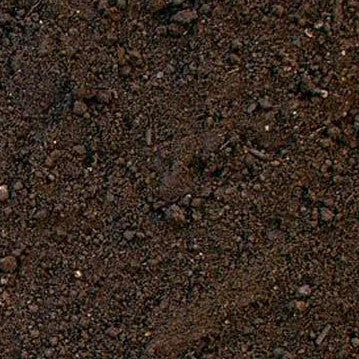
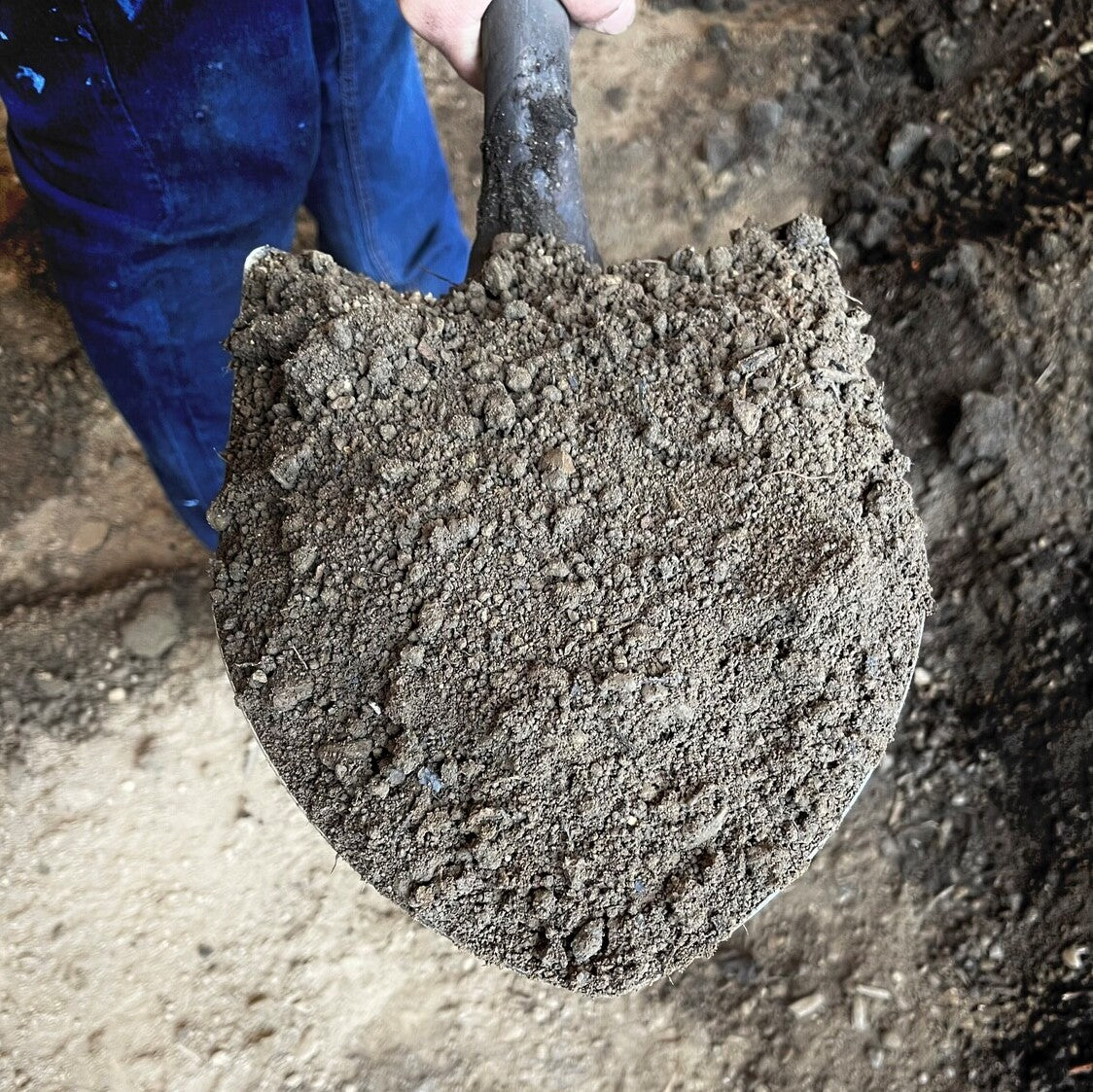
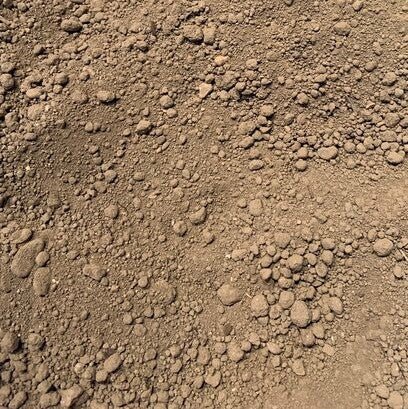
Screened topsoil with a fine, even texture. Ideal for new lawns, sod prep, and raised garden beds.
Very happy with the ease of ordering. Delivery went exactly as planned. Garden soil looks great and couldn’t be happier.
Tell us what you're looking for
Thanks! We received your request.
Something went wrong. Please try again.
How Much Material Do I Need?
How Much Material Do I Need?
New planting beds in Newark typically need 8 to 12 inches of quality soil to support most vegetables, perennials, and shrubs, while lawn topdressing and patch repairs work well with a 2 to 3 inch layer. Raised beds should be filled to within an inch or two of the top edge so plants have full rooting depth through Newark's long growing season.
Use our free soil calculator
What is a Yard?
What is a Yard?
FAQs
FAQs
Newark Soil Delivery
Newark Soil Delivery
Regular price
$64.00
per
Yard
Regular price
Sale price
$64.00
Unit price
per
Shipping calculated at checkout.
Minimum of 3 Yard
Couldn't load pickup availability
Not currently available
We can't take orders for this right now. Tell us what you need and we'll get back to you.
Hand-picked local yards
4,000+ regional deliveries
Dedicated support
Why order through Mulch Mound
The best local , without the guesswork.
We hand-pick and partner with the best yards in your region, keep only the ones our buyers rate well, and back each load with our guarantee.
Mulch Mound Guarantee
If your isn't the quantity or quality you ordered, we'll make it right.
About this soil
Screened topsoil with a fine, even texture. Ideal for new lawns, sod prep, and raised garden beds.
Very happy with the ease of ordering. Delivery went exactly as planned. Garden soil looks great and couldn’t be happier.
How Much Material Do I Need?
How Much Material Do I Need?
New planting beds in Newark typically need 8 to 12 inches of quality soil to support most vegetables, perennials, and shrubs, while lawn topdressing and patch repairs work well with a 2 to 3 inch layer. Raised beds should be filled to within an inch or two of the top edge so plants have full rooting depth through Newark's long growing season.
Use our free soil calculator
What is a Yard?
What is a Yard?
FAQs
FAQs
Tell us what you're looking for
Thanks! We received your request.
Something went wrong. Please try again.
How It Works
Getting started is easy — just follow these simple steps
1
Choose your soil
Make sure you adjust the quantity to your home's needs. You can use our calculator to estimate how much you'll need.
2
Select your delivery date
Select a delivery date you'd like for the product to be dropped off at your home
3
Sit back and wait
Sit back, wait, and let us work our magic to make sure the highest quality product is delivered to your driveway.

Really appreciate the care and follow thru that this company had with our order. A hiccup came up but they were quick to respond and address all co...
Read full review
Really appreciate the care and follow thru that this company had with our order. A hiccup came up but they were quick to respond and address all concerns, which made our garden day a success! Thank you for your prompt care.

Highest compliments. Great driver.
Website is easy to navigate. Just a seamless process. 5 stars!!
Need Help Calculating How Much Soil You Need?
Use our NEW Trace from Satellite tool to get an estimate for your project based on an aerial view of your property
Try Our CalculatorMeasure your planting area in feet and determine how deep you want your finished soil layer, then use our calculator to convert those numbers to cubic yards. Newark raised bed projects often involve multiple beds of different sizes, so enter each one separately and sum the results for an accurate total. It is always worth rounding up by 5 to 10 percent since soil settles after watering and you will want enough to top off without placing a second order.
Complete Your Outdoor Soil Project
Finishing a new bed with a layer of shredded hardwood mulch over your fresh soil dramatically reduces moisture loss in Newark's dry summer spells and helps suppress weeds through the long growing season. Consider adding a bag of compost or a small quantity of our premium garden mix to blend into the top layer for an extra nutrient boost at planting time.
Mulch Mound Pro Tip
Newark's freeze-thaw cycles between December and March can heave freshly placed soil and disrupt the level grade you worked to achieve in fall. To minimize this, tamp or lightly compact soil before winter sets in and avoid leaving it in a mounded profile that is vulnerable to frost action. A light mulch layer over bare soil through the winter months also protects surface structure and reduces the erosion that Newark's winter rains can cause on newly graded areas.
Mulch Mound Pro Tip
Because Newark sits at just 33 feet of elevation and is surrounded by impervious urban surfaces, drainage during heavy spring storms can be a real challenge for low-lying lots. When grading new soil, build a slight slope of 1 to 2 percent away from your home's foundation and toward planted areas or lawn rather than letting the grade pull water toward the structure. This is especially important in Newark neighborhoods with older storm infrastructure that backs up during intense rainfall events.
Mulch Mound Pro Tip
Newark's 46-inch annual rainfall total is generous, but it arrives unevenly, with dry stretches in mid-summer that can stress plants in new soil before root systems are established. After installation, water new soil deeply two to three times per week during the first month rather than lightly every day. Deep, infrequent watering encourages roots to follow moisture downward into the soil profile, building the resilience they need to handle Newark's summer dry spells on their own.
The Unique Landscape of Newark
Newark's native gravelly loam is functional but lean, offering decent drainage while falling short on the organic matter and nutrient retention that productive gardens and healthy lawns need. The city's dense development history means many residential lots have been graded, filled, or disturbed, leaving subsoil or compacted material at the surface rather than a workable topsoil profile. With 46 inches of rain per year and a growing season that stretches from late March to early November, Newark landscapes need a soil foundation that can support root development through both wet springs and dry midsummer spells. Bringing in quality bulk soil lets you build that foundation quickly, whether you are filling raised beds, leveling a lawn, or establishing new planting areas where the existing ground simply cannot support what you want to grow. For Newark homeowners working with container gardens on patios, rooftop plots, or dense urban lots, bulk soil delivery eliminates the tedious and expensive process of hauling bags from a garden center.