Great experience using Mulch Mound! Ordering was super quick and easy. I placed my order Tues evening and my order was delivered on Thurs morning!
Quality of product was great. And delivery driver dropped all product perfectly on a trap I had laid out. Not a grain was s...
Tell us what you're looking for
Thanks! We received your request.
Something went wrong. Please try again.
How Much Material Do I Need?
Plan on 3 inches for established beds and 2 inches around shallow rooted azaleas and camellias, which is one cubic yard per roughly 108 or 162 square feet. Skip anything deeper than 4 inches, because in our humidity it stays soggy and encourages surface roots.
Use our free mulch calculator
What is a yard?
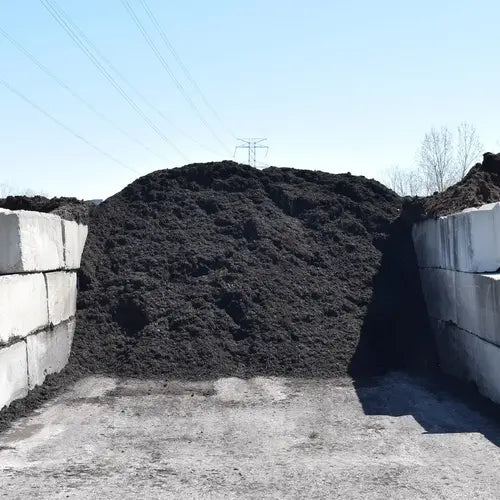
A yard is approximately 27 cubic feet. As a general guideline, one yard of material can cover an area of about 100-160 square feet at a 2-3 inch depth.
Great experience using Mulch Mound! Ordering was super quick and easy. I placed my order Tues evening and my order was delivered on Thurs morning!
Quality of product was great. And delivery driver dropped all product perfectly on a trap I had laid out. Not a grain was s...
How Much Material Do I Need?
Plan on 3 inches for established beds and 2 inches around shallow rooted azaleas and camellias, which is one cubic yard per roughly 108 or 162 square feet. Skip anything deeper than 4 inches, because in our humidity it stays soggy and encourages surface roots.
Use our free mulch calculator
What is a yard?
A yard is approximately 27 cubic feet. As a general guideline, one yard of material can cover an area of about 100-160 square feet at a 2-3 inch depth.
I've found my go to mulch supplier! The online ordering process was easy and quick. I had an issue with the delivery date that was quickly solved b...
Read full review
I've found my go to mulch supplier! The online ordering process was easy and quick. I had an issue with the delivery date that was quickly solved by a phone call resulting in an early morning, next day delivery. Driver dropped the load exactly where I wanted it. I recommend Mulch Mound for your bulk mulch needs.
It was my second time shopping here. This time, we purchased the brown mulch. I'm very happy with the quality of the product - it didn't smell like...
Read full review
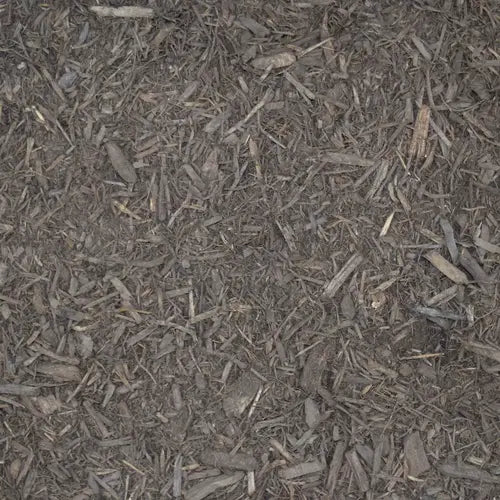
It was my second time shopping here. This time, we purchased the brown mulch. I'm very happy with the quality of the product - it didn't smell like big box stores' mulch in the bags, and was able to arrange the drop-off time. Thank you!
Sketch each bed and break odd curves into rectangles and half circles, then measure with a tape rather than pacing, since sandy yards on flat Lowcountry lots are easy to underestimate. Multiply square footage by your depth in inches and divide by 324 to get cubic yards. Add about 10 percent because mulch settles and compacts within the first few heavy rains.
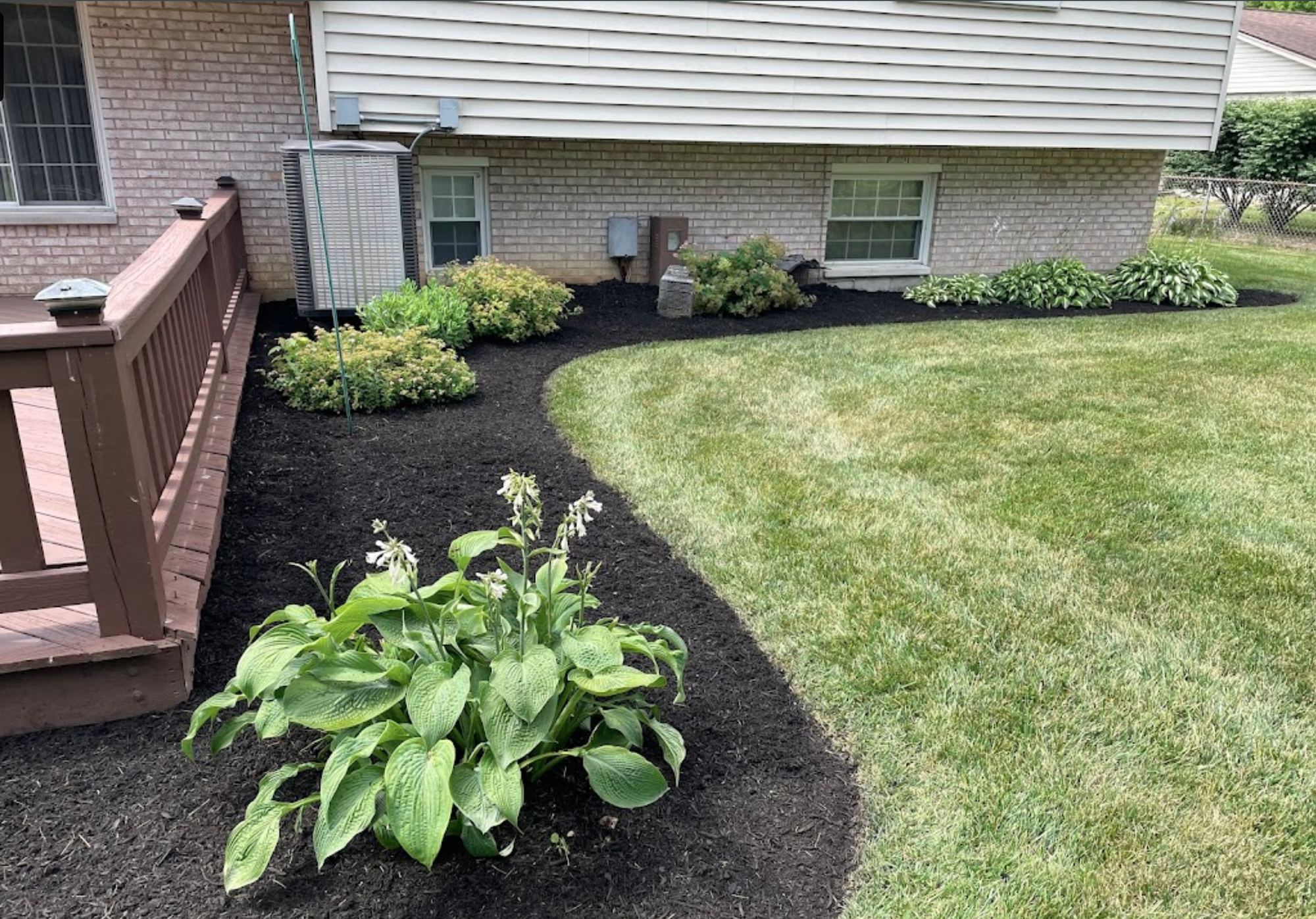
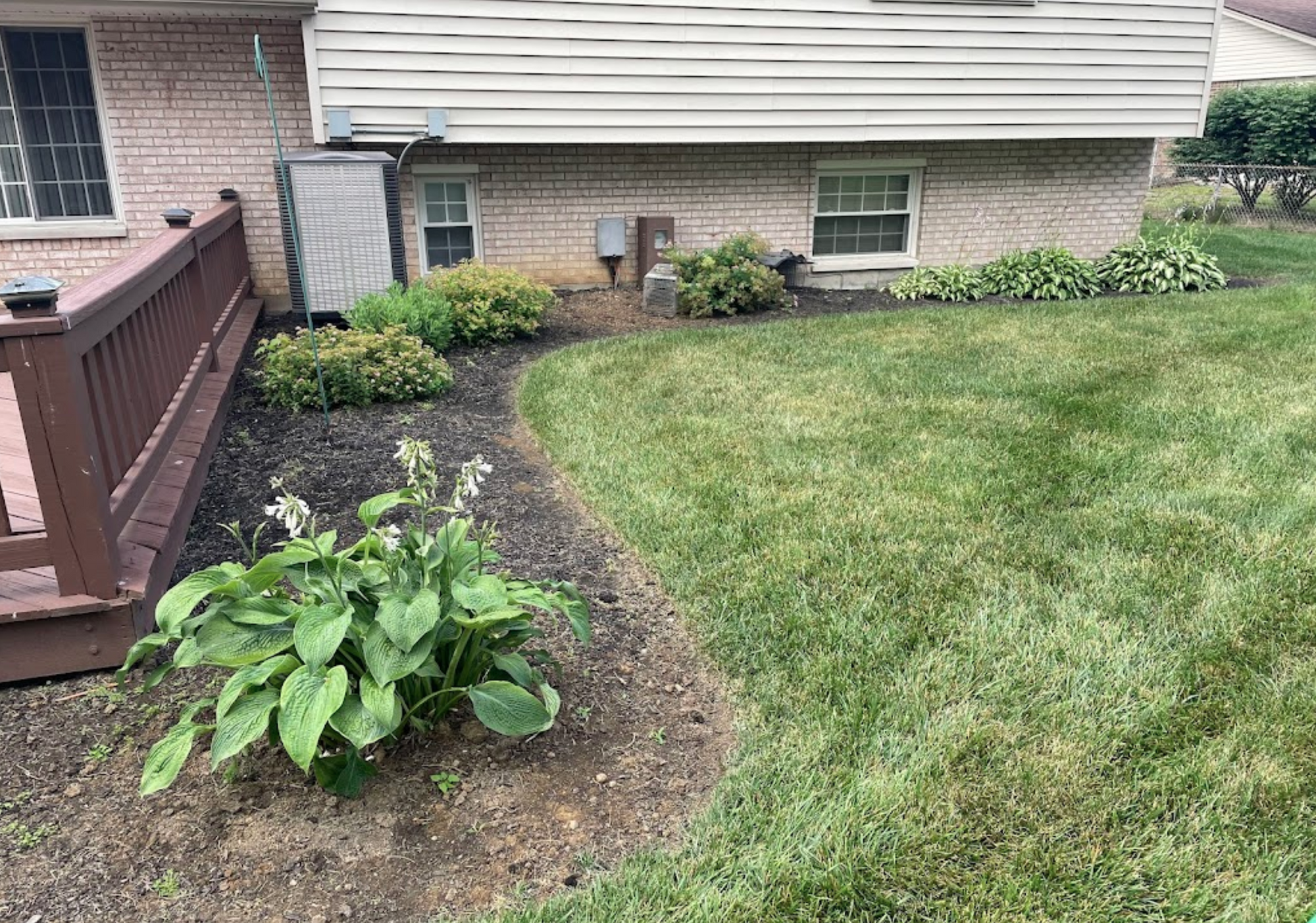
Mulch vs. No Mulch: The Difference
North Charleston combines Zone 9a warmth, 52 inches of annual rain, and humidity that lingers most of the year, which is a perfect recipe for rapid mulch decomposition. Organic mulches here can break down 30 to 50 percent faster than in cooler inland areas, so expect to refresh rather than replace. Non organic options like river rock and rubber last longer but do nothing to feed the sandy loam underneath.
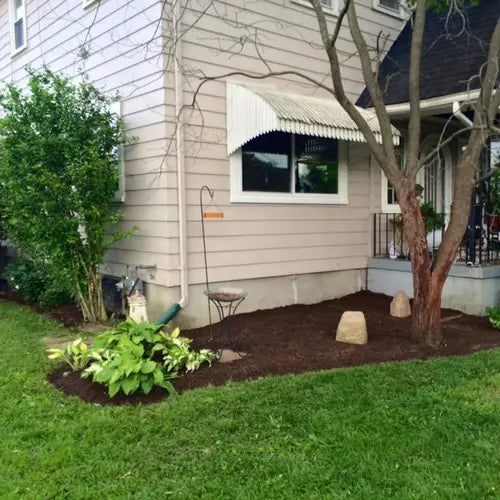
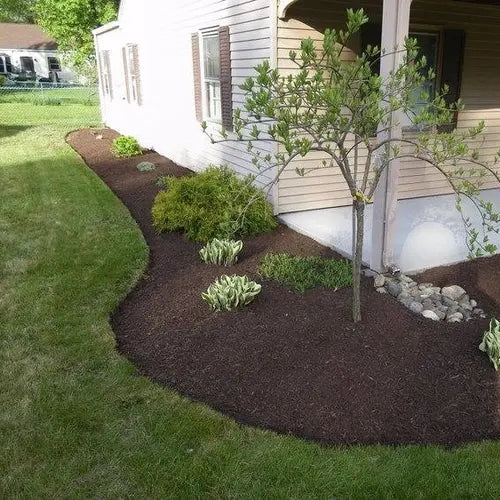
Before
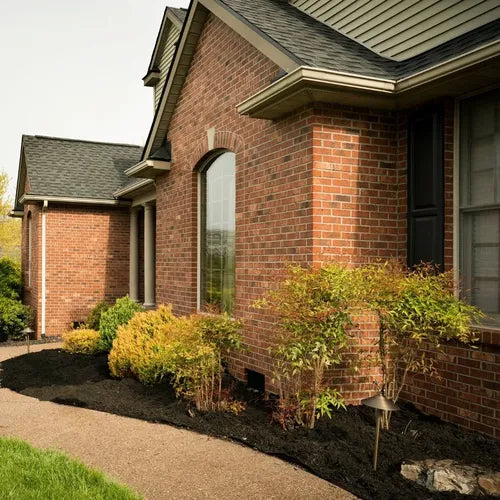
After
Best Mulch Choice for North Charleston Lawns
Most yards in the North Charleston area sit on type of soil. North Charleston sandy loam drains so quickly that water and nutrients slip past the root zone before shallow rooted shrubs can use them. That leaves beds looking wilted two days after a soaking rain.
Hardwood Mulch
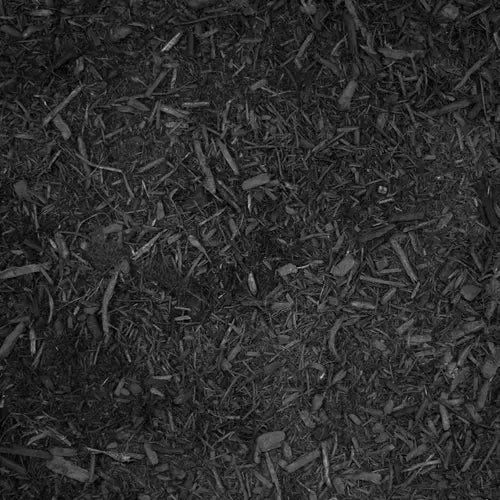
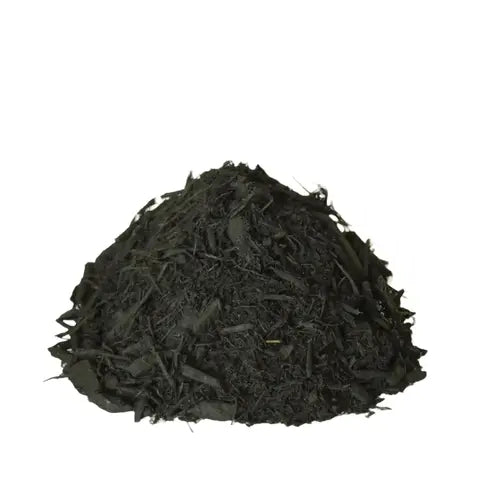
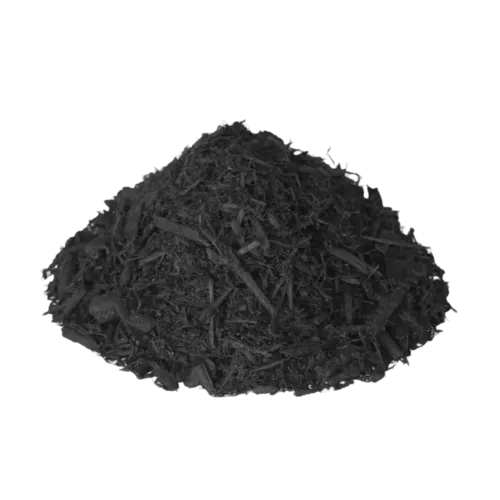
Double ground hardwood mulch is the fix, because as it decomposes it adds humus that binds the sand particles together and dramatically improves water and nutrient holding capacity. Within two or three seasons of annual top dressing, North Charleston beds go from draining in minutes to holding moisture for days.
Complete Your Outdoor Mulch Project
Pair your mulch with a few yards of compost or garden soil to build organic matter into the sand underneath, and add steel or paver edging so summer downpours do not carry mulch onto the sidewalk. Landscape fabric is rarely worth it here, since it blocks the organic matter our soil needs.
Mulch Mound Pro Tip
Water your beds thoroughly the day before mulch arrives. Dry sandy loam in North Charleston repels water at first, and a fresh 3 inch mulch cap over bone dry sand will shed the next rain right off the top. Wetting the soil first means the mulch locks in moisture that is already down at root depth, and you will notice the difference during the first stretch of 95 degree days in July.
Mulch Mound Pro Tip
Never pile mulch against trunks. Volcano mulching around crape myrtles and live oaks is common across North Charleston neighborhoods and it invites rot in our constant humidity. Pull mulch back so the root flare is visible, leaving a small donut of bare soil 3 to 6 inches wide at the base. Trees here already deal with saturated soil after tropical systems, so give the bark a chance to dry.
Mulch Mound Pro Tip
Time your order around hurricane season. June through November brings tropical systems that can saturate low lying North Charleston yards for days and make wheelbarrow work miserable. Get big mulch installs done in late winter or early spring, and keep a yard or two in reserve to repair beds after a storm event. Tarp any leftover pile so it does not sour or grow a fungal crust in the heat.
Frequently Asked Questions
Click a question to see the answer
Answer
How fast does mulch break down in North Charleston humidity?
Faster than most people expect. With 52 inches of rain, mild winters, and constant humidity off the harbor, microbial activity almost never stops here. Fine shredded hardwood can lose half its volume in a single year, while pine bark nuggets and cypress hold their shape closer to two years. Most North Charleston homeowners top dress about an inch every spring rather than starting over.
Answer
When should I put mulch down in North Charleston?
Late February through mid March is ideal, right around the March 10 average last frost. You get the mulch down before nutsedge and Florida betony wake up and before the heat sets in. A second light top dressing in October helps beds look sharp through our long mild fall and protects tender tropicals ahead of the November 30 first frost.
Answer
Will mulch wash away during a heavy Lowcountry downpour?
Light bagged nuggets will float, especially on the flat low lying lots common around North Charleston where water sheets rather than drains. Choose double ground hardwood or pine straw on any slope or swale edge, keep the layer at 3 inches, and leave a shallow saucer lip at the bed edge so water pools and soaks instead of carrying mulch into the street.
Answer
Does mulch attract termites in the Lowcountry?
Termites are already in Lowcountry soil, so mulch does not import them, but it can create the damp cover they like. Keep mulch pulled back 6 to 12 inches from siding, brick weep holes, and crawl space vents, and cap the depth at 3 inches near the foundation. Pine bark and cypress are the least appealing options if you are concerned.
Answer
How much mulch do I need for a typical North Charleston front yard bed?
A common Park Circle or Wescott front bed runs about 300 square feet, which takes roughly 2.8 cubic yards at 3 inches deep. Measure length times width for each bed, add them up, and divide by 108 for a 3 inch layer. Most of our residential deliveries here land between 3 and 8 yards.
Answer
Can I mulch over the sandy soil without amending it first?
You can, and it still helps, but sandy loam benefits more if you work an inch or two of compost into the top 6 inches before mulching. The mulch then keeps that organic matter from oxidizing away in our heat. Doing both at once is why beds installed in March still look full in September.
Answer
Is pine straw or hardwood mulch better here?
Pine straw is traditional in the Lowcountry, knits together on slopes, and is great under azaleas and camellias that want acidity. Hardwood mulch stays put better in high traffic areas, breaks down into real organic matter our sandy loam desperately needs, and looks tidier with a clean edge. Many North Charleston yards use pine straw in the back and hardwood out front.
The Unique Landscape of North Charleston
North Charleston sits at roughly 39 feet above sea level on sandy loam that drains fast and holds very little moisture between our summer thunderstorms. With 52 inches of rain a year, much of it dumped in heavy August downpours, bare beds erode into driveways and the Ashley and Cooper River drainage ditches. Mulch is the single cheapest fix, capping the sand so water soaks in instead of running off and keeping root zones cool when July heat indexes climb past 105. In Zone 9a our growing season stretches from a March 10 last frost to a November 30 first frost, which means nearly nine months of nutsedge, Florida betony, and dollarweed pressure that a 3 inch mulch layer suppresses. It also buffers the salt spray and humidity swings that come with living this close to the harbor.
More delivery around North Charleston, South Carolina