






I needed 3 yards of top soil and that's what I got! Right on time and right where I asked it to be placed (Order# 2041).
About this soil
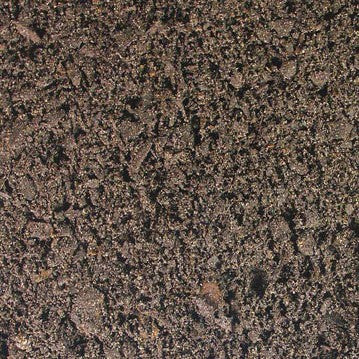
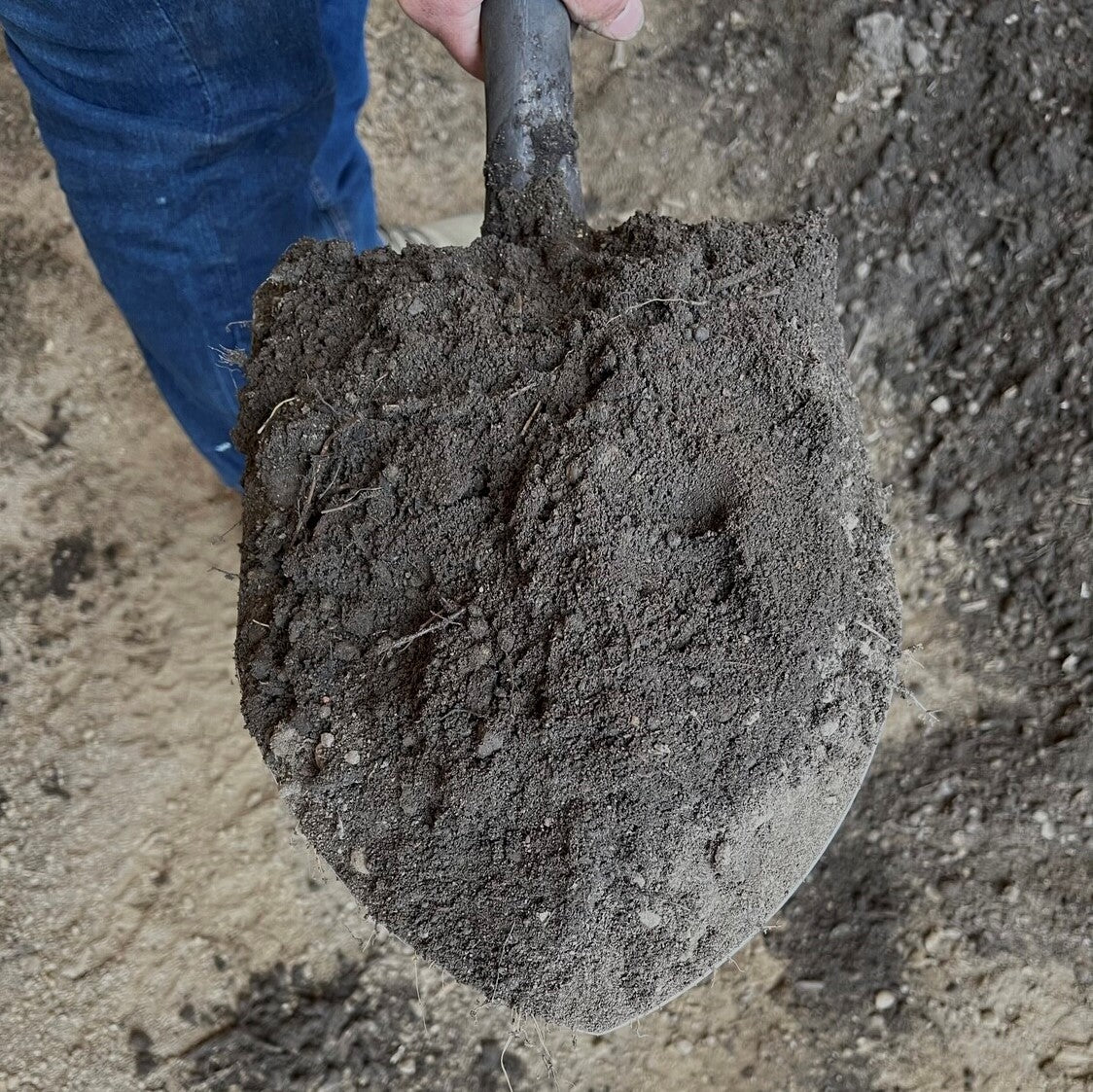
Screened topsoil with a fine, even texture. Ideal for new lawns, sod prep, and raised garden beds.
I needed 3 yards of top soil and that's what I got! Right on time and right where I asked it to be placed (Order# 2041).
Tell us what you're looking for
Thanks! We received your request.
Something went wrong. Please try again.
How Much Material Do I Need?
How Much Material Do I Need?
Plan 4 to 6 inches for new lawn areas over sand, 12 inches for raised vegetable beds, and 1 to 2 inches for a top dressing on existing turf. One cubic yard covers about 100 square feet at 3 inches deep.
Use our free soil calculator
What is a Yard?
What is a Yard?
What is a yards?
What is a yards?
FAQs
FAQs
North Charleston Soil Delivery
North Charleston Soil Delivery
Regular price
$55.00
per
Yard
Regular price
Sale price
$55.00
Unit price
per
Shipping calculated at checkout.
Minimum of 3 Yard
Couldn't load pickup availability
Not currently available
We can't take orders for this right now. Tell us what you need and we'll get back to you.
Hand-picked local yards
4,000+ regional deliveries
Dedicated support
Why order through Mulch Mound
The best local , without the guesswork.
We hand-pick and partner with the best yards in your region, keep only the ones our buyers rate well, and back each load with our guarantee.
Mulch Mound Guarantee
If your isn't the quantity or quality you ordered, we'll make it right.
About this soil
Screened topsoil with a fine, even texture. Ideal for new lawns, sod prep, and raised garden beds.
I needed 3 yards of top soil and that's what I got! Right on time and right where I asked it to be placed (Order# 2041).
How Much Material Do I Need?
How Much Material Do I Need?
Plan 4 to 6 inches for new lawn areas over sand, 12 inches for raised vegetable beds, and 1 to 2 inches for a top dressing on existing turf. One cubic yard covers about 100 square feet at 3 inches deep.
Use our free soil calculator
What is a Yard?
What is a Yard?
What is a yards?
What is a yards?
FAQs
FAQs
Tell us what you're looking for
Thanks! We received your request.
Something went wrong. Please try again.

How It Works
Getting started is easy — just follow these simple steps
1
Choose your soil
Make sure you adjust the quantity to your home's needs. You can use our calculator to estimate how much you'll need.
2
Select your delivery date
Select a delivery date you'd like for the product to be dropped off at your home
3
Sit back and wait
Sit back, wait, and let us work our magic to make sure the highest quality product is delivered to your driveway.

So smooth. Placed the order online, it showed up. Easy!

Process was super easy and was delivered right when it said it was going too
Need Help Calculating How Much Soil You Need?
Use our NEW Trace from Satellite tool to get an estimate for your project based on an aerial view of your property
Try Our CalculatorMeasure length and width in feet, then decide your depth in inches, and remember that filling a low spot takes more than you think once soil settles. Multiply square feet by depth in inches and divide by 324 for cubic yards. Bulk soil settles 15 to 20 percent after our first heavy rain, so order a bit extra rather than paying for a second small delivery.
Complete Your Outdoor Soil Project
Add compost to boost organic matter in sandy loam, and finish with mulch so your investment does not bake out during a 95 degree Lowcountry July. Grass seed or sod should go down within days of spreading topsoil.
Mulch Mound Pro Tip
Do not spread soil over compacted new construction subsoil without breaking it up first. Builder traffic in North Charleston developments leaves a hardpan that water cannot cross, and a nice 4 inch topsoil layer on top of it turns into a bathtub during our 52 inches of annual rain. Rip or till the existing grade 4 to 6 inches deep, then blend the new soil into that loosened layer so roots and water can move down freely.
Mulch Mound Pro Tip
Get a soil test through Clemson Extension before you invest in amendments. North Charleston yards vary wildly, from acidic sandy loam in older neighborhoods to alkaline pockets where builders mixed in shell and construction debris. A test costs a few dollars and tells you whether your camellias are struggling from pH, from a lack of organic matter, or simply from soil that drains too fast to hold the fertilizer you keep applying.
Mulch Mound Pro Tip
Think about drainage before you think about grade. At about 39 feet above sea level with a high water table, North Charleston yards can perch water just below the surface after a storm. Before adding soil, watch where water sits 24 hours after a heavy rain and shape your new grade to move that water toward a swale or the street. A quarter inch of fall per foot away from the foundation is the standard target.
The Unique Landscape of North Charleston
Most North Charleston lots sit on sandy loam with pockets of tight gray clay left from old marsh and fill, and neither one is ready to grow much on its own. New construction across Cane Bay, Wescott, and the northern reaches of the city is often stripped to subsoil and topped with a couple inches of sand before sod goes down. Because our 52 inches of annual rain arrives in intense bursts, nutrients leach straight through sandy profiles and roots stay shallow. Bringing in quality topsoil, garden mix, or compost is how you build the moisture holding layer that carries plants through a Zone 9a growing season running from March 10 to November 30. At 39 feet of elevation, grading matters too, since a few inches of properly placed soil can keep water moving away from a slab instead of pooling under it.