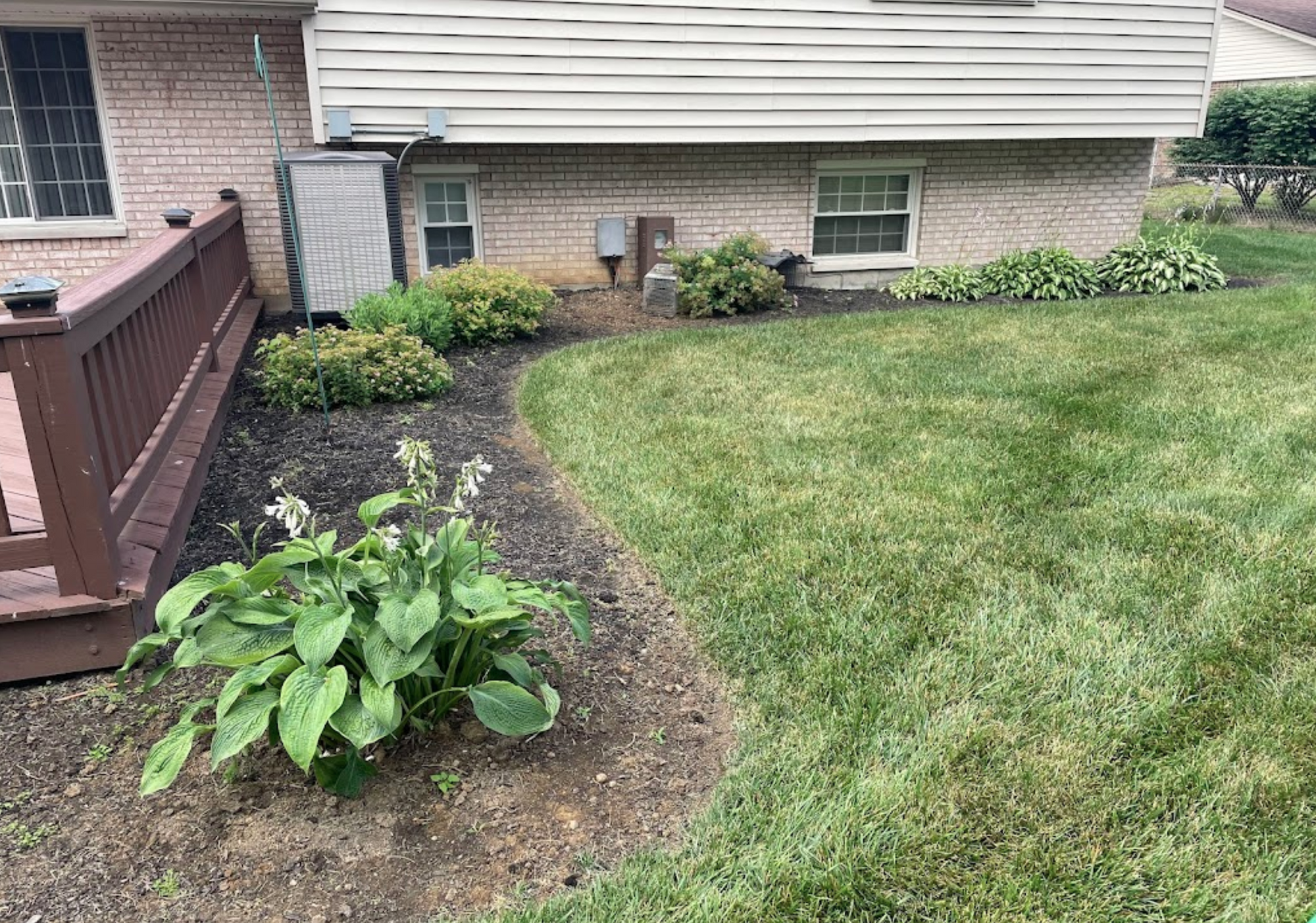
Great experience with mulch mound. Their online calculator made it easy to estimate how many yards of mulch I needed and delivery was quick. I would definitely recommend them for your future projects.
Tell us what you're looking for
Thanks! We received your request.
Something went wrong. Please try again.
How Much Material Do I Need?
Two to three inches is the sweet spot for Pearland beds, deep enough to block weeds and shade the clay but shallow enough to avoid trapping water. One cubic yard covers roughly 100 square feet at three inches.
Use our free mulch calculator
What is a yard?
A yard is approximately 27 cubic feet. As a general guideline, one yard of material can cover an area of about 100-160 square feet at a 2-3 inch depth.
Great experience with mulch mound. Their online calculator made it easy to estimate how many yards of mulch I needed and delivery was quick. I would definitely recommend them for your future projects.
How Much Material Do I Need?
Two to three inches is the sweet spot for Pearland beds, deep enough to block weeds and shade the clay but shallow enough to avoid trapping water. One cubic yard covers roughly 100 square feet at three inches.
Use our free mulch calculator
What is a yard?
A yard is approximately 27 cubic feet. As a general guideline, one yard of material can cover an area of about 100-160 square feet at a 2-3 inch depth.
Great experience with mulch mound. Their online calculator made it easy to estimate how many yards of mulch I needed and delivery was quick. I woul...
Read full review
Great experience with mulch mound. Their online calculator made it easy to estimate how many yards of mulch I needed and delivery was quick. I would definitely recommend them for your future projects.
We needed mulch for our HOA common areas. Local providers were all holding high prices even for 40 yards of mulch. Mulch mound was easy to wowith...
Read full review
We needed mulch for our HOA common areas. Local providers were all holding high prices even for 40 yards of mulch. Mulch mound was easy to wowith & has great price for natural mulch + delivery schedule options. They called before delivery to ensure Delivery was exactly where we wanted it.
Delivery was on time and great quality Mulch. Got it done in a reasonable time and yard looks great. Couldn’t be happier!!! Thank you and will us...
Read full review
Delivery was on time and great quality Mulch. Got it done in a reasonable time and yard looks great. Couldn’t be happier!!! Thank you and will use again!!
Measure each bed separately with a tape, since Pearland front yards often mix a curved island bed with straight foundation runs. Multiply length by width for square feet, then use our calculator to convert to cubic yards at your chosen depth. Round up about ten percent, because gumbo clay settles unevenly and you will want extra for low spots.
Mulch vs. No Mulch: The Difference
Before
After
Best Mulch Choice for Pearland Lawns
Most yards in the Pearland area sit on type of soil.
Hardwood Mulch
Complete Your Outdoor Mulch Project
Pair your mulch with a few yards of compost enriched garden soil to raise beds above the gumbo, and add steel edging or stone borders to keep mulch in place during heavy Gulf Coast downpours.
Mulch Mound Pro Tip
Before you spread a single scoop, deal with your bed grade. Gumbo clay in Pearland holds water like a bathtub, so any bed that sits level with or below the surrounding lawn will drown plants after a two inch rain. Rake the bed so it crowns slightly toward the center and slopes away from your slab. Then mulch. Correct grade first means your mulch protects roots instead of keeping them soaked.
Mulch Mound Pro Tip
Water the bed thoroughly before mulching, not after. Dry gumbo clay in a Pearland July develops a hard crust and shrinkage cracks, and mulch laid over that crust will shed the next irrigation cycle right off the surface. Soak the bed until the top four inches are damp, let it drain a few hours, then spread. The mulch locks that moisture in and the clay stays workable much longer into the season.
Mulch Mound Pro Tip
Pull mulch back from trunks and stems into a shallow donut instead of a volcano. Pearland's humidity plus a mulch pile against the bark of a live oak or crape myrtle invites collar rot and gives fire ants a protected nest. Leave two to three inches of bare soil around each trunk and about an inch around perennial crowns. Your plants get the moisture benefit without the constant wet contact that causes disease here.
Frequently Asked Questions
Click a question to see the answer
Answer
How fast does mulch break down in Pearland with all our rain and humidity?
Faster than most of the country. Between 52 inches of annual rainfall and Zone 9b warmth that keeps soil microbes active nearly all twelve months, a three inch hardwood layer in Pearland typically flattens to about an inch and a half within a year. Most homeowners here top dress every spring in late February or March and touch up shady spots in early fall.
Answer
Will mulch make my drainage worse on gumbo clay?
Not if you keep the depth reasonable. Piling mulch six inches deep on gumbo creates a sponge that stays saturated because the clay underneath will not drain. Stick to two to three inches in beds and rake it flat rather than mounding it, so water can move across the surface toward your swale or street inlet after a heavy Pearland rain.
Answer
Does mulch attract termites near my Pearland foundation?
Mulch itself is not a food source that draws termites in, but the moist shelter it creates against a slab is a real concern in Brazoria County where Formosan termites are established. Keep a six inch mulch free gap between the mulch edge and your foundation, and never let mulch touch weep holes or siding.
Answer
When is the best time to mulch in Pearland?
Late February right after our average last frost on February 15 is ideal, because you get the mulch down before spring weeds germinate and before the heat arrives. A second lighter application in late September helps beds hold moisture through our warm fall, which often runs green until the first frost around December 5.
Answer
Will heavy rain wash my mulch into the street?
It can, especially on the sloped beds and drainage swales common in newer Pearland subdivisions. Choose a double ground or shredded hardwood that knits together rather than large nuggets, and consider a low steel or concrete edge on any bed that drains toward a sidewalk or inlet.
Answer
How many yards do I need for a typical Pearland front bed?
A standard front bed around a Pearland tract home runs roughly 200 to 300 square feet. At three inches deep that is about two to three cubic yards. Add the beds along your side yard fence line and most homeowners here land between four and six yards for a full refresh.
Answer
Can I put fresh mulch right on top of last year's layer?
Yes, as long as the old layer has thinned to about an inch. Before you top dress, break up any matted crust with a rake, because Pearland's humidity can knit fine mulch into a water shedding mat. If the existing layer is still two inches or more, pull some out before adding new material.
The Unique Landscape of Pearland
Pearland sits at just 49 feet above sea level on heavy gumbo clay that swells shut after a downpour and cracks wide open during an August dry spell. With 52 inches of rain a year and Zone 9b heat that pushes soil temperatures past 100 degrees in Shadow Creek Ranch and Silverlake beds, bare clay bakes into a crust that sheds water instead of absorbing it. A two to three inch mulch layer buffers those swings, keeping root zones cooler through the long stretch from April to October and slowing evaporation between Gulf storms. As it breaks down, mulch feeds organic matter into the top few inches of gumbo, which is the only realistic way most homeowners here loosen that clay over time. Mulch also smothers the crabgrass and nutsedge that thrive in Brazoria County humidity, cutting your weeding time dramatically. In a place where the growing season runs from mid February all the way to early December, mulch is working almost year round.