I couldn't be happier with the speed and quality of the mulch delivery service of Mulch Mound. Every detail from ordering, to communication with on time delivery, to perfect product placement was amazing. I needed more and I got it within 2 hours! I'm never doing this with ba...
Tell us what you're looking for
Thanks! We received your request.
Something went wrong. Please try again.
How Much Material Do I Need?
Three inches is standard for shrub and perennial beds in Plano, while two inches is plenty around shallow rooted annuals and in the strip near your foundation. One cubic yard covers about 100 square feet at 3 inches.
Use our free mulch calculator
What is a yard?
A yard is approximately 27 cubic feet. As a general guideline, one yard of material can cover an area of about 100-160 square feet at a 2-3 inch depth.
I couldn't be happier with the speed and quality of the mulch delivery service of Mulch Mound. Every detail from ordering, to communication with on time delivery, to perfect product placement was amazing. I needed more and I got it within 2 hours! I'm never doing this with ba...
How Much Material Do I Need?
Three inches is standard for shrub and perennial beds in Plano, while two inches is plenty around shallow rooted annuals and in the strip near your foundation. One cubic yard covers about 100 square feet at 3 inches.
Use our free mulch calculator
What is a yard?
A yard is approximately 27 cubic feet. As a general guideline, one yard of material can cover an area of about 100-160 square feet at a 2-3 inch depth.
I couldn't be happier with the speed and quality of the mulch delivery service of Mulch Mound. Every detail from ordering, to communication with on...
Read full review
I couldn't be happier with the speed and quality of the mulch delivery service of Mulch Mound. Every detail from ordering, to communication with on time delivery, to perfect product placement was amazing. I needed more and I got it within 2 hours! I'm never doing this with bags again.
We had a great experience today. This was our first time using Mulch Mound, and I found the price competitive and the online ordering very easy. ...
Read full review
We had a great experience today. This was our first time using Mulch Mound, and I found the price competitive and the online ordering very easy. We are impressed with the quality of the mulch, too! It is covering well - a great value!
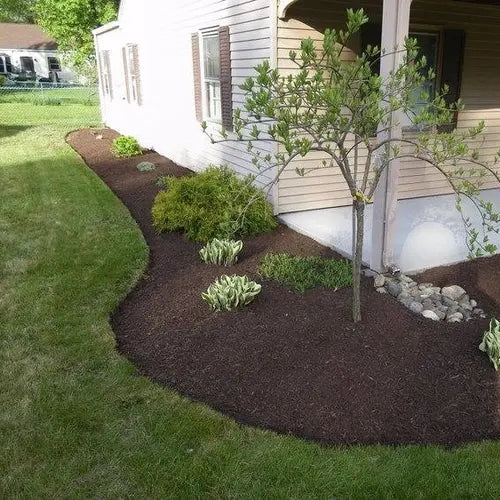
Measure each bed separately in feet, length times width, then add the totals together rather than guessing at the whole yard. Curved Plano foundation beds are easier to handle if you break them into rectangles and half circles and add a little extra. Round up to the next half yard, since settling on clay always eats slightly more than the math suggests.
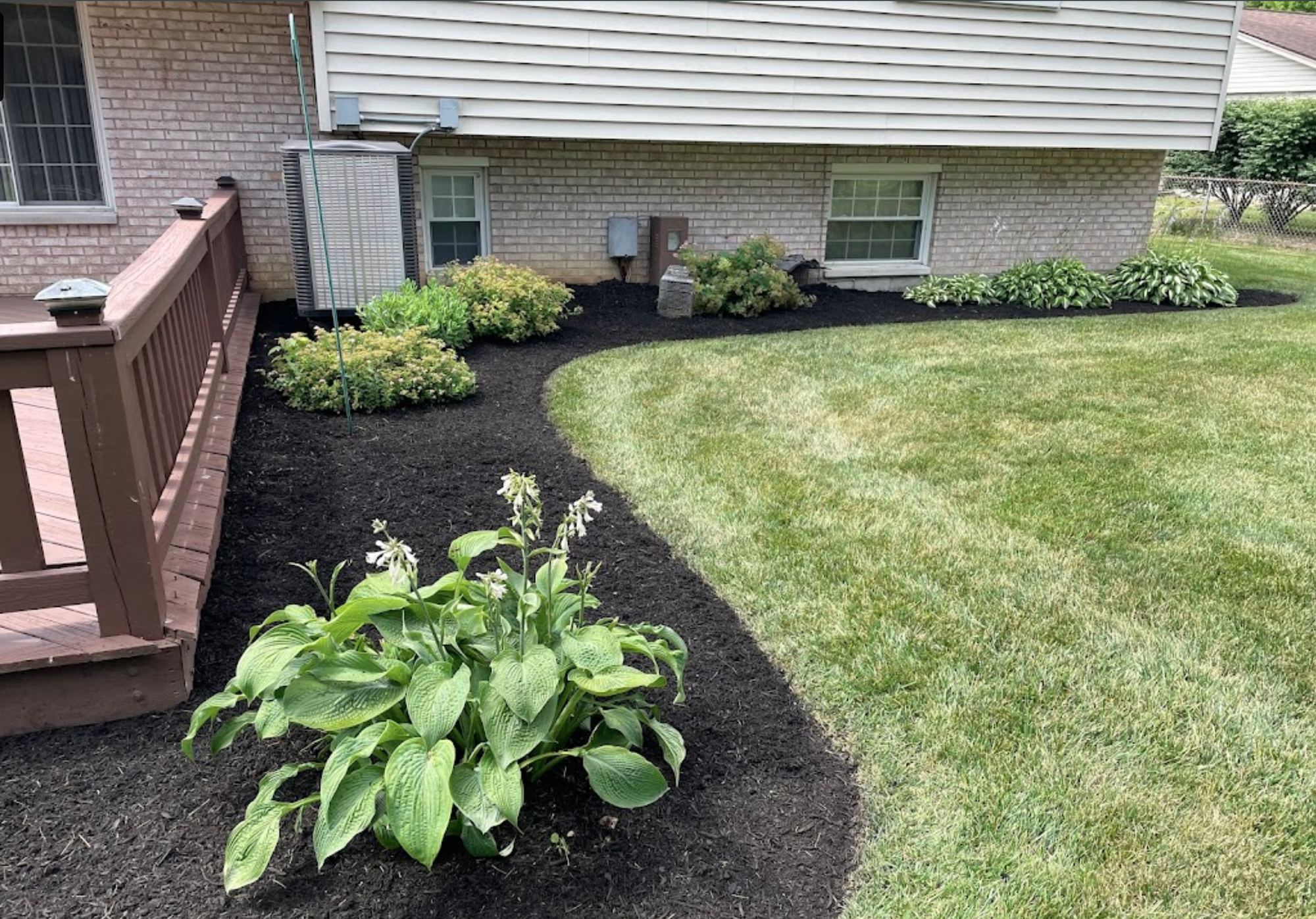
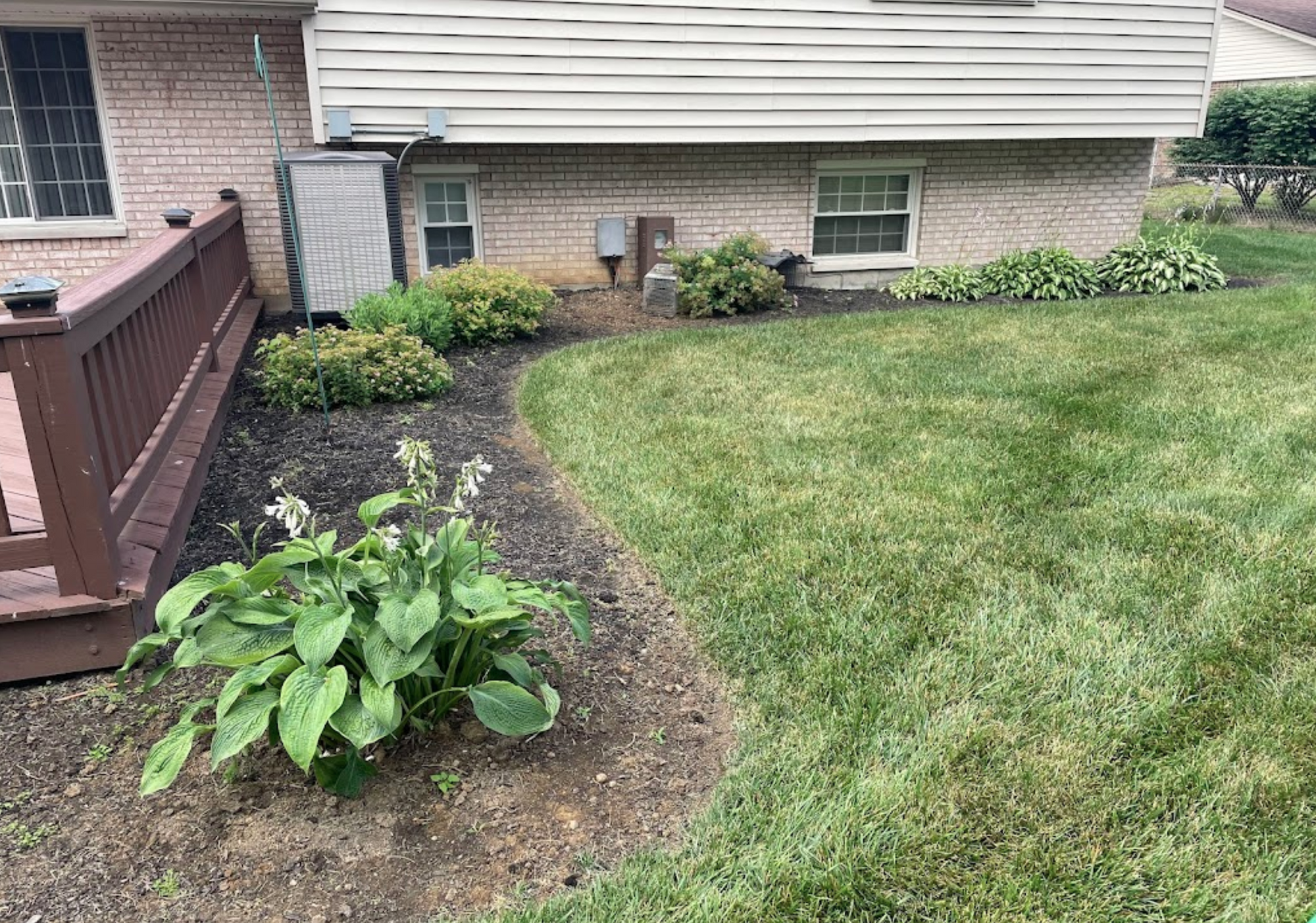
Mulch vs. No Mulch: The Difference
Before
After
Best Mulch Choice for Plano Lawns
Most yards in the Plano area sit on type of soil.
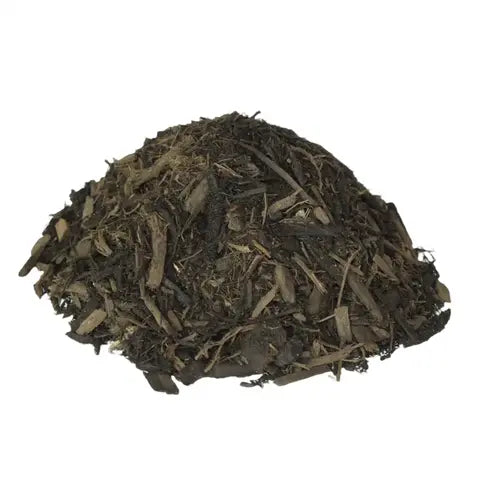
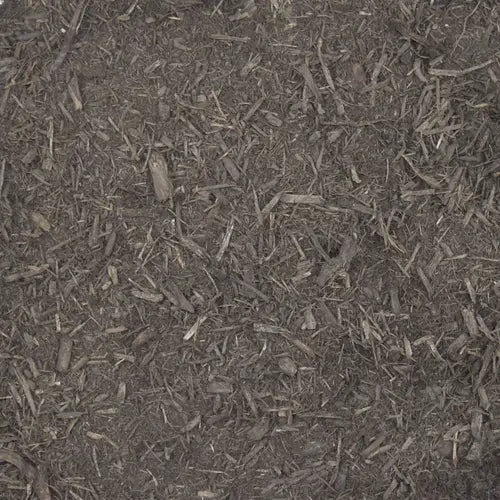
Hardwood Mulch
Complete Your Outdoor Mulch Project
Pair your mulch with a few yards of enriched topsoil or compost worked into the clay before you spread, and add steel or stone edging to keep Bermuda grass from marching into the fresh beds.
Mulch Mound Pro Tip
Water your beds thoroughly the day before mulch arrives. Dry Blackland clay sheds water almost like pavement, and if you spread mulch over parched soil the first irrigation cycle will mostly run off the surface. Pre soaking gets moisture down into the root zone, then the mulch seals it in. This one step makes a noticeable difference through Plano's July heat and can cut your summer watering frequency significantly.
Mulch Mound Pro Tip
Rake and fluff last year's mulch before adding new material. Plano's humid summers cause hardwood mulch to knit into a matted crust that actually repels rain instead of absorbing it. A quick pass with a garden rake breaks that crust, lets air in, and often reveals you only need an inch of fresh mulch instead of three. You save money and avoid piling up an oxygen starved layer over clay that already drains slowly.
Mulch Mound Pro Tip
Keep a clear, cut edge between turf and beds, ideally a spade cut trench three to four inches deep. Plano lawns are dominated by Bermuda and St. Augustine, both aggressive spreaders in our long growing season. A physical trench or steel edging stops runners at the line and also keeps mulch from washing onto the sidewalk during the heavy May storms that dump an inch or more in an hour.
Frequently Asked Questions
Click a question to see the answer
Answer
How deep should mulch go over Plano's black clay?
Three inches is the sweet spot for beds on Blackland clay. Any thinner and the August sun bakes right through, any thicker and water from a heavy May storm sits on top of clay that already drains slowly, which invites root rot in shrubs like Indian hawthorn. Pull mulch back an inch or two from trunks and stems.
Answer
When is the best time to mulch in Plano?
Late March through mid April, right after the average last frost around April 3, is ideal. The clay is still holding winter and spring moisture and mulching then locks it in before the first triple digit stretch. A lighter refresh in late October, near the November 12 first frost date, protects roots through the freeze and thaw cycles Plano gets in January.
Answer
Will mulch keep my beds from cracking open in the summer?
It helps a great deal. Those wide cracks are the clay shrinking as it dries, and mulch slows evaporation from the surface so the soil stays more evenly moist. You will still see some movement in a long Plano drought, but three inches of hardwood plus deep, infrequent watering keeps cracking far less severe.
Answer
Does mulch attract termites near my foundation?
Mulch itself does not create termites, but Plano's clay foundations already need careful moisture management. Keep mulch at least six inches away from the slab and no more than two inches deep in the strip nearest the house. That way you still shade the soil and reduce foundation soil shrinkage without stacking damp material against the brick.
Answer
How often will I need to replace mulch here?
Plan on topping off once a year and doing a fuller refresh every two years. Plano's warm, humid summers and mild winters speed up decomposition compared to cooler climates, so a hardwood layer usually loses about an inch of depth per season. Dyed mulches hold color longer but still settle at a similar rate.
Answer
Can I put mulch right over the Bermuda grass creeping into my beds?
Bermuda will push through mulch alone in a Plano summer. Cut or spray it first, lay cardboard or a thick paper layer, then add three inches of mulch on top. Bermuda spreads by underground rhizomes in our clay, so a clean edge and an annual pass along the bed line makes a real difference.
Answer
How many cubic yards do I need for a typical Plano front bed?
One cubic yard covers roughly 100 square feet at 3 inches deep. A common Plano front foundation bed running 30 feet long and 5 feet deep is 150 square feet, so about 1.5 yards. Most full front and side yard refreshes on a quarter acre lot land between 4 and 8 yards.
The Unique Landscape of Plano
Plano sits on heavy Blackland Prairie clay that swells after a spring downpour and then cracks wide open by the second week of August. Mulch is the buffer that keeps those swings from tearing fine roots apart, holding moisture in the top few inches so your crepe myrtles and hollies are not pumping water out of concrete-hard soil. With only about 41 inches of rain a year and most of it arriving in May and October, the dry stretch in between is exactly when a 3 inch mulch layer earns its keep. Mulch also shades the clay surface, which in Zone 8b can hit brutal temperatures on a south facing bed along a Legacy West style stone wall. As it breaks down, hardwood mulch feeds organic matter into clay that is naturally low in it, slowly loosening the top layer. For most Plano yards, mulch is the cheapest single upgrade that changes how a landscape survives July and August.