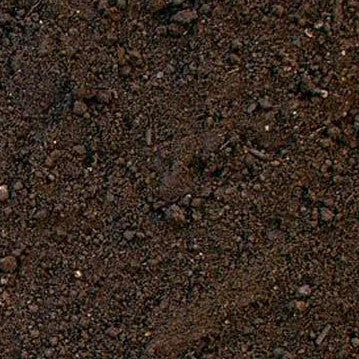
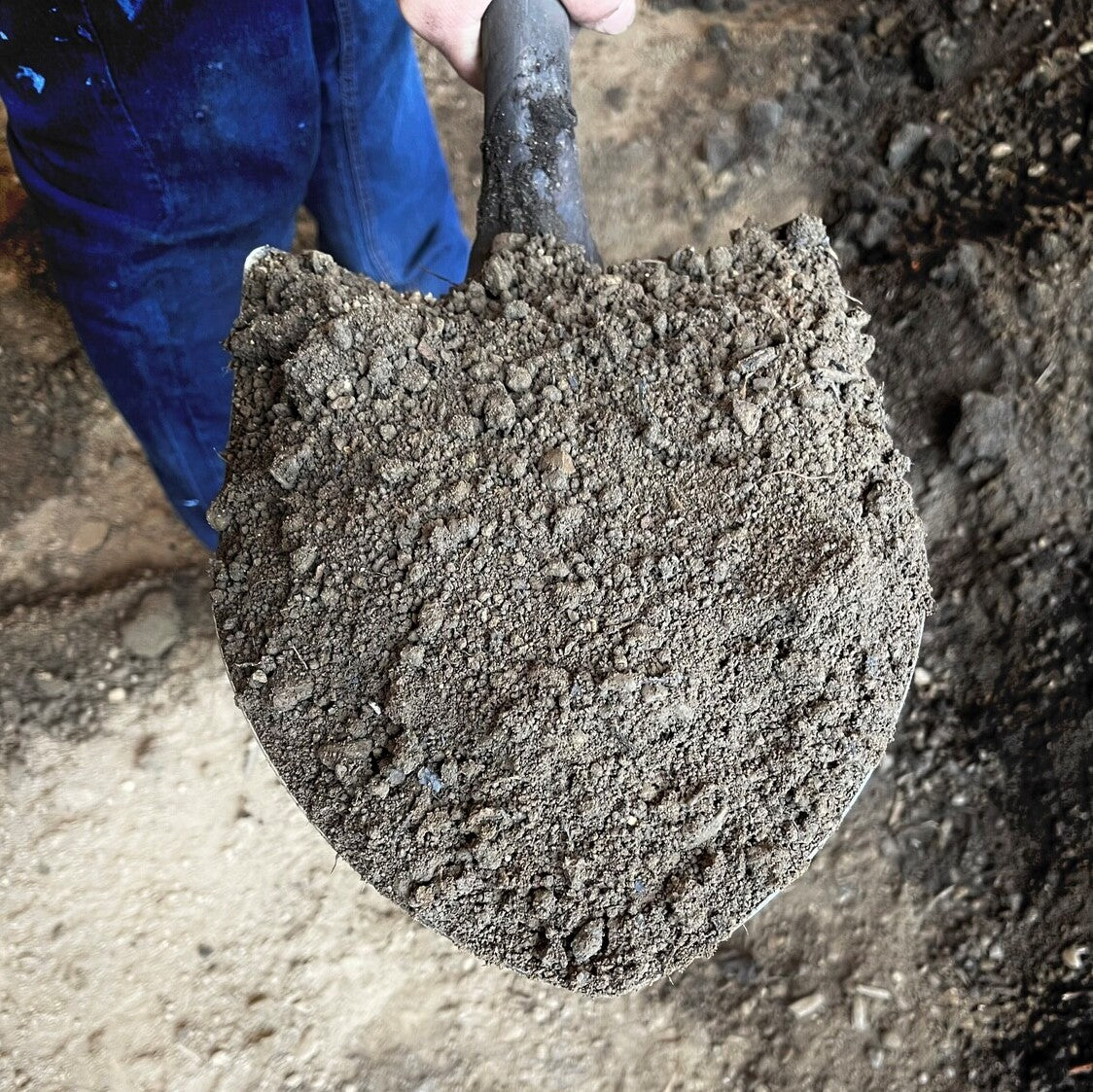
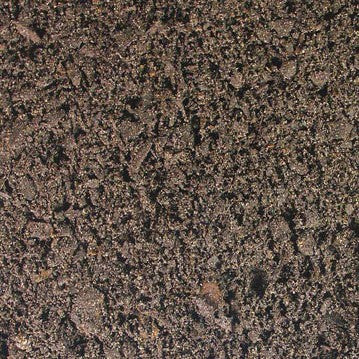
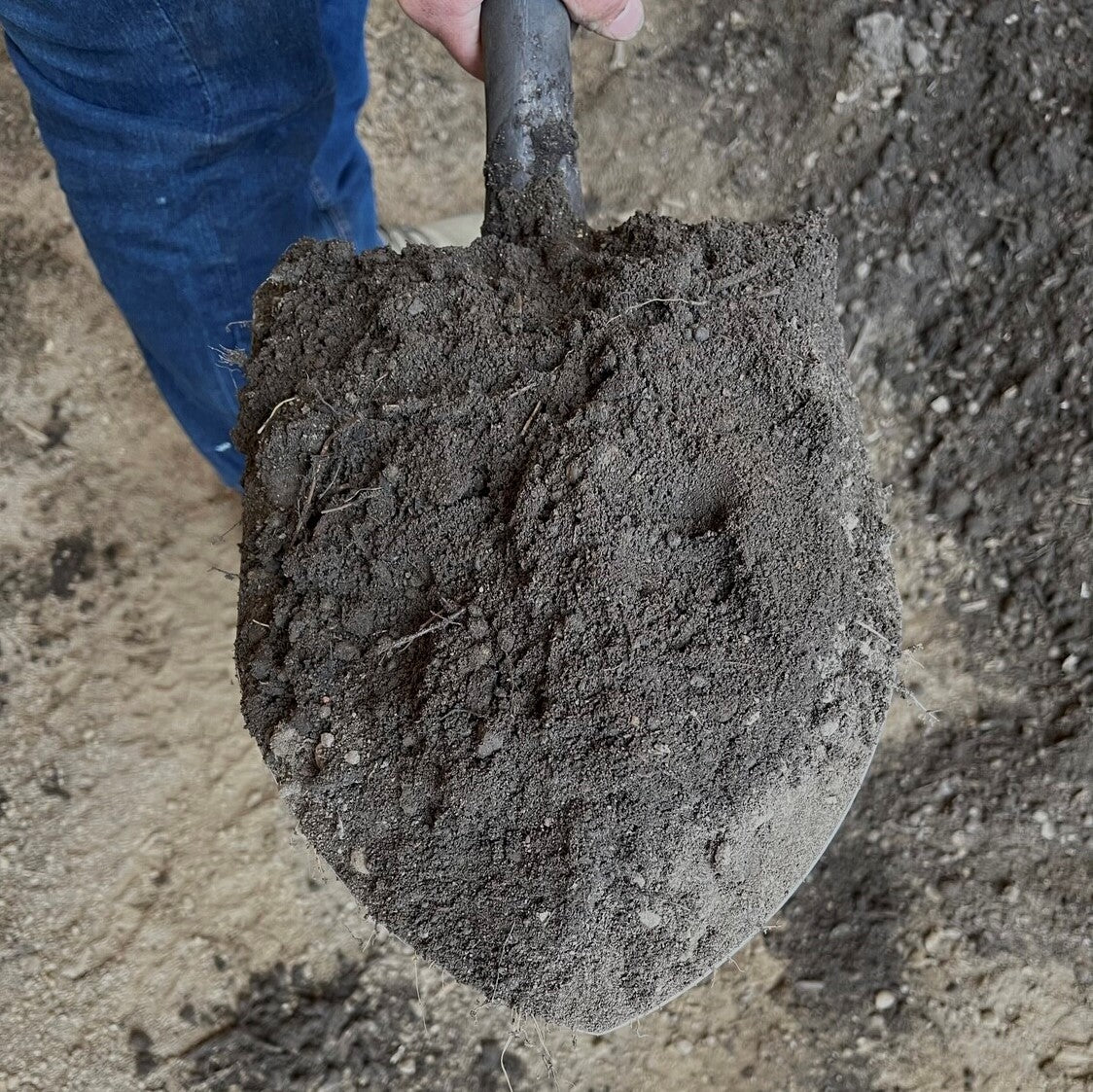
We got 3 yards of the gardening top soil. It was great quality, not many chunks and seems good for growing, just waiting for all my plants to love it.
We had more than enough soil to fill a raised bed we made and landscaped around a patio. I do wish we could do less tha...
Tell us what you're looking for
Thanks! We received your request.
Something went wrong. Please try again.
How Much Material Do I Need?
Plan on 4 to 6 inches of blended soil tilled into existing clay beds, or a full 12 to 18 inches for raised beds. One cubic yard covers roughly 100 square feet at 3 inches or 50 square feet at 6 inches.
Use our free soil calculator
What is a Yard?
A yard is approximately 27 cubic feet. As a general guideline, one yard of material can cover an area of about 100-160 square feet at a 2-3 inch depth.
We got 3 yards of the gardening top soil. It was great quality, not many chunks and seems good for growing, just waiting for all my plants to love it.
We had more than enough soil to fill a raised bed we made and landscaped around a patio. I do wish we could do less tha...
How Much Material Do I Need?
Plan on 4 to 6 inches of blended soil tilled into existing clay beds, or a full 12 to 18 inches for raised beds. One cubic yard covers roughly 100 square feet at 3 inches or 50 square feet at 6 inches.
Use our free soil calculator
What is a Yard?
A yard is approximately 27 cubic feet. As a general guideline, one yard of material can cover an area of about 100-160 square feet at a 2-3 inch depth.
We got 3 yards of the gardening top soil. It was great quality, not many chunks and seems good for growing, just waiting for all my plants to love ...
Read full review
We got 3 yards of the gardening top soil. It was great quality, not many chunks and seems good for growing, just waiting for all my plants to love it.
We had more than enough soil to fill a raised bed we made and landscaped around a patio. I do wish we could do less than 3 yds delivered but I understand the limitations.
My only concern was we requested it on the top left of our driveway since we had mulch on the other side, they ended up pouring it on top of the mulch (it was covered with a tarp so not ruined) making it difficult to complete our landscaping in a timely fashion.
Measure length times width times depth in feet, then divide by 27 to get cubic yards. For an area you are amending rather than filling, calculate only the depth of new material you plan to till in, usually 4 to 6 inches over Plano clay. Add about 10 percent because compost blends settle significantly after the first heavy rain.
Complete Your Outdoor Soil Project
Finish amended beds with 3 inches of hardwood mulch to hold the new soil in place during Plano's heavy spring rains, and consider expanded shale or compost to keep the clay from re compacting.
Frequently Asked Questions
Click a question to see the answer
Answer
Can I just plant directly into Plano's black clay?
You can, and native and adapted plants like Texas sage, yaupon holly, and switchgrass do fine in it. But vegetables, roses, and most nursery perennials struggle because the clay compacts and drains slowly. Working 4 to 6 inches of compost rich soil into the top 8 to 10 inches gives roots a fighting chance without fully replacing your native ground.
Answer
How deep should a raised bed be over clay?
Twelve inches is the practical minimum in Plano, and 16 to 18 inches is better. Because the clay underneath drains slowly, extra depth gives roots a reservoir of well drained soil above it. Loosen the clay at the bottom with a fork before filling so you do not create a hard pan boundary where water pools.
Answer
What is the difference between topsoil and garden mix for my yard?
Screened topsoil is best for filling low spots, leveling settled areas near a Plano foundation, and patching under new sod. Garden mix carries far more compost and is built for growing, so it goes in raised beds and planting holes. Using topsoil alone in a vegetable bed here often leaves you with something that behaves a lot like the clay you were trying to escape.
Answer
Will adding soil around my foundation help with slab movement?
Maintaining consistent moisture near the slab matters enormously on Blackland clay, and correcting a negative slope with topsoil helps direct water away. Keep the final grade at least four to six inches below the brick weep holes and slope it away from the house. Combine that with steady summer watering along the perimeter to reduce the shrink and swell that causes cracks.
Answer
How much soil do I need for a 4 by 8 raised bed?
A 4 by 8 bed filled 12 inches deep needs about 32 cubic feet, roughly 1.2 cubic yards. Fill it slightly proud of the rail because compost rich blends settle three or four inches in the first Plano rainy season. Two of those beds put you right around 2.5 yards.
Answer
When should I amend my beds in Plano?
Fall is the quietly better season. Amending in October and November lets winter moisture and freeze thaw cycles work organic matter into the clay before spring. Late February through March is the second best window, giving you time to plant warm season crops after the April 3 frost date while the soil is still workable and not yet baked hard.
Answer
Does the clay need sand to loosen it up?
No, and this is the most common mistake we see in Plano yards. Sand mixed into Blackland clay in small amounts can create something closer to concrete. Organic matter is the answer, compost, expanded shale, and quality garden blends. Expanded shale in particular works very well in Collin County clay and lasts for years without breaking down.
Mulch Mound Pro Tip
Break up the clay interface before you add soil. If you dump garden mix straight onto compacted Blackland clay, you create a layered bathtub where water stops at the boundary and drowns roots. Run a broadfork or digging fork through the top six inches of native clay first, then blend a few inches of your new soil into that zone. The transition layer lets roots and water move down instead of sitting.
Mulch Mound Pro Tip
Plant high in Plano. Set trees and shrubs so the root flare sits one to two inches above the surrounding grade rather than level with it. Clay holds water long after a storm, and a slightly raised planting keeps the crown out of standing moisture. This single adjustment prevents a surprising number of shrub failures in Collin County, particularly with roses, azaleas, and anything that resents wet feet through a rainy October.
Mulch Mound Pro Tip
Add expanded shale when you amend. Compost is essential but it decomposes and disappears within a couple of Plano summers, leaving the clay to tighten again. Expanded shale is a fired ceramic aggregate that creates permanent pore space, and a three inch layer tilled into the top eight inches keeps beds friable for many years. It is a bigger upfront cost that pays off every season you do not have to re dig the same hard bed.
The Unique Landscape of Plano
The native soil under most Plano homes is dense black clay, high in minerals but low in organic matter and notoriously slow to drain. Add to that the fact that many neighborhoods were graded and scraped during construction, leaving builder fill and subsoil where topsoil used to be. Bringing in quality garden soil or a compost rich blend is often the only practical way to get a vegetable bed or perennial border to perform here. Good soil also fixes the drainage problem that kills so many Plano plants, since clay holds water after a 41 inch rainfall year and suffocates roots. Raised beds and amended planting areas warm faster in spring, letting you plant tomatoes in late March once the April 3 frost date is safely behind you. In short, in Plano you are not just planting into the ground, you are usually building the ground first.