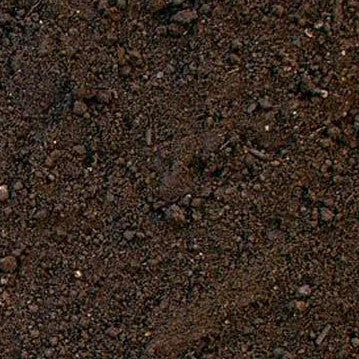
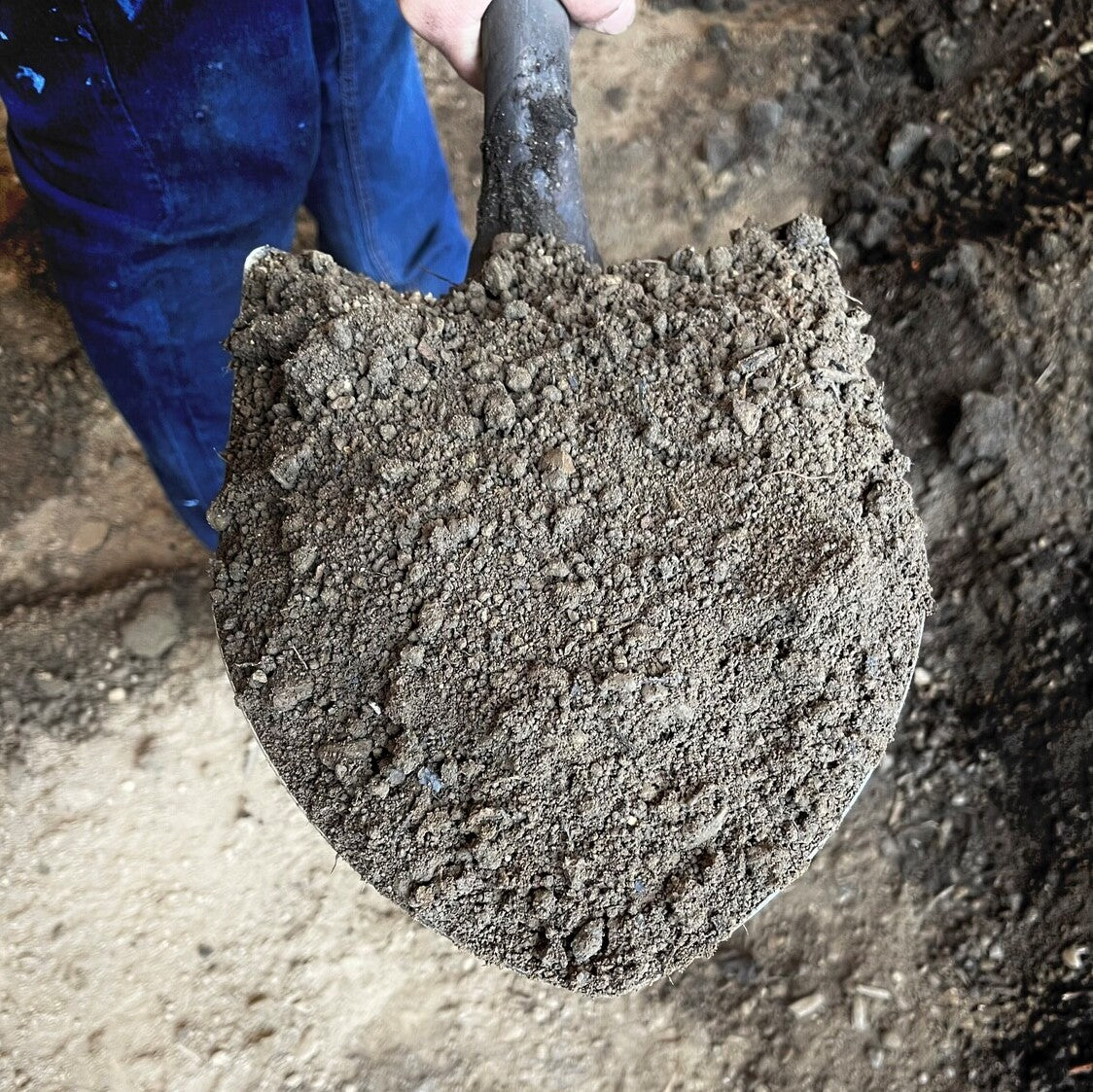
I got 3 yards of dirt to create a garden bed on the side of my house and to help fill my new raised garden beds. We had enough dirt to do all of this and fill some holes in the yard! Thanks 😃
Tell us what you're looking for
Thanks! We received your request.
Something went wrong. Please try again.
How Much Material Do I Need?
For new planting beds and lawn establishment in Rapid City, plan for a minimum of four to six inches of quality topsoil to give roots room to develop above the native clay loam. Raised beds and garden areas benefit from six to eight inches of enriched soil to support the vigorous root growth needed during our shorter-than-average growing season.
Use our free soil calculator
What is a Yard?
A yard is approximately 27 cubic feet. As a general guideline, one yard of material can cover an area of about 100-160 square feet at a 2-3 inch depth.
I got 3 yards of dirt to create a garden bed on the side of my house and to help fill my new raised garden beds. We had enough dirt to do all of this and fill some holes in the yard! Thanks 😃
How Much Material Do I Need?
For new planting beds and lawn establishment in Rapid City, plan for a minimum of four to six inches of quality topsoil to give roots room to develop above the native clay loam. Raised beds and garden areas benefit from six to eight inches of enriched soil to support the vigorous root growth needed during our shorter-than-average growing season.
Use our free soil calculator
What is a Yard?
A yard is approximately 27 cubic feet. As a general guideline, one yard of material can cover an area of about 100-160 square feet at a 2-3 inch depth.
I got 3 yards of dirt to create a garden bed on the side of my house and to help fill my new raised garden beds. We had enough dirt to do all of th...
Read full review
I got 3 yards of dirt to create a garden bed on the side of my house and to help fill my new raised garden beds. We had enough dirt to do all of this and fill some holes in the yard! Thanks 😃
Measure the length and width of the area you are filling and multiply them together to get square footage, then decide on your target depth in inches. Divide the depth in inches by 12 to convert to feet, then multiply by your square footage to get cubic feet, and divide that number by 27 to convert to cubic yards. For lawn repairs with irregular shapes, estimate generously since running slightly short on a delivery day is much more frustrating than having a small amount left over.
Complete Your Outdoor Soil Project
After your soil delivery, consider adding a bulk mulch layer over new beds to protect the fresh topsoil from Rapid City's drying winds and intense summer sun. Stone edging or gravel borders are a natural pairing with new soil work and can be delivered alongside your soil order to keep your project on schedule.
My backyard has standing water every spring after the snow melts. Can new soil actually fix that?
Standing water after snowmelt is extremely common in Rapid City because the clay loam subsoil limits how quickly water drains downward. Adding quality topsoil alone will not solve a drainage problem if the underlying clay is the culprit, but grading the surface with well-structured topsoil to direct water away from problem areas can reduce ponding significantly. For severe cases, we recommend a blend with coarser texture to help water move more freely through the new layer while you work on any grading issues.
Answer
How much topsoil do I need to fix the bare spots and thin areas in my lawn after this past winter?
For lawn repair and overseeding after a rough Rapid City winter, a topdressing of one half to one inch of screened topsoil across thin areas is usually sufficient. If you have areas where the grade has settled and you need to build up two inches or more, plan for a heavier application before seeding. One cubic yard spread at one inch covers approximately 324 square feet, which is a helpful starting number for estimating your order.
Answer
Is the soil I am buying going to work with the plants that are already established in my beds, or will there be a mismatch with my native clay loam?
Our blended topsoil is formulated to integrate well with the clay loam base soil common throughout Rapid City rather than create a sharp layering that confuses root systems. When you incorporate or top-dress with quality soil, the transition between layers smooths out over one to two growing seasons as roots, earthworms, and water movement blend the materials together. For established plants, adding two to three inches of quality soil around the root zone without burying crowns is a safe approach that improves conditions without shocking existing plants.
Answer
Can I use bulk topsoil in raised vegetable beds or is that only for lawn applications?
Bulk topsoil works well as a base layer in raised vegetable beds in Rapid City, but we recommend blending it with compost or a garden mix to increase organic content for vegetable production. A common local approach is to fill the bottom half of a raised bed with screened topsoil and the top half with an enriched garden blend, which gives you good structure and drainage without the expense of filling the entire depth with premium mix. Given our short growing season, starting with nutrient-rich soil in your vegetable beds gives transplants every advantage right from planting day.
Answer
When is the best time of year to have soil delivered in Rapid City?
The ideal window is late April through mid-May after the last frost risk has passed and the ground has dried enough to work without compacting. Rapid City's clay loam is particularly vulnerable to compaction when it is wet from snowmelt, so waiting a few weeks after the ground thaws fully before bringing in and spreading heavy loads of soil protects both your yard and the soil structure you are trying to improve. Fall delivery in September is the second-best window if you are prepping beds for spring planting or doing lawn renovation before the October frost.
Answer
My contractor scraped away all my topsoil during a recent addition. How deep should the replacement soil be before I try to grow grass?
For a new lawn from seed or sod in Rapid City, you want a minimum of four inches of quality topsoil over the subgrade, and six inches is better in areas with heavy clay subsoil where drainage will be an ongoing challenge. Less than four inches often means grass roots hit the compacted clay layer before they can establish deeply enough to survive our dry summers and cold winters. Given that Rapid City only gets 18 inches of rainfall annually, deep-rooted turf that can access soil moisture from a few inches down makes a real difference in how your lawn looks through July and August.
Answer
Does elevation affect how soil behaves here compared to what I experienced gardening in lower elevation states?
Elevation affects Rapid City soil in a few practical ways worth knowing about. The intense high-altitude UV exposure accelerates the breakdown of organic matter at the surface, which means soils lose their organic content faster here than at lower elevations. The wider temperature swings between day and night common at 3,241 feet also stress plants more, making a rich, moisture-retentive soil layer even more valuable as a buffer. Starting with quality bulk soil that has higher organic content than native clay loam helps compensate for what our elevation and climate naturally burn off over time.
Mulch Mound Pro Tip
When incorporating new topsoil into Rapid City clay loam beds, till or mix the two layers together at the transition zone rather than simply dropping new soil on top of undisturbed clay. A sharp boundary between soil types creates a perched water table effect where moisture stops moving downward and pools at the interface, which can drown shallow roots even in our dry climate. Mixing the top two inches of existing clay loam with the new soil helps the two materials bond into a more uniform growing environment.
Mulch Mound Pro Tip
Rapid City's short growing season means fall soil work pays dividends the following spring. If you order soil in September and prep your beds before the October frost, you gain several weeks of head start over homeowners who wait until spring to do the same work. Freshly placed topsoil also settles over winter, which means your grade will be more stable and ready for planting right when that late April window opens up without any settling surprises mid-season.
Mulch Mound Pro Tip
Because our native clay loam compacts under equipment and foot traffic, try to plan your soil delivery and spreading for a time when the ground is neither saturated from snowmelt nor bone dry from summer heat. Working soil when it is at moderate moisture content, where it crumbles rather than smears or cracks, protects the structure of both the new material and the existing soil below. In Rapid City, that ideal soil moisture condition usually falls in the first week or two after spring thaw and again briefly in early September.
The Unique Landscape of Rapid City
The native clay loam soil across most of Rapid City is workable but comes with real limitations that any homeowner who has tried to establish a new lawn or garden bed quickly discovers. Heavy clay fractions in the local soil cause poor drainage after snowmelt and spring rains, then swing to hard, cracked surfaces within days of dry summer weather returning. At 3,241 feet elevation, Rapid City soils also tend to have lower organic matter content than soils in warmer, wetter climates where plant material decomposes year-round. Our short growing season between late April and early October means plants have limited time to build strong root systems, so starting them in quality soil is especially critical here. Imported bulk topsoil and amended garden soil give Rapid City homeowners a reliable foundation that sidesteps the worst qualities of native clay loam from day one. Whether you are filling raised beds, leveling a yard after construction, or replacing compacted lawn areas, quality delivered soil is the highest-return investment you can make in a Rapid City landscape.