About this mulch

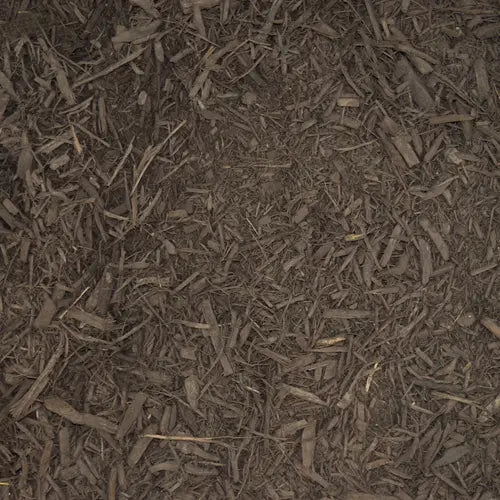
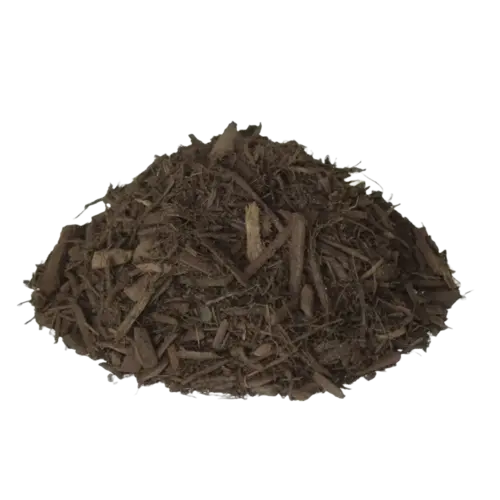
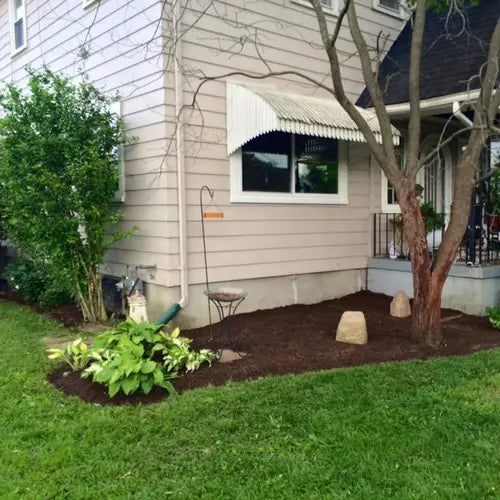
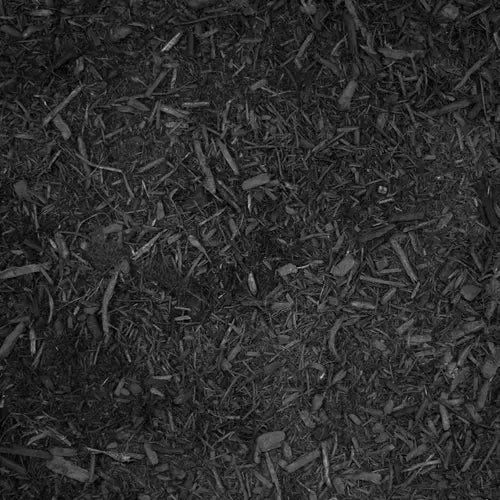
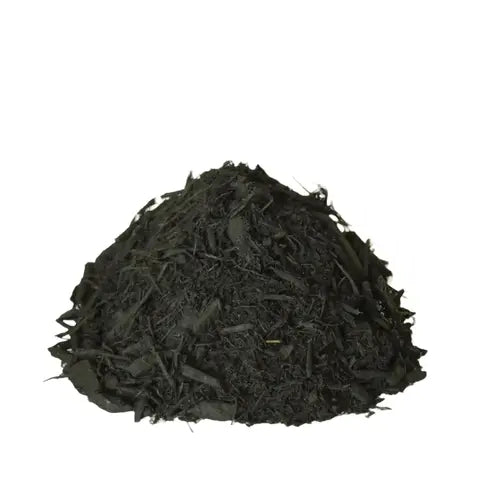
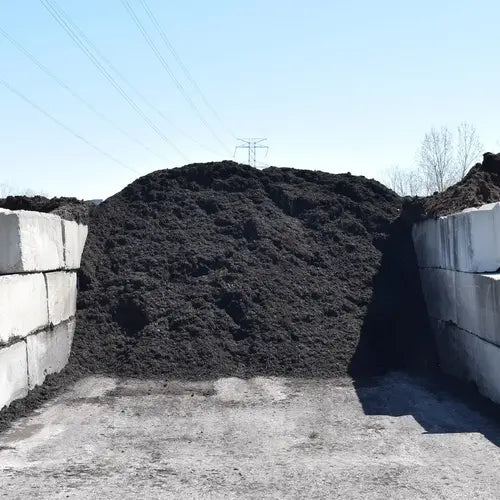
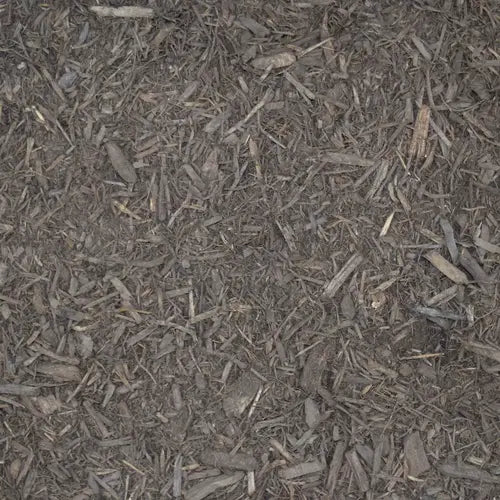
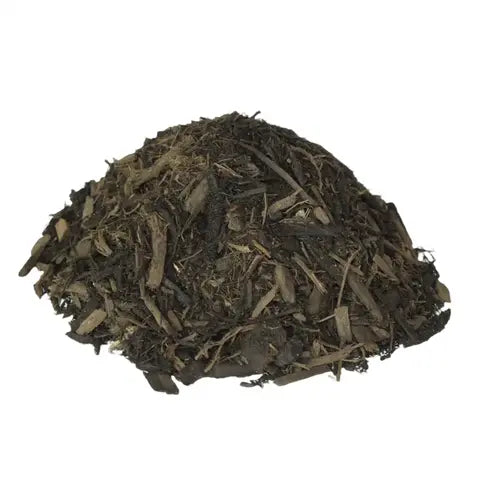
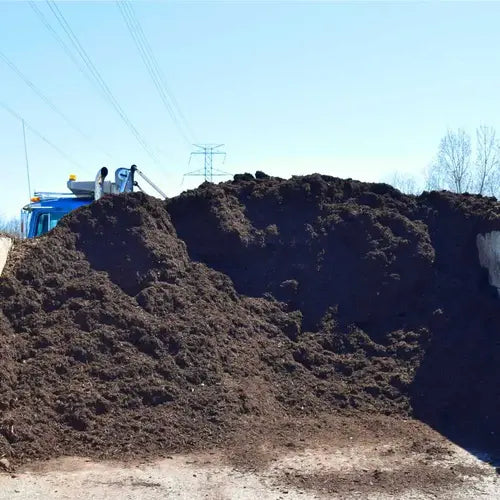
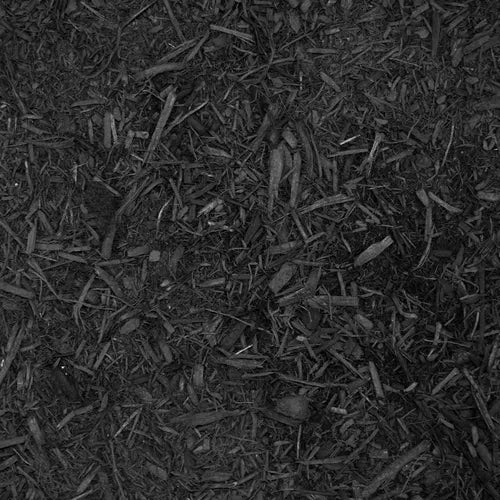
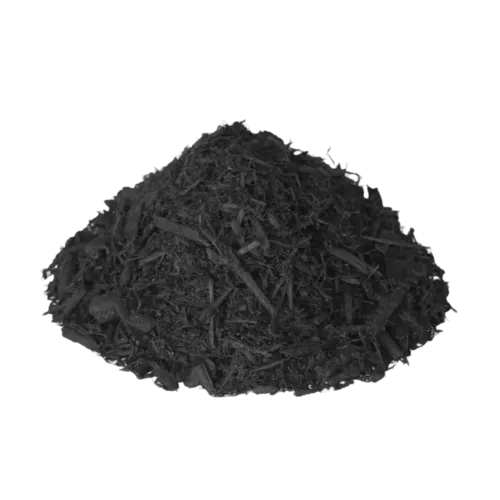
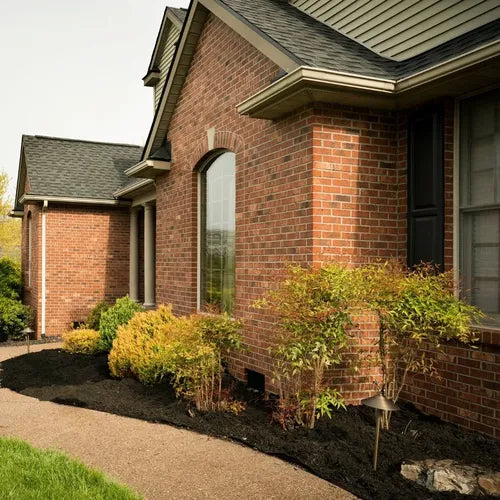
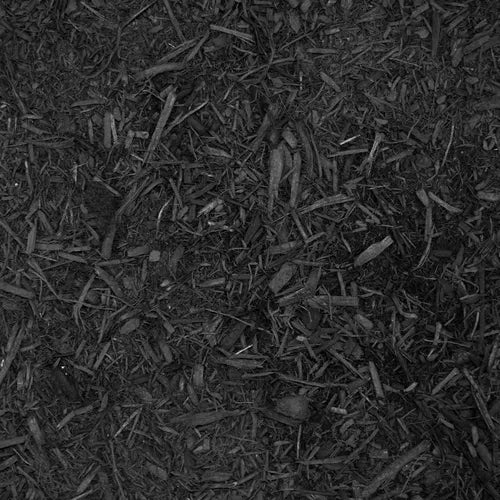
Double-shredded mulch dyed a rich, even brown that holds its color through the season.

Good quality, great price, fast delivery. All online - no submitting forms and waiting for days for quotes.
Getting mulch should be this easy from everyone. Only Mulch Mound is ACTUALLY this simple.

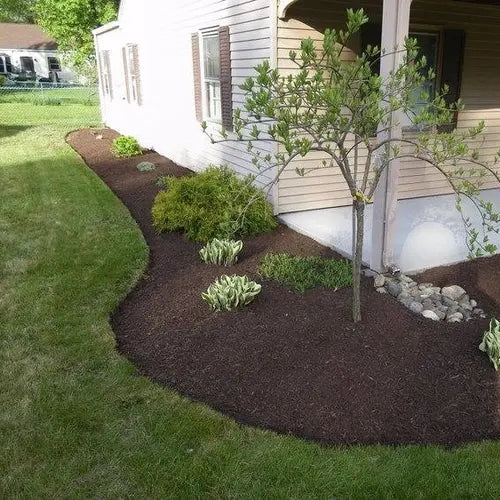
Plan for two to three inches of mulch depth across most planting beds in River Falls, with three inches being the better choice for beds that get direct afternoon sun and dry out faster in summer. One cubic yard of mulch covers roughly one hundred square feet at three inches deep.
Use our free mulch calculator

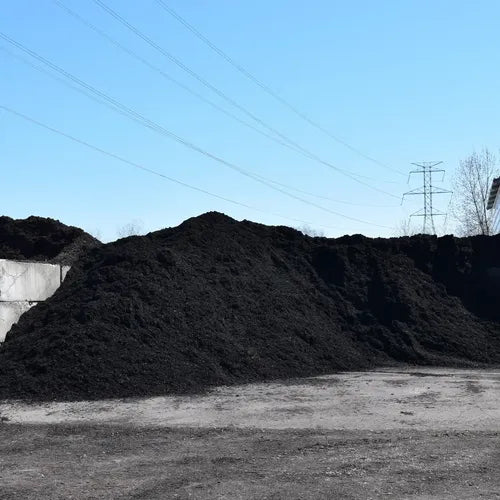
A yard is approximately 27 cubic feet. As a general guideline, one yard of material can cover an area of about 100-160 square feet at a 2-3 inch depth.

River Falls Mulch Delivery

River Falls Mulch Delivery

4.7
137 reviews
Regular price $55.00 per Yard
Regular price Sale price $55.00
Sale Sold out
Shipping calculated at checkout.
Color
Style
Hand-picked local yards
4,000+ regional deliveries
Dedicated support
Why order through Mulch Mound

The best local , without the guesswork.

We hand-pick and partner with the best yards in your region, keep only the ones our buyers rate well, and back each load with our guarantee.

Mulch Mound Guarantee

If your isn't the quantity or quality you ordered, we'll make it right.

About this mulch

Double-shredded mulch dyed a rich, even brown that holds its color through the season.

Good quality, great price, fast delivery. All online - no submitting forms and waiting for days for quotes.
Getting mulch should be this easy from everyone. Only Mulch Mound is ACTUALLY this simple.
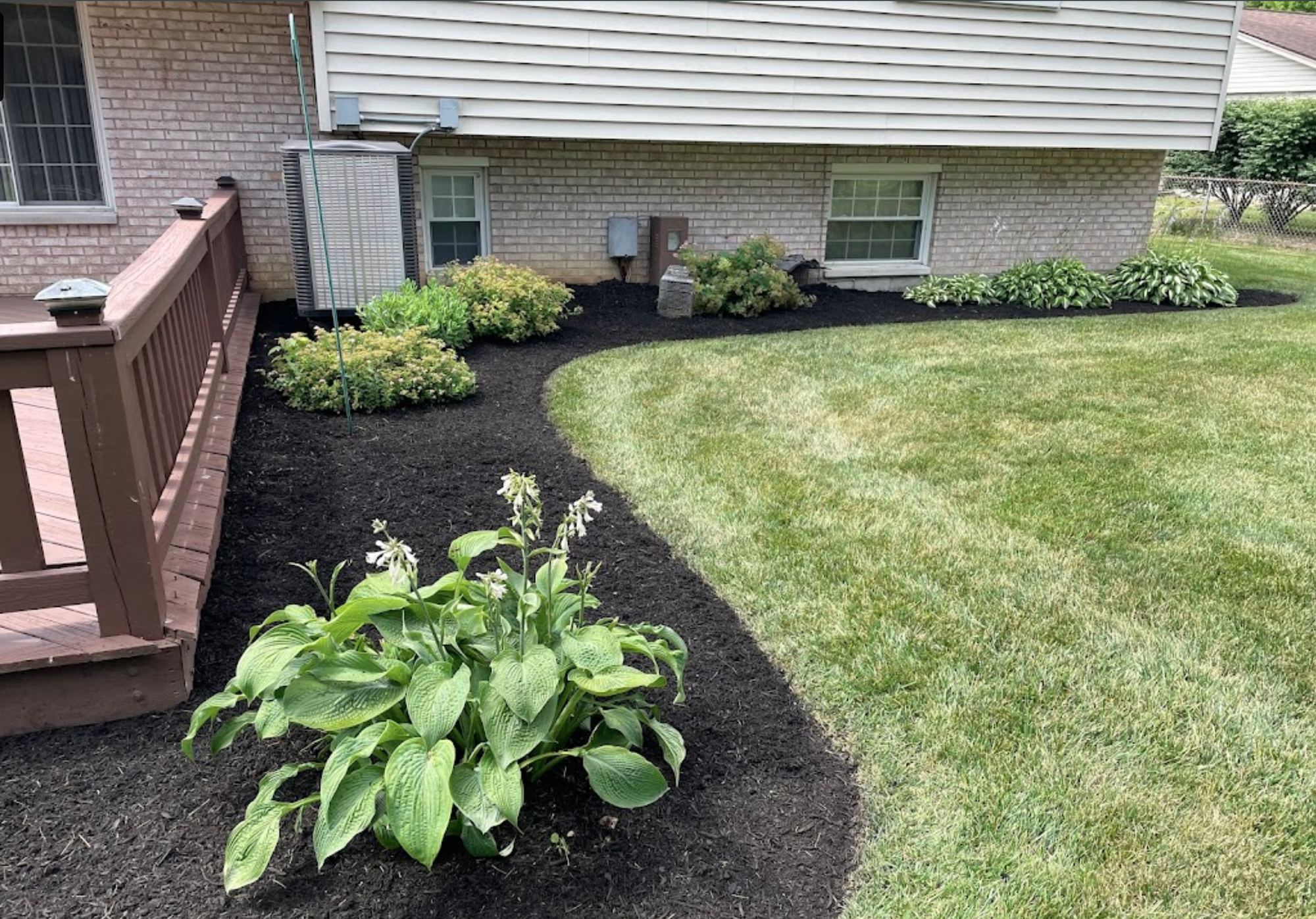
Plan for two to three inches of mulch depth across most planting beds in River Falls, with three inches being the better choice for beds that get direct afternoon sun and dry out faster in summer. One cubic yard of mulch covers roughly one hundred square feet at three inches deep.
Use our free mulch calculator

A yard is approximately 27 cubic feet. As a general guideline, one yard of material can cover an area of about 100-160 square feet at a 2-3 inch depth.

View full details

How It Works

Getting started is easy — just follow these simple steps

1

Choose your Mulch

Make sure you adjust the quantity to your home's needs. You can use our calculator to estimate how much you'll need.

2

Select your delivery date

Select a delivery date you'd like for the product to be dropped off at your home

3

Sit back and wait

Sit back, wait, and let us work our magic to make sure the highest quality product is delivered to your driveway.

What River Falls Customers Are Saying

4.7
out of 5 based on 137 reviews
Google Reviews

Calculate mulch for your River Falls project

For River Falls's type of soil, we recommend 2-3 inches for best weed suppression and moisture retention

Try Our Calculator
📍

Measure the length and width of each bed in feet, then multiply to get square footage before adding all your beds together. Divide that total by the coverage number listed for your chosen depth, since two inches of coverage requires about twice the material that one inch would. River Falls yards often have irregular shaped beds around trees and fence lines, so rounding up by about ten percent saves you a second delivery trip.

Mulch vs. No Mulch: The Difference

River Falls experiences genuine four-season weather with hard Zone 4b winters and warm summers that together create a cycle where unprotected soil alternately freezes, heaves, bakes, and dries throughout the year. Mulch is the most practical tool homeowners here have for managing that cycle because it moderates soil temperature and moisture at the same time. Without it, the silt loam soils common in Pierce County lose structure quickly and become prone to compaction and surface crusting.

Before image
After image
Slider handle
Before
After

Complete Your Outdoor Mulch Project

Pair your mulch order with a quality topsoil delivery to refresh any raised beds or low spots before laying your mulch layer on top. Adding landscape stone for border edging keeps mulch contained and gives your River Falls yard a clean finished look through the whole growing season.

Mulch Mound Pro Tip

In River Falls, spring soil temperatures stay cold well into May even after the last frost date passes. Wait until the ground has warmed slightly before laying mulch around heat-loving annuals like tomatoes and peppers. Cold mulch traps cool soil temperatures and slows early season root development, so give the soil a week or two of direct sun after planting before covering the bed.

Mulch Mound Pro Tip

The Kinnickinnic River corridor and low-lying areas around River Falls tend to stay wetter through spring snowmelt than upland yards. If your property sits in a low area, choose a coarser shredded hardwood mulch rather than a fine texture. Fine mulch mats together quickly in wet conditions and can restrict drainage in the already moisture-retentive silt loam soils common near the river bottoms.

Mulch Mound Pro Tip

Plan your mulch delivery for mid to late April if you want to get ahead of weed season in River Falls. Creeping Charlie and dandelions emerge fast once soil temperatures climb above forty degrees, and a fresh mulch layer placed before that threshold slows their progress significantly. Pairing a pre-emergent application with your mulch installation gives you the best weed suppression through the long growing season.

Frequently Asked Questions

Click a question to see the answer

Answer

What is the best time of year to put down mulch in River Falls?

Late April through mid-May is ideal in River Falls because the ground has thawed after winter but soil temperatures are still cool enough that a fresh mulch layer will trap that cool moisture and slow weed germination. Applying mulch after your last frost date of May third means you can finalize your bed layouts without worrying about frost pockets forming under thick mulch layers near tender new plantings.

Answer

How thick should I apply mulch over my silt loam garden beds?

Two to three inches is the sweet spot for silt loam soils in River Falls. Silt loam compacts and can become poorly aerated when mulch is piled too thick, so staying under four inches keeps oxygen moving to your plant roots. Going thinner than two inches means the layer breaks down too fast and stops protecting soil moisture through dry July spells.

Answer

Will mulch help my perennials survive a Zone 4b winter here?

Absolutely. Zone 4b winters in River Falls can push soil temperatures to dangerous lows for perennial root systems, especially in exposed beds with no snow cover. Applying three inches of hardwood mulch in late October, after the first hard frost but before the ground freezes solid, acts as a blanket that keeps soil temperatures more stable and prevents the repeated freeze-thaw cycles that heave roots right out of the ground.

Answer

Does mulch make a difference if I already have silt loam soil that holds some moisture?

Yes, because silt loam in the River Falls area holds moisture reasonably well when it is loose, but once it dries out and crusts at the surface it can actually repel water briefly. A mulch layer prevents that surface crust from forming in the first place, so when rain does fall during a dry August stretch it soaks in instead of sheeting off. You will water noticeably less during the warm months.

Answer

How fast does mulch break down in River Falls's climate?

Shredded hardwood mulch typically lasts one full season before it breaks down enough to need refreshing in Zone 4b conditions. The cold winters actually slow decomposition compared to warmer climates, but the warm humid summers speed it back up, so most River Falls homeowners plan to top off beds each spring with an inch or so of fresh material rather than doing a full replacement every year.

Answer

Can I mulch right up against my house foundation given how much frost heaving happens here?

Keep mulch at least two to three inches away from your foundation and siding. In River Falls the freeze-thaw action through winter can push mulch against wood or vinyl siding repeatedly, trapping moisture and encouraging rot or mold. Pull the mulch back from foundation walls and leave a small gap so air can circulate, then let the layer build up to full depth a few inches out from the structure.

Answer

Should I remove old mulch before adding new mulch each spring?

In most River Falls landscapes you do not need to fully remove old mulch each year unless it has matted down into a dense layer that blocks water from reaching roots. Rake the existing layer to loosen it, check that the total depth will not exceed four inches after you add fresh material, and top off accordingly. If you notice a thick mat forming over several seasons it is worth removing the bottom layer and starting fresh to keep soil aeration healthy in your silt loam beds.

The Unique Landscape of River Falls

River Falls sits in a Zone 4b climate where winter temperatures routinely drop below minus twenty degrees Fahrenheit, and plant roots need serious insulation to survive from November through April. The silt loam soils common throughout Pierce County drain reasonably well but compact easily under freeze-thaw cycles, which means exposed soil around your garden beds can crack and heave without a protective mulch layer. With only thirty-two inches of annual rainfall spread unevenly across the growing season, moisture retention between May and August is a real concern for homeowners trying to keep perennials and shrubs alive without running irrigation constantly. A proper mulch layer slows evaporation dramatically during the dry stretches that often hit River Falls in July and early August, giving your plants a buffer when rain is scarce. The short growing window between the last frost on May third and the first frost around October seventh means every week of healthy root growth counts, and mulch helps your plants make the most of those precious months.