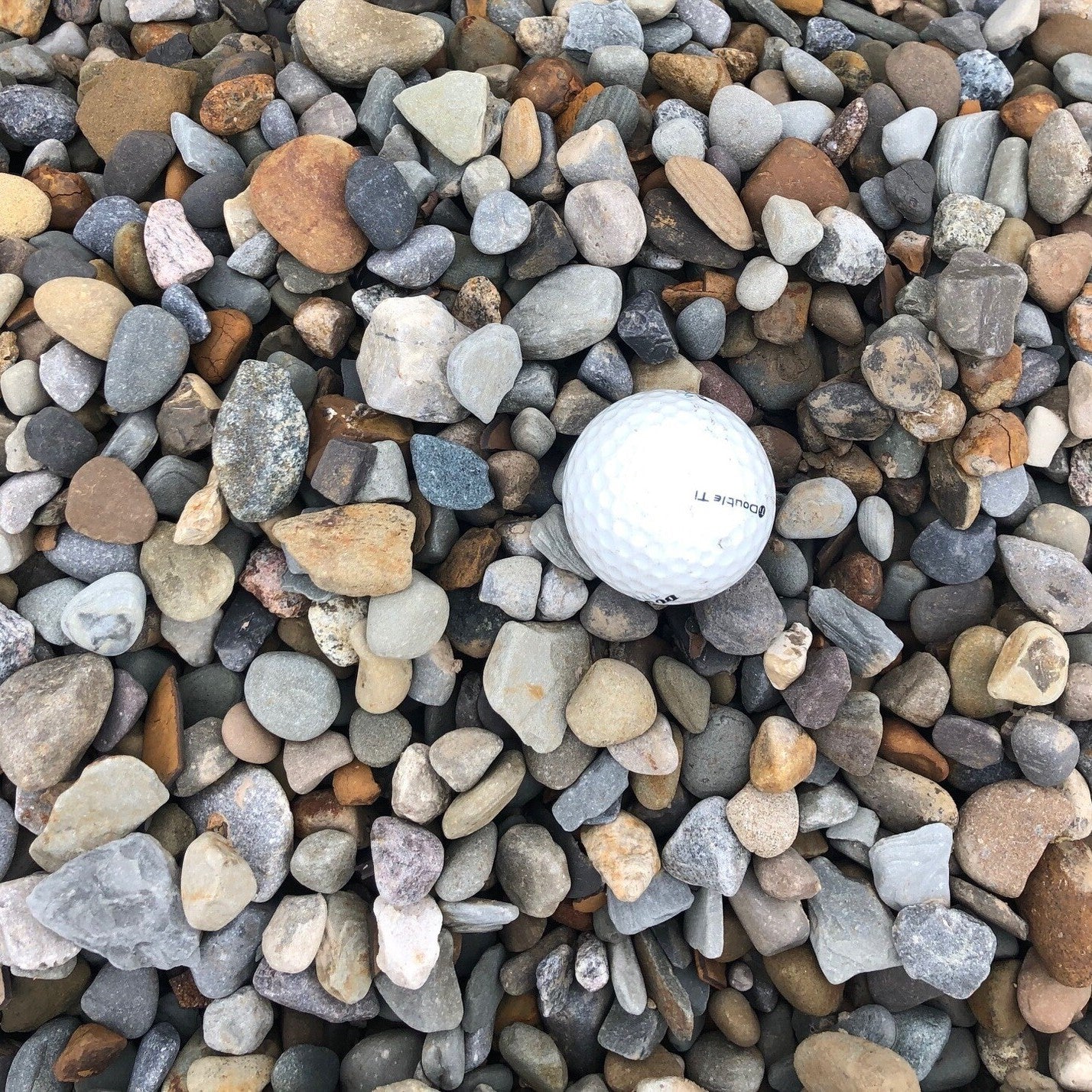
Number 57 crushed stone, angular limestone graded to about three quarters of an inch. The standard driveway, base and drainage gravel, it locks together under traffic and drains fast.
My experience with Mulch Mound was great and super easy. I ordered two yards of screened topsoil and was able to get it delivered within 2 days. They came in my requested time frame (afternoon) and dropped it off where I asked on my driveway. The topsoil was exactly what was a...
Tell us what you're looking for
Thanks! We received your request.
Something went wrong. Please try again.
How Much Material Do I Need?
Plan for two to three inches of depth for decorative ground cover stone applications and four or more inches for driveways and high-traffic paths in River Falls. Coverage rates vary by stone size, so check the product details for specific square footage per cubic yard before finalizing your order.
Use our free gravel calculator
What is a Yard?
A yard is approximately 27 cubic feet. As a general guideline, one yard of material can cover an area of about 100-160 square feet at a 2-3 inch depth.
We can't take orders for this right now. Tell us what you need and we'll get back to you.
What do you need?
Thanks! We received your request.
Something went wrong. Please try again.
Hand-picked local yards
4,000+ regional deliveries
Dedicated support
Why order through Mulch Mound
The best local , without the guesswork.
We hand-pick and partner with the best yards in your region, keep only the ones our buyers rate well, and back each load with our guarantee.
Mulch Mound Guarantee
If your isn't the quantity or quality you ordered, we'll make it right.
About this stone
Number 57 crushed stone, angular limestone graded to about three quarters of an inch. The standard driveway, base and drainage gravel, it locks together under traffic and drains fast.
My experience with Mulch Mound was great and super easy. I ordered two yards of screened topsoil and was able to get it delivered within 2 days. They came in my requested time frame (afternoon) and dropped it off where I asked on my driveway. The topsoil was exactly what was a...
How Much Material Do I Need?
Plan for two to three inches of depth for decorative ground cover stone applications and four or more inches for driveways and high-traffic paths in River Falls. Coverage rates vary by stone size, so check the product details for specific square footage per cubic yard before finalizing your order.
Use our free gravel calculator
What is a Yard?
A yard is approximately 27 cubic feet. As a general guideline, one yard of material can cover an area of about 100-160 square feet at a 2-3 inch depth.
My experience with Mulch Mound was great and super easy. I ordered two yards of screened topsoil and was able to get it delivered within 2 days. Th...
Read full review
My experience with Mulch Mound was great and super easy. I ordered two yards of screened topsoil and was able to get it delivered within 2 days. They came in my requested time frame (afternoon) and dropped it off where I asked on my driveway. The topsoil was exactly what was advertised, clean with no rocks or other debris. The price was reasonable. I plan to use them again in a couple weeks to order compost for my garden beds.
Stone coverage varies significantly by material size, since large river rock covers fewer square feet per ton than small pea gravel at the same depth. Measure your project area carefully in square feet and note your target depth before using our calculator. For irregularly shaped beds or winding path projects in River Falls yards, break the space into rectangular sections, calculate each one separately, and add the totals together for a more accurate order.
Complete Your Outdoor Stone Project
Add landscape fabric to your stone order to prevent silt loam from migrating up through your new stone layer over time, which is a common issue in River Falls's fine-textured native soils. A topsoil delivery for any surrounding planting beds will complement your stone hardscape and give adjacent plants a healthy growing environment.
River Falls gets enough annual snowfall that driveways and paths need to be snowplowed or shoveled regularly from November through March. If you are installing a crushed stone driveway, consider marking the edges with small stakes or flexible guide posts before the first snowfall so plow drivers know where the stone surface ends. Plow blades set too low will drag stone off the driveway surface and onto the lawn, which is a frustrating annual problem for many River Falls homeowners with gravel surfaces.
Mulch Mound Pro Tip
Silt loam soils in River Falls have a fine enough texture that they will slowly migrate upward into a stone layer over several years without a barrier between them. This process, called pumping, is accelerated by freeze-thaw action and heavy rainfall events. Installing a layer of non-woven geotextile fabric between your native soil and any stone application keeps the two materials separated and maintains the drainage function of your stone for years longer than it would otherwise last.
Mulch Mound Pro Tip
For homeowners in River Falls who want to use stone around foundation plantings, choose a light-colored stone rather than dark material near south-facing walls. Dark stone in a south exposure absorbs significant heat on clear winter days and then releases it overnight, which can trigger premature bud break on shrubs and perennials near the foundation before your May third last frost date has passed. Light-colored limestone or granite gravel stays cooler and reduces that risk of frost damage to early-emerging plants.
The Unique Landscape of River Falls
River Falls landscapes benefit from stone in ways that go well beyond aesthetics, because the climate here creates real practical problems that stone is uniquely suited to solve. Freeze-thaw cycles through Zone 4b winters heave and shift loose materials, wash mulch downhill during spring snowmelt, and erode bare silt loam slopes in ways that get worse every year without a stable ground cover. Landscape stone holds its position through even the harshest Pierce County winters and does not decompose, compact, or wash away the way organic materials do. Along driveways, paths, and drainage channels where thirty-two inches of annual rainfall concentrates runoff, crushed stone and river rock provide stable surfaces that manage water flow without eroding. Stone also reflects heat in a way that can extend the short River Falls growing season slightly, warming soil around heat-loving perennials and vegetables in the weeks surrounding the May third last frost date.
Frequently Asked Questions
Click a question to see the answer
Answer
What type of stone holds up best on a gravel driveway in River Falls winters?
Crushed limestone or crushed granite with angular edges is the best choice for River Falls driveways because the jagged faces lock together and resist the shifting that freeze-thaw cycles cause. Rounded river rock or pea gravel rolls out of position under vehicle tires and spreads onto the road after snowplowing. A base layer of larger crushed stone topped with a finer crushed surface layer gives you a driveway that stays stable through spring thaw when the ground softens.
Answer
Can I use river rock to manage the drainage issues in my low-lying backyard near the river?
River rock works well for dry creek beds and drainage swales in River Falls properties that collect runoff during spring snowmelt or heavy summer rain. Placing a layer of landscape fabric underneath the rock prevents silt loam from washing up through the stones over time, which is a common issue in River Falls where fine-textured native soils migrate upward through open stone layers during heavy rain events. Size the creek bed wide enough to handle your peak spring flow without overflowing.
Answer
Will landscape stone shift or sink during spring frost heave in River Falls?
Large stone set directly on silt loam without a proper base will shift with frost heave every spring in River Falls. For permanent installations like edging, steps, or retaining walls, dig down below the frost depth and set a compacted gravel base before placing your stone. Smaller decorative stone used as a ground cover mulch alternative does not need a deep base and can simply be raked level again in spring after any heaving settles.
Answer
Is pea gravel a good alternative to mulch for my flower beds here?
Pea gravel works well as a mulch alternative in River Falls for beds around drought-tolerant or rock garden plants, but it has some trade-offs compared to organic mulch. It does not add any organic matter to your silt loam soil as it breaks down and it can actually warm soil more than desired in midsummer, which stresses plants that prefer cooler root zones. It is an excellent choice for xeriscape areas, pathways, and around ornamental grasses where you want low maintenance and no annual replenishment.
Answer
How do I keep weeds from growing up through my new decorative stone area?
A layer of quality landscape fabric under your stone is the most effective long-term weed barrier in River Falls conditions. Weed seeds blow in and germinate in the thin organic layer that builds up on top of stone over time, so no fabric will stop surface weeds completely, but it dramatically reduces roots pushing up from below. In shaded areas near the Kinnickinnic River corridor where moisture stays high, plan for more surface weed management than in sunny, dry spots.
Answer
How deep should I lay stone for a garden path that gets walked on year-round in River Falls?
For a walking path using crushed stone, aim for at least three to four inches of depth over a compacted gravel sub-base or landscape fabric. River Falls freeze-thaw cycles will work loose stone paths over time, and a deeper initial installation gives you material to rake and redistribute each spring without running low. Stepping stone paths set in silt loam without a base layer will tilt and sink unevenly within two or three winters as frost heave moves them.
Answer
What is the best way to estimate how much stone I need for a dry creek bed project?
Measure the length of your planned creek bed in feet, then estimate the average width and depth. A typical decorative dry creek bed in River Falls might run two feet wide and four to six inches deep. Multiply length by width by depth in feet to get cubic feet, then divide by twenty-seven to convert to cubic yards. For a twenty-foot creek bed at two feet wide and five inches deep, you are looking at roughly one cubic yard of stone, though adding twenty percent extra for irregular shapes is always wise.