


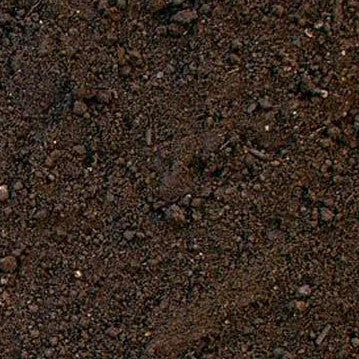
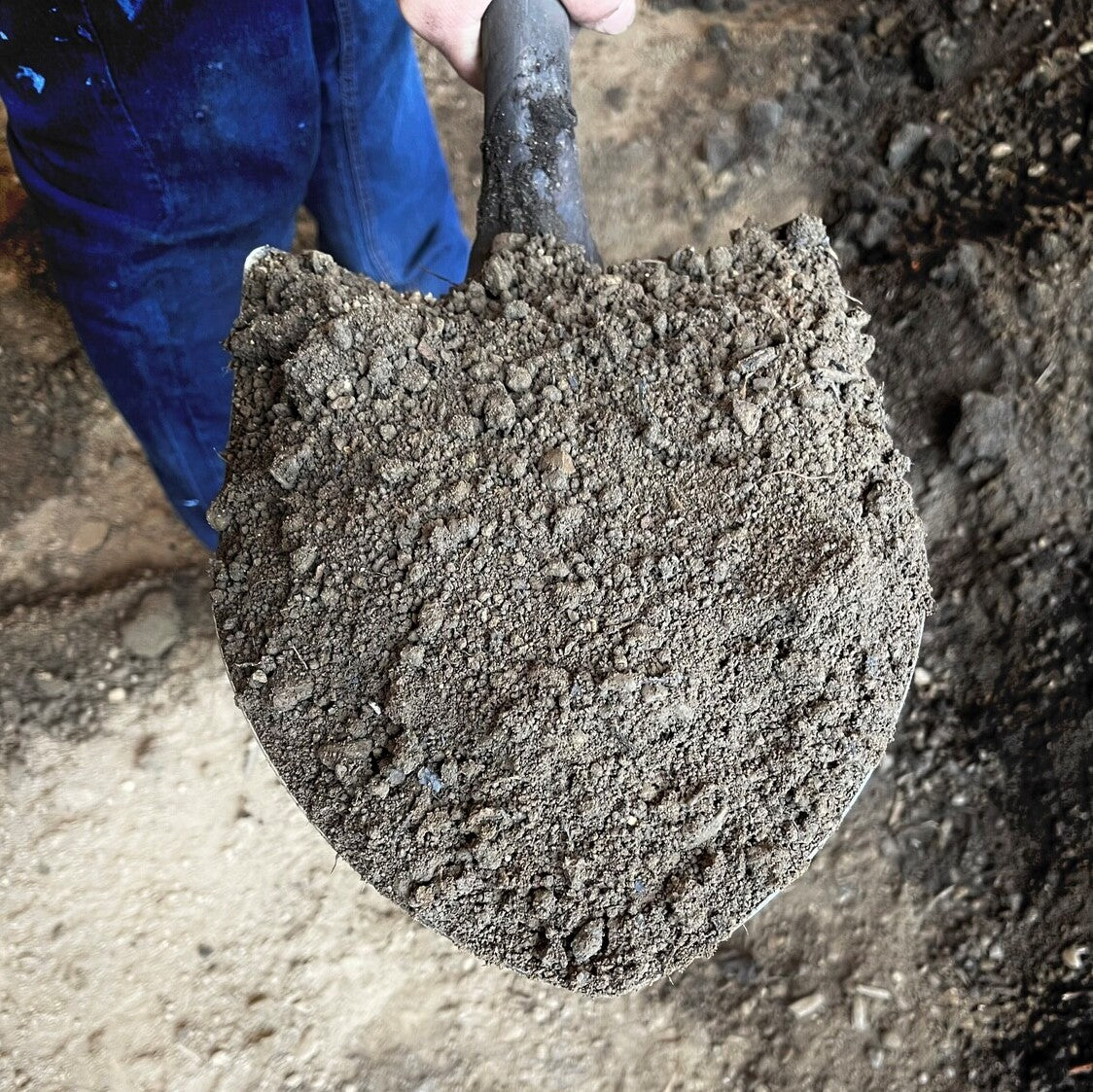

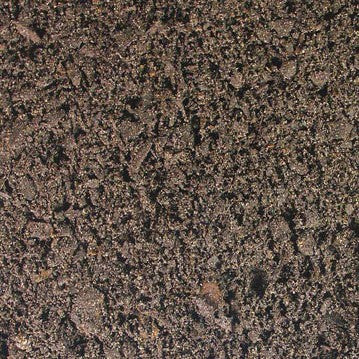
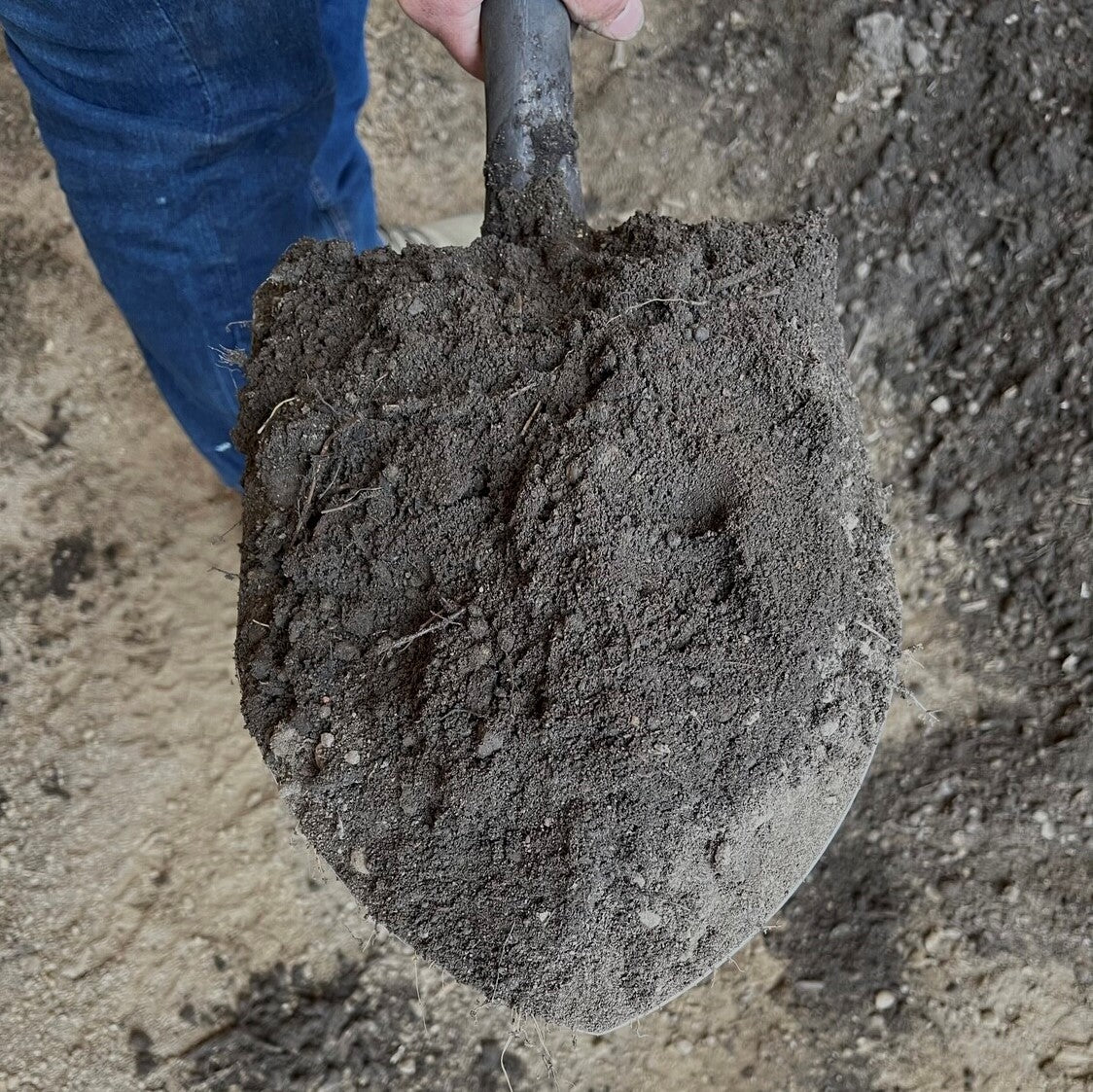

Good quality top soil and was delivered exactly where I wanted it. Nice Job!
About this soil
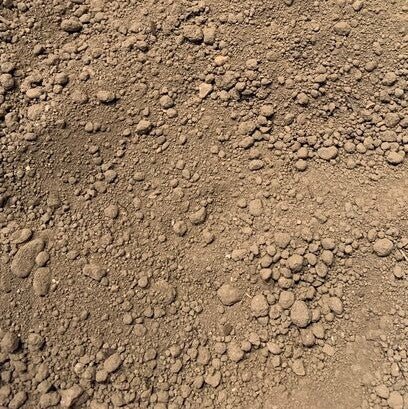
Screened topsoil with a fine, even texture. Ideal for new lawns, sod prep, and raised garden beds.
Good quality top soil and was delivered exactly where I wanted it. Nice Job!
Tell us what you're looking for
Thanks! We received your request.
Something went wrong. Please try again.
How Much Material Do I Need?
How Much Material Do I Need?
Plan for a minimum of four inches of topsoil depth for new lawn areas and six or more inches for vegetable and perennial beds in River Falls. One cubic yard of soil covers approximately eighty square feet at four inches deep, so larger projects will need several yards to reach the right depth.
Use our free soil calculator
What is a Yard?
What is a Yard?
FAQs
FAQs
River Falls Soil Delivery
River Falls Soil Delivery
Regular price
$64.00
per
Yard
Regular price
Sale price
$64.00
Unit price
per
Shipping calculated at checkout.
Minimum of 3 Yard
Couldn't load pickup availability
Not currently available
We can't take orders for this right now. Tell us what you need and we'll get back to you.
Hand-picked local yards
4,000+ regional deliveries
Dedicated support
Why order through Mulch Mound
The best local , without the guesswork.
We hand-pick and partner with the best yards in your region, keep only the ones our buyers rate well, and back each load with our guarantee.
Mulch Mound Guarantee
If your isn't the quantity or quality you ordered, we'll make it right.
About this soil
Screened topsoil with a fine, even texture. Ideal for new lawns, sod prep, and raised garden beds.
Good quality top soil and was delivered exactly where I wanted it. Nice Job!
How Much Material Do I Need?
How Much Material Do I Need?
Plan for a minimum of four inches of topsoil depth for new lawn areas and six or more inches for vegetable and perennial beds in River Falls. One cubic yard of soil covers approximately eighty square feet at four inches deep, so larger projects will need several yards to reach the right depth.
Use our free soil calculator
What is a Yard?
What is a Yard?
FAQs
FAQs
Tell us what you're looking for
Thanks! We received your request.
Something went wrong. Please try again.
How It Works
Getting started is easy — just follow these simple steps
1
Choose your soil
Make sure you adjust the quantity to your home's needs. You can use our calculator to estimate how much you'll need.
2
Select your delivery date
Select a delivery date you'd like for the product to be dropped off at your home
3
Sit back and wait
Sit back, wait, and let us work our magic to make sure the highest quality product is delivered to your driveway.

Online ordering was really simple and I liked the transparent pricing.

Easy to order, great service, and great product. We enjoy the final look of a very neglected beds we inherited!
Need Help Calculating How Much Soil You Need?
Use our NEW Trace from Satellite tool to get an estimate for your project based on an aerial view of your property
Try Our CalculatorMeasure your project area in square feet and decide on your target soil depth in inches before using our calculator, since the depth makes a big difference in how many cubic yards you need. For a new lawn base in River Falls, four inches of depth over a thousand square feet works out to roughly twelve cubic yards, which is a common starter order for post-construction lots. Always round up by about ten percent to account for compaction after the first winter freeze-thaw cycle.
Complete Your Outdoor Soil Project
Top your fresh soil with a layer of shredded hardwood mulch to protect it from surface crusting and hold moisture through River Falls's dry summer stretches. Landscape stone borders around new beds keep soil in place during spring snowmelt when runoff can wash loose topsoil downhill.
Service area
Areas we deliver soil in River Falls, Wisconsin
Mulch Mound Pro Tip
River Falls construction lots often have severely compacted subsoil left behind by grading equipment, and simply dumping topsoil on top of that hardpan creates drainage problems for years. Before accepting a soil delivery, use a screwdriver or soil probe to check how deep compaction goes. If you hit resistance within four inches, rent a tiller or aerator to break up the subgrade first so your new topsoil bonds with the layer below rather than sitting on top of an impermeable barrier.
Mulch Mound Pro Tip
Silt loam soils in River Falls are prone to surface crusting when they dry out quickly after rain, which creates a hard cap that slows water infiltration and makes it harder for grass seed to push through. When seeding new areas in spring or fall, keep the soil surface consistently moist for the first two weeks after seeding. A light straw mulch over seeded areas reduces crusting and holds moisture far better than leaving the surface bare between rain events.
Mulch Mound Pro Tip
If you are building raised vegetable beds in River Falls, size them to allow full root depth without hitting the native silt loam below. Many Zone 4b vegetables like carrots, parsnips, and beets need twelve or more inches of loose soil to form properly. Build your raised beds to at least twelve inches of interior depth and fill them with a quality amended mix rather than straight topsoil, giving your short-season crops the best possible start between frost dates.
The Unique Landscape of River Falls
River Falls homeowners work with native silt loam soils that are reasonably fertile but come with real limitations for landscaping and gardening projects. Silt loam compacts under foot traffic and heavy equipment, loses structure quickly in raised beds, and can drain poorly in low-lying areas near the Kinnickinnic River and its tributaries. With a growing season that runs only from early May through early October in Zone 4b, plants have a narrow window to establish roots, and poor soil quality cuts into that time significantly. Bringing in quality bulk topsoil or amended soil lets River Falls residents build beds, fill graded areas, and establish lawns on their own timeline rather than waiting for native ground to recover from construction or erosion. The thirty-two inches of annual rainfall River Falls receives is just enough to support lush landscaping, but only when the soil beneath has the structure to hold and release water at the right pace.