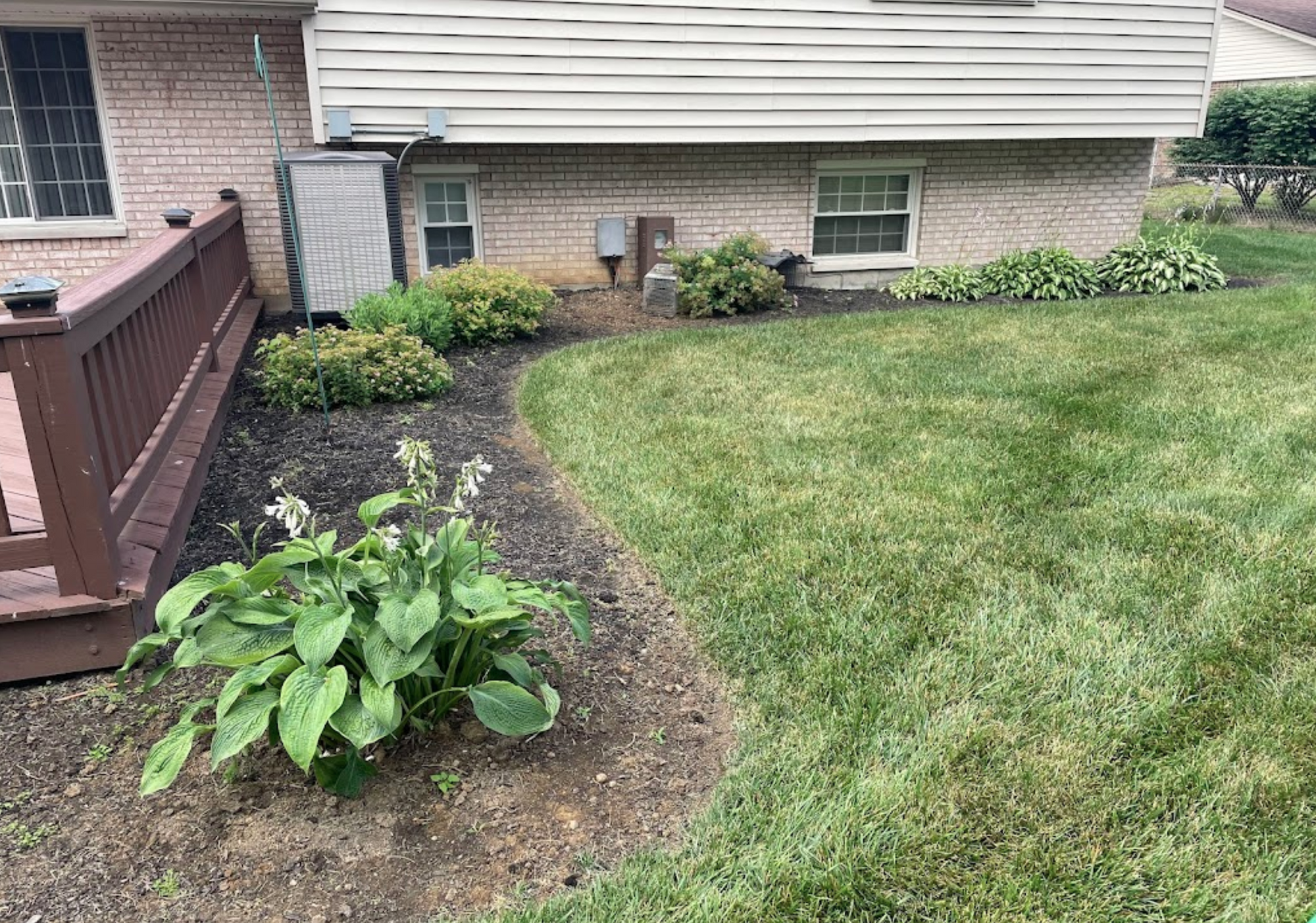
I can’t say enough good things about Mulch Mound! If you read my review below you will see I had a problem with my order. Mulch Mound was quick to respond and solved the issue with my delivery. Will definitely be a customer next year.
First time purchase...
Tell us what you're looking for
Thanks! We received your request.
Something went wrong. Please try again.
How Much Material Do I Need?
For most Roswell landscape beds, 3 to 4 inches of mulch is the sweet spot that provides genuine moisture retention and temperature buffering without smothering plant crowns. Xeriscape areas with densely planted native shrubs can often be maintained well at 2 to 3 inches since established desert plants have deep root systems less dependent on surface moisture.
Use our free mulch calculator
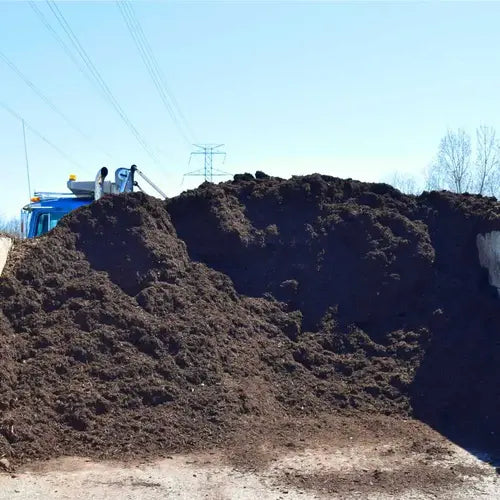
What is a yard?
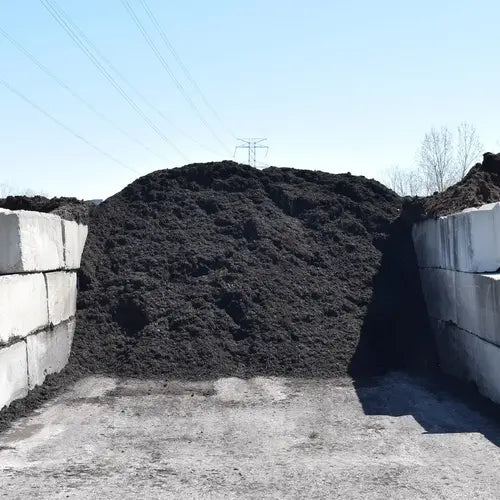
A yard is approximately 27 cubic feet. As a general guideline, one yard of material can cover an area of about 100-160 square feet at a 2-3 inch depth.
I can’t say enough good things about Mulch Mound! If you read my review below you will see I had a problem with my order. Mulch Mound was quick to respond and solved the issue with my delivery. Will definitely be a customer next year.
First time purchase...
How Much Material Do I Need?
For most Roswell landscape beds, 3 to 4 inches of mulch is the sweet spot that provides genuine moisture retention and temperature buffering without smothering plant crowns. Xeriscape areas with densely planted native shrubs can often be maintained well at 2 to 3 inches since established desert plants have deep root systems less dependent on surface moisture.
Use our free mulch calculator
What is a yard?
A yard is approximately 27 cubic feet. As a general guideline, one yard of material can cover an area of about 100-160 square feet at a 2-3 inch depth.
I can’t say enough good things about Mulch Mound! If you read my review below you will see I had a problem with my order. Mulch Mou...
Read full review
UPDATE!
I can’t say enough good things about Mulch Mound! If you read my review below you will see I had a problem with my order. Mulch Mound was quick to respond and solved the issue with my delivery. Will definitely be a customer next year.
First time purchase from Mulch Mound!! First what I liked! Easy to order online and straight forward pricing and delivery. The driver was on time and courteous and delivered my Mulch exactly where I requested! The product is of good quality and comparable to others I have purchased from before. Now what I DID’NT LIKE! I have been mulching the same house and yard for almost 20 years. I always order the same amount and don’t have any issues with covering the same area but this year I fell about a yard short. I was home when the mulch was delivered and when the driver dumped it I noticed that it seemed a bit less than I was used to. I didn’t apply it any thicker than usual and probably a bit thinner than usual because I was worried about running out.
Mulch Mound made it so easy! So happy with the pricing, turn around time, delivery and product. I submitted my online order on a Thursday. The mu...
Read full review
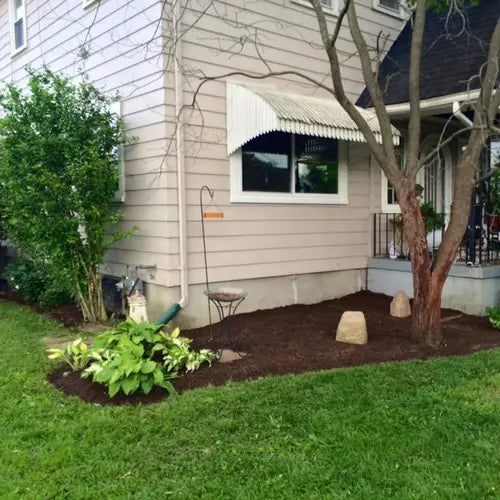
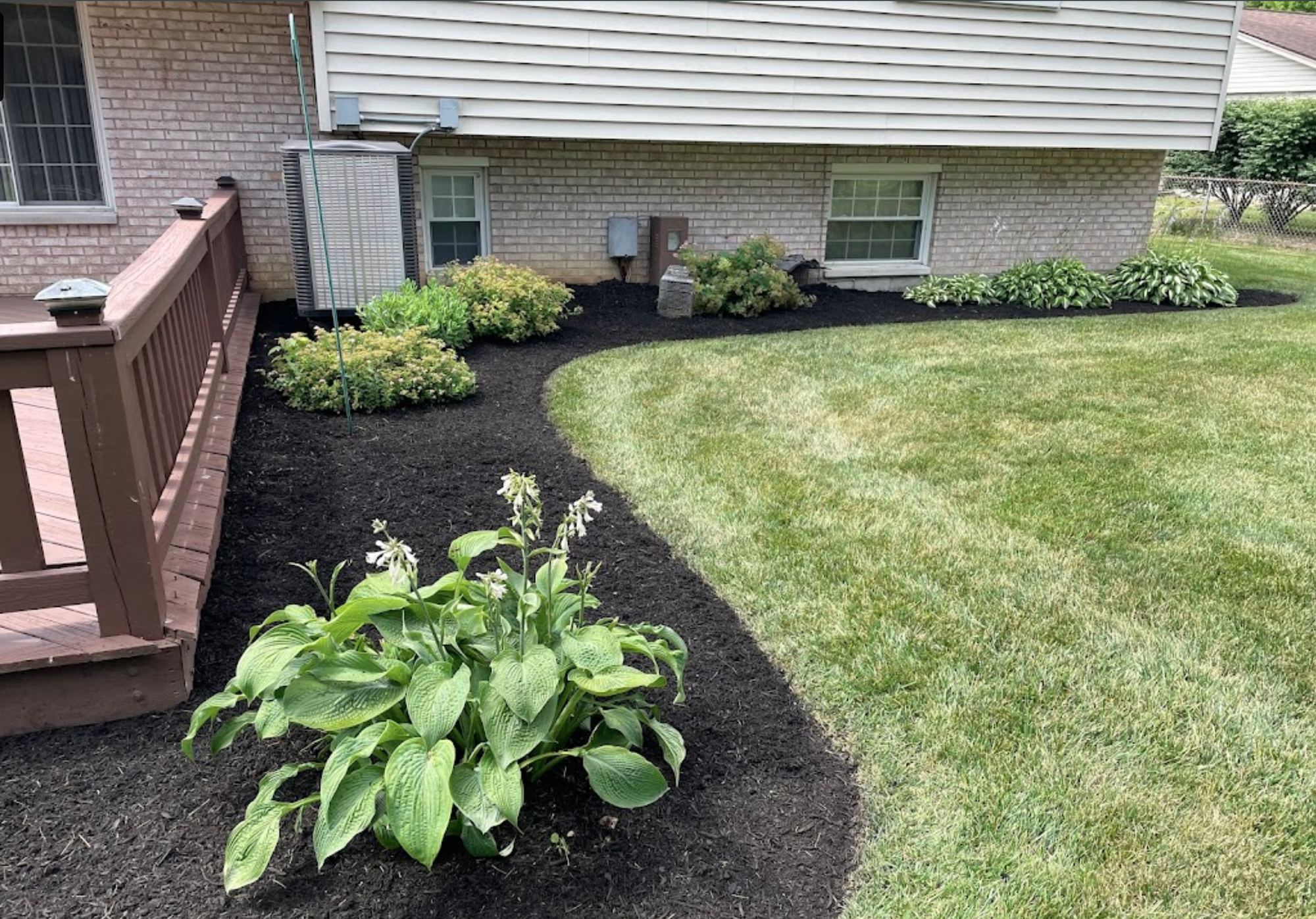
Mulch Mound made it so easy! So happy with the pricing, turn around time, delivery and product. I submitted my online order on a Thursday. The mulch was delivered to the designated location by a local landscape company at 8:30 a.m. the following Saturday morning. We had the job completed by that afternoon. We chose the natural brown mulch, and the plant beds are beautiful.
Start by measuring the length and width of each planting bed in feet and multiply those numbers together to get square footage. In Roswell's high-desert conditions, plan for a 3 to 4 inch depth, which means you will need roughly 1 cubic yard of mulch for every 80 to 100 square feet of bed at that depth. Add up all your bed areas before ordering to make sure you have enough material to complete the project in one delivery.
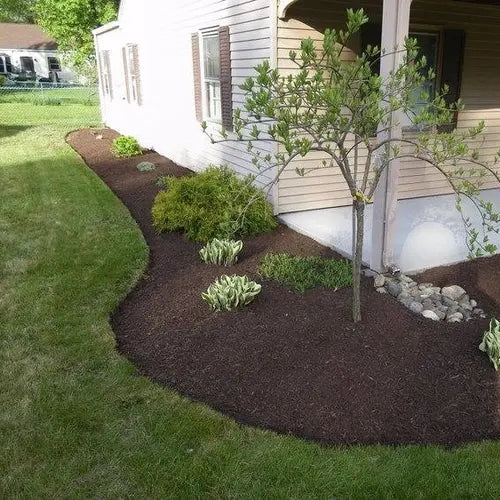
Mulch vs. No Mulch: The Difference
Roswell's climate sits in an unusual zone where low annual rainfall of 12 inches and low relative humidity slow organic breakdown significantly compared to wetter parts of the country, but intense UV radiation at 3,570 feet of elevation oxidizes and bleaches the surface of mulch faster than homeowners often expect. This means the visual appearance of your mulch may fade before the material itself has fully broken down, which is important to understand when deciding when to replenish. Functionally your mulch is still working even when it looks weathered, but topping off annually keeps the depth effective for moisture retention in Roswell's demanding growing conditions.
Before
After
Best Mulch Choice for Roswell Lawns
Most yards in the Roswell area sit on type of soil. Roswell's native sandy loam soil drains rapidly and has low organic matter content, which means planting beds can struggle to retain enough moisture and nutrients to support robust plant growth without amendment. Adding mulch on top of these beds is one of the most practical ways to slow surface evaporation and extend the window between necessary waterings.
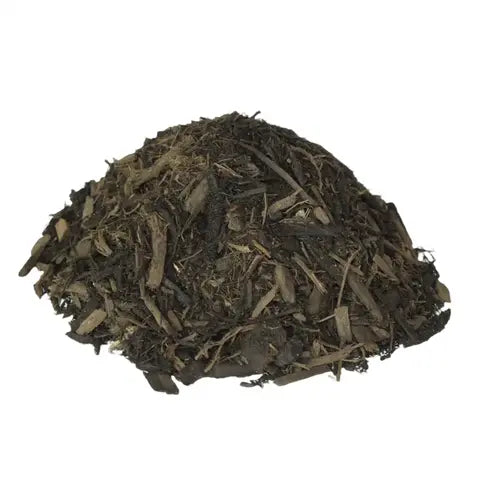
Hardwood Mulch
Hardwood mulch breaks down into humus-rich organic matter that binds to the mineral particles in sandy loam, gradually increasing the soil's ability to hold both water and nutrients over time. In Roswell landscapes where building organic content is a slow process due to limited rainfall and intense heat, consistently applying and replenishing hardwood mulch is one of the most effective long-term strategies for improving the soil beneath your planting beds.
Complete Your Outdoor Mulch Project
Pair your mulch order with a bulk delivery of amended garden soil to refresh planting bed depth before you mulch, giving new plants a better foundation in Roswell's native sandy loam. Adding decomposed granite or river stone as a border material around mulched beds also helps contain the mulch during Roswell's spring wind season.
Mulch Mound Pro Tip
In Roswell, timing your mulch application to coincide with a deep irrigation cycle makes a meaningful difference. Wet the soil thoroughly before spreading mulch so you are locking in moisture rather than layering dry material over dry ground. During July and August monsoon season this is less critical, but from April through June when heat is building and rain is scarce, pre-watering before you mulch can give your plants a significant head start on surviving the hottest stretch of the Roswell summer.
Mulch Mound Pro Tip
Keep mulch pulled back about 2 inches from the base of any woody shrubs or tree trunks in your Roswell landscape. The dry desert air of eastern New Mexico usually prevents the worst moisture-related crown rot issues seen in humid climates, but piling mulch directly against bark can still create habitat for insects and rodents that tunnel into root zones. This small gap also allows the soil surface near the base of the plant to breathe and dry slightly between waterings, which most drought-tolerant species planted in Roswell actually prefer.
Mulch Mound Pro Tip
If your Roswell property has beds on a slope or along a drainage swale that channels monsoon runoff, consider using a coarser wood chip mulch rather than finely shredded material. Coarse chips interlock with each other and resist displacement much better when water moves quickly across the surface during a fast, intense monsoon storm. You can also install simple burlap or jute erosion mesh beneath the mulch on steeper slopes before spreading, which holds material in place during the first season while plant roots establish and begin naturally anchoring the bed.
Frequently Asked Questions
Click a question to see the answer
Answer
How thick should I apply mulch in Roswell given how dry and sunny it gets here?
In Roswell's climate, we recommend applying mulch at a depth of 3 to 4 inches over your planting beds. The intense UV exposure and low relative humidity mean shallower layers dry out and break down much faster than they would in higher-rainfall areas. That 3 to 4 inch layer creates enough of a buffer to meaningfully reduce soil moisture loss between waterings, which matters a lot when you are only getting 12 inches of rain per year and depending on irrigation to carry your plants through summer.
Answer
Will mulch actually make a difference for my sandy loam soil or does it just wash away in heavy storms?
Sandy loam soil in Roswell actually holds mulch reasonably well because the fine particles in the loam fraction give the mulch something to settle against. The bigger concern in Roswell is not washaway but wind. During spring and early summer, gusting winds can scatter lighter mulch materials, so we recommend a medium to coarse hardwood mulch or even a wood chip product that has enough weight and interlocking texture to stay put. Heavy monsoon storms in July and August can cause some runoff in sloped beds, so edging your beds before mulching helps contain the material.
Answer
When is the best time of year to lay fresh mulch in Roswell?
The two most strategic times to apply mulch in Roswell are early spring, right around the last frost date of March 29, and again in late October before the first frost around November 4. The spring application helps regulate soil temperature as it swings between cool nights and warming days, giving newly planted beds a stable environment. The fall application protects root systems through winter and gives the mulch time to begin breaking down and improving soil texture before the next growing season begins.
Answer
Does organic mulch help with the caliche layer some of us have under our topsoil?
Caliche is a real challenge in parts of the Roswell area, where calcium carbonate deposits can form a nearly impermeable layer beneath the sandy loam surface. Organic mulch does not break through caliche on its own, but it contributes to the slow buildup of organic acids at the soil surface as it decomposes, which can very gradually soften caliche over several years. More immediately, thick mulch layers reduce the evaporation that drives caliche formation closer to the surface. If caliche is a serious problem in your beds, combining mulch with gypsum applications and amended soil will have a more direct impact.
Answer
How often do I need to replenish mulch here in Roswell compared to wetter climates?
The dry air and intense sunshine in Roswell actually slow the biological decomposition of mulch compared to humid climates, but UV exposure breaks down the surface layer and wind causes gradual loss over time. Most Roswell homeowners find they need to top off their mulch once a year, typically in spring. If you applied a full 4-inch layer, you may be able to go a second season before replenishing by raking and fluffing the existing material to restore its loft and insulating quality.
Answer
Is there a mulch type that works better for my xeriscape beds with desert plants like agave and yucca?
For xeriscape beds featuring agave, yucca, prickly pear, or other desert-adapted plants, a coarse wood chip mulch or a blend that includes some inorganic material works well because it does not retain excessive moisture against the base of succulents, which can cause crown rot. Some Roswell gardeners transition the mulch layer near the plant crown to a ring of pea gravel or decomposed granite while keeping organic mulch in the outer bed area. This approach gives you the moisture retention benefits in the root zone while keeping the crown dry, which aligns with how these plants naturally grow.
Answer
Can I use mulch to help protect my vegetable garden over the winter months in Roswell?
Absolutely. With Roswell's first frost arriving around November 4, using a 4 to 6 inch mulch layer over vegetable beds after the fall harvest is an excellent way to protect soil biology and prevent hard freezes from penetrating deep into the ground. Straw mulch or shredded hardwood both work well for this purpose. Pull the mulch back in late March after your last frost date passes to allow the soil to warm up more quickly for spring planting. The decomposed material you rake off can be worked directly into the bed as a light soil amendment.
The Unique Landscape of Roswell
Roswell sits at 3,570 feet in the Chihuahuan Desert borderlands, where the combination of intense UV radiation, low humidity, and only 12 inches of annual rainfall creates brutal conditions for exposed soil. Sandy loam soil drains quickly and loses moisture within hours of watering, leaving plant roots stressed between irrigation cycles. A consistent layer of mulch acts as a buffer between the hot New Mexico sun and the fragile root zone beneath your plants. Without it, soil surface temperatures in Roswell can spike dramatically during July and August afternoons, cooking shallow roots and accelerating evaporation. Mulch also slows the natural breakdown of organic matter in sandy loam, gradually improving soil structure over multiple seasons. For Roswell gardeners working with a 7b growing zone and a frost window from late March to early November, mulch is one of the highest-impact investments you can make.