



Ordered Dirt. Received Dirt. Would Buy Again.
About this landscape rock
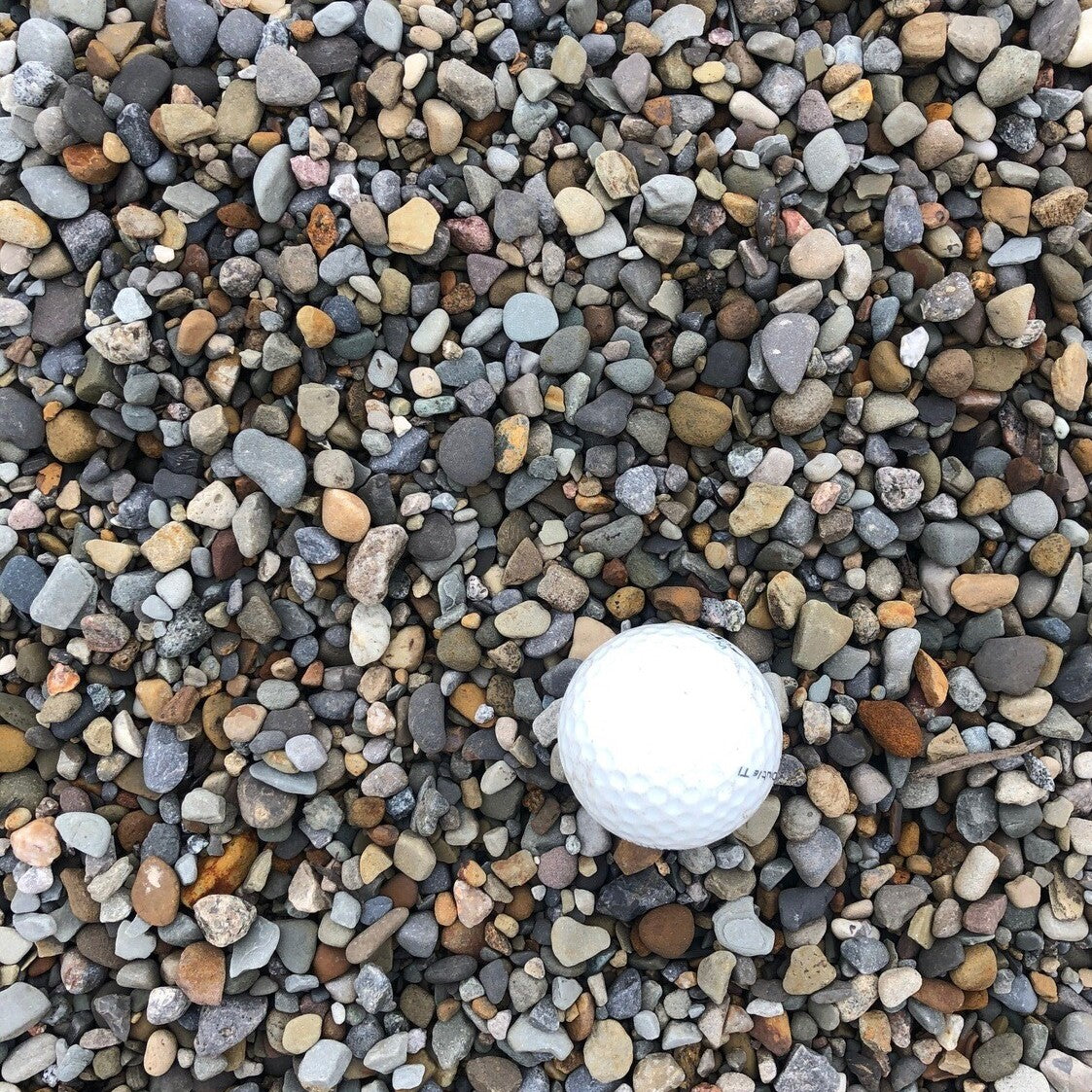
Smooth tumbled river rock, heavy enough to stay put in drainage runs and handsome enough for beds and borders.
Ordered Dirt. Received Dirt. Would Buy Again.
Tell us what you're looking for
Thanks! We received your request.
Something went wrong. Please try again.
How Much Landscape Rock Do I Need?
How Much Landscape Rock Do I Need?
One cubic yard of landscape rock covers about 162 square feet at a 2 inch depth, or a bit less if you go to 3 inches for better weed suppression. Measure your bed's length and width, multiply for square footage, then check that against 162 to figure how many yards you need. Most Salem front yard beds run half a yard to two yards depending on size.
What is a Yard?
What is a Yard?
FAQs
FAQs
Salem Landscape Rock Delivery
Salem Landscape Rock Delivery
Regular price
$132.00
per
Yard
Regular price
Sale price
$132.00
Unit price
per
Shipping calculated at checkout.
Minimum of 3 Yard
Couldn't load pickup availability
Hand-picked local yards
4,000+ regional deliveries
Dedicated support
Why order through Mulch Mound
The best local landscape rock, without the guesswork.
We hand-pick and partner with the best yards in your region, keep only the ones our buyers rate well, and back each load with our guarantee.
Mulch Mound Guarantee
If your landscape rock isn't the quantity or quality you ordered, we'll make it right.
About this landscape rock
Smooth tumbled river rock, heavy enough to stay put in drainage runs and handsome enough for beds and borders.
Ordered Dirt. Received Dirt. Would Buy Again.
How Much Landscape Rock Do I Need?
How Much Landscape Rock Do I Need?
One cubic yard of landscape rock covers about 162 square feet at a 2 inch depth, or a bit less if you go to 3 inches for better weed suppression. Measure your bed's length and width, multiply for square footage, then check that against 162 to figure how many yards you need. Most Salem front yard beds run half a yard to two yards depending on size.
What is a Yard?
What is a Yard?
FAQs
FAQs
Tell us what you're looking for
Thanks! We received your request.
Something went wrong. Please try again.
How It Works
Getting started is easy — just follow these simple steps
1
Choose your quantity
Adjust the quantity to match your project. One cubic yard covers about 100 to 160 square feet at a 2 to 3 inch depth.
2
Select your delivery date
Select a delivery date you'd like for the product to be dropped off at your home
3
Sit back and wait
Sit back, wait, and let us work our magic to make sure the highest quality product is delivered to your driveway.

Wonderful experience! They put the mulch exactly where we wanted. This mulch spread very easily and didn’t have the usual “mulch smell.” We will de...
Read full review
Wonderful experience! They put the mulch exactly where we wanted. This mulch spread very easily and didn’t have the usual “mulch smell.” We will definitely use again!

Placing an order online was so easy. Delivery was on time. When the driver realized we had a newly poured driveway they erred on the side of cautio...
Read full review
Placing an order online was so easy. Delivery was on time. When the driver realized we had a newly poured driveway they erred on the side of caution and opted not ti drive in it. The company even sent me a message explaining that call. Would recommend!
Complete Your Outdoor Project
Landscape fabric underneath is what makes rock a decade-long install instead of a weed patch, so plan on that as a base layer. Steel or aluminum edging keeps the stone from migrating into the lawn, especially useful on Salem's sloped older lots. If any part of the bed still needs plants to thrive, keep rock out of that zone and use bark mulch there instead.



Service area
Areas we deliver landscape rock in Salem, Oregon
Mulch Mound Pro Tip
In Salem's silt loam, skip laying rock directly on bare soil, it will work its way down into the ground within a couple seasons and you will be topping it off constantly. Always run landscape fabric first. On sloped yards near the Capitol area, stake the fabric every few feet before spreading, since our winter rains can shift loose fabric before the rock ever settles on top of it.
Mulch Mound Pro Tip
The most common mistake we see is rock installed right up against siding with no gap. Salem's long wet season means splashback and trapped moisture against the house, so leave at least a few inches of clearance and consider a gravel strip there instead of decorative stone butted tight to the foundation.
Mulch Mound Pro Tip
Rock pairs well with a one time fabric and edging install, so budget for those upfront rather than buying rock in stages. Ordering your full cubic yardage in one delivery avoids inconsistent stone color between batches, which matters more with screened decorative rock than with mulch since color variation shows more on a static, permanent surface.
Decorative Stone in Salem
Salem's silt loam holds water well into spring, and that means bare soil beds near the Capitol district and older neighborhoods stay soft and muddy from November through March. Rock over fabric solves that, it drains fast and doesn't compact into the silt underneath. With our wet season running long before the last frost in late March, homeowners here use rock around foundations and downspouts specifically to stop splashback and erosion. It's a practical choice for anyone tired of replacing washed out mulch every spring.
What Landscape Rock Is
Landscape rock is stone chosen for how it looks as much as what it does. River rock is smooth and rounded, decomposed granite is fine and packs firm underfoot. Both are sold by the cubic yard for beds, borders, paths, and dry creek beds.
River Rock vs Decomposed Granite
River rock stays loose and rolls, so it suits beds, borders, and drainage runs where it can sit in place. Decomposed granite compacts into a firm surface, so it suits paths, patios, and anywhere you will walk or roll a wheelbarrow.
Depth and Coverage
Spread river rock 2 to 3 inches deep over landscape fabric so it stays put and weeds stay down. Lay decomposed granite 3 to 4 inches deep, wet it, and compact it in lifts for a surface that sheds water instead of rutting.