


Easy to order, arrived when it was to arrive. Mulch was beautiful! Couldn’t be easier!
About this mulch
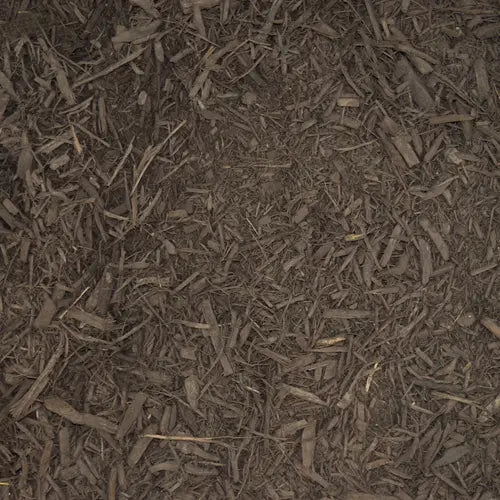
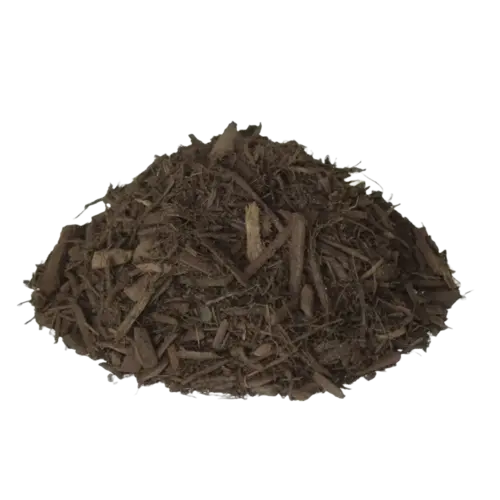
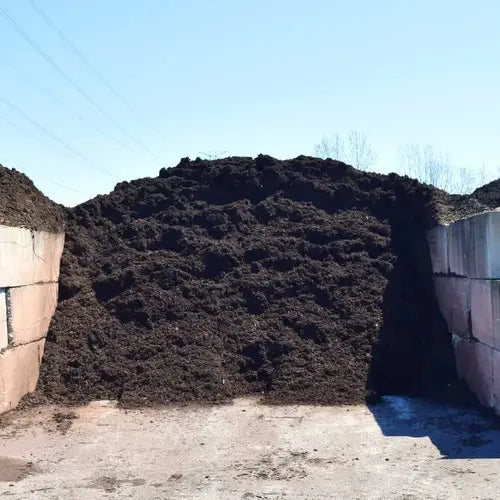
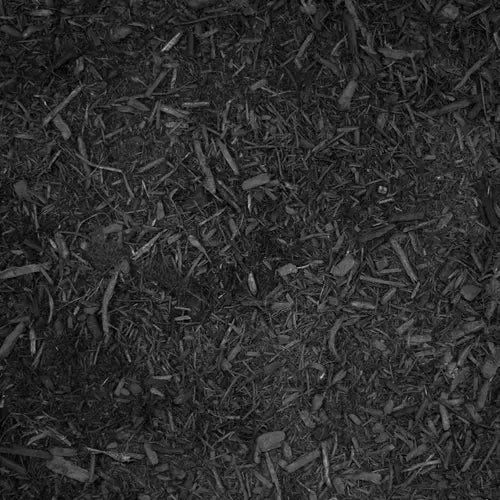
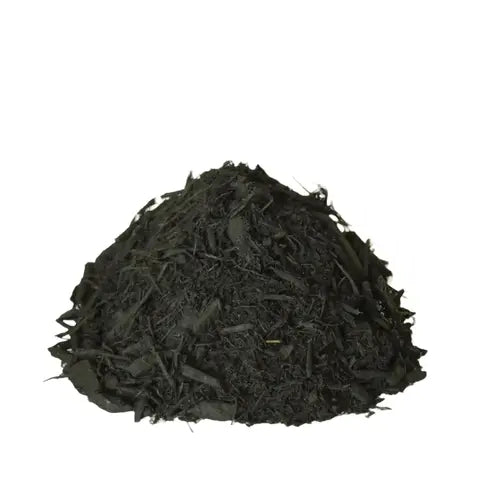
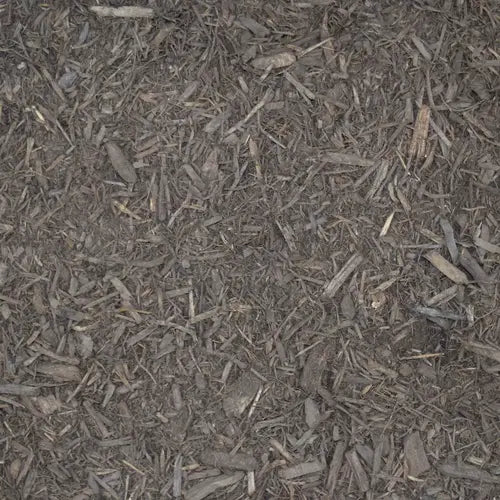
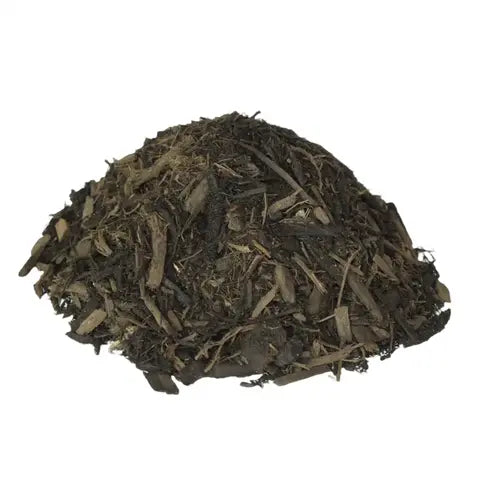
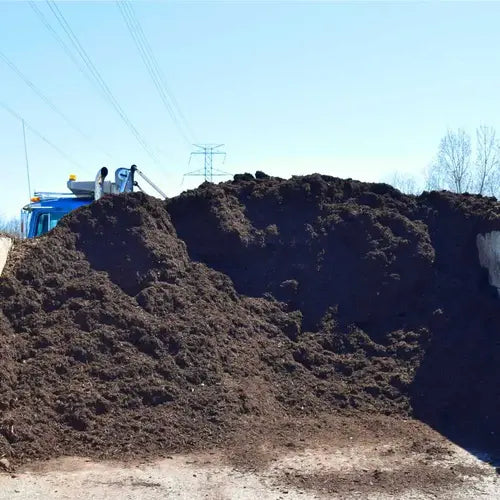
Double-shredded mulch dyed a rich, even brown that holds its color through the season.
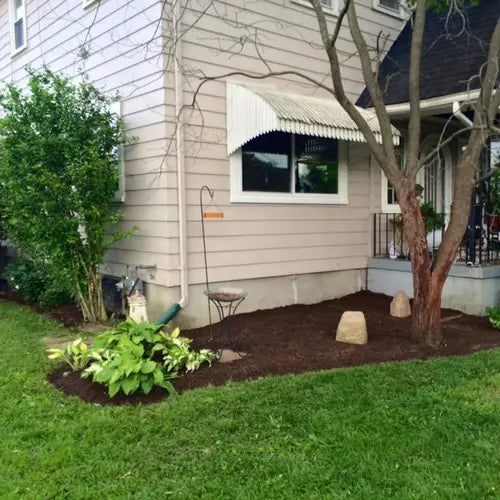
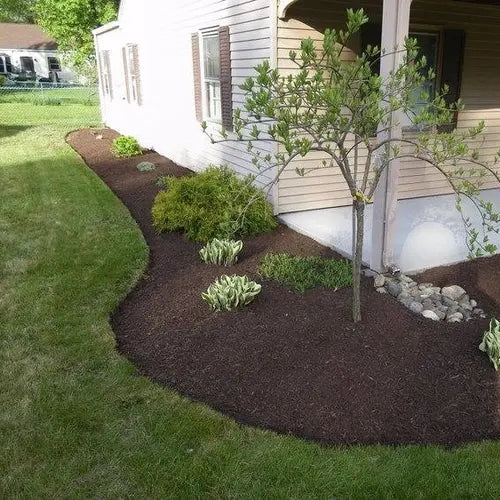
Easy to order, arrived when it was to arrive. Mulch was beautiful! Couldn’t be easier!
Tell us what you're looking for
Thanks! We received your request.
Something went wrong. Please try again.
How Much Material Do I Need?
How Much Material Do I Need?
For most San Francisco planting beds, a depth of two to three inches of mulch is ideal, providing enough insulation and weed suppression without smothering plant crowns. Pathways and play areas can go up to four inches for extra cushioning and longer-lasting coverage between refreshes.
Use our free mulch calculator
What is a yard?
What is a yard?
FAQs
FAQs
San Francisco Mulch Delivery
San Francisco Mulch Delivery
Regular price
$83.00
per
Yard
Regular price
Sale price
$83.00
Unit price
per
Shipping calculated at checkout.
Minimum of 3 Yard
Couldn't load pickup availability
Hand-picked local yards
4,000+ regional deliveries
Dedicated support
Why order through Mulch Mound
The best local , without the guesswork.
We hand-pick and partner with the best yards in your region, keep only the ones our buyers rate well, and back each load with our guarantee.
Mulch Mound Guarantee
If your isn't the quantity or quality you ordered, we'll make it right.
About this mulch
Double-shredded mulch dyed a rich, even brown that holds its color through the season.
Easy to order, arrived when it was to arrive. Mulch was beautiful! Couldn’t be easier!
How Much Material Do I Need?
How Much Material Do I Need?
For most San Francisco planting beds, a depth of two to three inches of mulch is ideal, providing enough insulation and weed suppression without smothering plant crowns. Pathways and play areas can go up to four inches for extra cushioning and longer-lasting coverage between refreshes.
Use our free mulch calculator
What is a yard?
What is a yard?
FAQs
FAQs
Tell us what you're looking for
Thanks! We received your request.
Something went wrong. Please try again.
How It Works
Getting started is easy — just follow these simple steps
1
Choose your Mulch
Make sure you adjust the quantity to your home's needs. You can use our calculator to estimate how much you'll need.
2
Select your delivery date
Select a delivery date you'd like for the product to be dropped off at your home
3
Sit back and wait
Sit back, wait, and let us work our magic to make sure the highest quality product is delivered to your driveway.

Great experience! Easy to order, they delivered promptly and were very respectful of the property! Ordered the triple shredded brown mulch and it w...
Read full review
Great experience! Easy to order, they delivered promptly and were very respectful of the property! Ordered the triple shredded brown mulch and it was EXACTLY what I wanted. Very clean product too, no garbage or filler. Already put these guys in my calendar to order from next year! Keep up the good work.

Website was easy to use. Mulch was delivered on time and exactly where specified. It makes our front yard look great just in time for spring!
Calculate mulch for your San Francisco project
For San Francisco's type of soil, we recommend 2-3 inches for best weed suppression and moisture retention
Try Our CalculatorMeasure the length and width of each planting area in feet and multiply them together to get square footage. Then decide on your mulch depth, typically two to three inches in San Francisco, and use our calculator to convert that into cubic yards. If your beds have irregular shapes, break them into rectangles, calculate each section separately, and add the totals together.
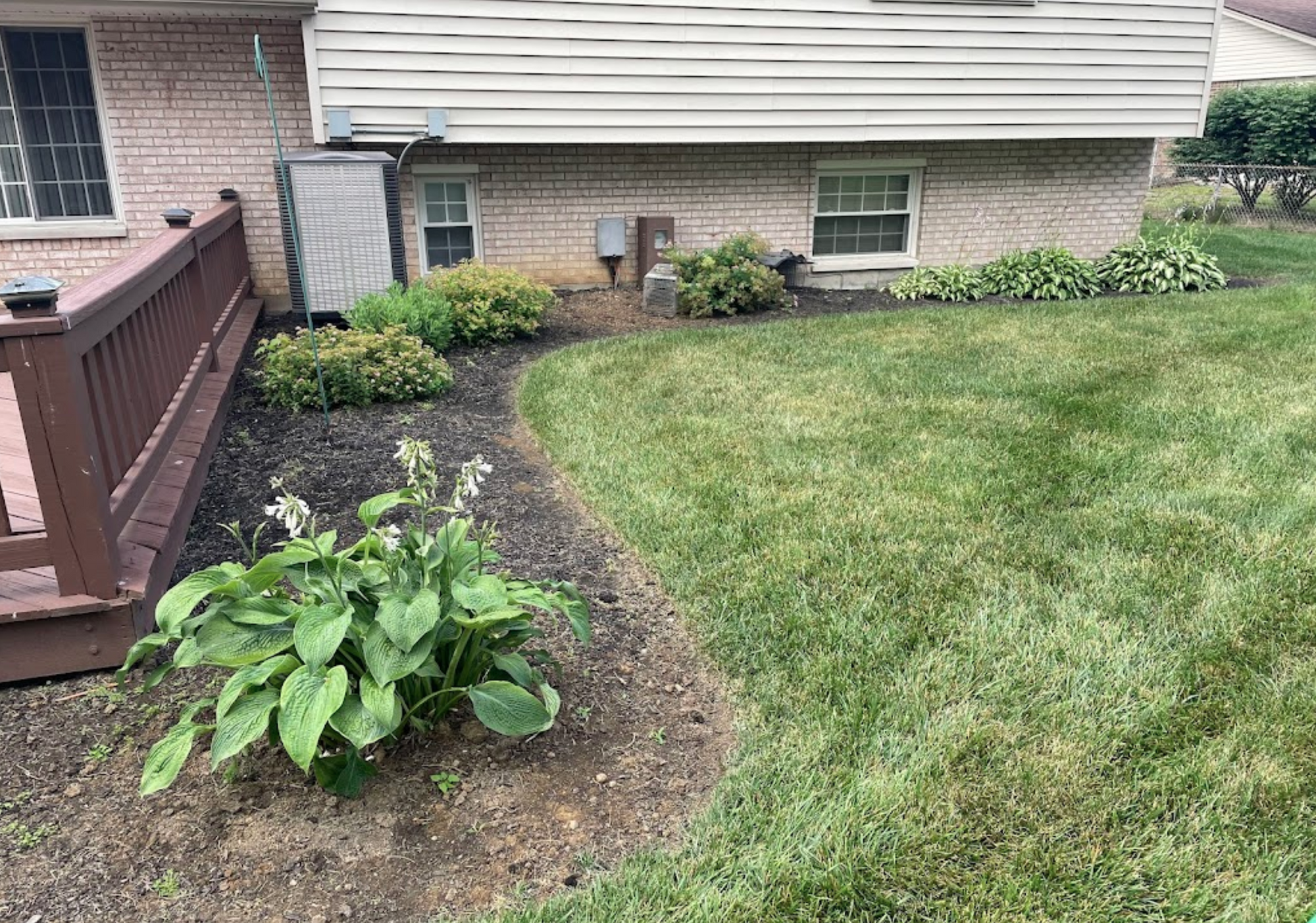

Best Mulch Choice for San Francisco Lawns
Most yards in the San Francisco area sit on type of soil. San Francisco's clay loam soil compacts easily under rain and foot traffic, which restricts root growth and slows drainage in planting beds. Layering organic mulch on top creates a buffer that absorbs the impact of rain and protects the soil structure underneath.
Hardwood Mulch
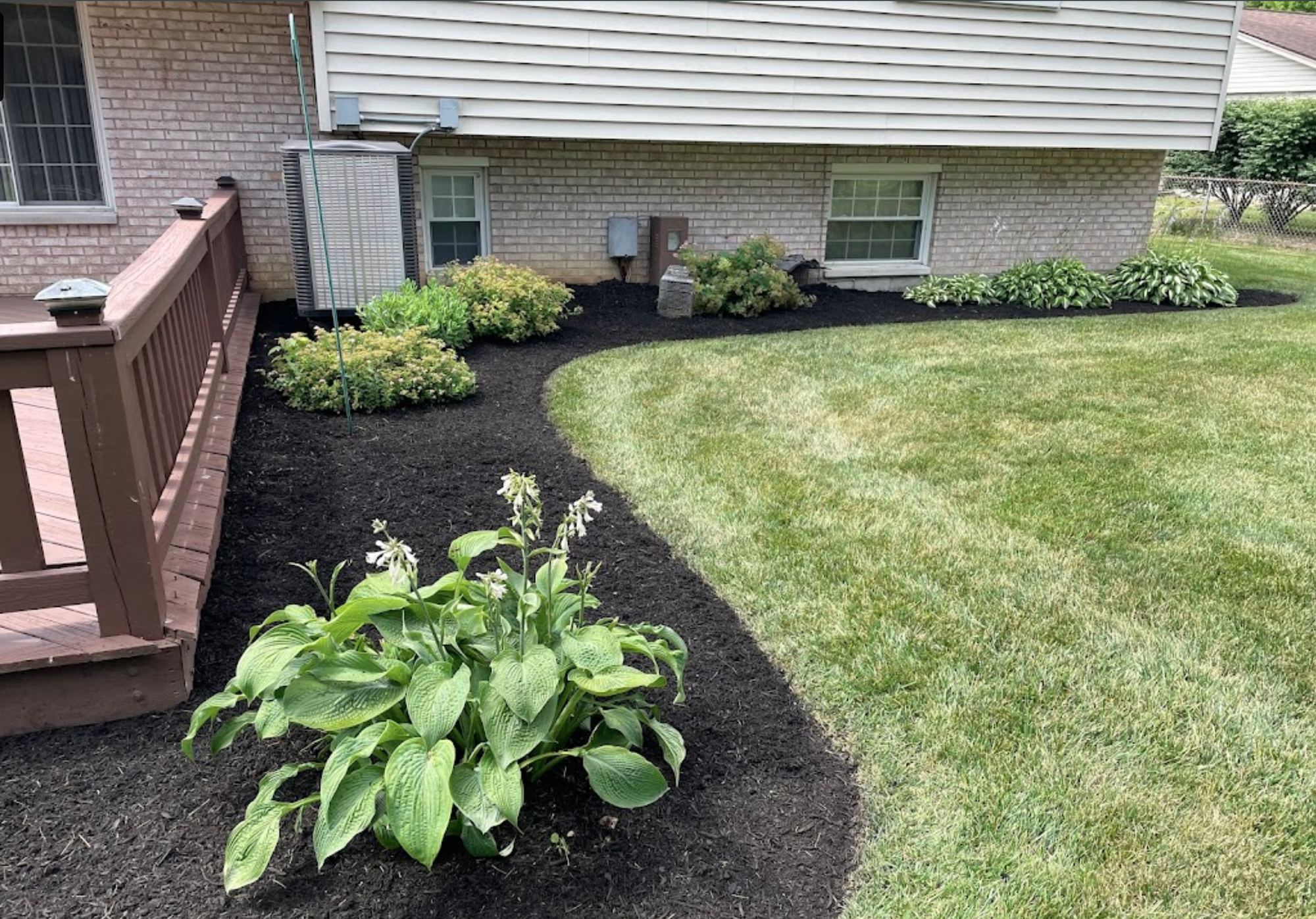
Hardwood mulch is a particularly good match for San Francisco's clay loam soil because as it decomposes it releases lignin and humus that bind clay particles into larger aggregates, gradually opening up pore space for better drainage and air movement. Over several seasons of consistent hardwood mulch application, many San Francisco gardeners notice that their previously sticky, slow-draining clay loam becomes noticeably more friable and easier to work with in both wet and dry conditions.
Complete Your Outdoor Mulch Project
Pair your mulch order with a quality garden soil or compost to amend those clay loam beds before you mulch over them for the best long-term results. Adding decomposed granite or crushed stone to pathways alongside mulched beds gives your San Francisco garden a clean, defined look.
Service area
Areas we deliver mulch in San Francisco, California
- Alamo, California
- Albany, California
- Atherton, California
- Blackhawk, California
- Cherryland, California
- Contra Costa Centre, California
- Corte Madera, California
- El Granada, California
- Emeryville, California
- Fairfax, California
- Fairview, California
- Half Moon Bay, California
- Hillsborough, California
- Kensington, California
- Kentfield, California
- Larkspur, California
- Lucas Valley-Marinwood, California
- Mill Valley, California
- Moraga, California
- North Fair Oaks, California
- Orinda, California
- Piedmont, California
- Pinole, California
- Rodeo, California
- San Anselmo, California
- San Miguel, California
- Saranap, California
- Sausalito, California
- Strawberry, California
- Tamalpais-Homestead Valley, California
- Tara Hills, California
- Tiburon, California
- Woodside, California
Mulch Mound Pro Tip
San Francisco's rainy season runs roughly from November through April, and this is actually a great time to lay fresh mulch. Applying a new layer just before the rains arrive helps lock in soil moisture as the ground rewets after summer, reduces the splash erosion that heavy rain can cause on bare clay loam soil, and gives the mulch time to begin breaking down and enriching the bed before spring planting season kicks off.
Mulch Mound Pro Tip
In neighborhoods like the Sunset or the Richmond that receive particularly heavy fog influence, watch for signs of fungal issues in densely planted beds. Keep mulch pulled slightly away from plant stems and crowns, and choose coarser mulch textures that allow airflow at the soil surface. This small adjustment makes a big difference in preventing the crown rot and mold problems that can develop when moisture lingers at the base of plants in San Francisco's coolest, foggiest microclimates.
Mulch Mound Pro Tip
If you are gardening in one of San Francisco's sunnier inland neighborhoods like Noe Valley, the Mission, or Bernal Heights, your soil dries out significantly faster than the western side of the city. In these spots, go with the full three-inch mulch depth and check soil moisture with your finger an inch below the mulch surface every week or two during summer. These neighborhoods can feel like a completely different climate from the coast, and your irrigation and mulch depth should reflect that difference.
The Unique Landscape of San Francisco
San Francisco's year-round mild temperatures and lack of hard freezes create ideal conditions for organic mulch to break down steadily throughout all twelve months. The city's clay loam soil tends to compact under foot traffic and the region's periodic heavy winter rains, making a protective layer of mulch essential for keeping planting beds loose and workable. With only about 24 inches of annual rainfall concentrated mostly between November and March, mulch helps retain soil moisture during the long dry summer stretch that San Francisco gardeners know well. Zone 10b plants like citrus, fuchsia, and subtropical ornamentals thrive when their root zones are insulated from the soil temperature swings that come with coastal fog and sun cycles. Mulching also suppresses the cool-season weeds that germinate aggressively in San Francisco's mild winters, saving hours of hand-pulling each year.