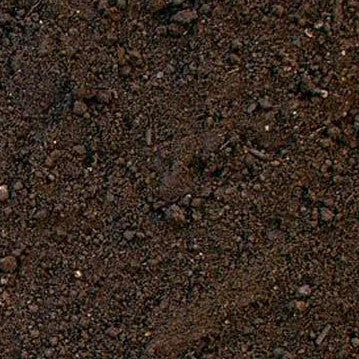
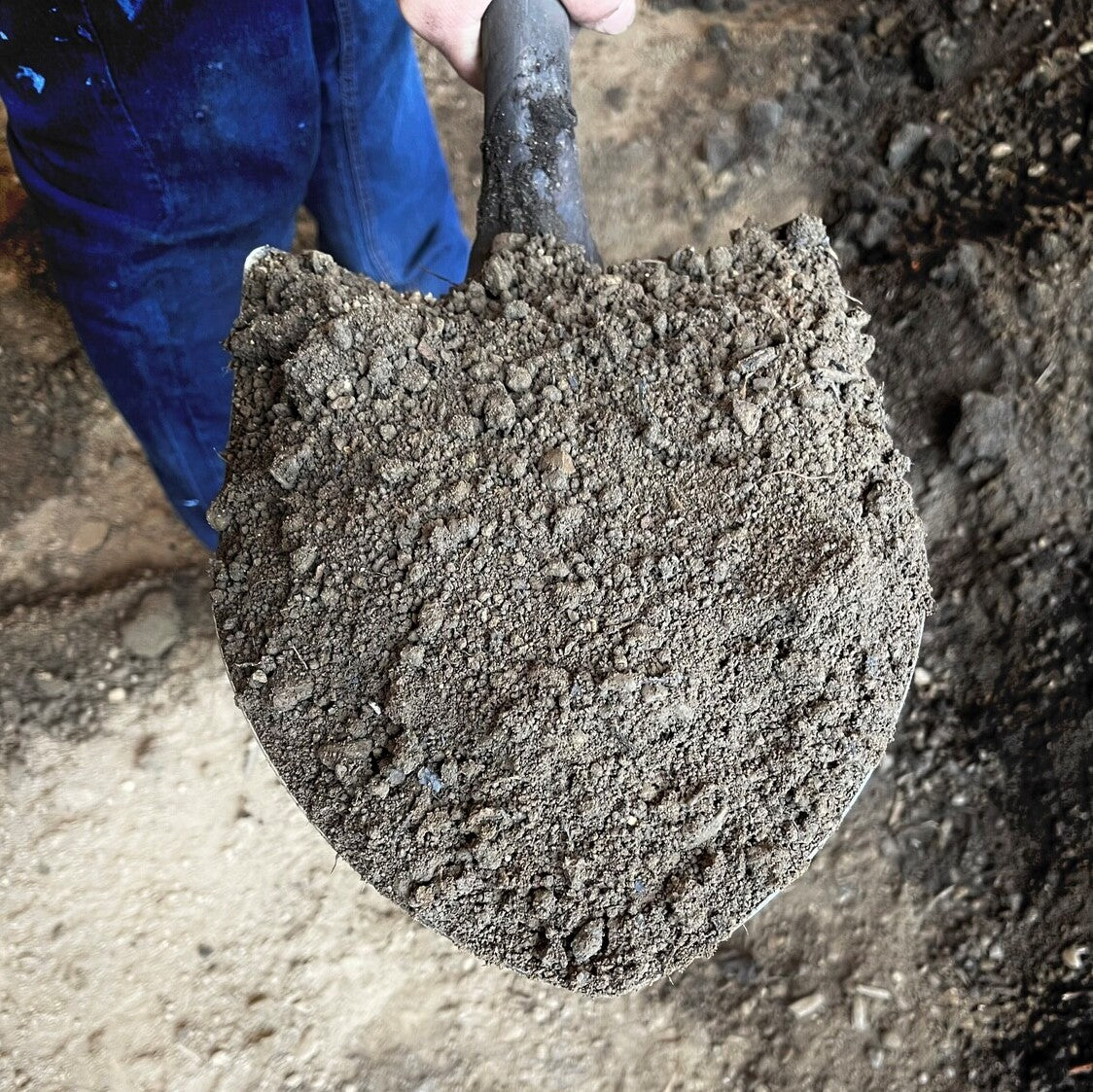
We got 3 yards of the gardening top soil. It was great quality, not many chunks and seems good for growing, just waiting for all my plants to love it.
We had more than enough soil to fill a raised bed we made and landscaped around a patio. I do wish we could do less tha...
Tell us what you're looking for
Thanks! We received your request.
Something went wrong. Please try again.
How Much Material Do I Need?
For in-ground bed amendments in San Francisco, plan to add at least four to six inches of quality soil mixed into the existing clay loam for meaningful improvement in drainage and plant performance. For new raised beds, fill to at least ten to twelve inches of depth to give roots the room they need to establish through multiple growing seasons.
Use our free soil calculator
What is a Yard?
A yard is approximately 27 cubic feet. As a general guideline, one yard of material can cover an area of about 100-160 square feet at a 2-3 inch depth.
We got 3 yards of the gardening top soil. It was great quality, not many chunks and seems good for growing, just waiting for all my plants to love it.
We had more than enough soil to fill a raised bed we made and landscaped around a patio. I do wish we could do less tha...
How Much Material Do I Need?
For in-ground bed amendments in San Francisco, plan to add at least four to six inches of quality soil mixed into the existing clay loam for meaningful improvement in drainage and plant performance. For new raised beds, fill to at least ten to twelve inches of depth to give roots the room they need to establish through multiple growing seasons.
Use our free soil calculator
What is a Yard?
A yard is approximately 27 cubic feet. As a general guideline, one yard of material can cover an area of about 100-160 square feet at a 2-3 inch depth.
We got 3 yards of the gardening top soil. It was great quality, not many chunks and seems good for growing, just waiting for all my plants to love ...
Read full review
We got 3 yards of the gardening top soil. It was great quality, not many chunks and seems good for growing, just waiting for all my plants to love it.
We had more than enough soil to fill a raised bed we made and landscaped around a patio. I do wish we could do less than 3 yds delivered but I understand the limitations.
My only concern was we requested it on the top left of our driveway since we had mulch on the other side, they ended up pouring it on top of the mulch (it was covered with a tarp so not ruined) making it difficult to complete our landscaping in a timely fashion.
Start by measuring the length and width of the area you need to fill in feet, then decide on the depth of soil you want to add, typically six to twelve inches for planting beds. Multiply length by width by depth in feet and divide by 27 to convert to cubic yards. For raised beds, calculate the interior dimensions of the frame since that is the actual volume you need to fill.
Complete Your Outdoor Soil Project
Top your freshly placed soil with a layer of organic mulch to protect it from San Francisco's winter rains and summer drying cycles, extending the life of your amendment work significantly. Adding decomposed granite or stone edging around your beds keeps the soil contained and gives your landscape a polished, finished appearance.
Service area
Areas we deliver soil in San Francisco, California
My San Francisco backyard has dense clay that stays soggy all winter. What kind of soil should I add?
For a yard that holds water through the rainy season, you want a well-amended garden mix that contains both compost and coarser particles like sand or perlite to open up drainage channels in your existing clay loam. Simply adding topsoil on top of dense clay without tilling it in can create a layered drainage problem, so plan to mix the new material into at least the top six to eight inches of your existing soil for the best results.
Answer
Can I use bulk soil to build up a raised vegetable garden area on my San Francisco flat or rooftop?
Absolutely, and raised beds are actually one of the most popular gardening approaches in San Francisco precisely because they sidestep the clay loam drainage issues entirely. For rooftop or deck gardens, look for a lightweight garden mix with a high compost ratio that delivers nutrients without excessive weight. For ground-level raised beds, a blend of quality topsoil and compost gives you the structure and fertility that Zone 10b vegetable gardens need to produce all year long.
Answer
How much soil will I need to bring my backyard beds up to a good growing depth?
Most gardening experts recommend at least twelve inches of workable soil depth for vegetables and most ornamentals. If your existing clay loam is only functional in the top four to six inches, you may need to add six to eight inches of amended soil to reach that target. Use our calculator to measure your square footage and factor in that depth, and remember to account for settling since fresh soil typically compresses by about ten to fifteen percent over the first few months.
Answer
Will the fog and cool summers in San Francisco affect how quickly my new soil warms up in spring?
San Francisco's marine influence does keep soil temperatures cooler than you might expect for Zone 10b, particularly on the western side of the city. Dark, compost-rich soil absorbs heat more efficiently than pale sandy mixes, which helps it warm faster under spring sun. Raised beds also warm up faster than in-ground soil because they heat from the sides as well as the top, which is one reason they are so effective for warm-season crops in foggy neighborhoods.
Answer
My front yard gets almost no direct sun because of fog and tall buildings. Is there a soil mix that helps shade-tolerant plants thrive?
Shade gardening in San Francisco is very common, and the key is a soil that drains consistently without drying out completely between the rare sunny days. A mix with a strong compost component retains moisture longer than pure topsoil, which helps shade plants like ferns, hostas, and impatiens stay hydrated without sitting in standing water. Avoid heavy clay-based mixes in low-light areas because slow evaporation plus poor drainage is a recipe for root problems.
Answer
Are there any soil concerns specific to older San Francisco properties when I am digging or amending?
Yes, this is an important consideration for many San Francisco homeowners. Properties built before 1978 can have lead-contaminated soil near foundations or painted structures, and some older industrial or commercial areas of the city have documented soil contamination. If you have any concerns about your site history, a simple soil test is worthwhile before you plant edibles. Adding clean imported topsoil or garden mix can also serve as a practical barrier layer when building raised beds over soil of uncertain origin.
Answer
What is the difference between topsoil and garden mix, and which one should I order for San Francisco conditions?
Topsoil is a natural mineral soil used primarily for grading, filling low spots, and building up lawn areas. Garden mix is a blended product that typically combines topsoil with compost and other organic amendments to create a nutrient-rich growing medium. For San Francisco's clay loam conditions, garden mix is usually the better choice for planting beds and vegetable gardens because the added organic matter directly addresses the drainage and compaction challenges that native soil presents. Topsoil is better suited for leveling projects where planting density is low.
Mulch Mound Pro Tip
San Francisco's rainy season delivers most of the city's annual 24 inches of rainfall in a concentrated five-month window. If you are adding soil to sloped areas or raised planting beds before the rains arrive, take a few minutes to create small berms or level terraces that direct water into the bed rather than allowing it to sheet off and carry your new soil with it. A little shaping work in October saves a lot of frustration in January.
Mulch Mound Pro Tip
Because San Francisco has no killing frost, cool-season crops like kale, chard, lettuce, and broccoli can be grown almost continuously through the winter months. To support back-to-back planting cycles, refresh your garden beds with a thin top-dressing of compost or rich garden mix between each crop rotation rather than waiting for the soil to become visibly depleted. This keeps the biological activity and nutrient levels high enough to support the productive year-round growing calendar that Zone 10b makes possible.
Mulch Mound Pro Tip
San Francisco's microclimates vary dramatically from one neighborhood to the next, and your soil management should reflect that. Gardeners in the foggy Outer Sunset may need to focus on improving drainage and air circulation in the soil, while those in the sunnier Mission District face the opposite challenge and should prioritize water retention through compost-heavy mixes. When choosing your soil blend, think about your specific neighborhood's sun and fog patterns rather than treating the whole city as a single growing environment.
The Unique Landscape of San Francisco
San Francisco's native clay loam soil is workable but comes with real limitations for home gardeners and landscapers trying to establish productive planting beds. The clay fraction drains slowly during the rainy season and can leave roots waterlogged from December through March, while the same soil bakes hard and cracks during the city's long rainless summer. Amending with quality garden soil or topsoil helps correct both extremes by improving drainage in winter and water retention during the dry months. Because San Francisco sits in Zone 10b, gardeners here grow an unusually wide range of plants year-round, from cool-season vegetables in January to subtropical ornamentals in summer, and each has specific soil needs. Investing in the right soil sets the foundation for everything from edible gardens in the backyard to ornamental borders lining the city's iconic painted lady front yards.