Good quality, great price, fast delivery. All online - no submitting forms and waiting for days for quotes. Getting mulch should be this easy from everyone. Only Mulch Mound is ACTUALLY this simple.
Tell us what you're looking for
Thanks! We received your request.
Something went wrong. Please try again.
How Much Material Do I Need?
Most Santa Rosa planting beds and tree rings do best with 3 to 4 inches of mulch applied in late spring before the heat builds. A single cubic yard of mulch covers approximately 100 square feet at 3 inches deep, which is a useful starting point for estimating your order.
Use our free mulch calculator
What is a yard?
A yard is approximately 27 cubic feet. As a general guideline, one yard of material can cover an area of about 100-160 square feet at a 2-3 inch depth.
Good quality, great price, fast delivery. All online - no submitting forms and waiting for days for quotes. Getting mulch should be this easy from everyone. Only Mulch Mound is ACTUALLY this simple.
How Much Material Do I Need?
Most Santa Rosa planting beds and tree rings do best with 3 to 4 inches of mulch applied in late spring before the heat builds. A single cubic yard of mulch covers approximately 100 square feet at 3 inches deep, which is a useful starting point for estimating your order.
Use our free mulch calculator
What is a yard?
A yard is approximately 27 cubic feet. As a general guideline, one yard of material can cover an area of about 100-160 square feet at a 2-3 inch depth.
Good quality, great price, fast delivery. All online - no submitting forms and waiting for days for quotes. Getting mulch should be this easy fr...
Read full review
Good quality, great price, fast delivery. All online - no submitting forms and waiting for days for quotes. Getting mulch should be this easy from everyone. Only Mulch Mound is ACTUALLY this simple.
I highly recommend Mulch Mound. The quality of the mulch is very good. The ordering system on their website makes it very easy. The delivery driver...
Read full review
I highly recommend Mulch Mound. The quality of the mulch is very good. The ordering system on their website makes it very easy. The delivery driver did a great job placing the mulch on the driveway. To finish off, the pricing was very reasonable as well.
They offered a quick turnaround and delivered high quality mulch at a reasonable price. They also dropped it off exactly where I told them to put i...
Read full review
They offered a quick turnaround and delivered high quality mulch at a reasonable price. They also dropped it off exactly where I told them to put it. Good service!
Measure the length and width of each planting bed or tree ring in feet, multiply them together to get square footage, then use our calculator to convert that into cubic yards at your chosen depth. For Santa Rosa's typical summer heat, we suggest planning for at least 3 inches of depth to get meaningful moisture retention through the dry season. If your property has multiple separate beds, calculate each one individually and add the totals together for your final order.
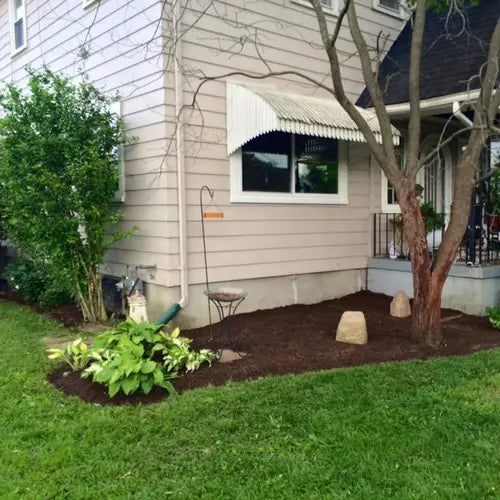
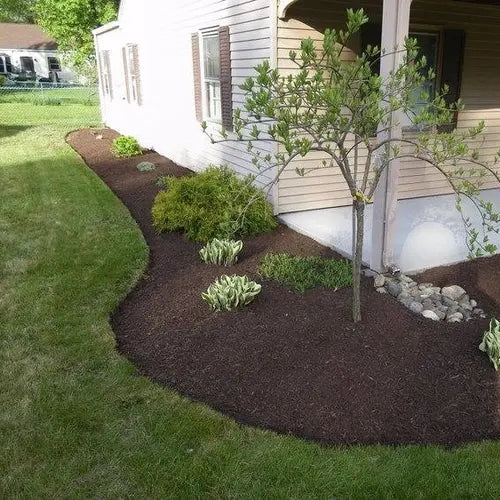
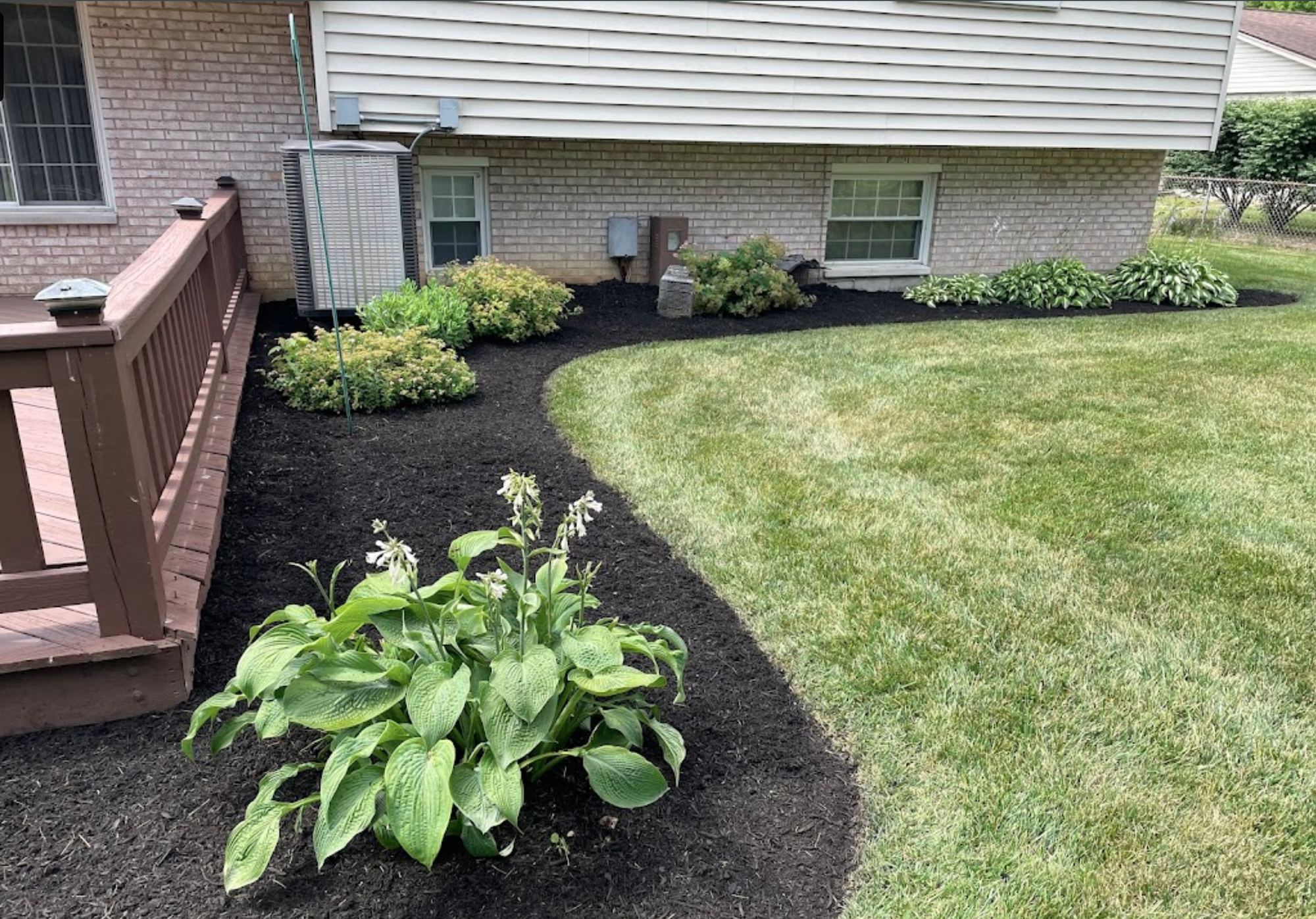
Mulch vs. No Mulch: The Difference
In Santa Rosa's dry Mediterranean climate, organic mulch holds up surprisingly well through summer because the lack of humidity slows the microbial breakdown that happens quickly in wetter regions. However, the intense heat of Sonoma County summers does eventually degrade mulch from the top down, so checking depth in late summer before fall planting is a good habit. Non-organic options like decomposed granite or rubber mulch will not improve your soil over time, which matters in Santa Rosa where alluvial soils benefit from consistent organic matter additions.
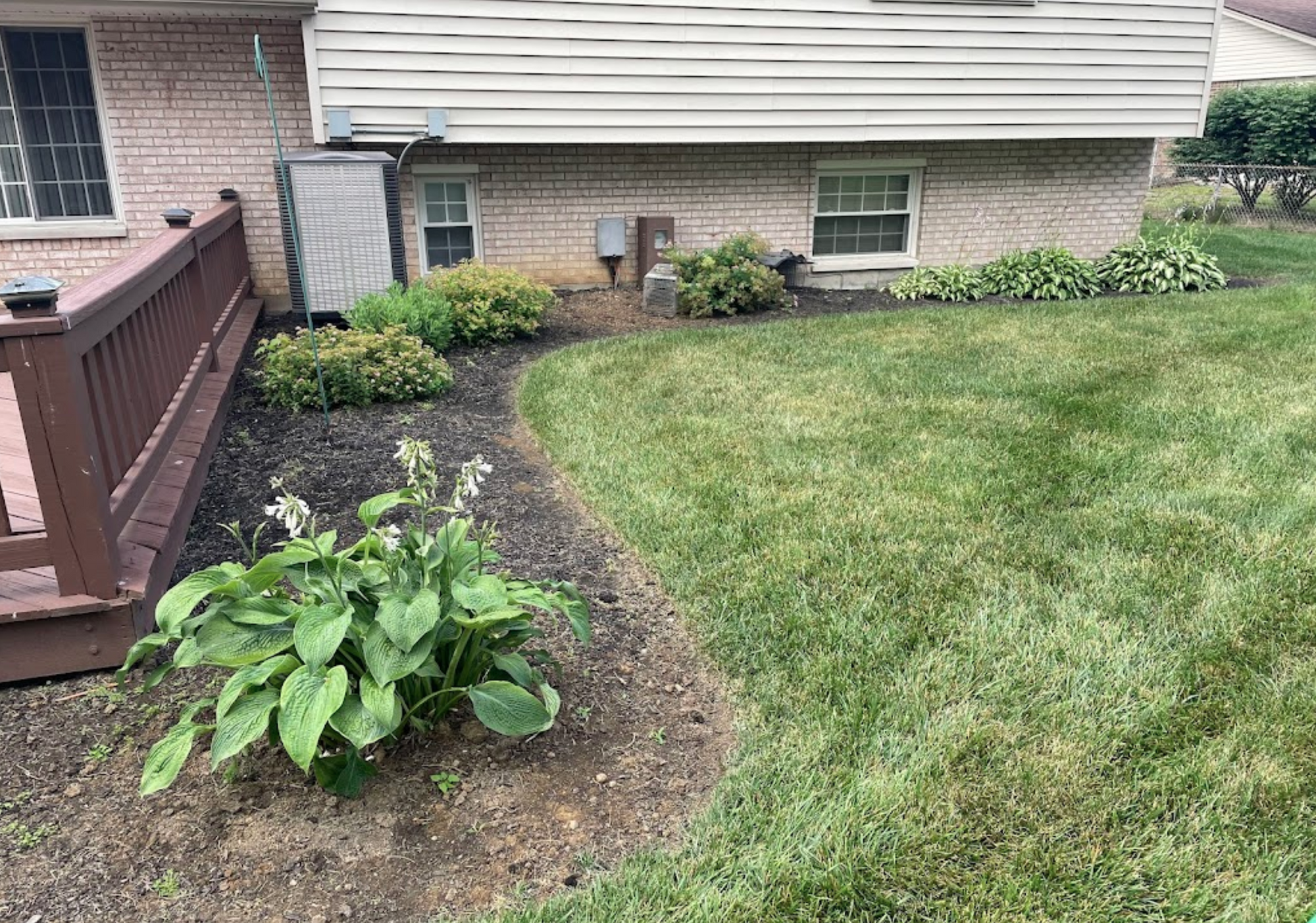
Before
After
Best Mulch Choice for Santa Rosa Lawns
Most yards in the Santa Rosa area sit on type of soil. Santa Rosa's alluvial soils drain freely, which is great for root aeration but means nutrients and moisture move downward faster than in heavier soils. Planting beds in alluvial soil benefit especially from organic mulch that breaks down over time and deposits humus into the upper soil layer, improving both water retention and nutrient availability.
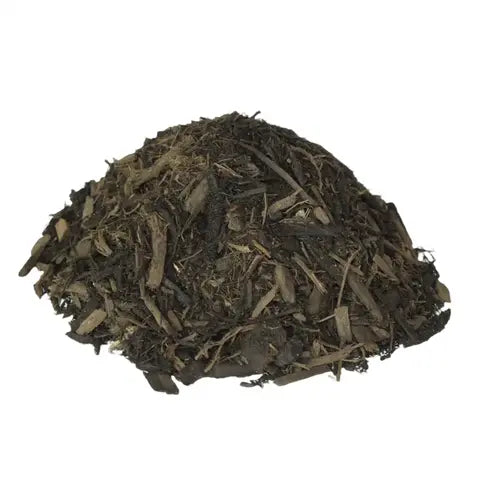
Hardwood Mulch
Hardwood mulch is a particularly good match for Santa Rosa's alluvial soil because it decomposes into rich humus that binds with the sandy alluvial particles and creates a more moisture-retentive growing medium. Over two to three seasons of regular mulch applications, alluvial garden beds in Santa Rosa develop noticeably better soil texture and require less frequent deep watering to keep plants healthy.
Complete Your Outdoor Mulch Project
Pair your mulch order with a delivery of quality garden soil to refresh tired planting beds before laying mulch on top. Adding a base layer of amended soil beneath your mulch creates a complete foundation that supports healthy root growth through Santa Rosa's long dry season.
Apply your mulch in April before Santa Rosa temperatures consistently climb into the 80s and 90s. If you wait until June to mulch, the soil has already dried and warmed significantly and your mulch will be playing catch-up rather than locking in spring moisture. Getting the timing right means your irrigation system works far more efficiently all the way through October when the rains finally return to Sonoma County.
Mulch Mound Pro Tip
Santa Rosa's urban tree canopy is full of mature oaks, and if you have them in your yard, keep mulch from touching the root crown. Oak root fungus is present in Sonoma County soils and a moist mulch layer pressed against trunk bases can create conditions that encourage it. A donut-shaped mulch ring that stays a few inches clear of the bark gives you all the moisture and temperature benefits without putting your trees at risk.
Mulch Mound Pro Tip
If your Santa Rosa property slopes toward the street or a neighbor's fence, choose a chunkier bark nugget or wood chip product rather than a fine shredded mulch. During the heavy rain events that roll through Sonoma County between December and February, fine mulch can sheet off slopes and clog gutters or wash into storm drains. A larger-particle product interleaves itself and stays put far better when winter storms arrive.
Frequently Asked Questions
Click a question to see the answer
Answer
How thick should I apply mulch around my fruit trees in Santa Rosa?
For fruit trees growing in Santa Rosa's hot, dry summers, aim for a 3 to 4 inch layer spread from just outside the trunk flare out to the drip line. This depth creates enough of a moisture barrier to meaningfully reduce how often you need to irrigate through July and August. Keep mulch pulled a few inches back from the trunk itself to prevent rot and discourage the bark beetles that are active in Sonoma County during warm months.
Answer
Will mulch help my plants survive if we get a late frost in March or early April?
Santa Rosa's last frost typically falls around March 31, so late-season cold snaps are a real concern for early-planted vegetables and tender perennials. A 2 to 3 inch mulch layer over root zones acts as insulation, moderating soil temperature swings and helping roots survive a cold night better than bare soil would. For above-ground plant protection during a frost event, mulch alone is not enough and you should also use frost cloth on vulnerable plants.
Answer
I have alluvial soil in my yard. Does that change which mulch I should pick?
Santa Rosa's alluvial soils tend to be relatively loose and well-draining, which is great for roots but means moisture moves through quickly. Wood-based mulches like shredded hardwood or cedar are excellent choices because as they slowly decompose they add organic matter that helps alluvial soil retain more water and nutrients over time. Avoid very fine mulches on alluvial soil in sloped areas since they can compact and shed water rather than absorbing it.
Answer
How often do I need to top off mulch given Santa Rosa's climate?
Because Santa Rosa summers are hot and dry rather than hot and humid, organic mulch on the surface breaks down more slowly than it would in coastal fog-heavy areas or rainy climates. Most homeowners find a single good application in April or May lasts through the dry season, with a light top-off of about an inch added in the fall before the rains begin. If you are using a finer shredded material it may need topping off slightly sooner than a chunkier bark product.
Answer
Is rubber mulch a good idea for playgrounds and play areas here?
Rubber mulch works well for play areas in Santa Rosa because it does not break down, does not attract the yellow jackets that can be aggressive here in late summer, and stays in place during the heavy rain events that hit Sonoma County in winter. The trade-off is that rubber does not improve soil health the way organic mulches do, so it is best reserved for areas where you are not trying to grow plants. It also gets quite hot to the touch during Santa Rosa's peak summer afternoons, which is worth considering for younger children's play spaces.
Answer
Can I use mulch to help with the muddy spots in my yard after winter rains?
After a wet Sonoma County winter, low-lying areas in Santa Rosa yards can stay muddy and compacted well into spring. A generous layer of wood chip or bark mulch over these trouble spots can improve drainage by keeping foot traffic from pressing the soil down further and by adding organic structure that opens up the soil over time. For very severe drainage problems, mulch is a helpful part of the solution but you may also want to consider grading or adding a French drain before mulching over the area.
Answer
What mulch works best under my California native plants?
California native plants like toyon, ceanothus, and manzanita that are popular in Santa Rosa gardens thrive with a 2 to 3 inch layer of shredded wood or bark mulch that mimics the natural leaf litter of their native habitat. Avoid dyed or heavily processed mulch products near natives since they are adapted to more natural soil conditions. A native-friendly mulch also helps maintain the slightly lean, well-drained soil conditions these plants prefer rather than adding too many excess nutrients.
The Unique Landscape of Santa Rosa
Santa Rosa sits in Sonoma County's wine country corridor where Mediterranean summers bake the soil hard and dry from June through October. With only 33 inches of rain falling almost entirely between November and March, the ground around your plants spends months without meaningful moisture replenishment. A thick layer of mulch applied in late spring acts as an insulating blanket, slowing evaporation so roots can survive the long dry season without constant irrigation. Santa Rosa's alluvial soils, deposited over centuries by seasonal creek flooding, drain quickly and warm up fast, which means bare soil loses moisture even faster here than in heavier clay regions. Mulching garden beds and tree rings is genuinely one of the highest-impact things a Santa Rosa homeowner can do for plant health and water bills. The dry heat also means organic mulches break down more slowly on the surface than in humid climates, giving you a longer-lasting protective layer before reapplication is needed.