




Good quality top soil and was delivered exactly where I wanted it. Nice Job!
About this soil
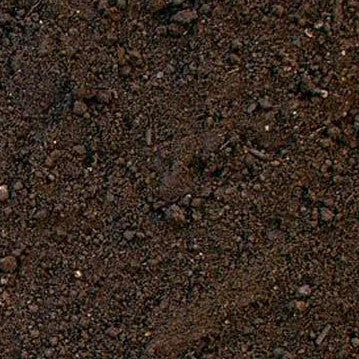
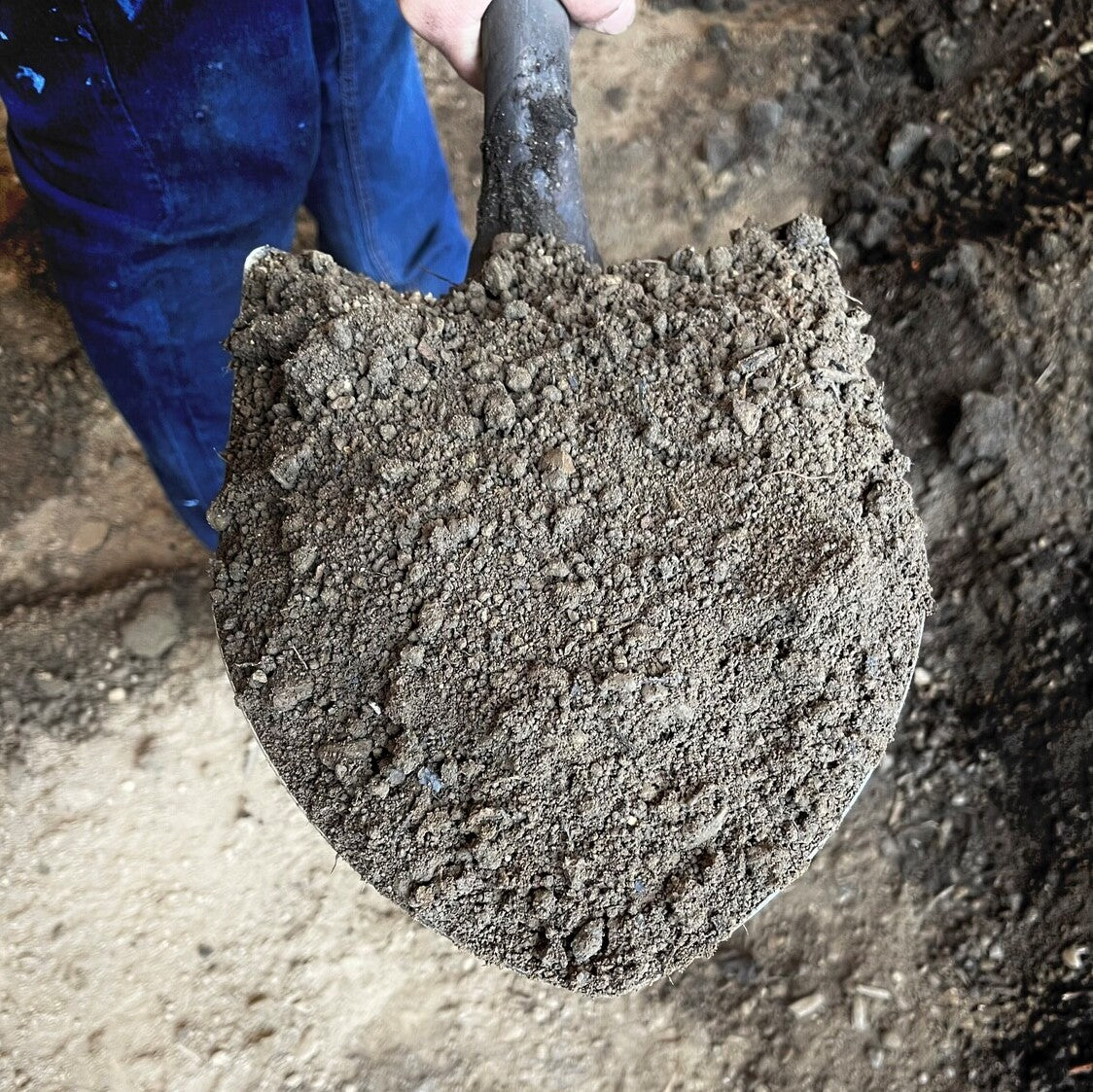
Screened topsoil with a fine, even texture. Ideal for new lawns, sod prep, and raised garden beds.
Good quality top soil and was delivered exactly where I wanted it. Nice Job!
Tell us what you're looking for
Thanks! We received your request.
Something went wrong. Please try again.
How Much Material Do I Need?
How Much Material Do I Need?
Most Santa Rosa planting beds benefit from 4 to 6 inches of quality soil added on top of existing ground, while raised beds typically need 10 to 12 inches of total depth to support productive vegetable growing through the long Zone 9a season. Lawn topdressing applications are much shallower, generally ranging from a quarter inch to half an inch spread evenly across the surface.
Use our free soil calculator
What is a Yard?
What is a Yard?
FAQs
FAQs
Santa Rosa Soil Delivery
Santa Rosa Soil Delivery
Regular price
$83.00
per
Yard
Regular price
Sale price
$83.00
Unit price
per
Shipping calculated at checkout.
Minimum of 3 Yard
Couldn't load pickup availability
Not currently available
We can't take orders for this right now. Tell us what you need and we'll get back to you.
Hand-picked local yards
4,000+ regional deliveries
Dedicated support
Why order through Mulch Mound
The best local , without the guesswork.
We hand-pick and partner with the best yards in your region, keep only the ones our buyers rate well, and back each load with our guarantee.
Mulch Mound Guarantee
If your isn't the quantity or quality you ordered, we'll make it right.
About this soil
Screened topsoil with a fine, even texture. Ideal for new lawns, sod prep, and raised garden beds.
Good quality top soil and was delivered exactly where I wanted it. Nice Job!
How Much Material Do I Need?
How Much Material Do I Need?
Most Santa Rosa planting beds benefit from 4 to 6 inches of quality soil added on top of existing ground, while raised beds typically need 10 to 12 inches of total depth to support productive vegetable growing through the long Zone 9a season. Lawn topdressing applications are much shallower, generally ranging from a quarter inch to half an inch spread evenly across the surface.
Use our free soil calculator
What is a Yard?
What is a Yard?
FAQs
FAQs
Tell us what you're looking for
Thanks! We received your request.
Something went wrong. Please try again.
How It Works
Getting started is easy — just follow these simple steps
1
Choose your soil
Make sure you adjust the quantity to your home's needs. You can use our calculator to estimate how much you'll need.
2
Select your delivery date
Select a delivery date you'd like for the product to be dropped off at your home
3
Sit back and wait
Sit back, wait, and let us work our magic to make sure the highest quality product is delivered to your driveway.

Online ordering was really simple and I liked the transparent pricing.

Easy to order, great service, and great product. We enjoy the final look of a very neglected beds we inherited!
Need Help Calculating How Much Soil You Need?
Use our NEW Trace from Satellite tool to get an estimate for your project based on an aerial view of your property
Try Our CalculatorTo estimate soil volume, multiply the length by the width of your area in feet, then multiply that number by your intended soil depth in feet, and divide the result by 27 to convert cubic feet to cubic yards. For example, a 200 square foot planting area filled to 6 inches deep needs roughly 3.7 cubic yards of soil. When in doubt, add 10 percent to your estimate to account for settling and minor overages at the edges.
Complete Your Outdoor Soil Project
Finish your soil project with a top dressing of mulch to lock in moisture and protect the fresh soil surface through Santa Rosa's dry summer months. You might also consider adding decorative stone edging around planting beds to keep soil contained during the winter rain season.
Service area
Areas we deliver soil in Santa Rosa, California
Mulch Mound Pro Tip
In Santa Rosa, the best time to refresh or add soil to planting beds is late February through early April, right as the rains are tapering and temperatures are still mild. Working soil when it is moist but not saturated is much easier on your body and on the soil structure itself. Avoid turning or placing soil during the peak of a wet storm period, as working wet soil destroys the pore structure you are trying to build.
Mulch Mound Pro Tip
If you are building new raised beds in a Santa Rosa backyard that gets full afternoon sun, know that your soil will lose moisture faster than a shaded bed and will also warm to higher temperatures in summer. In those conditions, choosing a soil blend with a higher compost content, ideally 30 to 40 percent organic matter, will help buffer both the heat and the moisture swings that Zone 9a full-sun gardens experience from June through September.
Mulch Mound Pro Tip
Santa Rosa gardeners who add soil around established trees should be careful not to raise the soil grade against the trunk. Burying the trunk flare, even by just a few inches, can cause long-term damage to mature trees and encourages fungal problems that are more common in Sonoma County's warm, wet winter conditions. Keep new soil pulled back at least 12 inches from any tree trunk and slope it gently away from the base.
The Unique Landscape of Santa Rosa
Santa Rosa's native alluvial soil is a mixed blessing for gardeners and landscapers. It drains well and warms up quickly in spring, which benefits early planting, but it also loses moisture fast during the long dry season that stretches from June through October. Depending on where you are in the city, your soil might range from sandy loam near creek corridors to clay-influenced fill in newer subdivisions built on graded terrain. Adding quality imported soil or soil amendments is often the fastest way to create productive growing conditions rather than spending years trying to amend difficult native ground. For raised beds, lawn renovations, or large planting projects in Santa Rosa, bringing in the right volume of quality soil from the start saves significant time, water, and frustration. Growing Zone 9a means the season is long and plants are actively drawing nutrients from soil for most of the year, so soil quality has an outsized impact on how your landscape performs.