Good quality, great price, fast delivery. All online - no submitting forms and waiting for days for quotes. Getting mulch should be this easy from everyone. Only Mulch Mound is ACTUALLY this simple.
Tell us what you're looking for
Thanks! We received your request.
Something went wrong. Please try again.
How Much Material Do I Need?
Plan for three to four inches of mulch depth across planting beds and two to three inches around established trees. Fresh installs on bare silt loam soil benefit from the full four inch depth to protect against Southaven's heavy spring rains.
Use our free mulch calculator
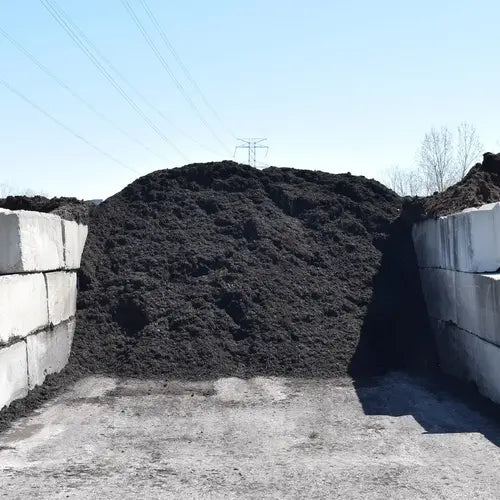
What is a yard?
A yard is approximately 27 cubic feet. As a general guideline, one yard of material can cover an area of about 100-160 square feet at a 2-3 inch depth.
Good quality, great price, fast delivery. All online - no submitting forms and waiting for days for quotes. Getting mulch should be this easy from everyone. Only Mulch Mound is ACTUALLY this simple.
How Much Material Do I Need?
Plan for three to four inches of mulch depth across planting beds and two to three inches around established trees. Fresh installs on bare silt loam soil benefit from the full four inch depth to protect against Southaven's heavy spring rains.
Use our free mulch calculator
What is a yard?
A yard is approximately 27 cubic feet. As a general guideline, one yard of material can cover an area of about 100-160 square feet at a 2-3 inch depth.
Good quality, great price, fast delivery. All online - no submitting forms and waiting for days for quotes. Getting mulch should be this easy fr...
Read full review
Good quality, great price, fast delivery. All online - no submitting forms and waiting for days for quotes. Getting mulch should be this easy from everyone. Only Mulch Mound is ACTUALLY this simple.
I highly recommend Mulch Mound. The quality of the mulch is very good. The ordering system on their website makes it very easy. The delivery driver...
Read full review
I highly recommend Mulch Mound. The quality of the mulch is very good. The ordering system on their website makes it very easy. The delivery driver did a great job placing the mulch on the driveway. To finish off, the pricing was very reasonable as well.
They offered a quick turnaround and delivered high quality mulch at a reasonable price. They also dropped it off exactly where I told them to put i...
Read full review
They offered a quick turnaround and delivered high quality mulch at a reasonable price. They also dropped it off exactly where I told them to put it. Good service!
Measure the length and width of each bed in feet, then multiply by your intended depth in inches and divide by 324 to get the cubic yards needed. Southaven beds with established shrubs often have irregular shapes, so break odd areas into simple rectangles and add the totals together. It is better to round up by half a yard than to run short midway through a project.
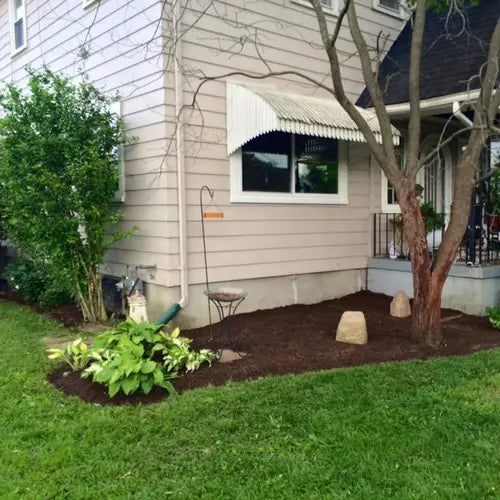
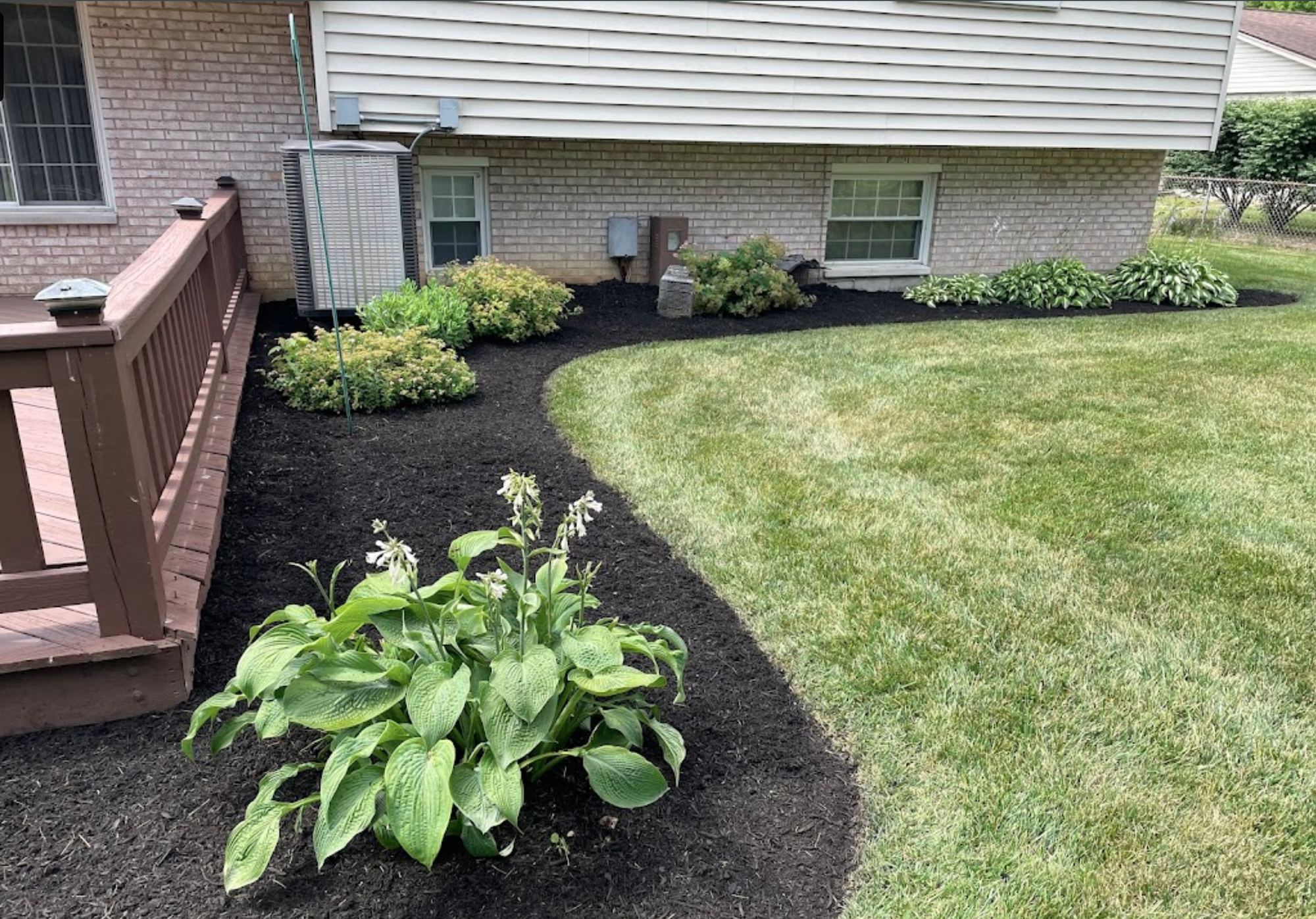
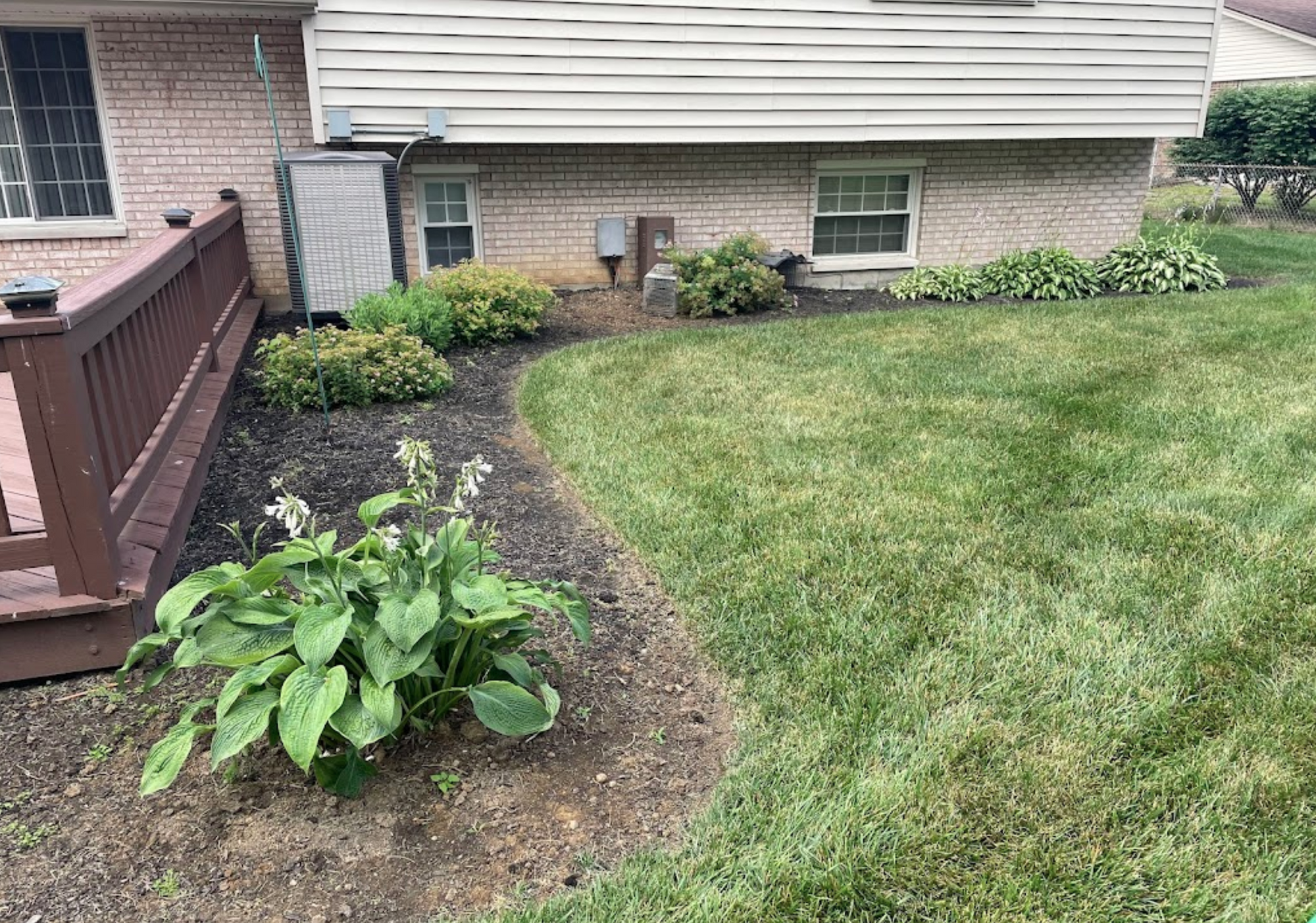
Mulch vs. No Mulch: The Difference
Southaven's combination of 54 inches of annual rainfall, Zone 7b heat, and high summer humidity means organic mulch breaks down faster here than it would in cooler or drier climates. That decomposition cycle is not a bad thing because it feeds your silt loam soil with organic matter, but it does mean you need to replenish coverage more often than a homeowner in a northern state would. Planning two top off applications per year, one in early spring and one in fall, keeps your beds consistently protected through the full growing season.
Before
After
Best Mulch Choice for Southaven Lawns
Most yards in the Southaven area sit on type of soil. Southaven's silt loam holds water well but compacts easily under the impact of heavy rainfall, and bare or thinly covered soil in plant beds crusts over in ways that suffocate shallow roots. Mulch acts as a physical barrier between those rain events and the soil surface, preventing compaction before it starts.
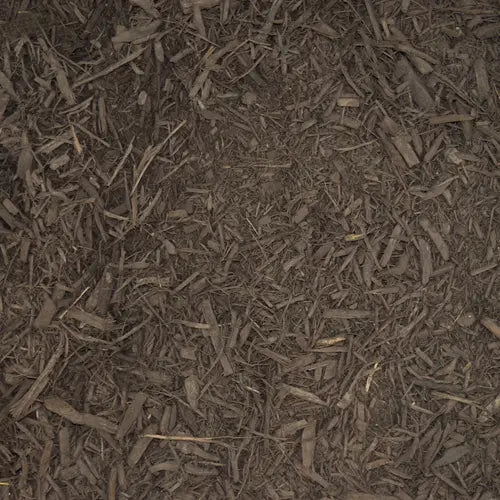
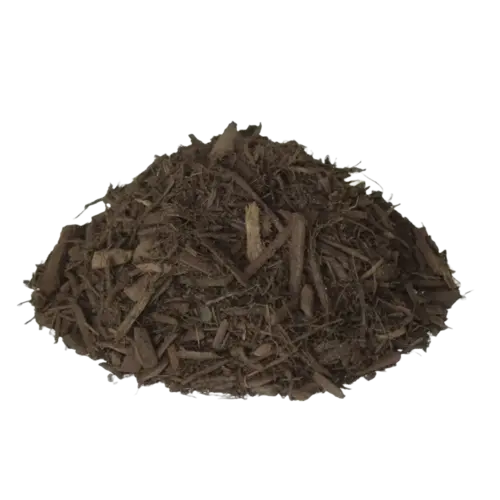
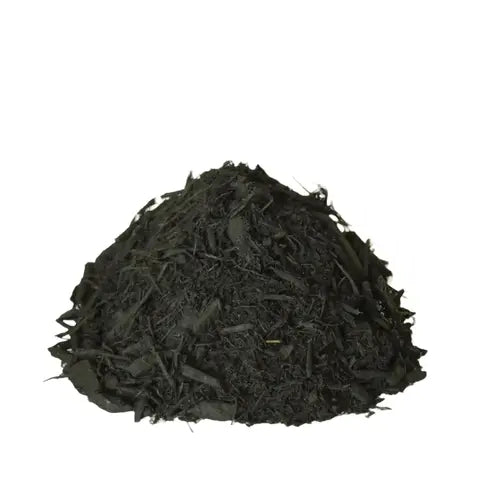
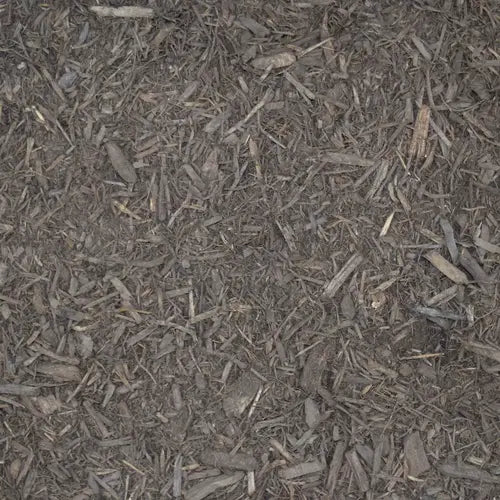
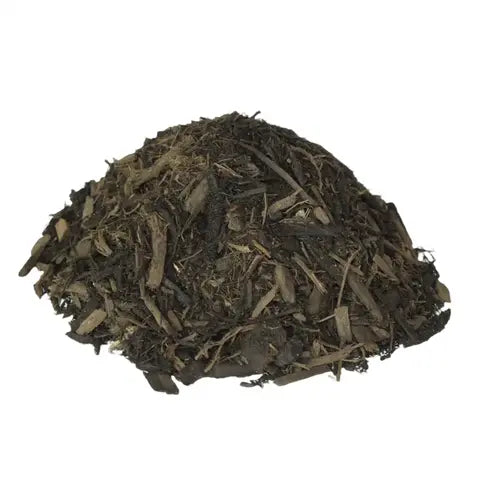
Hardwood Mulch
Hardwood mulch breaks down over the season and adds organic matter directly into Southaven's silt loam, gradually improving its structure and increasing the soil's ability to hold nutrients without becoming waterlogged. Over multiple seasons, regular hardwood mulch applications build a richer, more biologically active soil layer that supports stronger root systems and reduces the need for heavy fertilization.
Complete Your Outdoor Mulch Project
Pairing a bulk mulch order with a quality garden soil or compost blend helps rebuild the organic content in Southaven's silt loam before you mulch over it. Check out our soil options to top dress beds before laying your mulch for the season.
Southaven's silt loam dries into a tight crust during dry July and August stretches, and watering before you apply mulch makes a real difference. Soak your beds thoroughly the day before your mulch delivery arrives, then spread while the soil surface is still moist. This traps that moisture under the mulch layer and gives your plants a buffer during the first hot weeks before rainfall returns.
Mulch Mound Pro Tip
If you have live oaks or water oaks on your Southaven property, their leaf litter breaks down slowly and can mat under mulch, creating a hydrophobic layer that repels water rather than absorbing it. Rake out as much of that leaf debris as you can before applying fresh mulch each spring. Mixing a thin layer of compost into the top inch of soil under your mulch helps counteract this and keeps water moving down to the root zone.
Mulch Mound Pro Tip
Timing your mulch application around Southaven's frost dates gives you a real advantage. Applying a fresh layer in late October, a few weeks before the average first frost on November 15, insulates root systems through winter. Then in early March, just before the last frost passes on March 20, pull the old mulch back slightly to let the soil warm faster and then reapply once temperatures stabilize. This technique extends your planting window on both ends of the season.
Frequently Asked Questions
Click a question to see the answer
Answer
What mulch depth actually makes a difference on Southaven soil after a hard rain?
Because Southaven gets such heavy rainfall events, particularly from April through September, you want a minimum of three inches of mulch over your silt loam beds. Anything thinner tends to wash and shift during a downpour, leaving patches of bare, crusted soil exposed. Three to four inches holds position, absorbs impact from falling rain, and still lets water filter through to the roots at a controlled rate.
Answer
My backyard stays soggy for days after rain. Will adding mulch make the drainage problem worse?
Mulch will not fix a drainage problem, but it will not make it worse if you apply it correctly. In low areas of your Southaven yard that already pond water, skip the mulch and focus on grading or French drain solutions first. In moderately damp beds, a coarser hardwood mulch allows better airflow and water movement through the material compared to a fine, dense product that can mat down and hold standing moisture against plant crowns.
Answer
How fast does mulch break down in the Southaven heat and humidity?
Faster than most people expect. Southaven summers combine sustained heat above 90 degrees with high humidity, and that combination accelerates decomposition significantly. A standard hardwood mulch layer will reduce by about half within eight to ten months under those conditions. Planning to top off your beds every spring before the heat sets in, and again in late October before the first frost around November 15, keeps your coverage consistent and your soil protected year round.
Answer
Is colored mulch safe to use around my vegetable garden beds?
Most dyed mulches sold commercially use iron oxide or carbon based dyes that are considered safe around food gardens, but the real concern in Southaven is the base wood. Avoid any dyed mulch made from recycled pallets or construction lumber, as those materials may contain treated wood. For vegetable beds, a natural undyed hardwood or pine bark mulch is the safer and more practical choice, and it still breaks down to improve your silt loam soil over the season.
Answer
Does mulch actually help with the weeds I get every spring in my Southaven flower beds?
Yes, significantly. Weed seed germination drops sharply when light cannot reach the soil surface, and a four inch layer of mulch blocks enough light to suppress most common Southaven weeds like crabgrass, chickweed, and spurge. The key is applying it before those seeds activate, which in Southaven means getting mulch down by early March ahead of the last frost on March 20. Weeds that were already established before you mulch will push through, so clear the beds first.
Answer
Will pine bark mulch make my soil too acidic for the plants I have?
Pine bark does have a slightly acidic pH, but under normal Southaven rainfall conditions it takes years of consistent application for that acidity to meaningfully shift your soil pH. If you are growing acid loving plants like azaleas, camellias, or blueberries, pine bark mulch is actually a good fit because it nudges the soil in a direction those plants prefer. For mixed beds with neutral pH plants, the shift is so gradual that standard soil amendments can easily compensate.
Answer
How do I keep mulch from piling up against my foundation or tree trunks?
This matters a lot in Southaven because the combination of moisture and warmth creates ideal conditions for fungal issues and termite activity when organic material stays pressed against wood. Keep mulch pulled back two to three inches from any tree trunk and four to six inches from your home foundation. Think of mulch as a ring or blanket around a plant, not a mound pushed up against it. Volcano mulching around trees is one of the most common landscape mistakes in this area and it slowly damages roots over time.
The Unique Landscape of Southaven
Southaven sits in one of the wettest corners of Mississippi, pulling in around 54 inches of rain every year, and that steady moisture creates a constant tug of war between healthy plant beds and compacted, waterlogged soil. The silt loam that dominates most Southaven yards is notorious for crusting over after heavy summer storms, which shuts off oxygen to plant roots just when temperatures are climbing into the 90s. A thick layer of quality mulch breaks that cycle by cushioning the soil surface, slowing runoff, and keeping moisture distributed evenly rather than pooling at the surface. Because Zone 7b gives Southaven a growing season that stretches from late March all the way to mid-November, your beds are actively working for more than seven months of the year, and bare soil takes a beating across every one of those months. Mulching consistently is not a cosmetic choice here. It is a practical investment in keeping your roots cool during brutal July heat and your soil structure intact after the heavy spring rains that roll through every April.