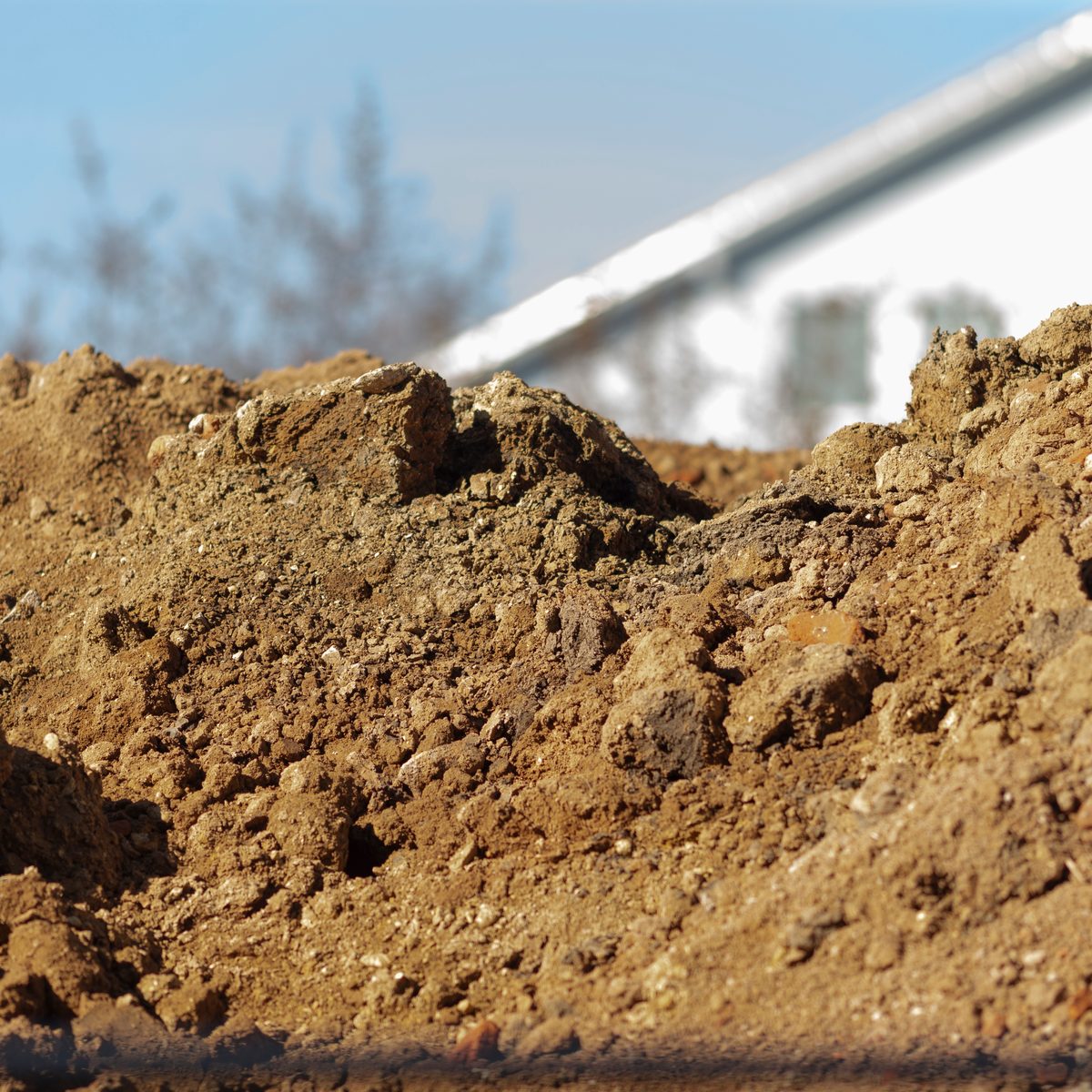
About this fill dirt

Inorganic subsoil for filling holes, raising low ground, and backfill. Small rocks and bits of stick or root are normal in the mix, this is structural material and not a growing medium. Do not use it to level a lawn surface or fill flower beds, put topsoil over it for anything you want to plant. Place it in lifts and compact as you go.

Placing an order online was so easy. Delivery was on time. When the driver realized we had a newly poured driveway they erred on the side of caution and opted not ti drive in it. The company even sent me a message explaining that call. Would recommend!

One cubic yard covers roughly 54 square feet at a 6 inch depth, so a 300 square foot low spot needing 6 inches runs close to 6 yards, more if you are going deeper toward the 12 inch end for a bigger fill job. Measure the area you are raising and decide your target depth first, then work backward from the 54 square foot figure per yard. Order by the cubic yard and round up rather than short, since a second delivery costs more in time than material.

A yard is approximately 27 cubic feet. As a general guideline, one yard of material can cover an area of about 100-160 square feet at a 2-3 inch depth.

Stockton Fill Dirt Delivery

Stockton Fill Dirt Delivery

4.7
137 reviews
Regular price $38.00 per Yard
Regular price Sale price $38.00
Sale Sold out
Shipping calculated at checkout.
Type
Size
Minimum of 3 Yard
Hand-picked local yards
4,000+ regional deliveries
Dedicated support
Why order through Mulch Mound

The best local fill dirt, without the guesswork.

We hand-pick and partner with the best yards in your region, keep only the ones our buyers rate well, and back each load with our guarantee.

Mulch Mound Guarantee

If your fill dirt isn't the quantity or quality you ordered, we'll make it right.

About this fill dirt

Inorganic subsoil for filling holes, raising low ground, and backfill. Small rocks and bits of stick or root are normal in the mix, this is structural material and not a growing medium. Do not use it to level a lawn surface or fill flower beds, put topsoil over it for anything you want to plant. Place it in lifts and compact as you go.

Placing an order online was so easy. Delivery was on time. When the driver realized we had a newly poured driveway they erred on the side of caution and opted not ti drive in it. The company even sent me a message explaining that call. Would recommend!

One cubic yard covers roughly 54 square feet at a 6 inch depth, so a 300 square foot low spot needing 6 inches runs close to 6 yards, more if you are going deeper toward the 12 inch end for a bigger fill job. Measure the area you are raising and decide your target depth first, then work backward from the 54 square foot figure per yard. Order by the cubic yard and round up rather than short, since a second delivery costs more in time than material.

A yard is approximately 27 cubic feet. As a general guideline, one yard of material can cover an area of about 100-160 square feet at a 2-3 inch depth.

View full details

How It Works

Getting started is easy — just follow these simple steps

1

Choose your quantity

Adjust the quantity to match your project. One cubic yard covers about 100 to 160 square feet at a 2 to 3 inch depth.

2

Select your delivery date

Select a delivery date you'd like for the product to be dropped off at your home

3

Sit back and wait

Sit back, wait, and let us work our magic to make sure the highest quality product is delivered to your driveway.

From The Mouths of Stockton Folks

4.7
out of 5 based on 137 reviews
Google Reviews

Complete Your Outdoor Project

Most fill jobs in Stockton finish with a cap of topsoil once the grade is set, especially if lawn or beds go in on top. Some projects also pull in aggregate base or drain rock at the low points before filling, particularly with this clay loam holding water the way it does. If you are backfilling near a foundation, check with your contractor on what layer sequence they want before the truck shows up.

Mulch Mound Pro Tip

Do not dump fill dirt in one deep pour. Place it in 6 to 8 inch lifts and compact each layer with a plate compactor or hand tamper before adding the next. Stockton's clay loam base already shifts with moisture swings between the wet winter months and the dry summer stretch, and an uncompacted fill layer on top of that will keep settling for a year or more, cracking patios and pulling fence posts out of plumb.

Mulch Mound Pro Tip

The most common mistake on fill jobs here is treating fill dirt like topsoil and planting straight into it. It has no organic structure and drains poorly once compacted, so grass and roots struggle. Cap the finished, compacted fill with 4 to 6 inches of real topsoil before seeding or planting anything, and keep that distinction in mind when you are ordering both materials for the same job.

Mulch Mound Pro Tip

If you are filling a large low spot, order fill dirt for the bulk of the depth and save topsoil for just the top layer, since topsoil costs more per yard and you do not need its organic content buried a foot underground. This split works well for pool removals and yard regrading, where most of the volume is structural and only the top few inches need to support plant growth.

Grading and Filling in Stockton

Stockton sits at 23 feet elevation on clay loam, soil that already holds water and compacts unevenly when it dries out in the long summer stretch before that December frost. Fill dirt gets used here to correct grading problems before they become drainage problems, raising areas that pond up during the wetter months between December and February. It is common on new builds and remodels around town, backfilling foundations, leveling yards, and prepping pool removals. This is structural material, not something you plant into, so plan on capping it with topsoil once the grade is set.

What Fill Dirt Is

Fill dirt is inorganic subsoil sold for volume and grade, not for growing. Small rocks and bits of stick or root are normal in the mix. It compacts predictably, which is exactly what you want under slabs, in trenches, and behind walls.

Fill Dirt vs Topsoil

Fill dirt builds the shape of the ground, topsoil grows things on top of it. Bring the grade up with fill, then cap it with 4 to 6 inches of topsoil anywhere grass or plants are going in.

Compact in Lifts

Place fill in layers of 4 to 6 inches and compact each one before adding the next. Dumping the full depth at once leaves voids that settle later, and settling is the one problem fill is supposed to solve.

Frequently Asked Questions

Click a question to see the answer

Answer

Can I plant grass directly in fill dirt after it is delivered?

No, fill dirt is a structural subsoil, not a growing medium. Compact it in lifts to bring the grade up, then cap it with 4 to 6 inches of topsoil before seeding or sodding. Skipping the topsoil cap usually means poor drainage and thin, patchy grass once it is down.

Answer

How many cubic yards do I need to fill a 500 square foot low spot?

At a 6 inch depth, one yard covers about 54 square feet, so 500 square feet needs roughly 9 to 10 cubic yards. Going to 12 inches roughly doubles that to 18 to 20 yards. Measure your actual depth target first since fill jobs vary a lot in how deep they need to go.

Answer

Do I need to compact the fill dirt myself or does it settle on its own?

You need to compact it yourself, in 6 to 8 inch lifts, tamping each layer before adding more. Left loose, fill dirt keeps settling for a year or more, especially in Stockton's clay loam where moisture swings between the wet season and dry summer months make uncompacted ground shift further.

Answer

Where on my property will the truck drop the load?

Wherever you specify at checkout, typically a driveway or the closest flat spot with truck access to your work area. Fill dirt is heavy, about 1.3 tons per cubic yard, so make sure the drop spot can handle the weight and that the path from there to your project area is clear before delivery.

Answer

Should I get fill dirt or topsoil for raising my yard's grade?

Use fill dirt for the bulk of the depth, it is denser and cheaper per yard, then cap the last 4 to 6 inches with topsoil if anything needs to grow on top. If the area is purely structural, like backfill against a foundation, fill dirt alone does the job without needing topsoil at all.

More delivery around Stockton, California

All Stockton, California landscape supply