


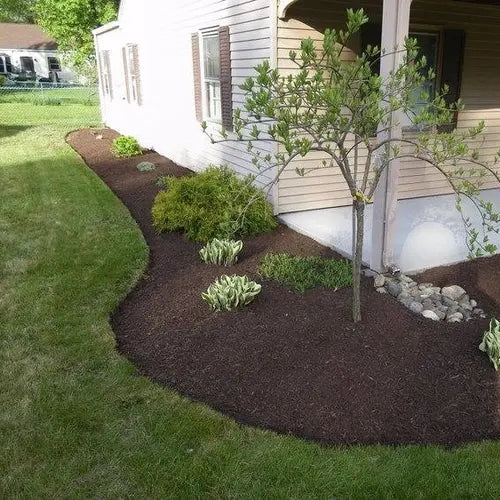

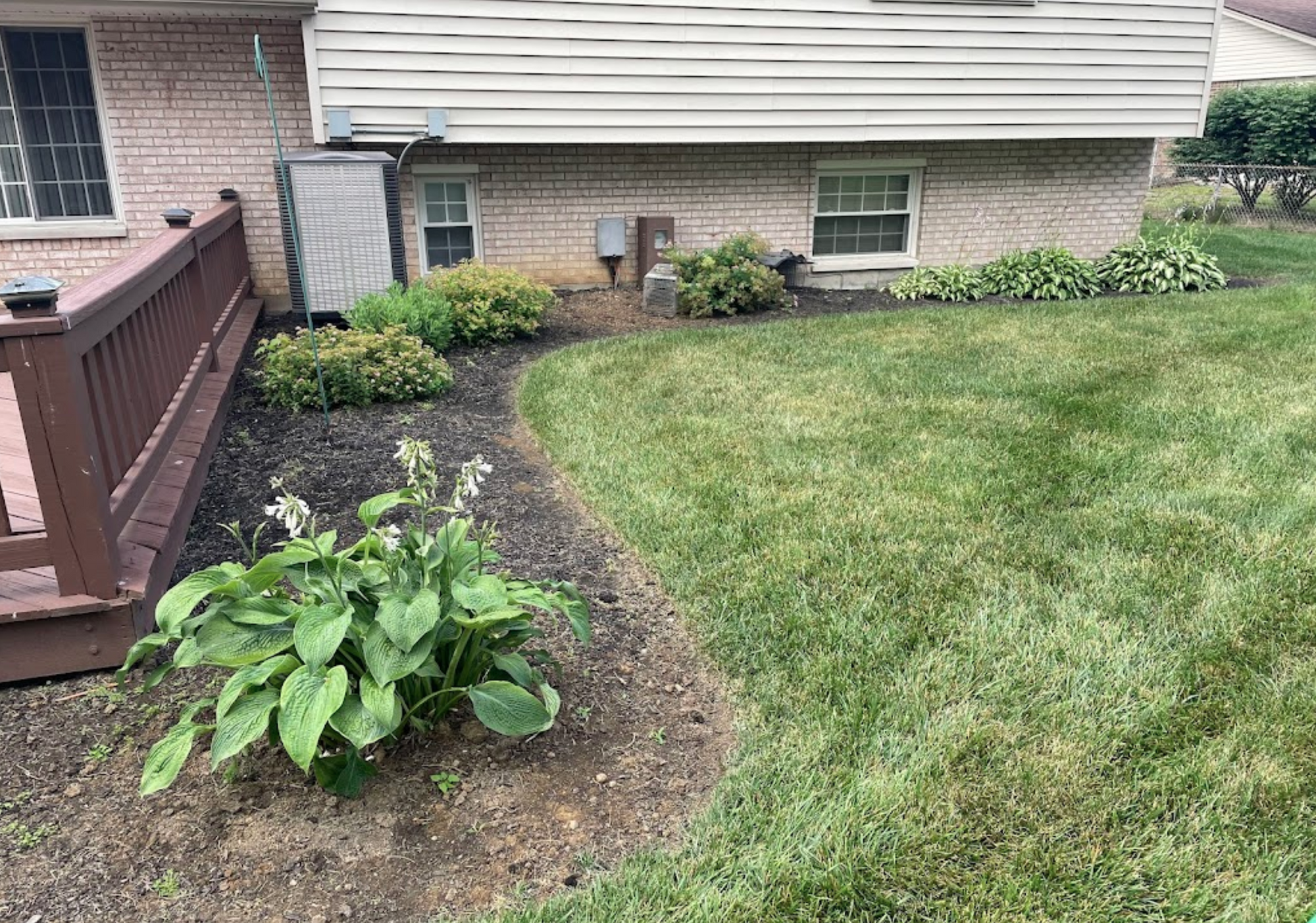
Our delivery was delayed but the new brown color mulch is a nice upgrade to our landscaping.
About this mulch
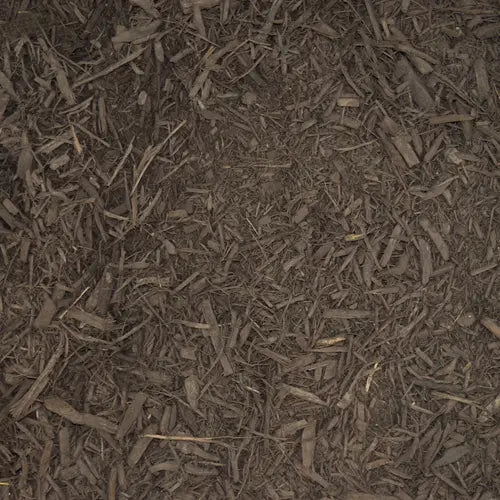
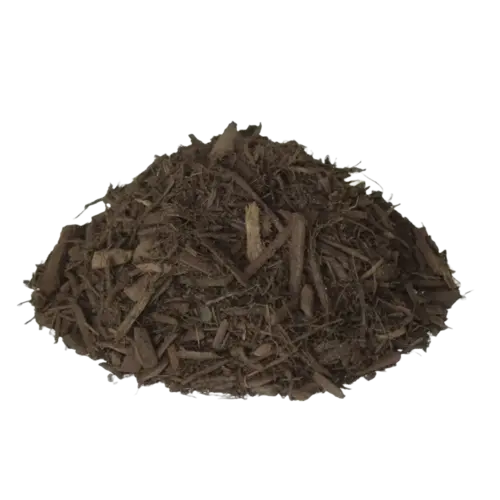
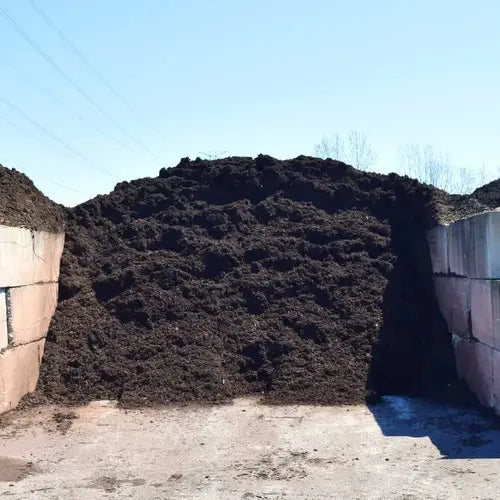
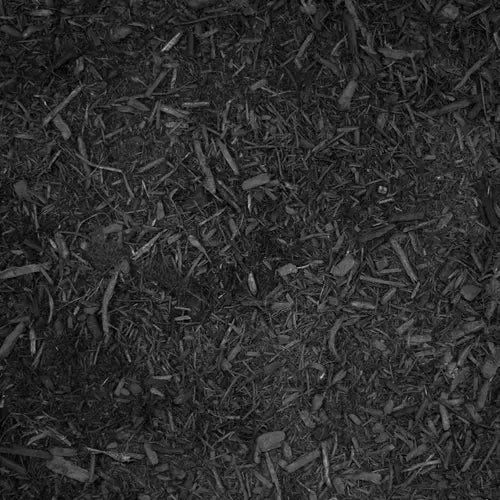
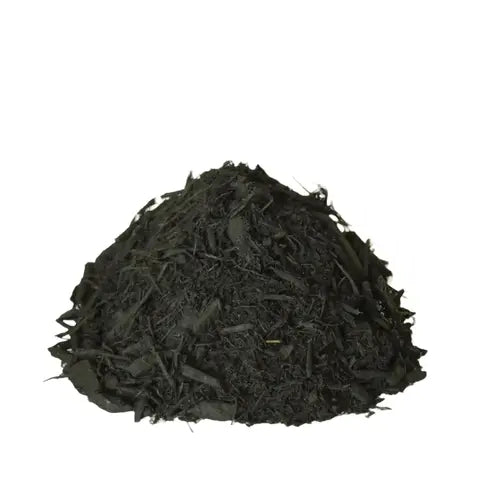
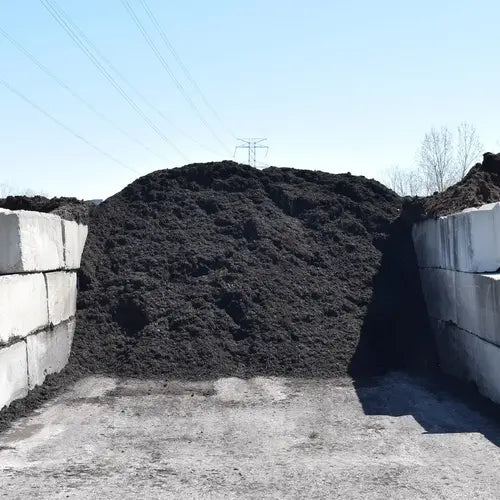
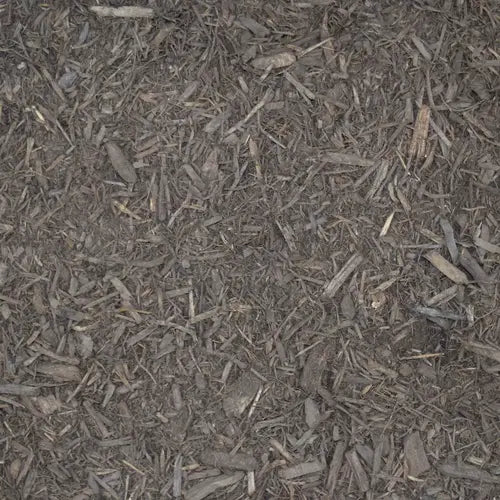
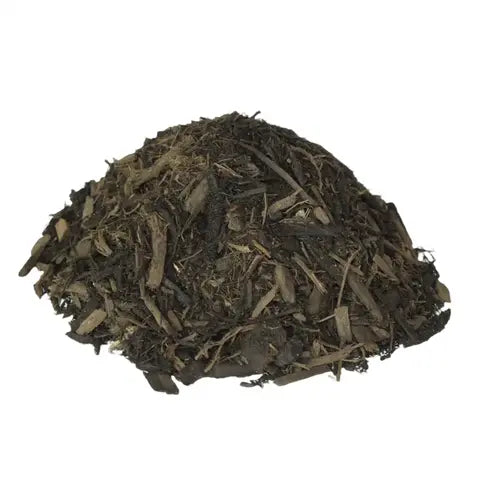
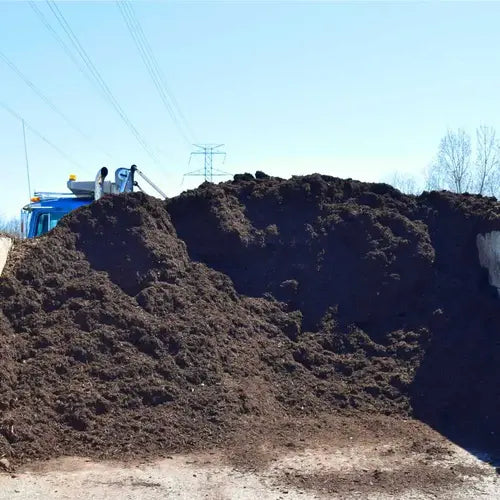
Double-shredded mulch dyed a rich, even brown that holds its color through the season.
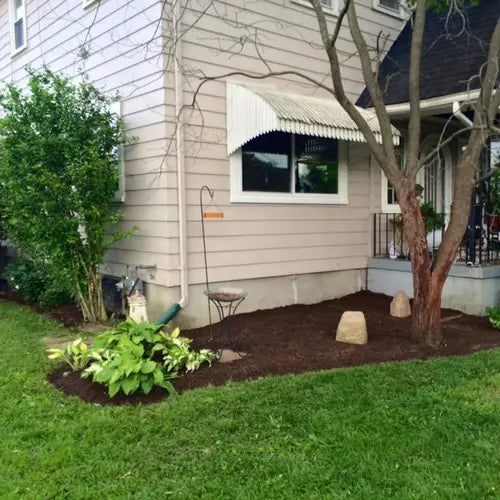
Our delivery was delayed but the new brown color mulch is a nice upgrade to our landscaping.
Tell us what you're looking for
Thanks! We received your request.
Something went wrong. Please try again.
How Much Material Do I Need?
How Much Material Do I Need?
Most Stockton landscape beds perform best with 3 to 4 inches of mulch, which provides meaningful insulation against the summer heat while still allowing irrigation water to reach the clay loam below. One cubic yard of mulch covers roughly 80 to 100 square feet at that depth.
Use our free mulch calculator
What is a yard?
What is a yard?
FAQs
FAQs
Stockton Mulch Delivery
Stockton Mulch Delivery
Regular price
$83.00
per
Yard
Regular price
Sale price
$83.00
Unit price
per
Shipping calculated at checkout.
Minimum of 3 Yard
Couldn't load pickup availability
Not currently available
We can't take orders for this right now. Tell us what you need and we'll get back to you.
Hand-picked local yards
4,000+ regional deliveries
Dedicated support
Why order through Mulch Mound
The best local , without the guesswork.
We hand-pick and partner with the best yards in your region, keep only the ones our buyers rate well, and back each load with our guarantee.
Mulch Mound Guarantee
If your isn't the quantity or quality you ordered, we'll make it right.
About this mulch
Double-shredded mulch dyed a rich, even brown that holds its color through the season.
Our delivery was delayed but the new brown color mulch is a nice upgrade to our landscaping.
How Much Material Do I Need?
How Much Material Do I Need?
Most Stockton landscape beds perform best with 3 to 4 inches of mulch, which provides meaningful insulation against the summer heat while still allowing irrigation water to reach the clay loam below. One cubic yard of mulch covers roughly 80 to 100 square feet at that depth.
Use our free mulch calculator
What is a yard?
What is a yard?
FAQs
FAQs
Tell us what you're looking for
Thanks! We received your request.
Something went wrong. Please try again.

How It Works
Getting started is easy — just follow these simple steps
1
Choose your Mulch
Make sure you adjust the quantity to your home's needs. You can use our calculator to estimate how much you'll need.
2
Select your delivery date
Select a delivery date you'd like for the product to be dropped off at your home
3
Sit back and wait
Sit back, wait, and let us work our magic to make sure the highest quality product is delivered to your driveway.

Mulch Mound made it so easy! So happy with the pricing, turn around time, delivery and product. I submitted my online order on a Thursday. The mu...
Read full review
Mulch Mound made it so easy! So happy with the pricing, turn around time, delivery and product. I submitted my online order on a Thursday. The mulch was delivered to the designated location by a local landscape company at 8:30 a.m. the following Saturday morning. We had the job completed by that afternoon. We chose the natural brown mulch, and the plant beds are beautiful.

Good quality, great price, fast delivery. All online - no submitting forms and waiting for days for quotes.
Getting mulch should be this easy fr...
Read full review
Good quality, great price, fast delivery. All online - no submitting forms and waiting for days for quotes.
Getting mulch should be this easy from everyone. Only Mulch Mound is ACTUALLY this simple.
Calculate mulch for your Stockton project
For Stockton's type of soil, we recommend 2-3 inches for best weed suppression and moisture retention
Try Our CalculatorMeasure the length and width of each bed in feet, then multiply those numbers together to get the square footage. For Stockton beds where we recommend a 3 to 4 inch depth, divide your square footage by 100 to get a rough cubic yard estimate for a 3 inch layer. It is always smart to round up slightly since Stockton's clay loam beds tend to have uneven surfaces that require a bit more material to achieve consistent coverage.
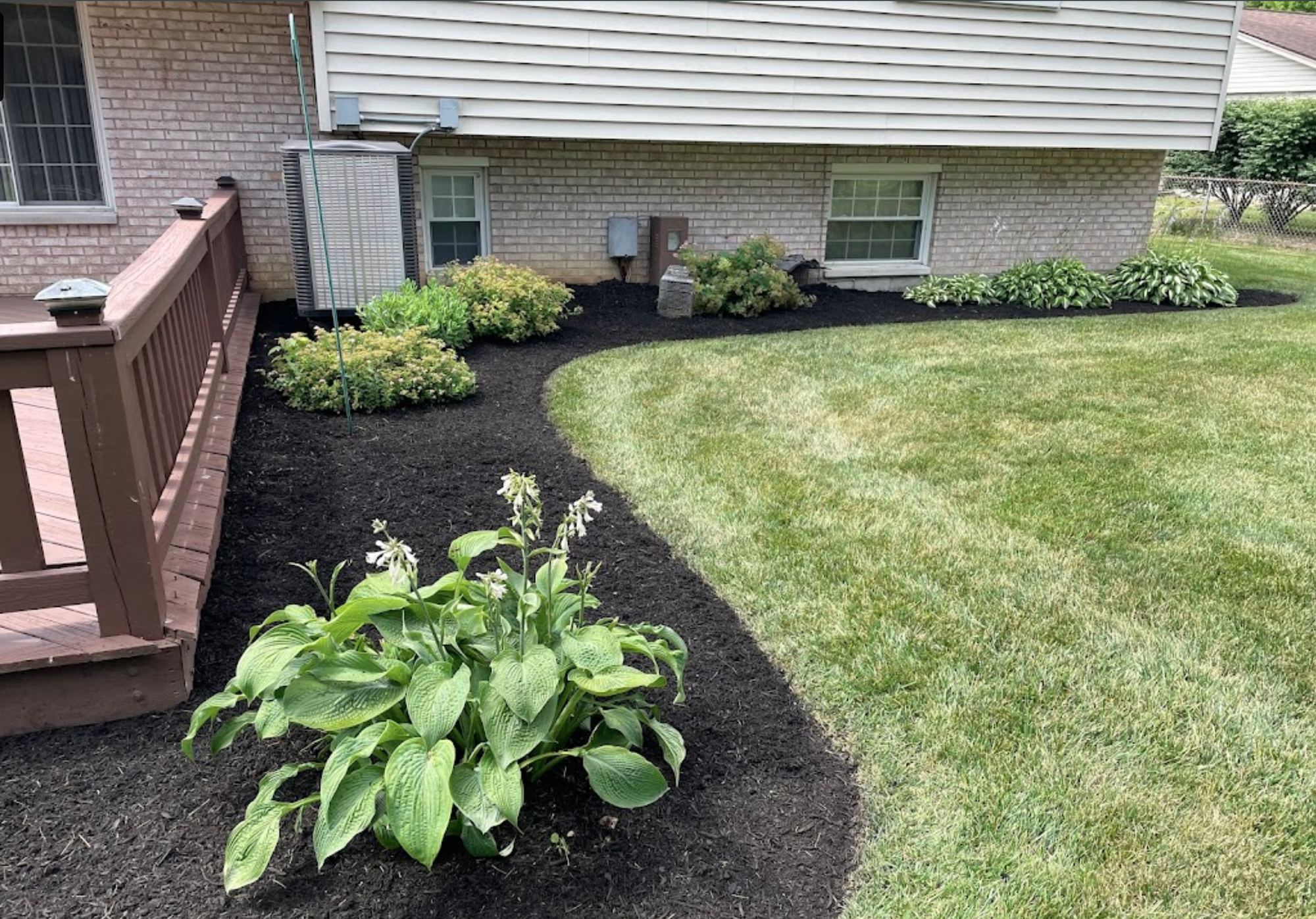

Best Mulch Choice for Stockton Lawns
Most yards in the Stockton area sit on type of soil.
Hardwood Mulch
Complete Your Outdoor Mulch Project
Pairing bulk mulch with a quality amended garden soil gives Stockton beds the best possible foundation, especially in areas where the native clay loam is heavily compacted. Decomposed granite or pathway stone around the perimeter of mulched beds also adds a clean finished look common in Central Valley landscaping.
Service area
Areas we deliver mulch in Stockton, California
- Antioch, California
- August, California
- Brentwood, California
- Country Club, California
- Discovery Bay, California
- Escalon, California
- Galt, California
- Garden Acres, California
- Lathrop, California
- Lodi, California
- Manteca, California
- Modesto, California
Mulch Mound Pro Tip
Stockton's clay loam soil tends to repel water when it gets extremely dry, a condition called hydrophobic soil that is common after a long Central Valley summer. Before spreading fresh mulch, water your beds deeply the day before so the soil surface is moist and receptive. Starting with hydrated soil beneath your mulch layer means the first time you irrigate after application the water will move down into the root zone instead of beading off the dry clay surface.
Mulch Mound Pro Tip
Stockton typically sees its last frost around February 3, which means late January is a great time to pull back any mulch piled against the crowns of marginally cold-hardy plants you may be protecting. Once that frost risk window closes, refresh the mulch layer in those spots and extend coverage out toward the drip line of each plant. This seasonal adjustment takes only a few minutes per plant and can make the difference between a healthy perennial and one that suffers crown rot from trapped winter moisture.
Mulch Mound Pro Tip
If you are mulching a slope in your Stockton yard, choose a shredded bark product over a chipped or nugget style. Stockton does receive occasional heavy rain events in January and February despite the low annual average, and those concentrated storms can wash loose nugget mulch downhill quickly. Shredded materials knit together and hold position on grades far better, saving you the frustration of raking runaway mulch off your lawn or hardscape after a winter rain.
The Unique Landscape of Stockton
Stockton sits in the heart of the Central Valley where summers regularly push past 100 degrees and rainfall barely reaches 14 inches per year, making moisture retention in garden beds a constant battle. The clay loam soil that underlies most Stockton yards tends to crack and harden during the long dry season, pulling moisture away from plant roots faster than most homeowners expect. A properly applied layer of mulch creates a buffer between that harsh summer sun and the soil surface, slowing evaporation dramatically during the months when rain is essentially nonexistent. Because Stockton falls in USDA Zone 9b, many plants push through an unusually long growing season stretching well past October, meaning mulch has to do its job for many more months than it would in cooler climates. Organic mulch also slowly breaks down into the clay loam over time, gradually improving its structure and drainage in a way that benefits Stockton gardens year after year.